

King of Tokyo (2011)
| |||||||||||||||||||||||||||||||||||
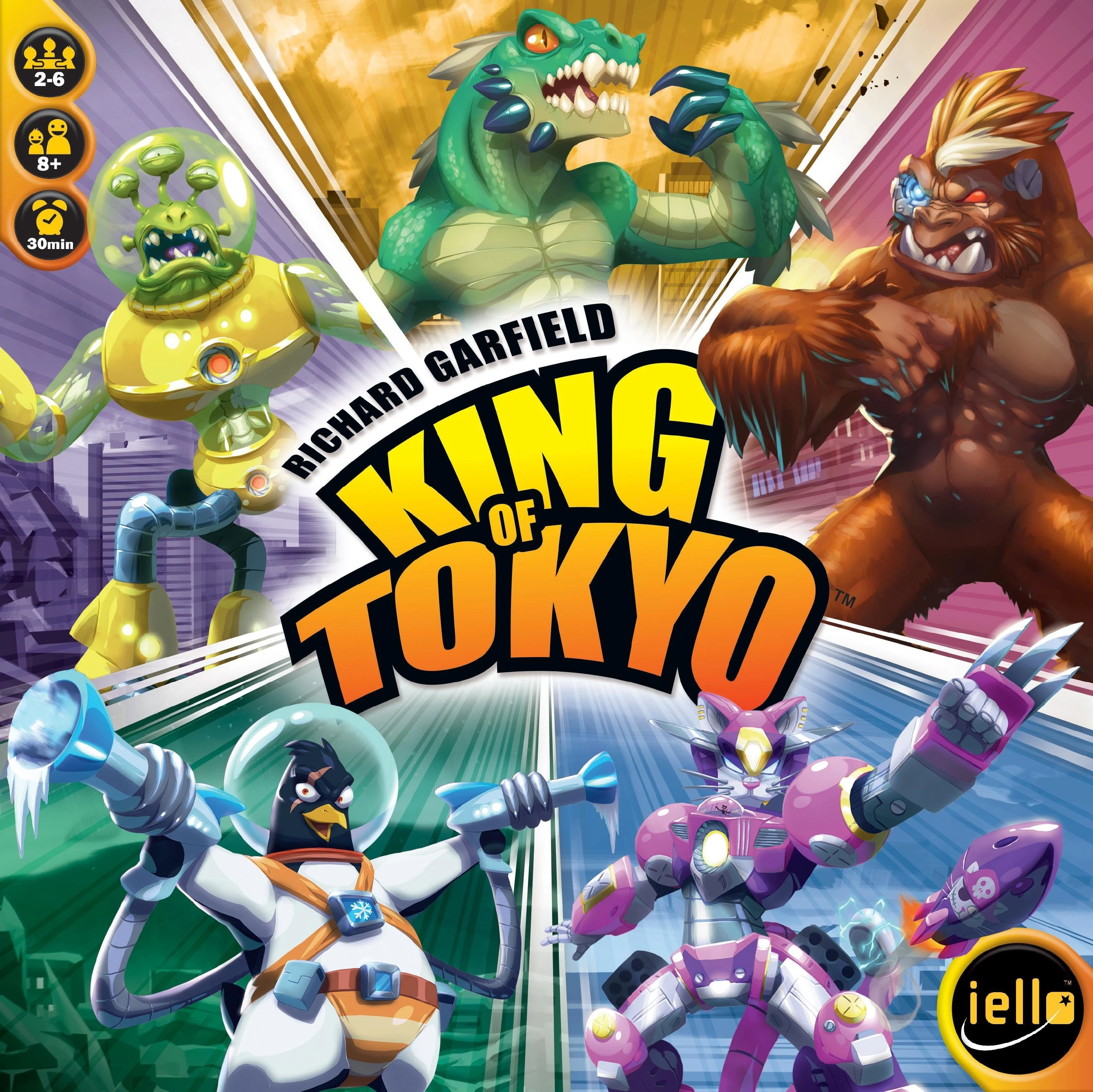
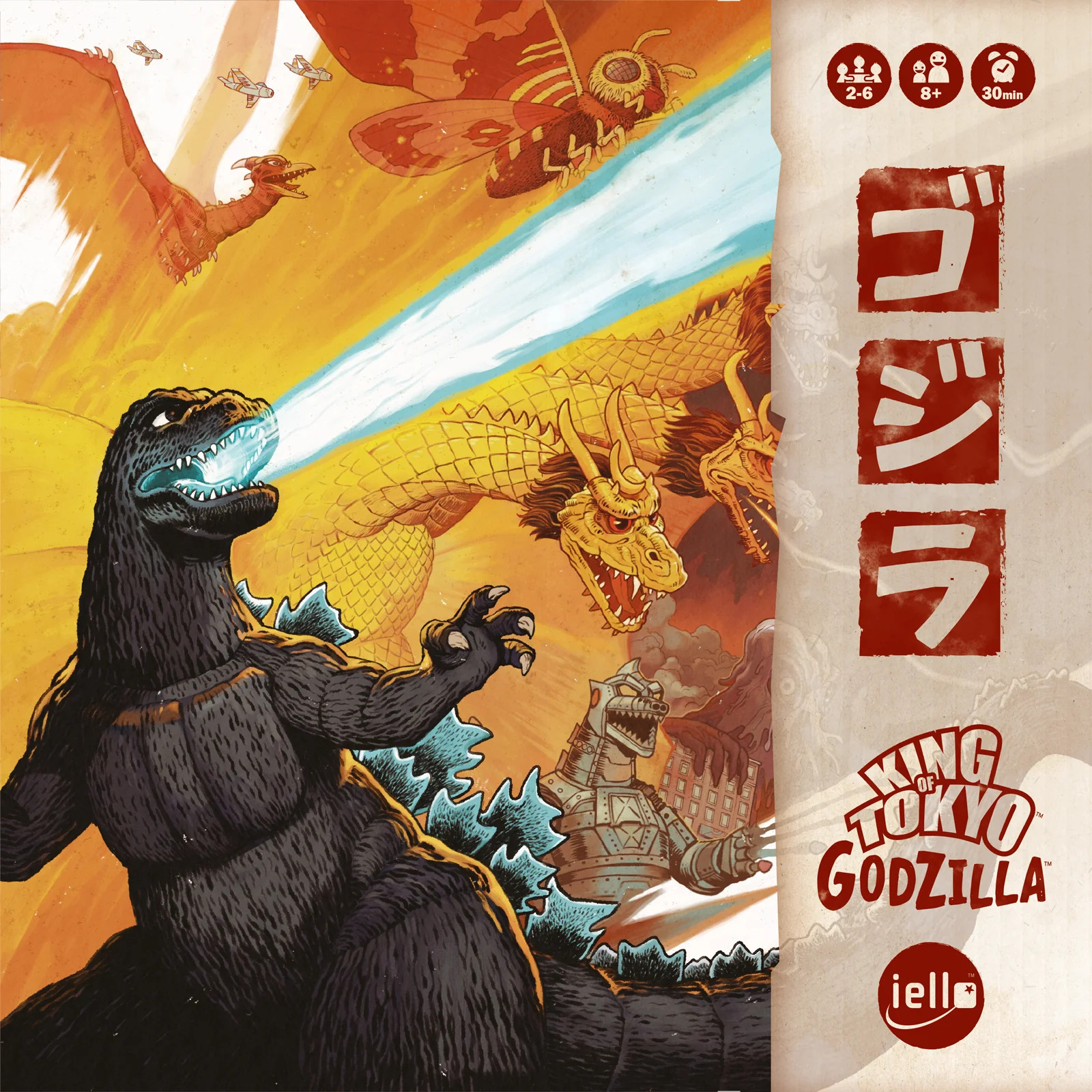
King of Tokyo is a 2011 tabletop game designed by Richard Garfield and published by IELLO. The game features several original monsters inspired by giant monster media over the years, featuring also creatures from mythologies, folklore, literature, and movies, including King Kong. The game has received several expansions since 2012 and two spin-offs: King of New York in 2014 and King of Monster Island in 2022. A version of the game titled King of Tokyo: Godzilla, featuring kaiju from the Godzilla franchise, was released at a Spanish MEGA XP event on April 25, 2026, followed by a wider release in Europe on May 29, June in Asia, and August for the United States.[1]
Description
King of Tokyo
“
|
Play as a gigantic Monster that destroys everything in its path! Roll the dice, make the best possible combinations to heal yourself, attack, buy cards or earn Victory Points. It’s up to you to adapt the best strategy to become the King of Tokyo at the right moment and attack all your opponents at the same time. The first player to reach 20 Victory Points wins the game… The last to stay alive too!
|
„
|
King of Tokyo: Godzilla
“
|
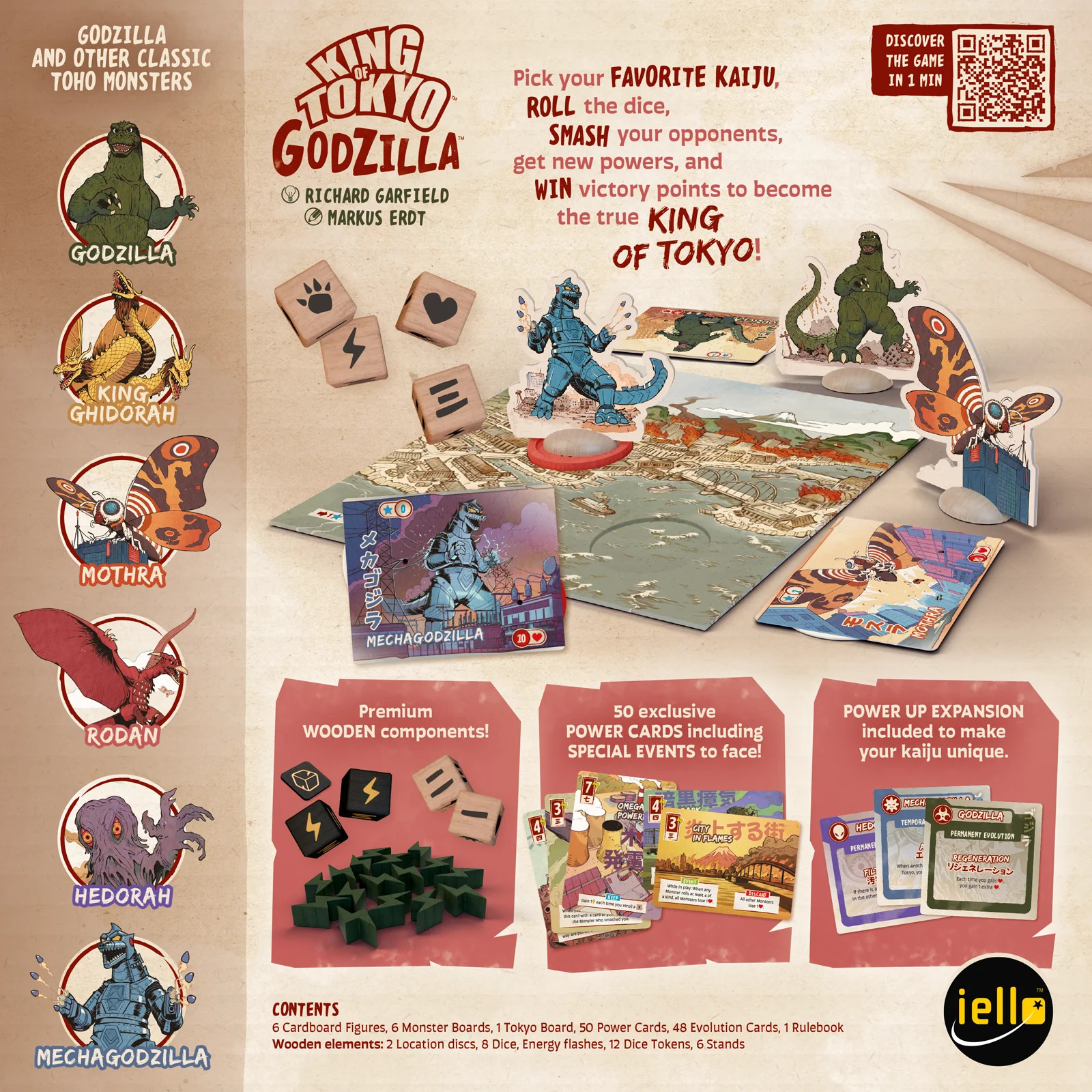
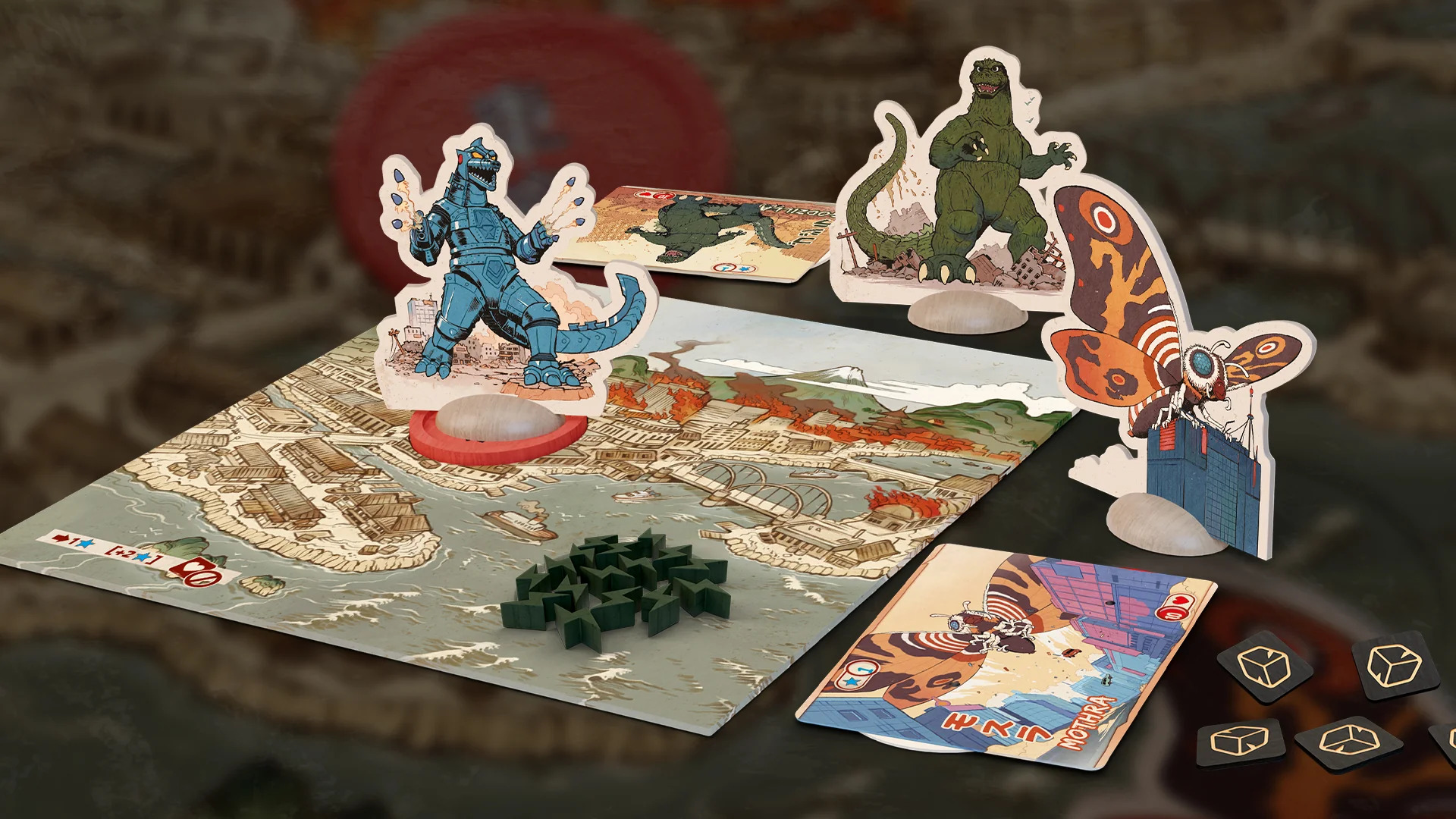
Toho's legendary Kaijus clash in an epic battle to decide who will be the definitive King of Tokyo. Play as Godzilla, King Ghidorah, Hedorah, Rodan, Mothra, and Mechagodzilla.
King of Tokyo: Godzilla is a family game with dice, cards, and smashes, inspired by the yams system. For those familiar with the original game, discover a new mechanic: "Event cards" that affect all monsters. And for fans, yes, evolution cards are included! |
„
|
Gameplay
King of Tokyo
Players choose from six unique monster characters, each with their own special abilities and playstyles. Expansion packs add more monster for players to pick from.
The heart of the game lies in rolling a set of six custom die. These dice feature symbols for attacking, healing, gaining energy or victory points, and manipulating the city's power grid. Players can re-roll up to two times to try and get desired results. Certain cards, which are purchased with acquired energy, can also allow players to manipulate their dice results outright or grant them two extra die to roll.
The city of Tokyo serves as the game's central arena. Players earn a victory point when entering the metropolis and gain two victory points for each turn they spend occupying it. However, occupying Tokyo also makes a player the target of attacks from monsters outside the city, and the player occupying Tokyo cannot heal themselves with die rolls. A player occupying Tokyo can surrender the location to a player who deals damage to them. When 5-6 people are playing, Tokyo Bay serves as a secondary location for a monster to occupy, with all the same rules for occupying Tokyo applying to occupying Tokyo Bay; accordingly, monsters in Tokyo and Tokyo Bay cannot damage each other. Through expansion packs, players can fight for control of iconic landmarks like the Tokyo Tower and the Imperial Palace, earning victory points for each occupied landmark.
If a player is the first to get 20 victory points or is the last monster standing, they are the winner of the game.
An Evolution feature for monsters was added through expansion packs. As players gain victory points, they can evolve their chosen monster into a more powerful form through Evolution cards. This unlocks new abilities, additional dice rolls, and even the ability to regenerate from the brink of defeat.
King of Tokyo: Godzilla
King of Tokyo: Godzilla has all of the same gameplay features as the main game, including the Evolution feature, and introduces an Event feature. Event cards affect all players by changing rules, adding unpredictability to turns.[1]
Monsters
King of Tokyo
|
King of Tokyo: Godzilla |
Gallery
King of Tokyo
Concept art
-
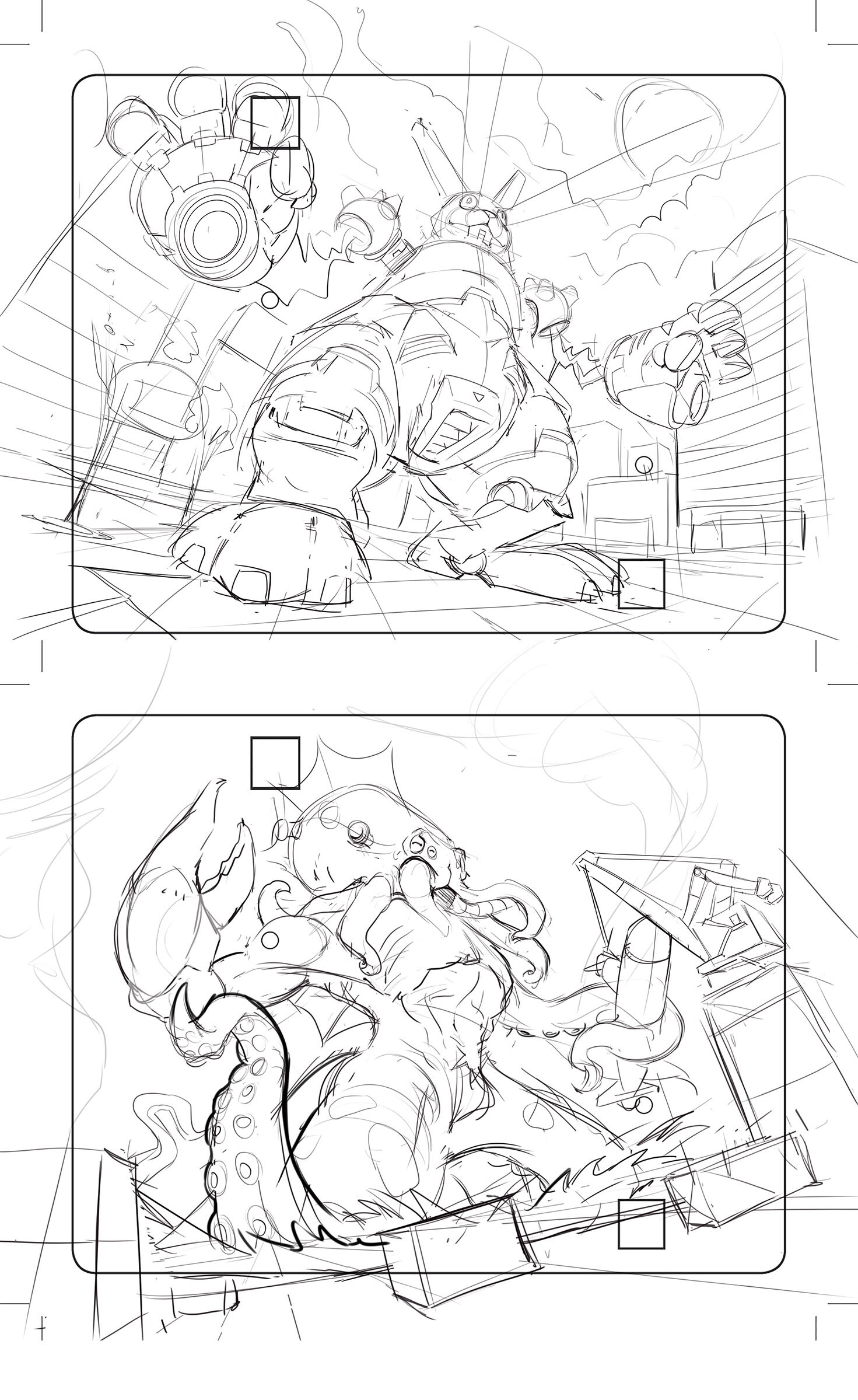
 Dark Edition Cyber Bunny and Kraken sketch by Paul MafayonPRO
 -
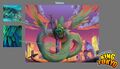
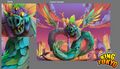
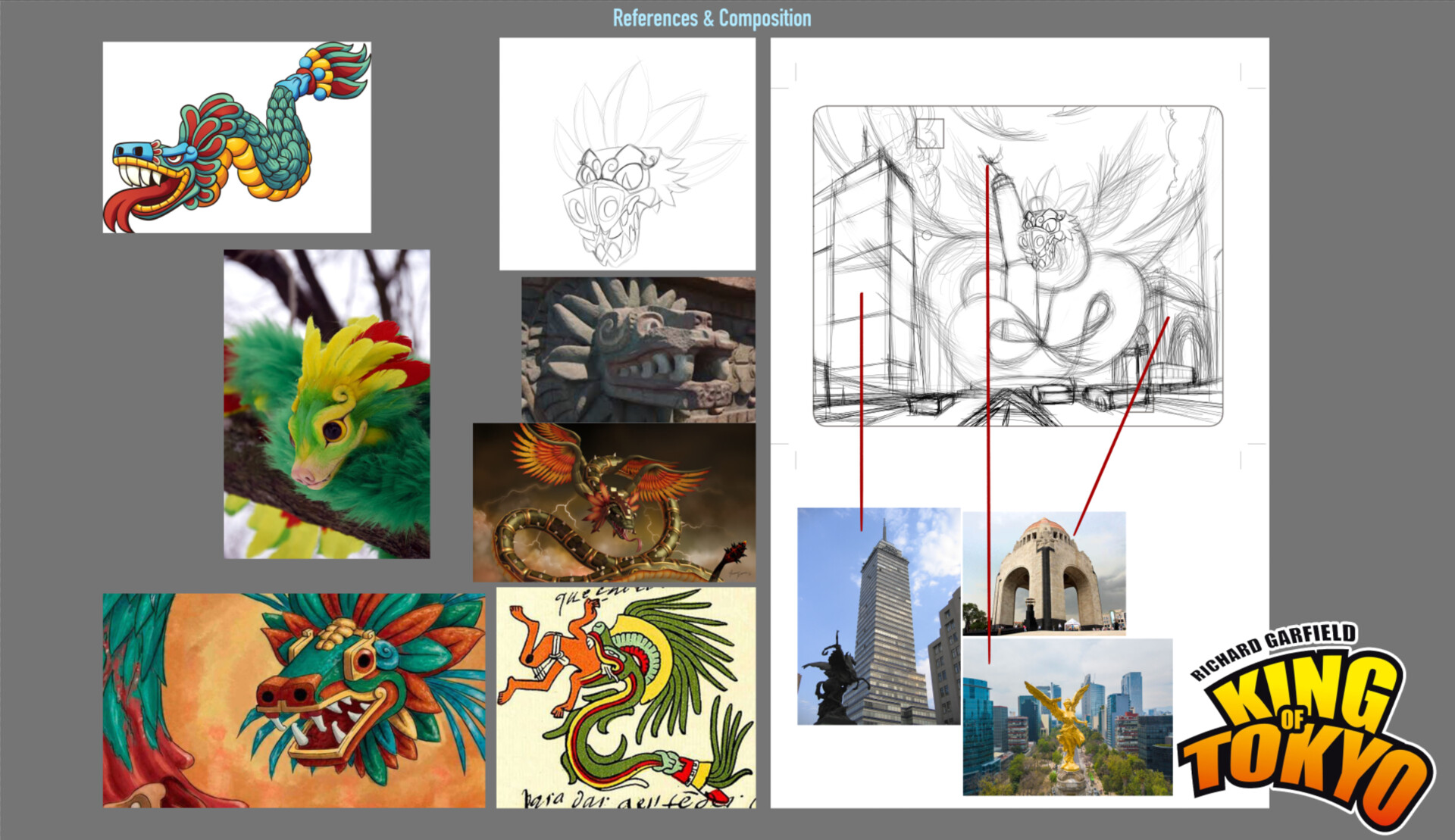
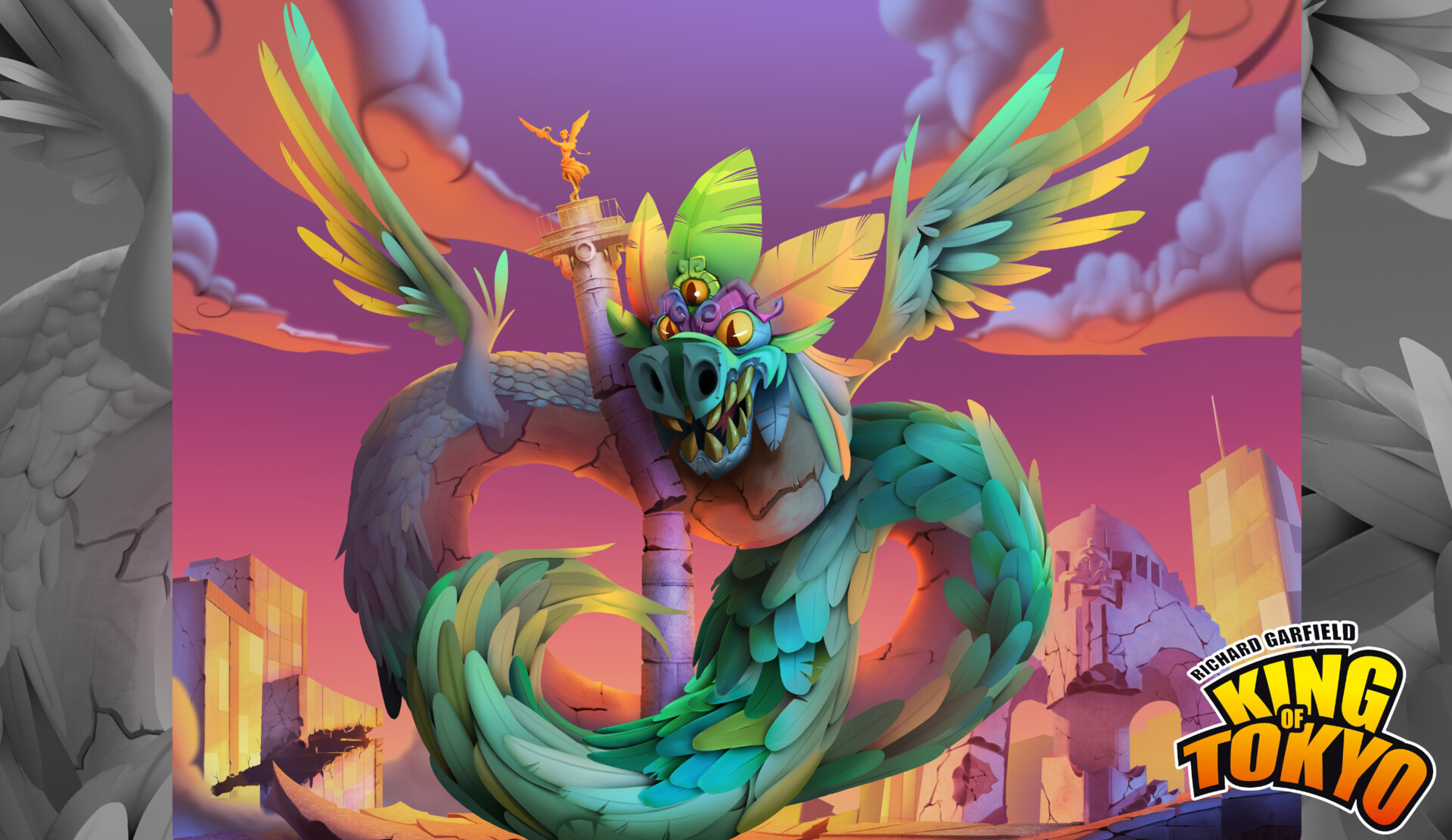
 Quetzalcoatl development by PATONEGRO
 -
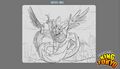
-
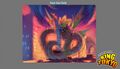
-
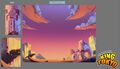
-
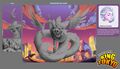
-
-
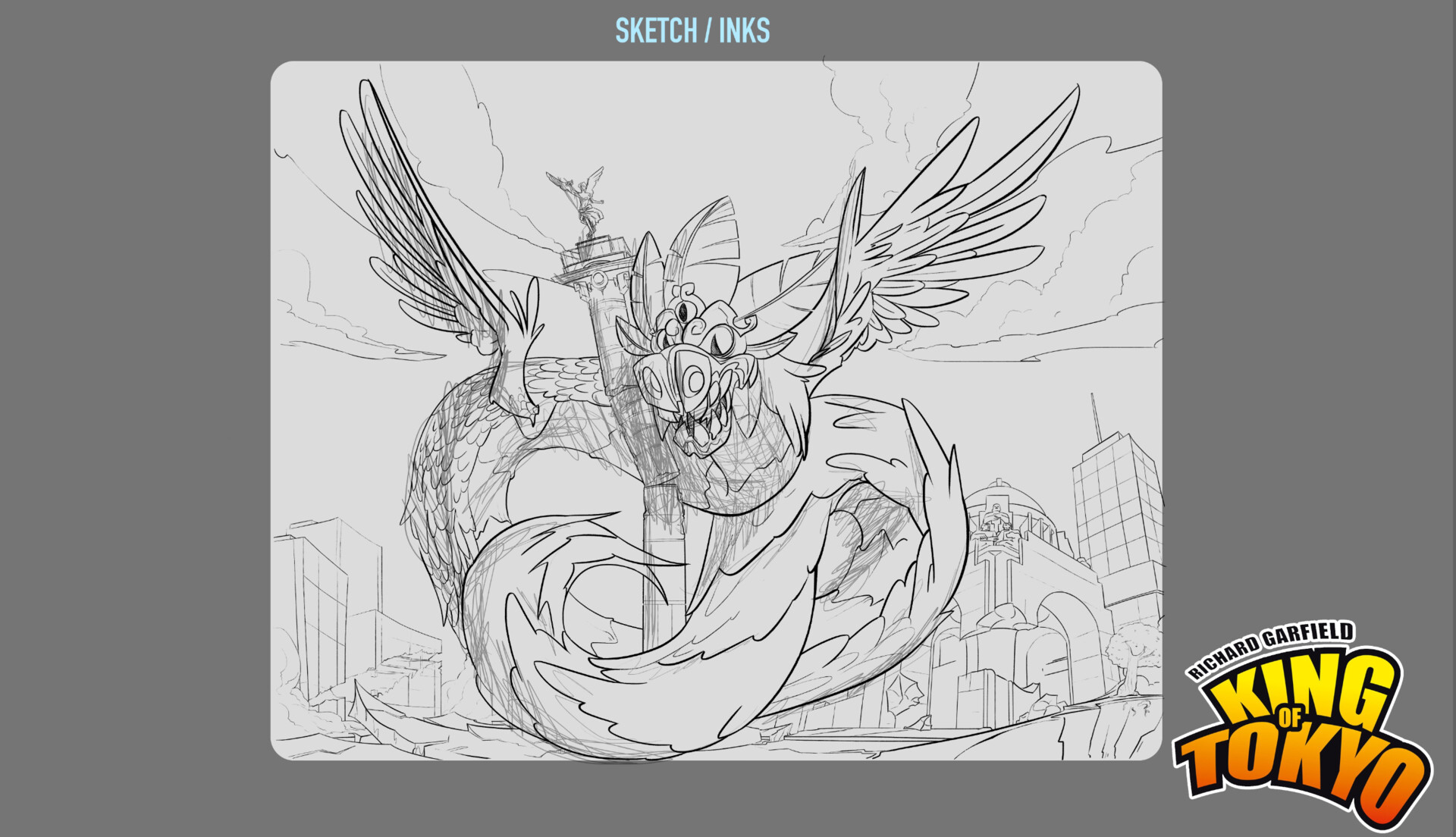
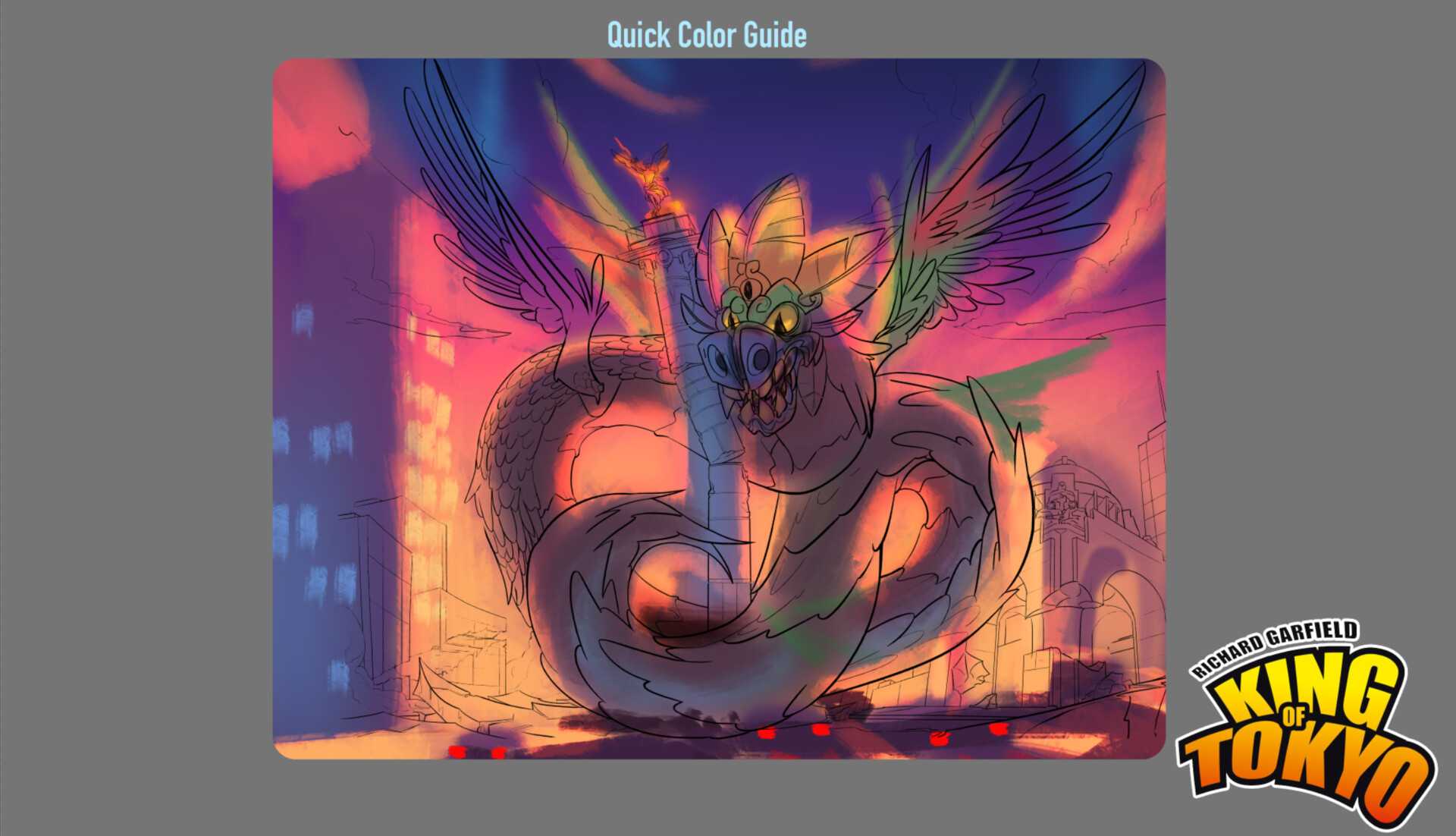
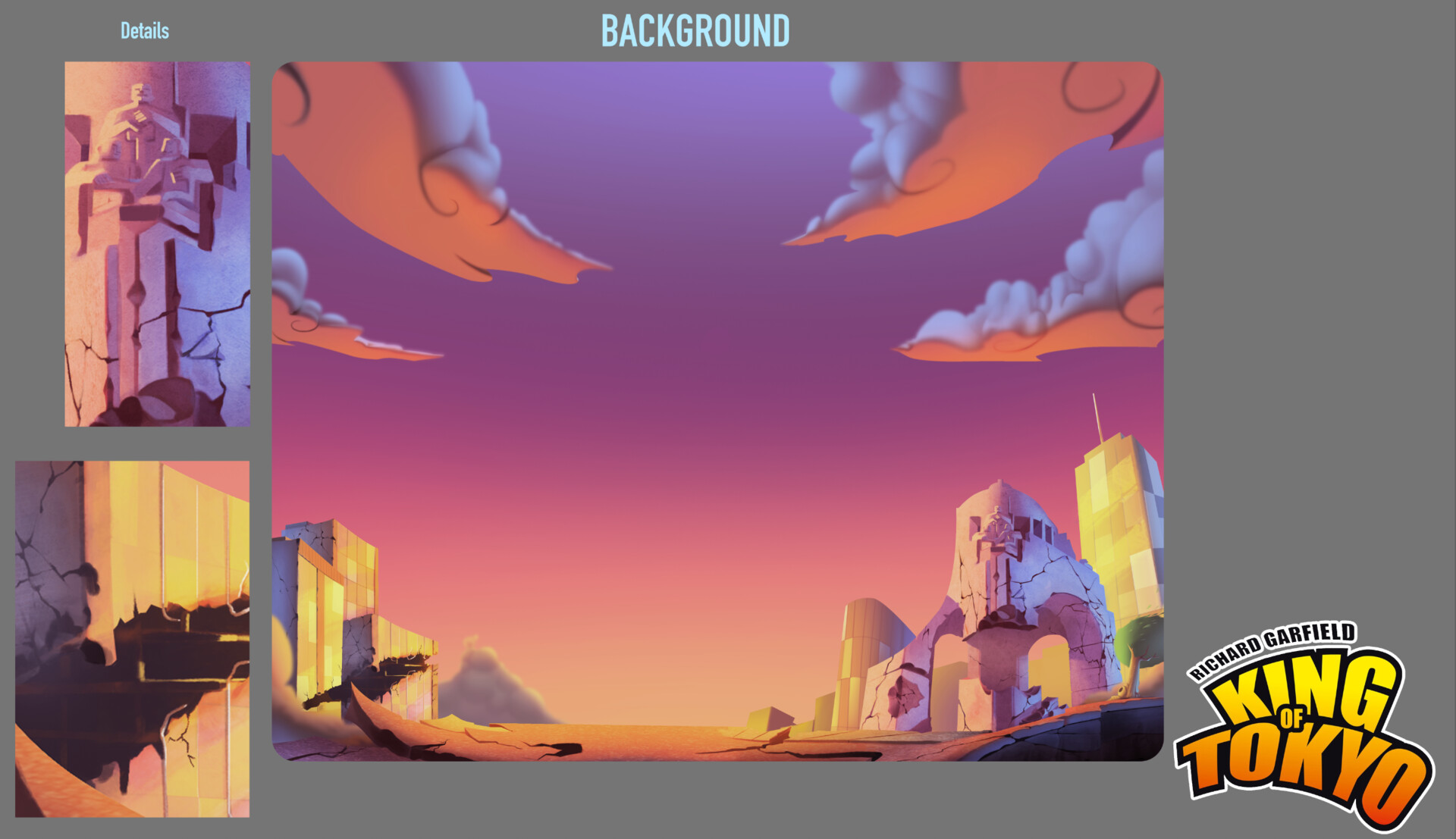
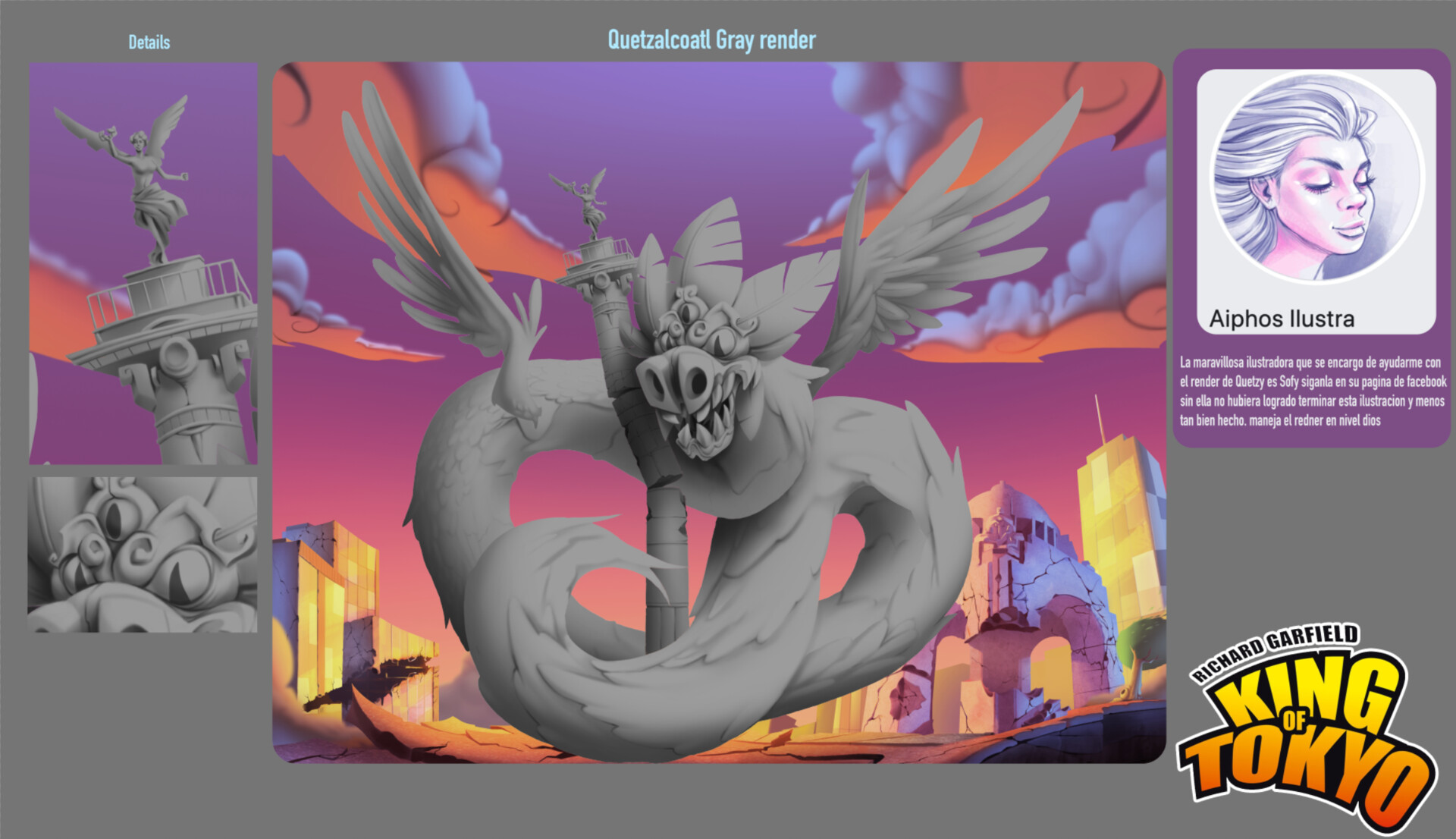
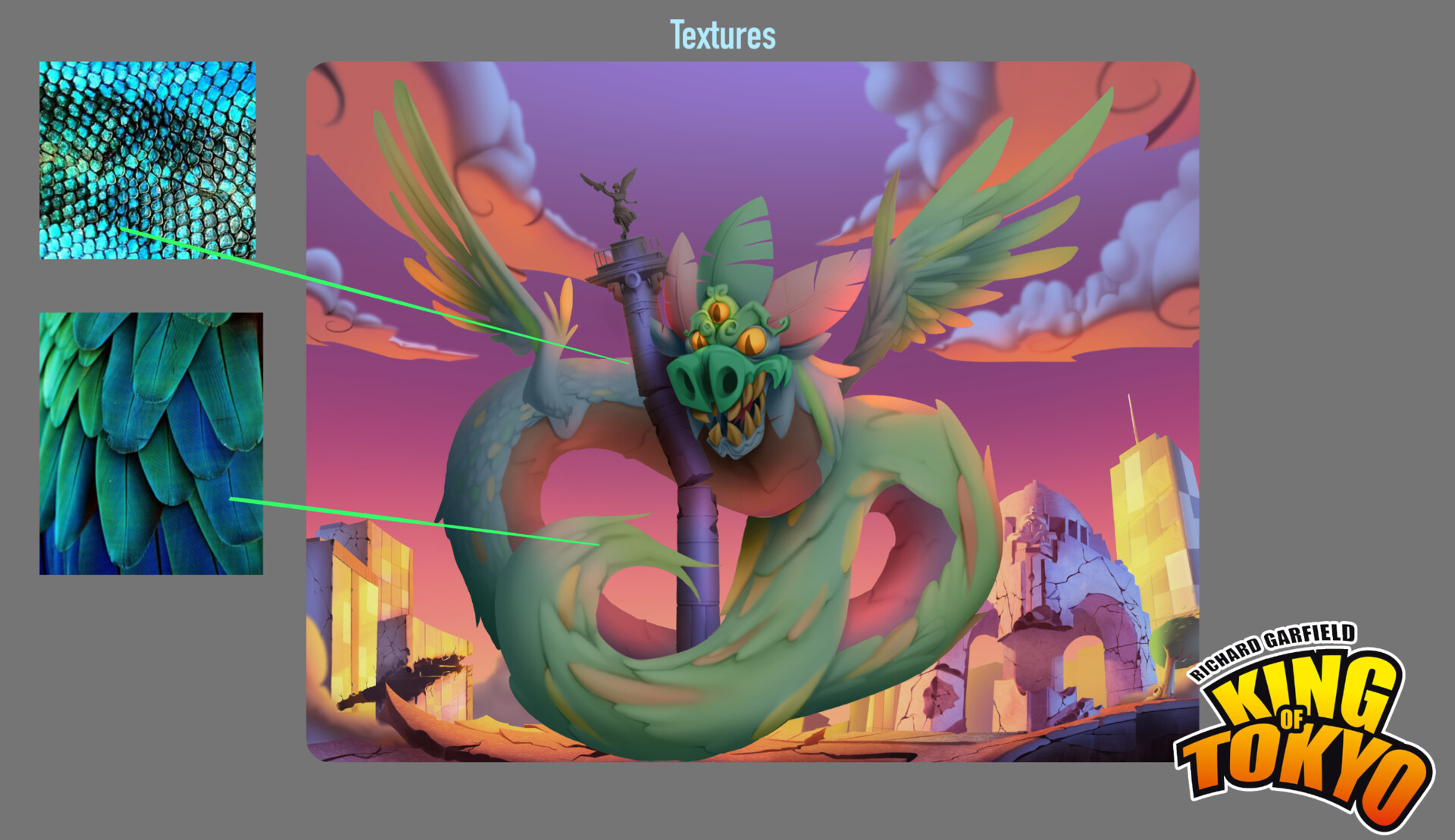
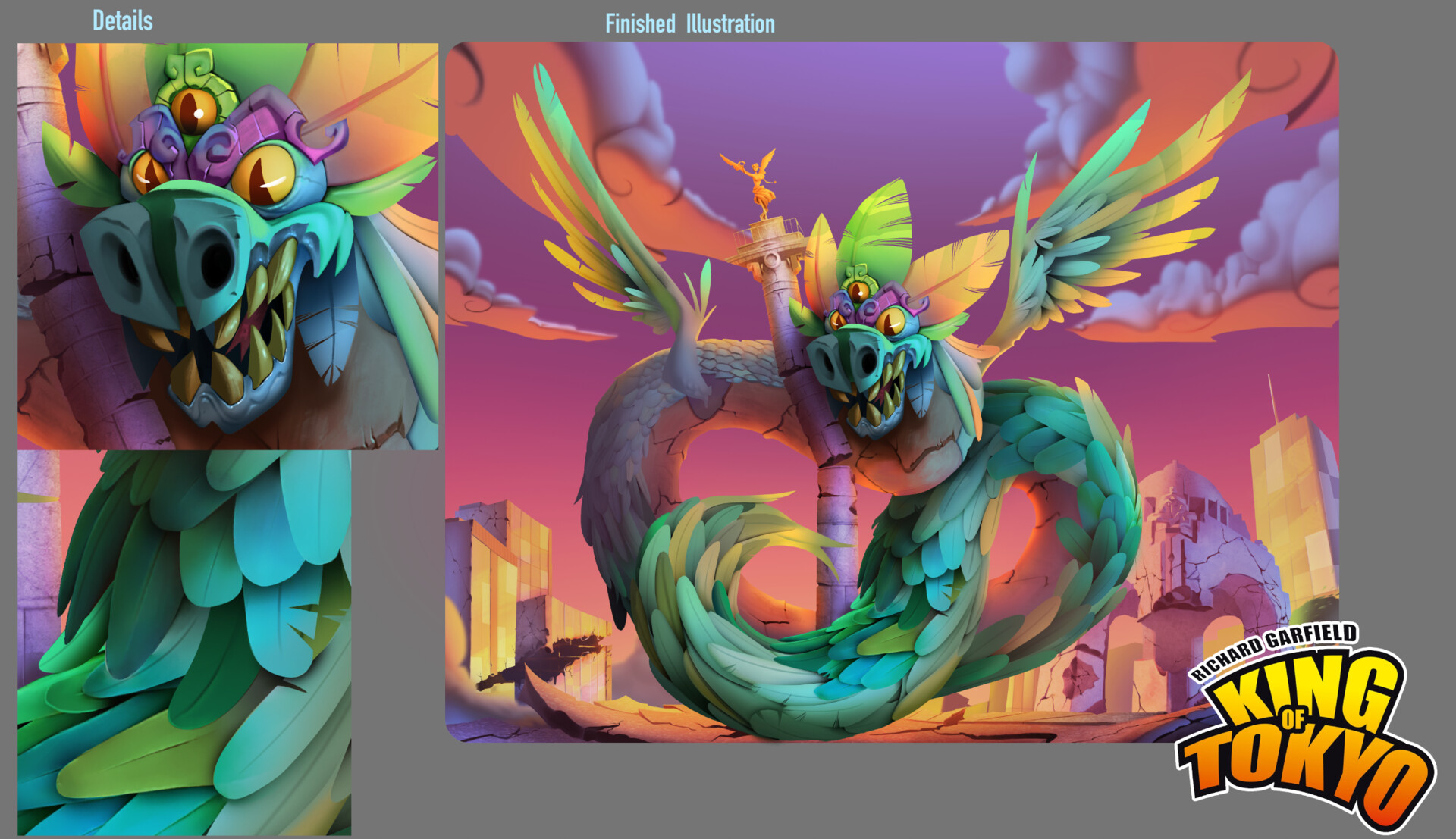
Artwork
-
 The King
 -
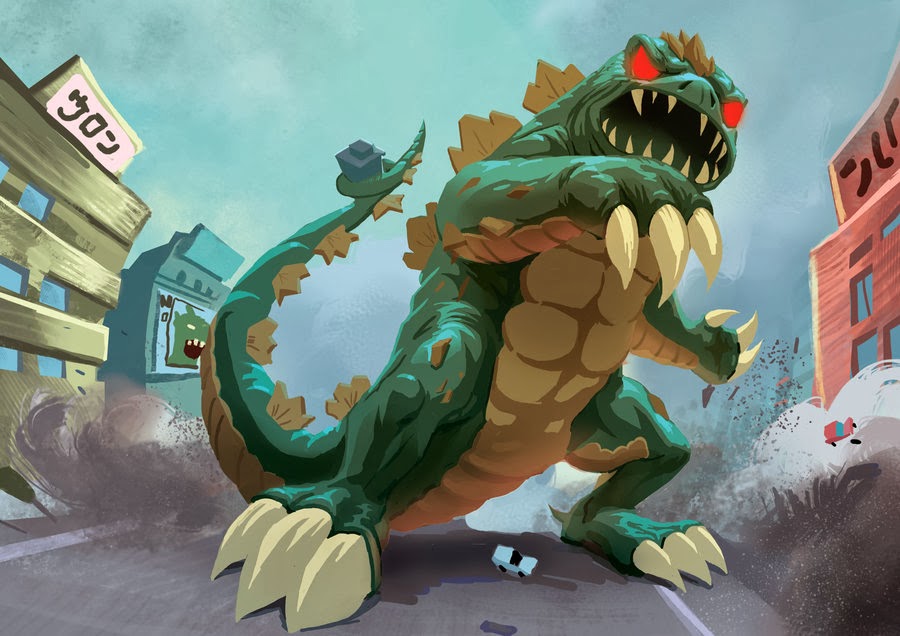
 Gigazaur
 -
 Gigazaur (2nd edition)
 -
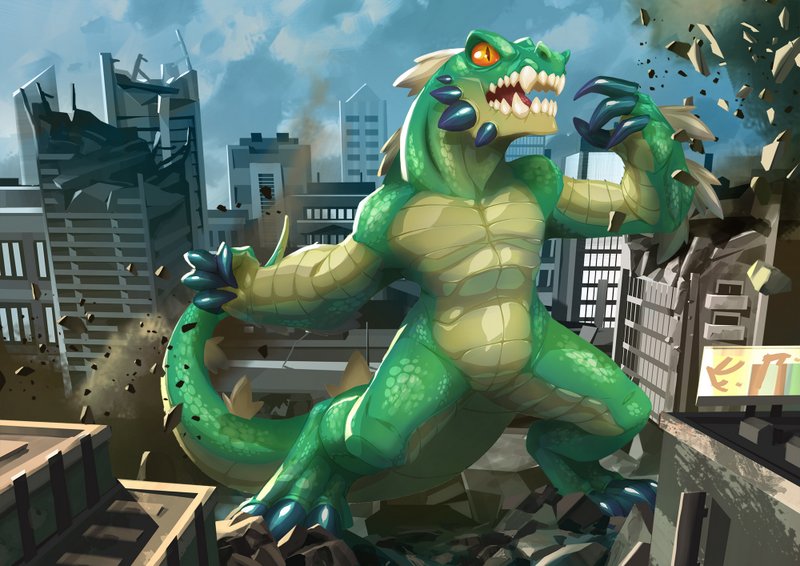
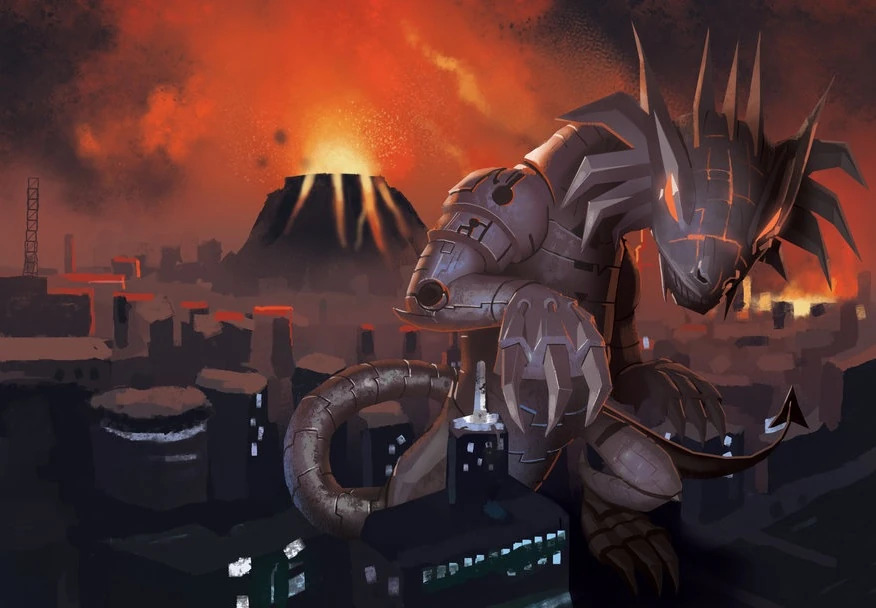
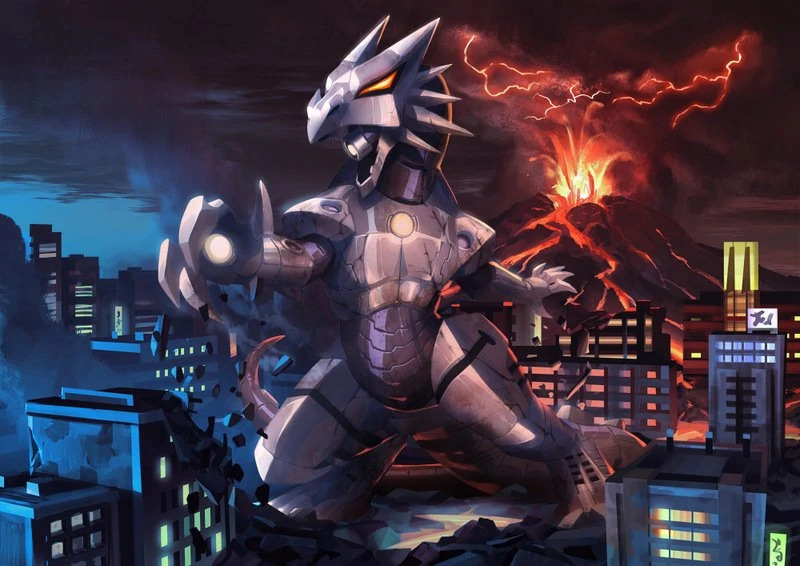
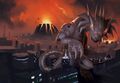 Meka Dragon
 -
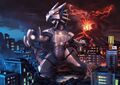 Meka Dragon (2nd edition)
 -
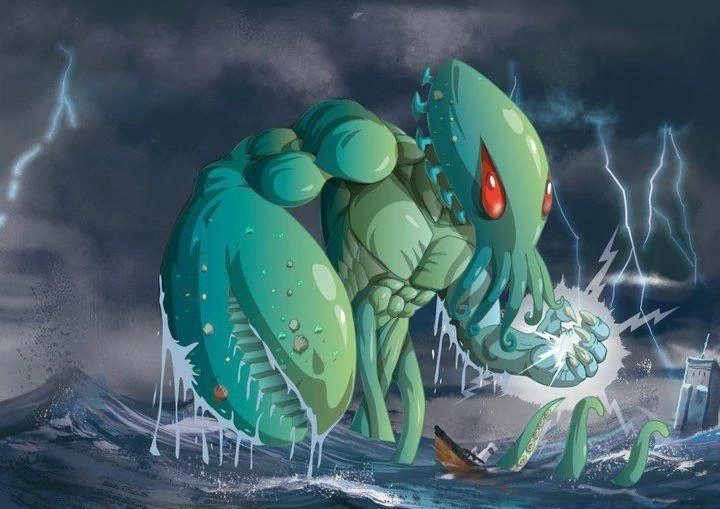
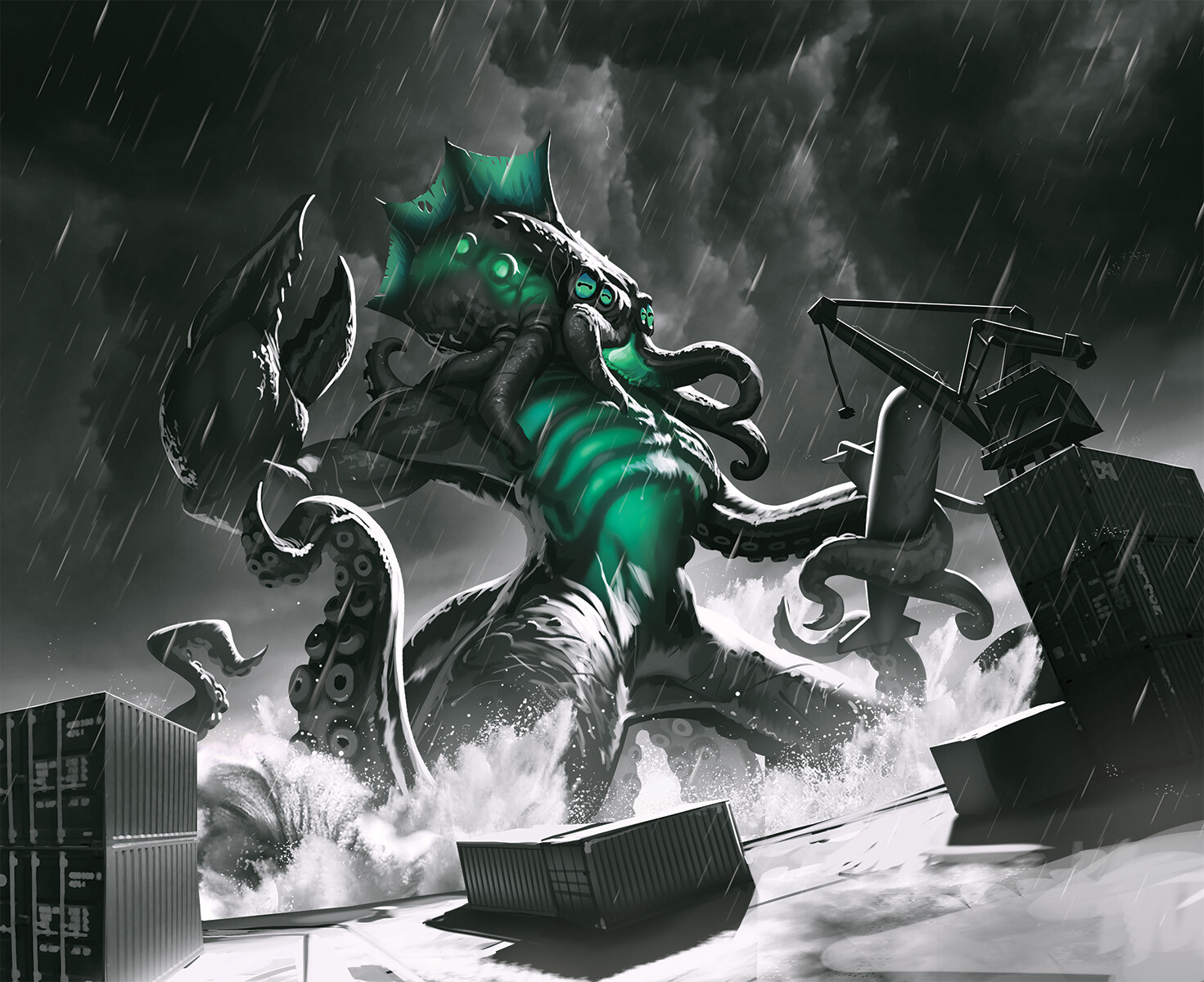
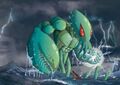 Kraken artwork
 -
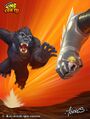
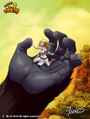
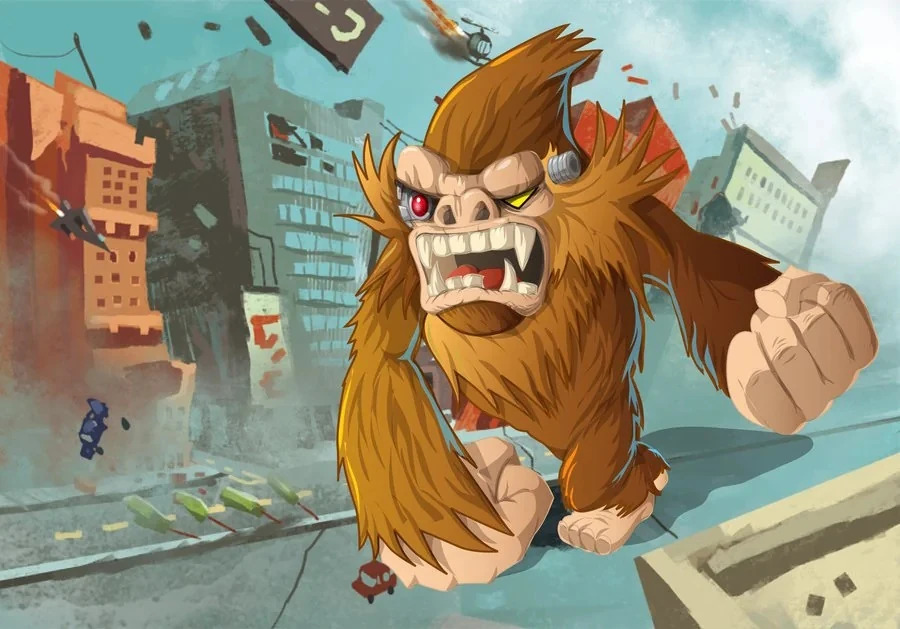
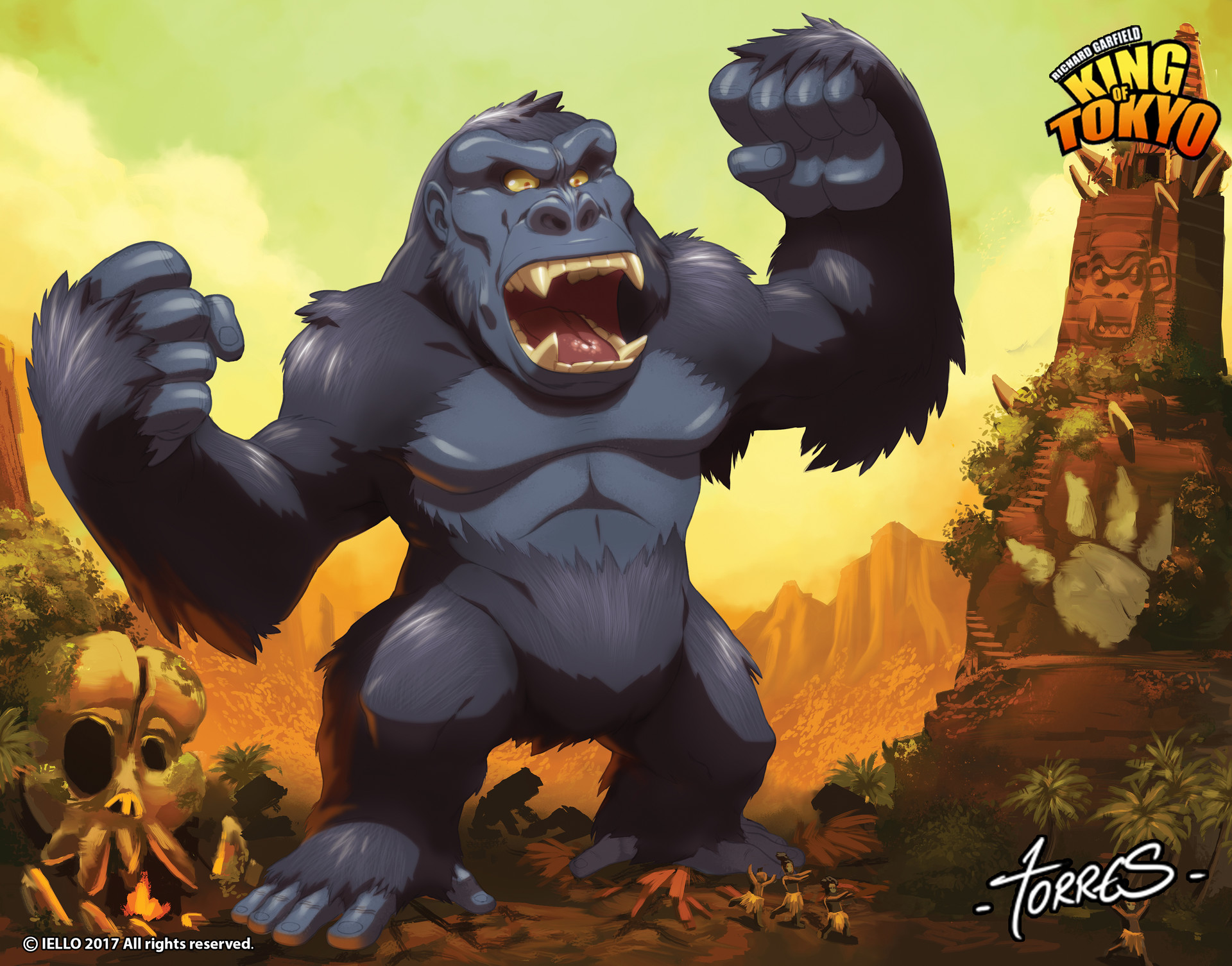
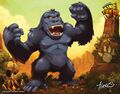 King Kong artwork by Regis Torres
 -
-
-
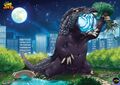 Draccus
 -
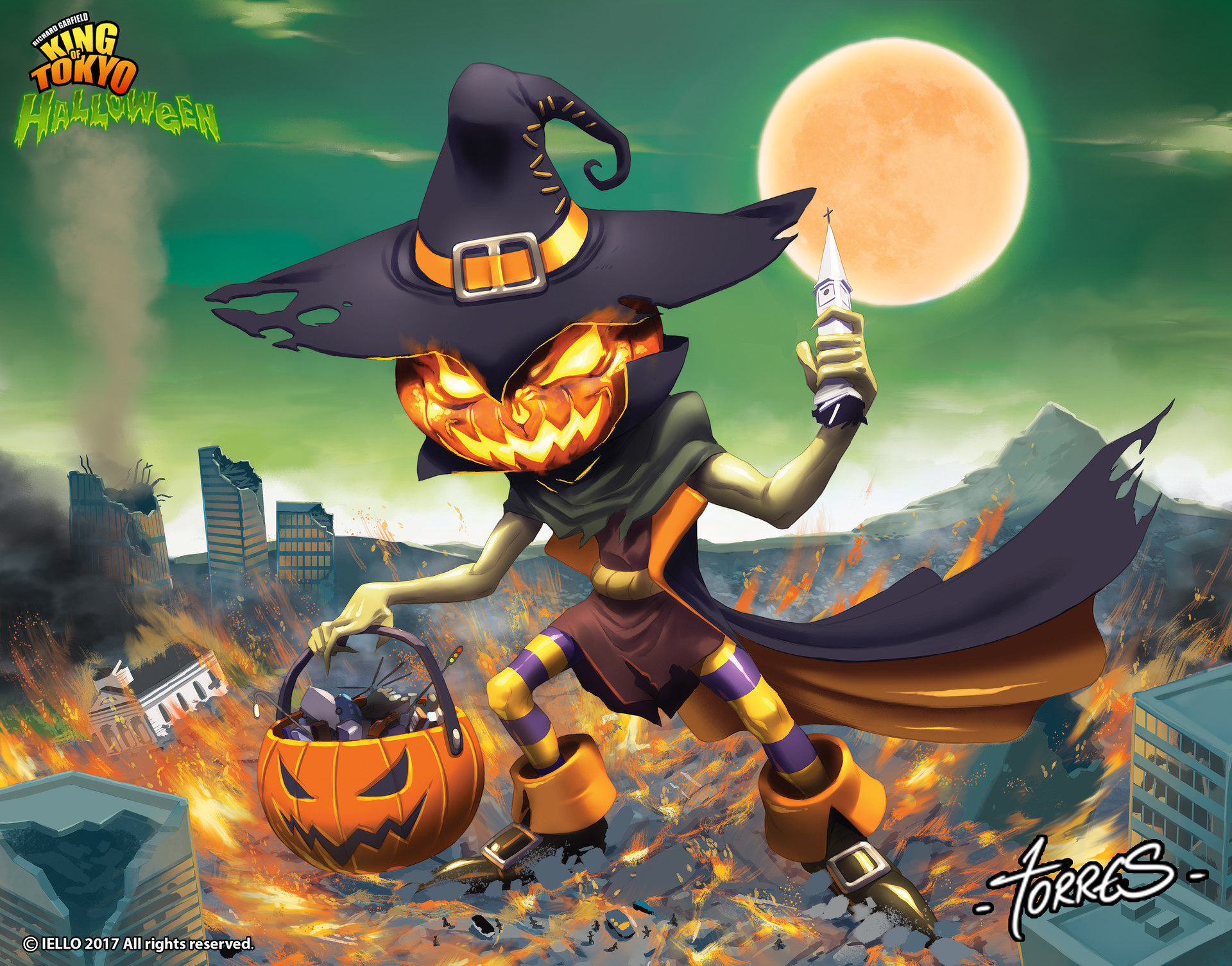
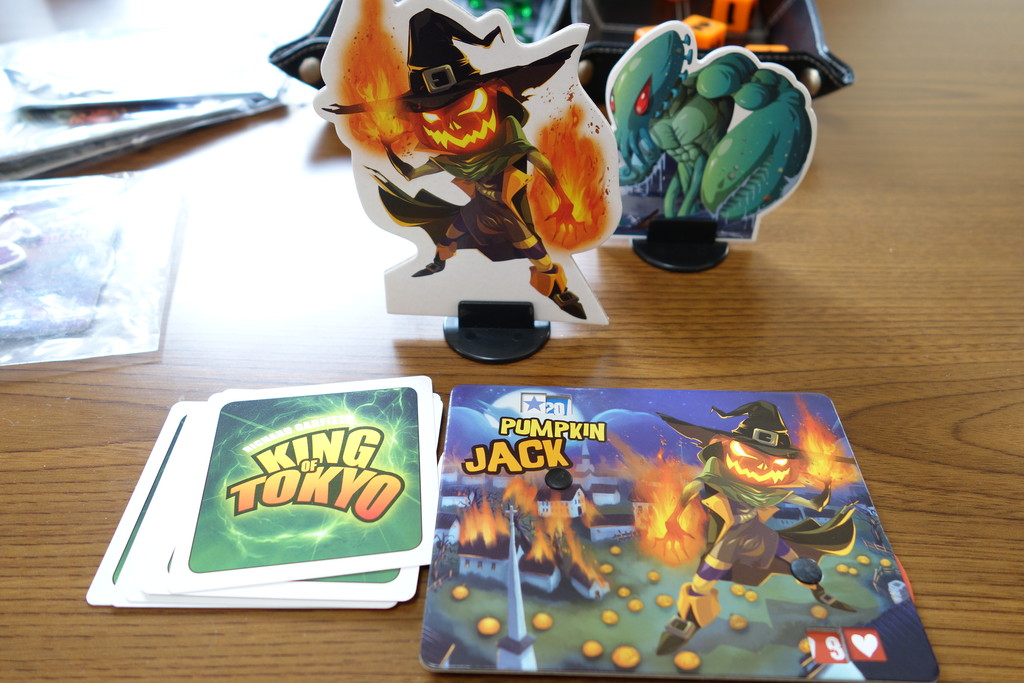
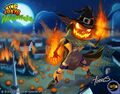 Pumpkin Jack
 -
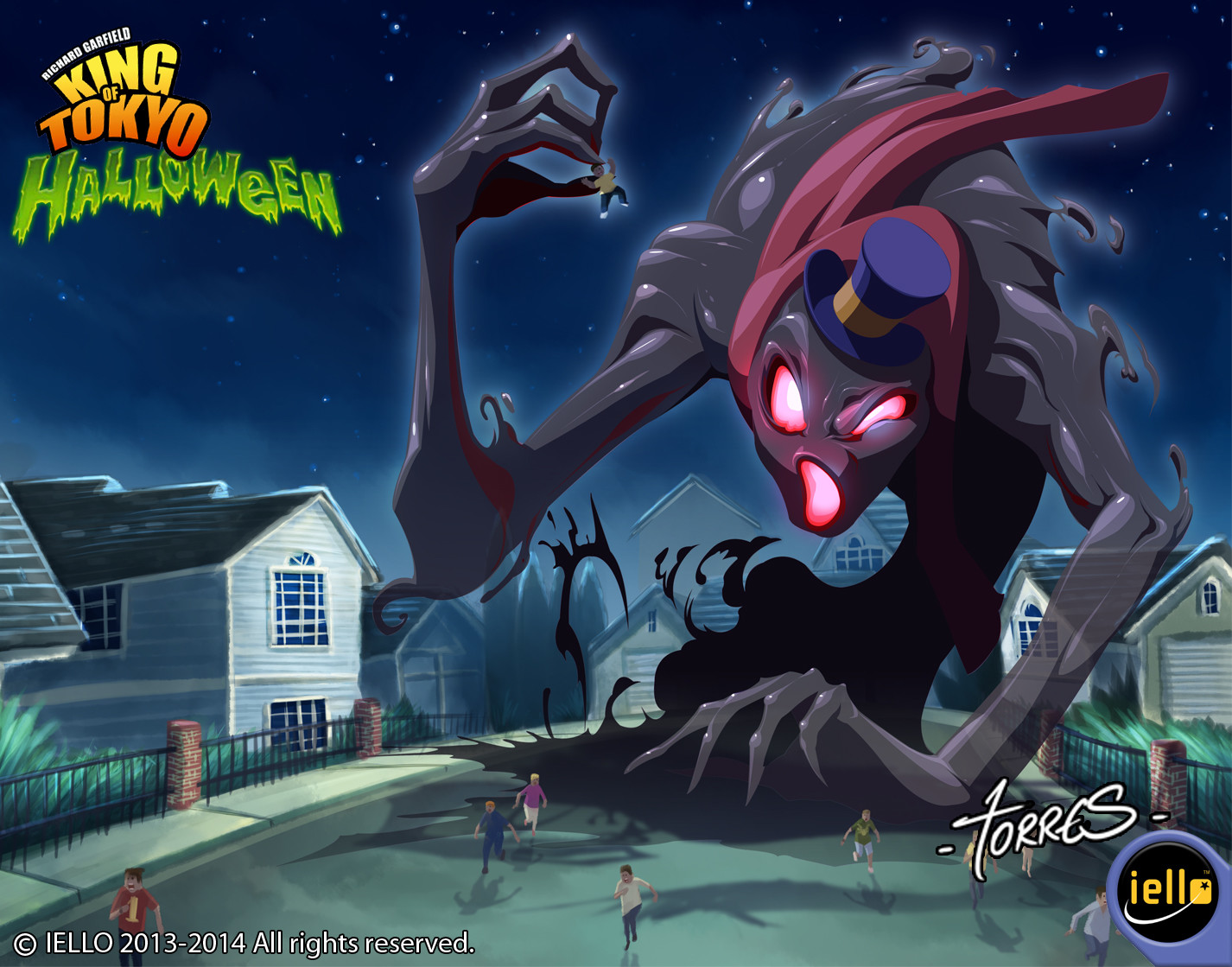
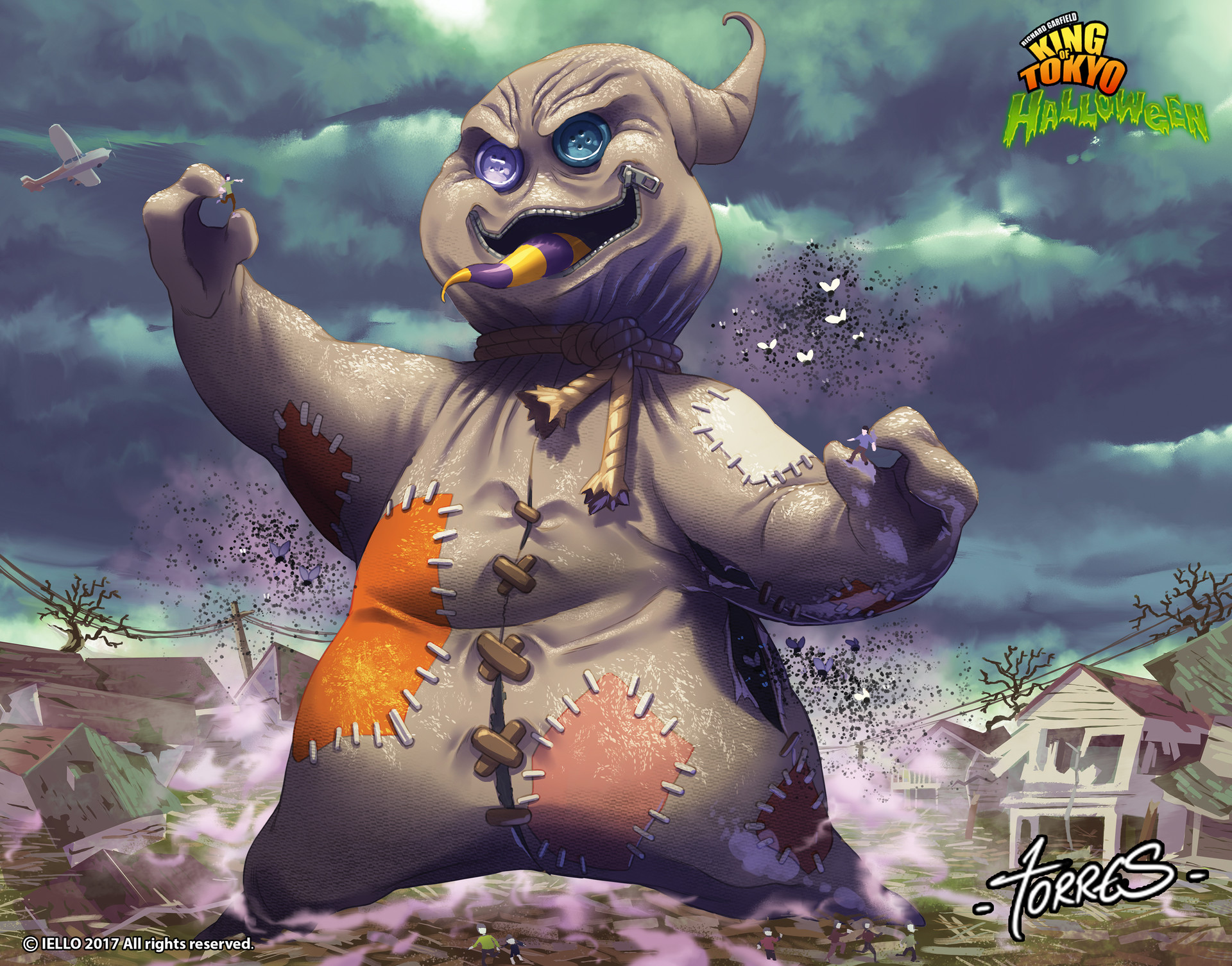
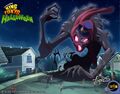 Boogie Woogie
 -
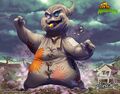 Boogie Woogie (2nd edition)
 -
 Pumpkin Jack (2nd edition)
 -
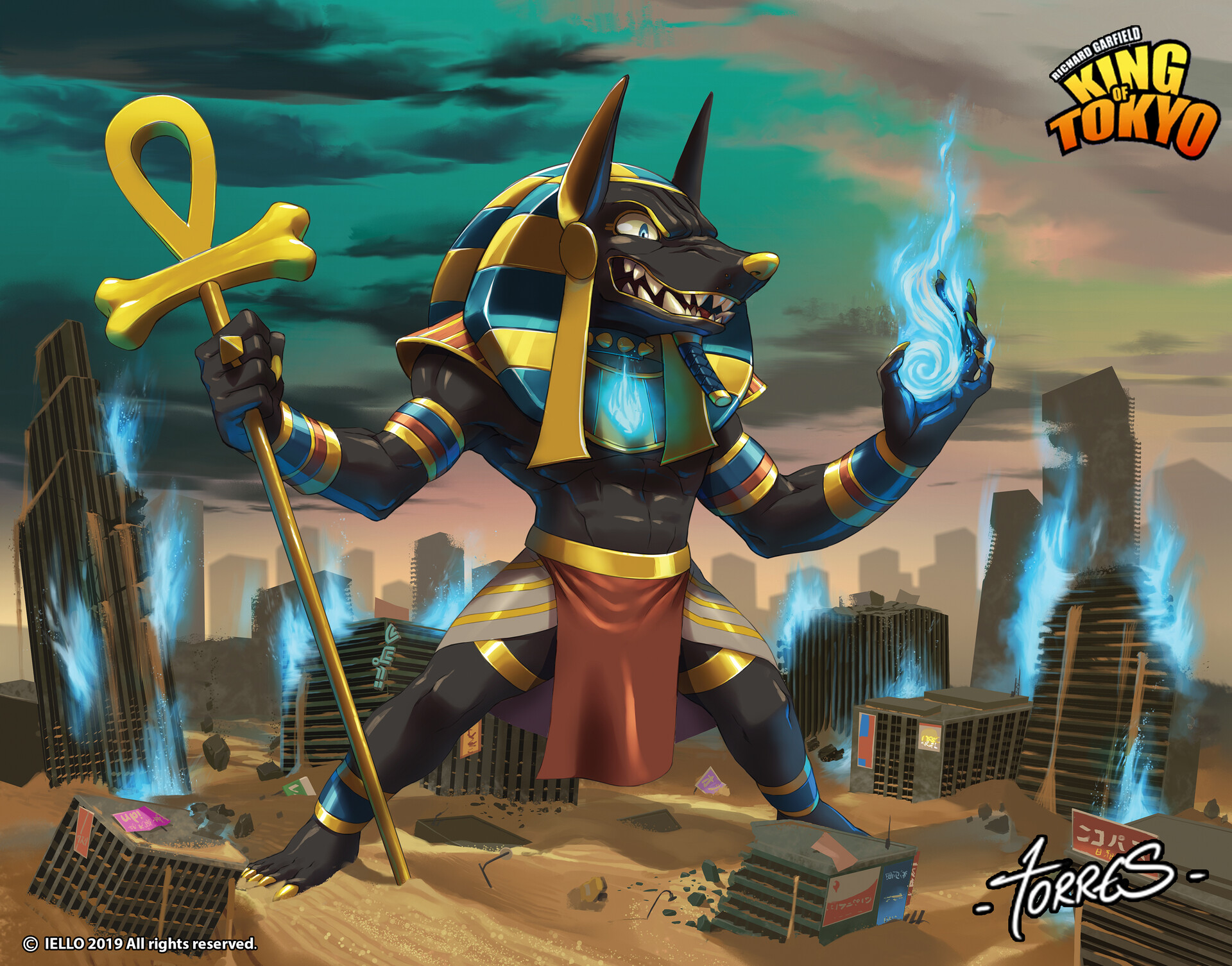
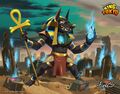 Anubis
 -
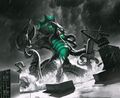 Dark Kraken artwork by Paul MafayonPRO
 -
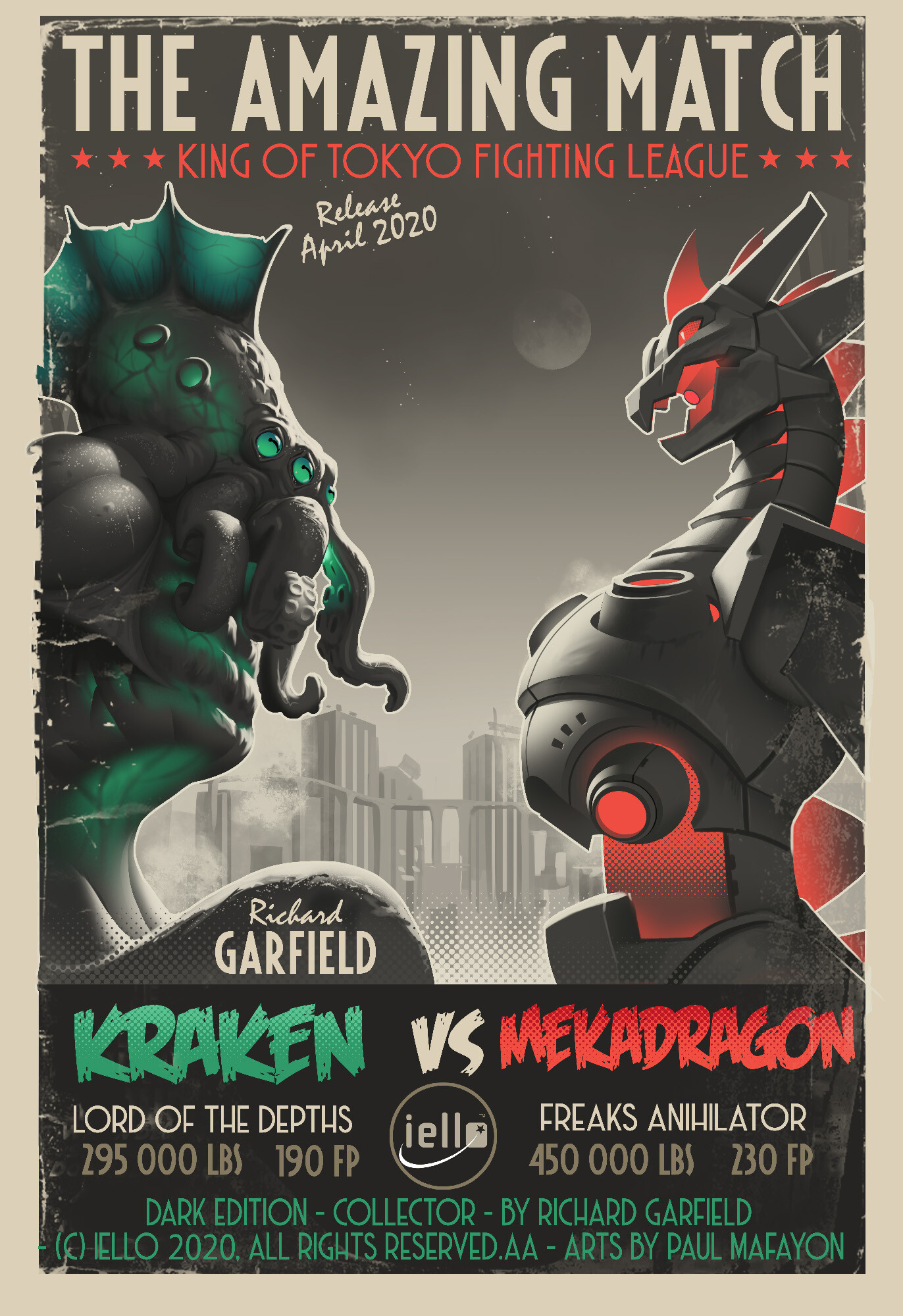
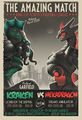 Dark Edition Kraken vs. MekaDragon poster
 -
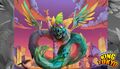 Quetzalcoatl artwork by PATONEGRO
 -
-
-
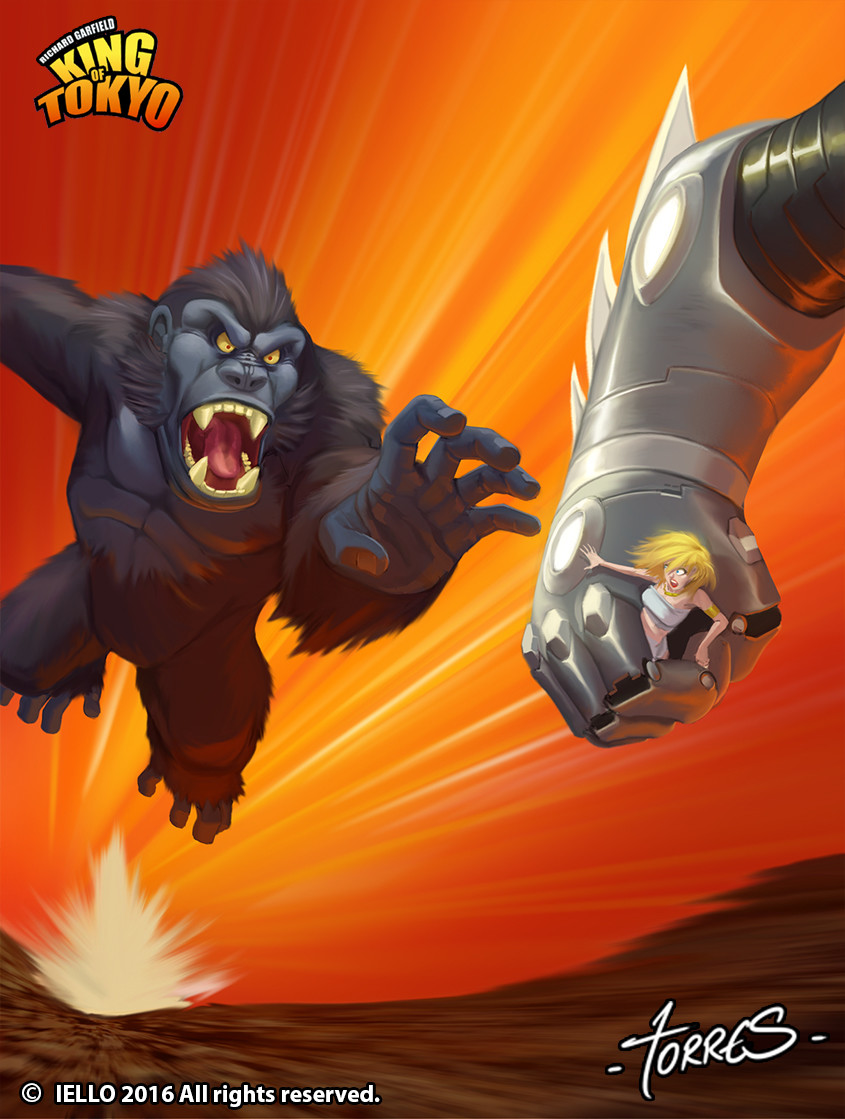
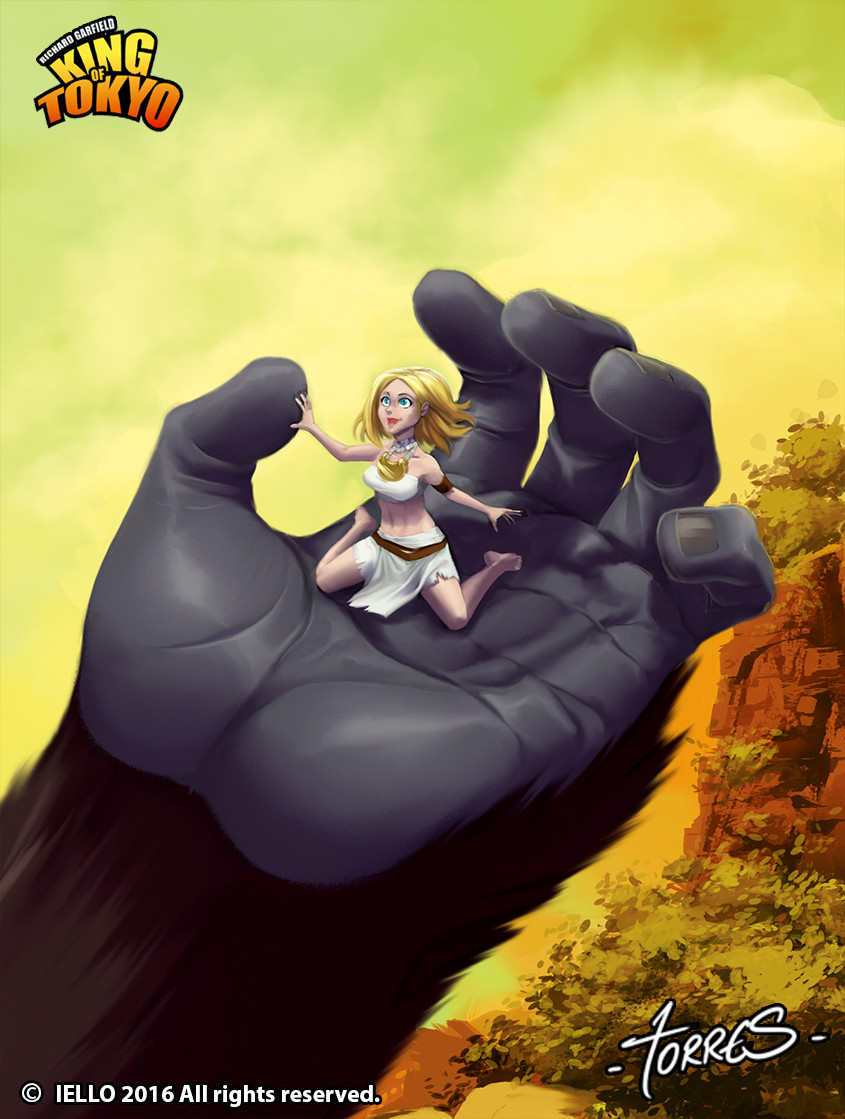
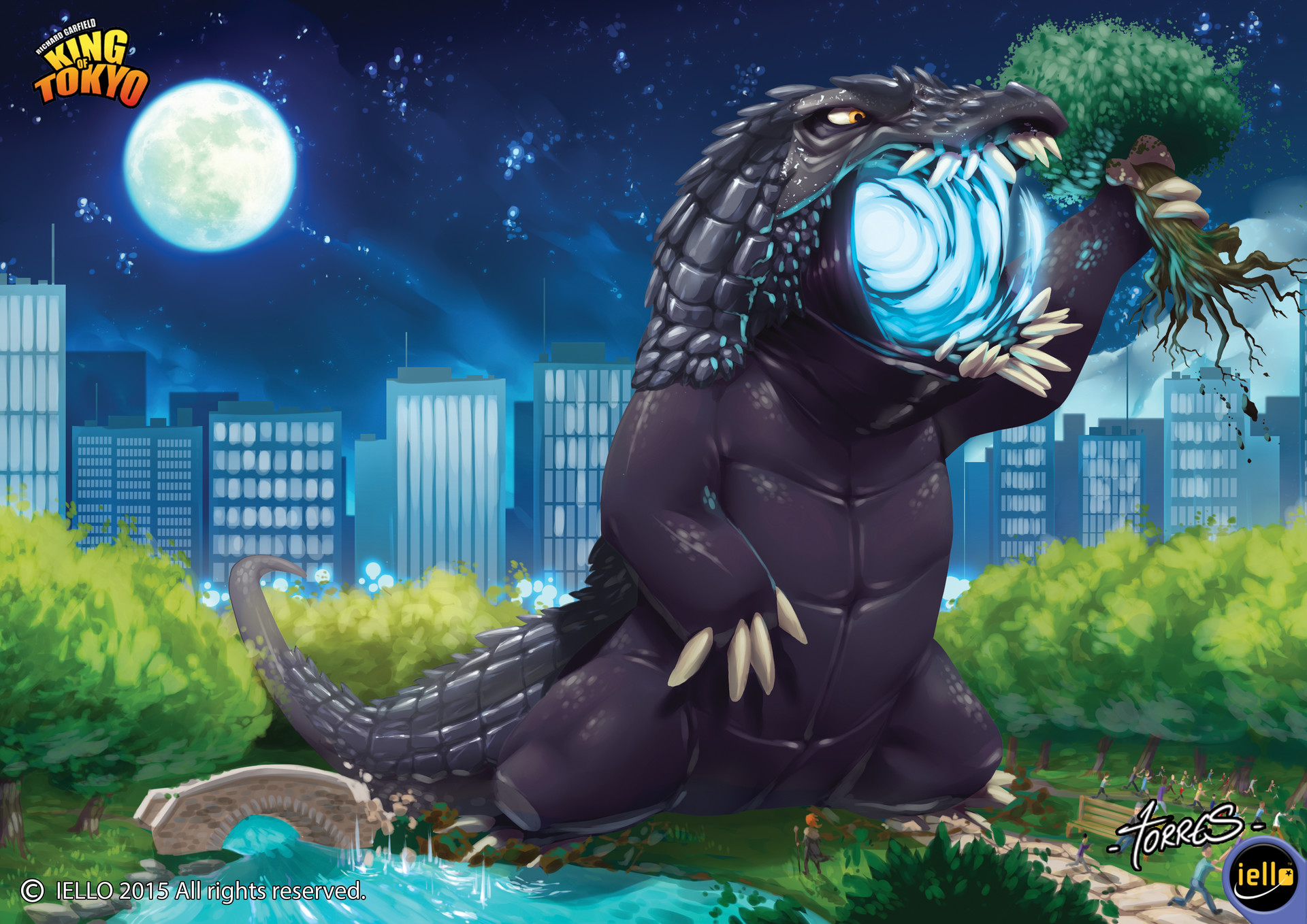
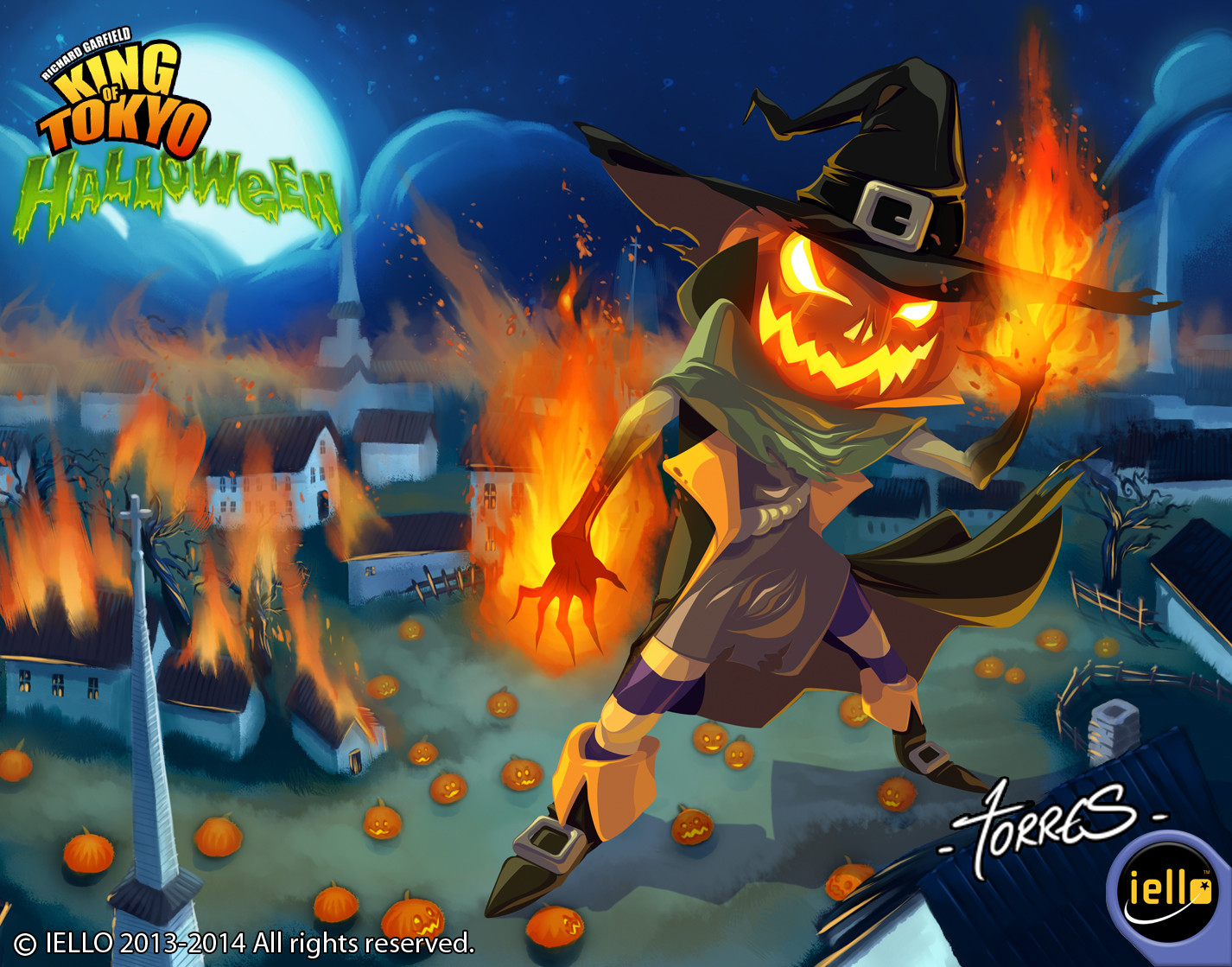
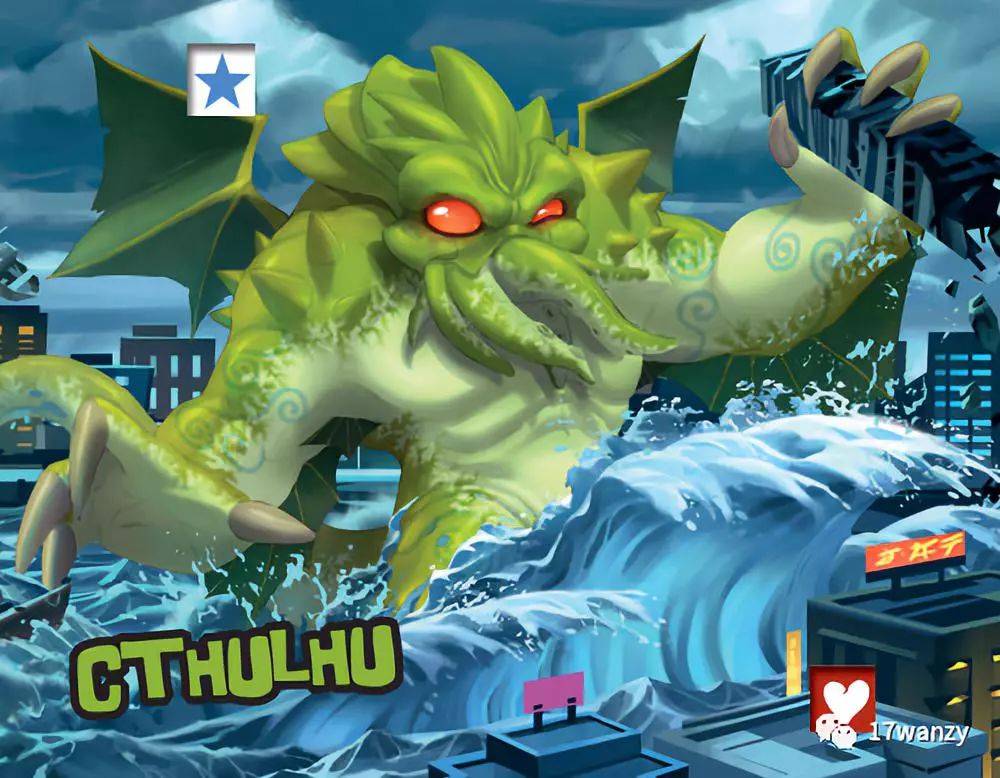
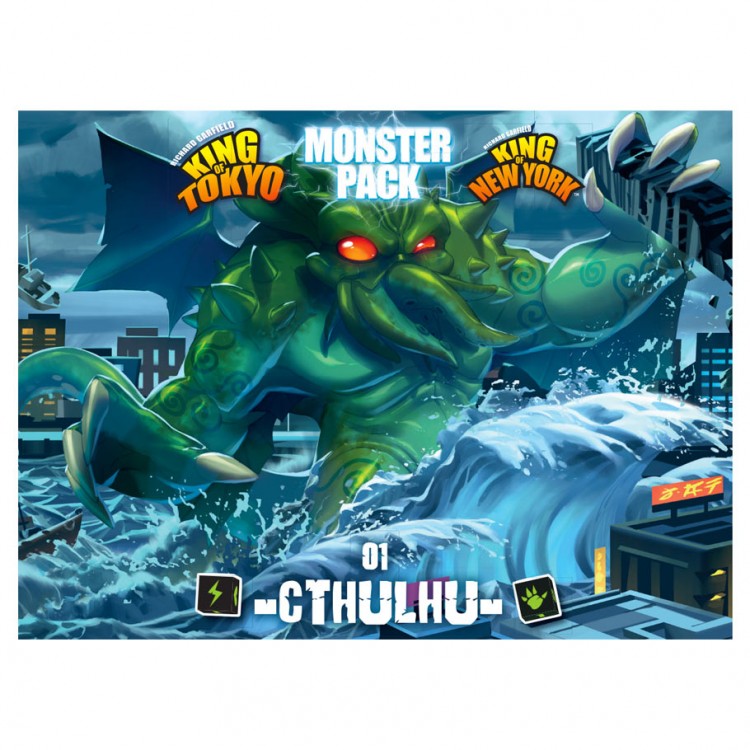
Promotional
-
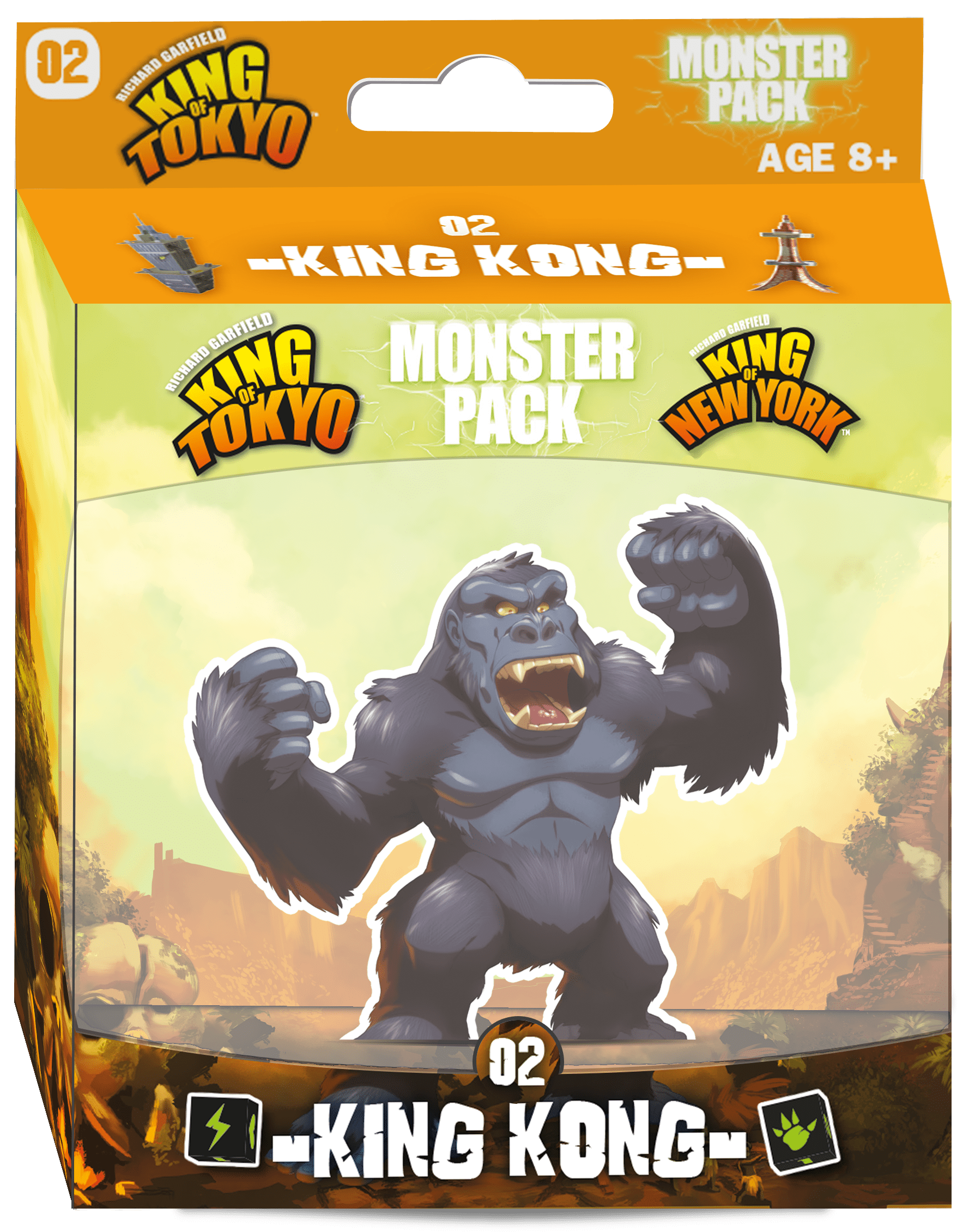
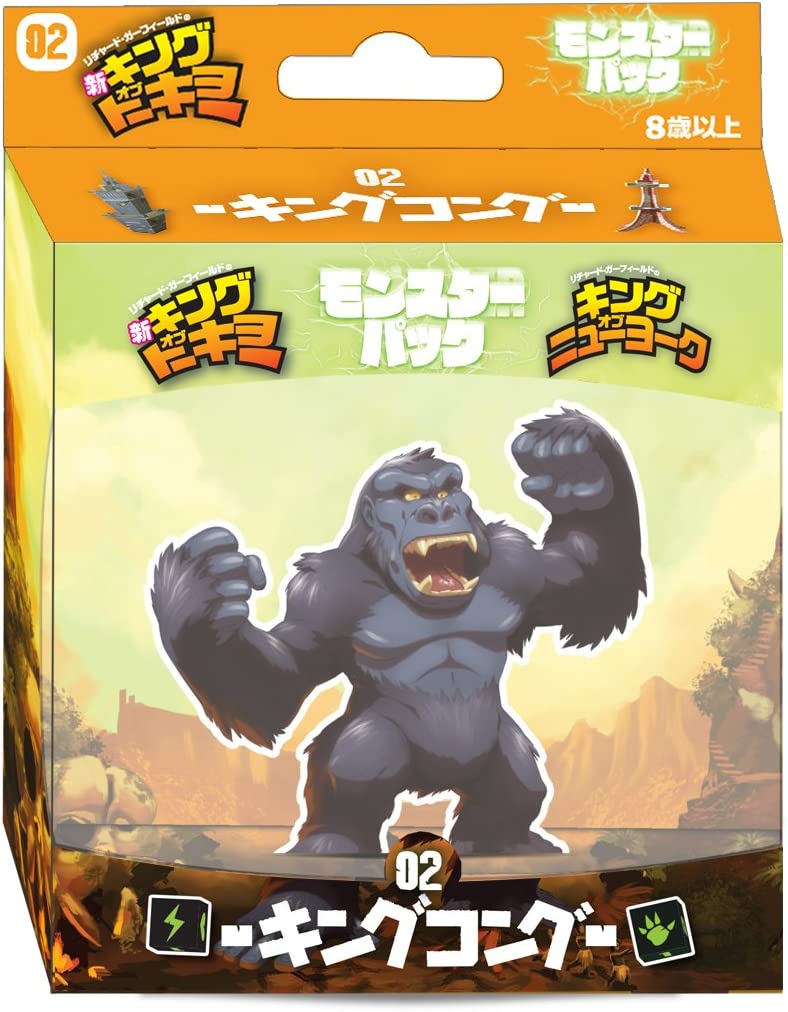
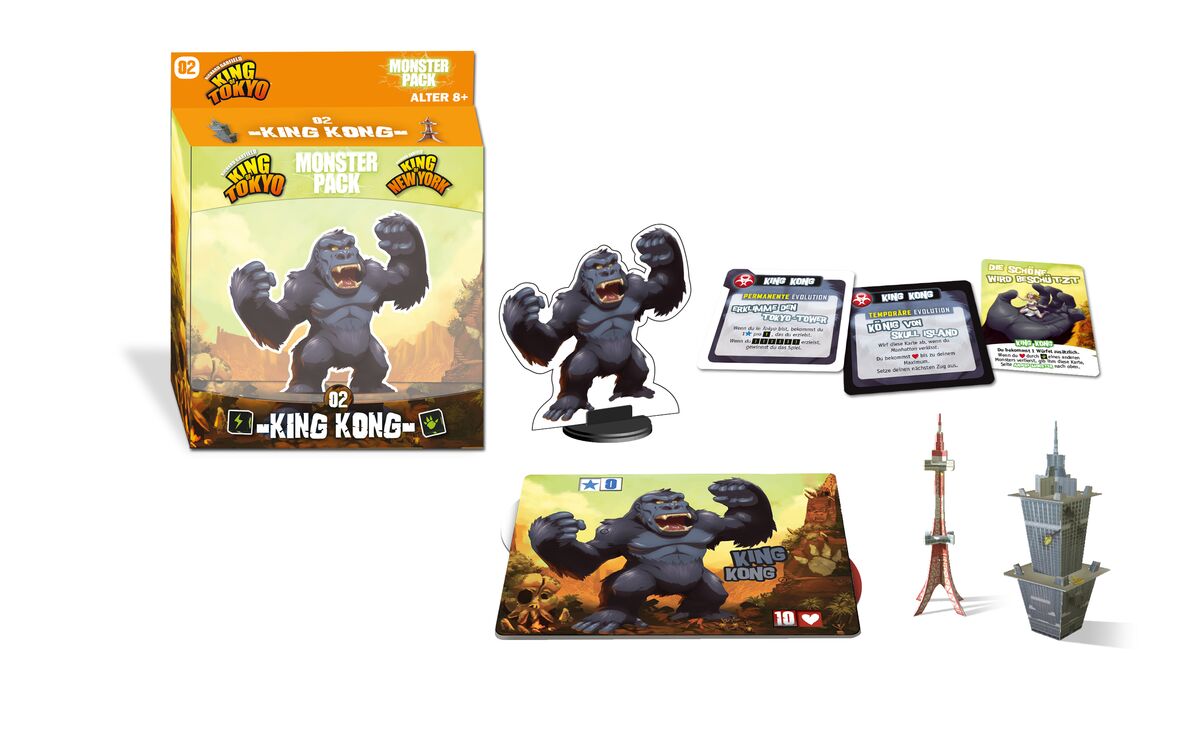
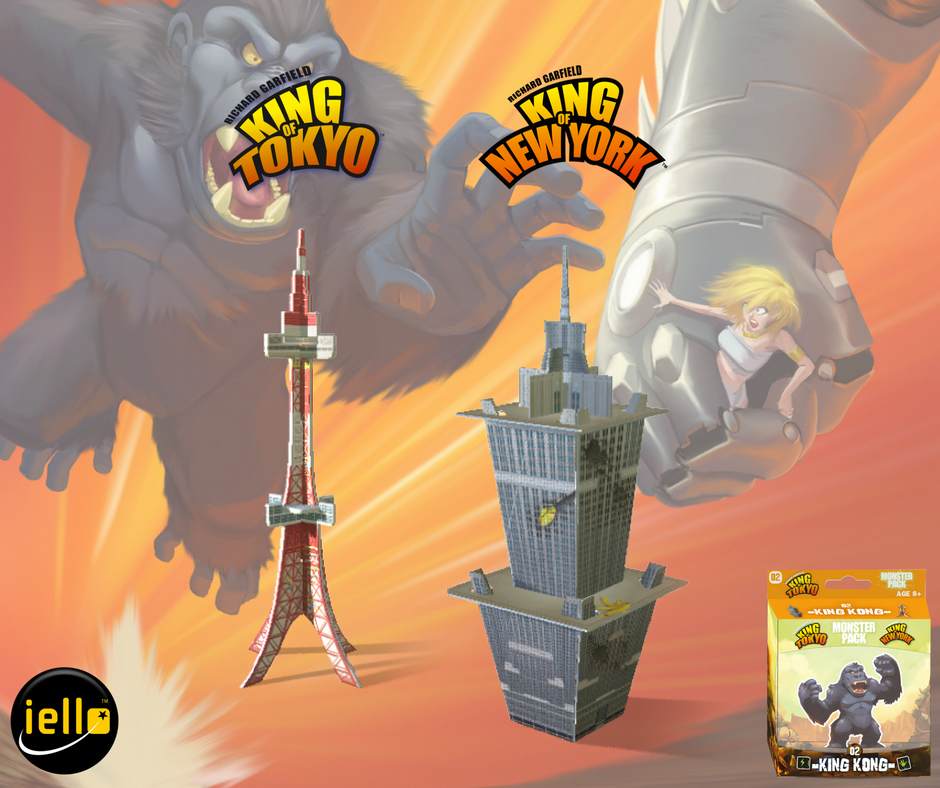
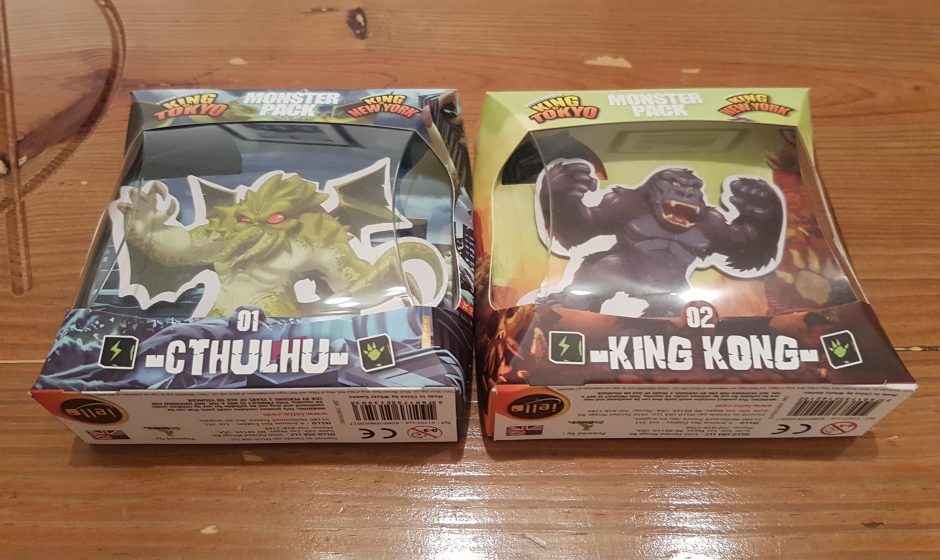
 King Kong packaging
 -
 Japanese King Kong packaging
 -
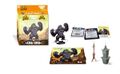
-
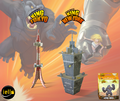
-
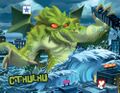
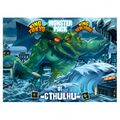
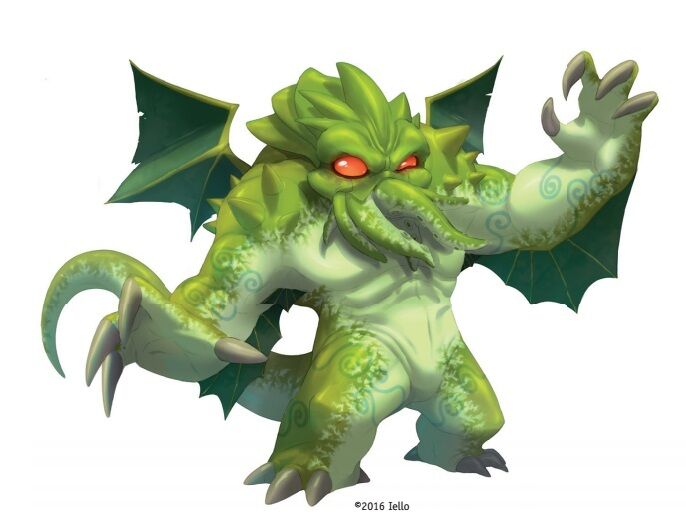
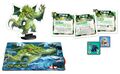
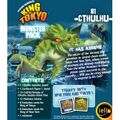
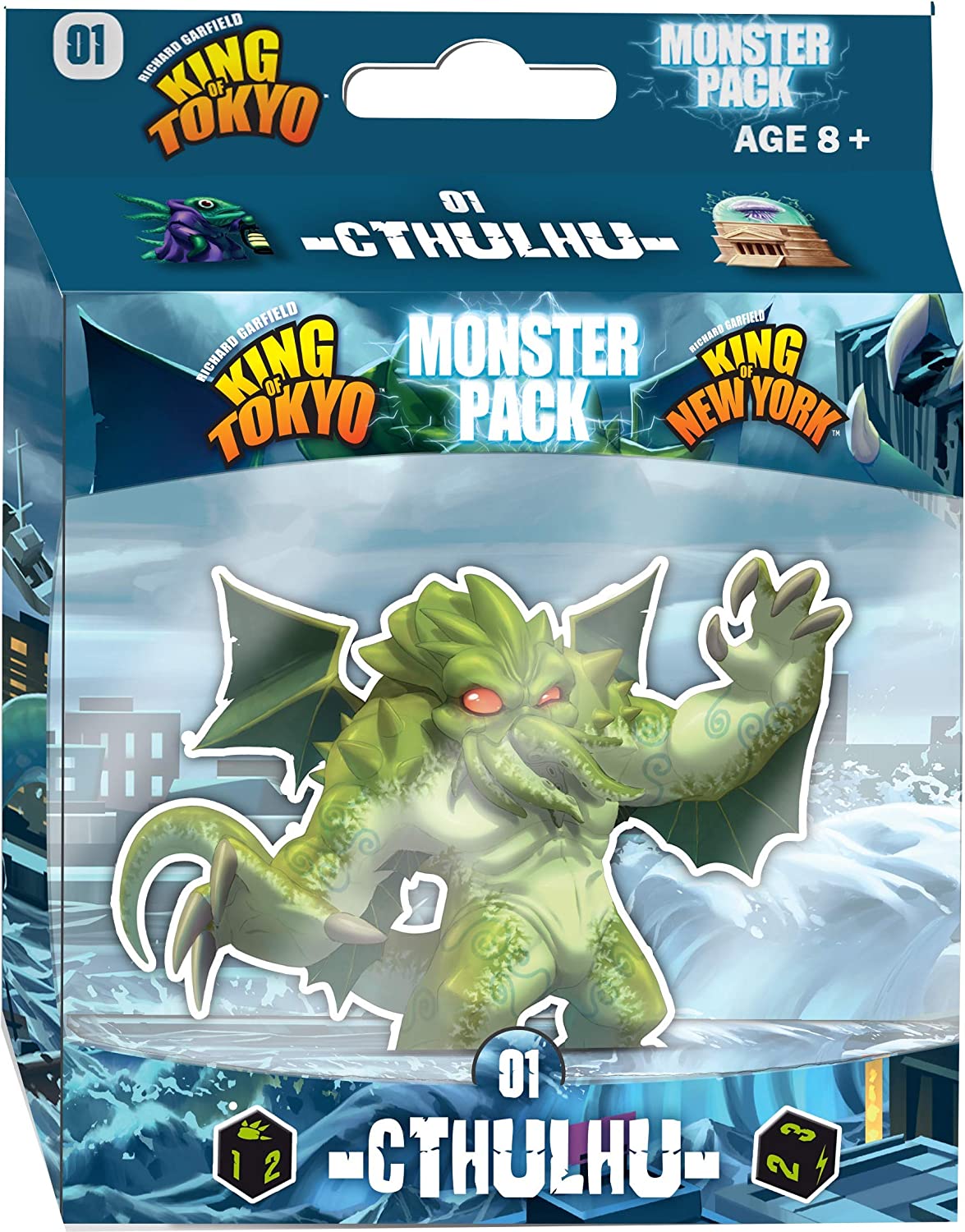
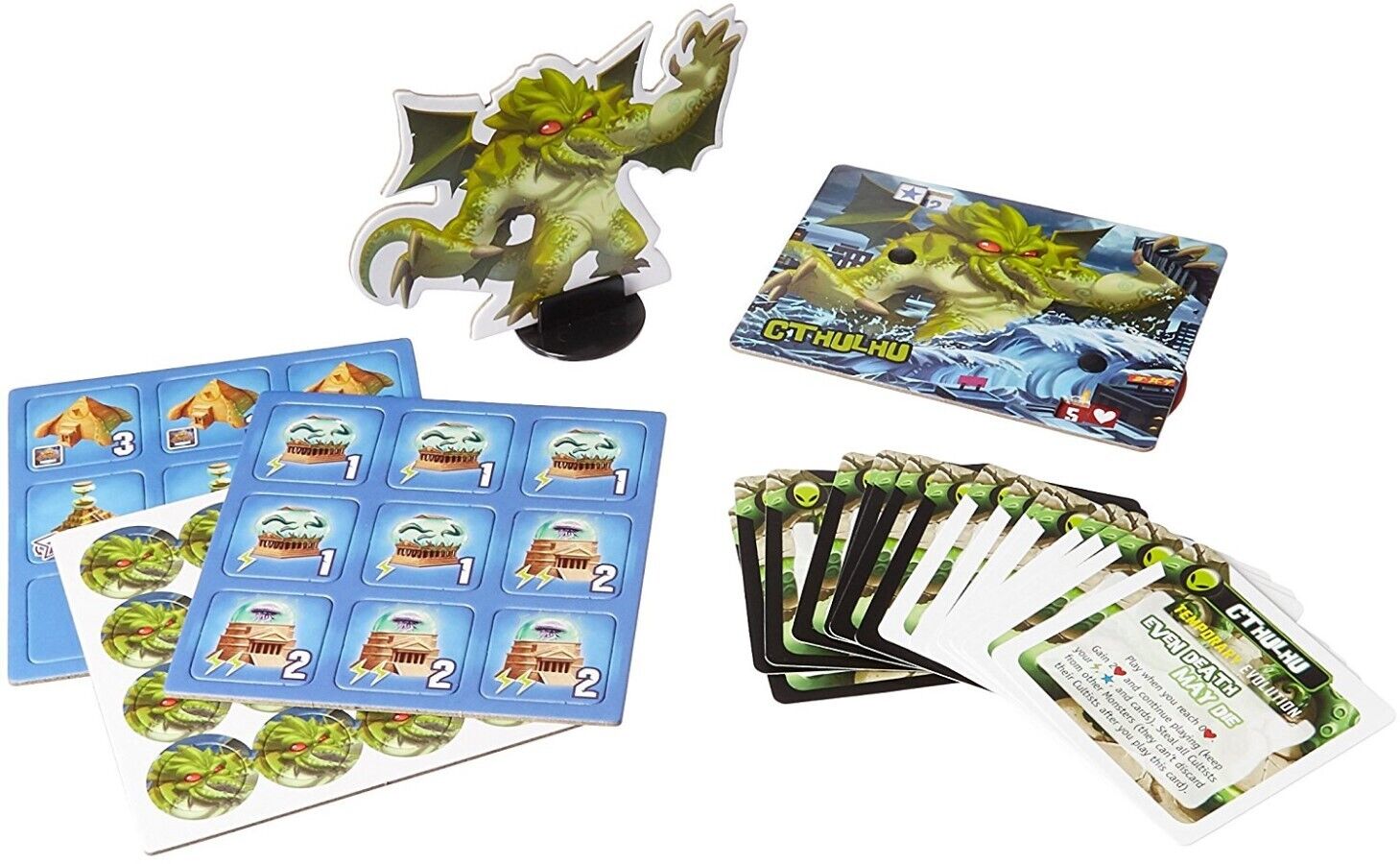
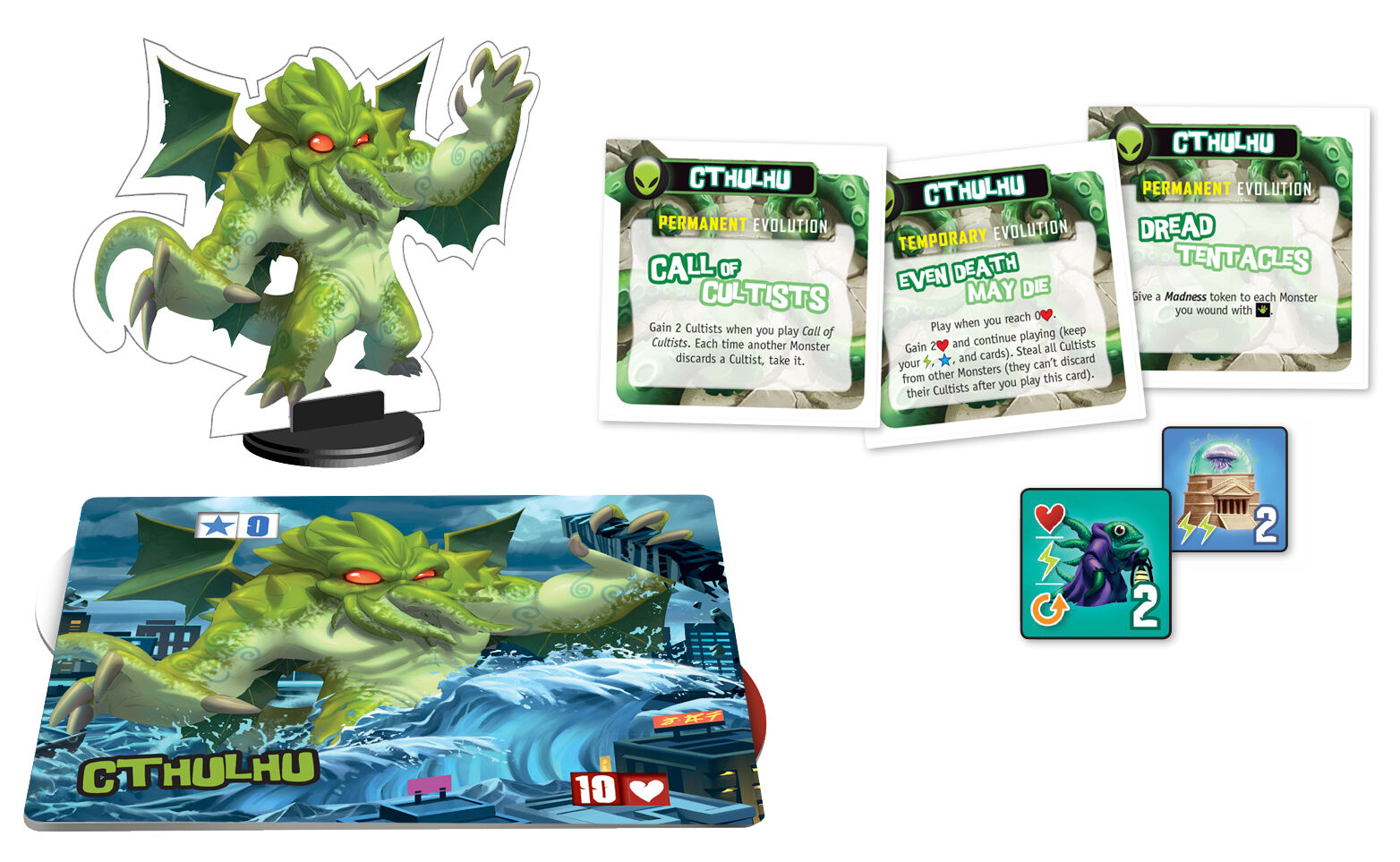
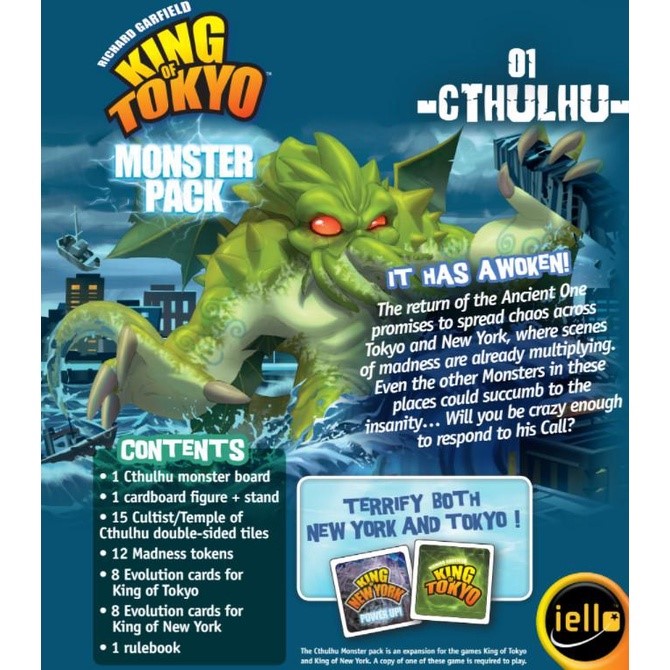
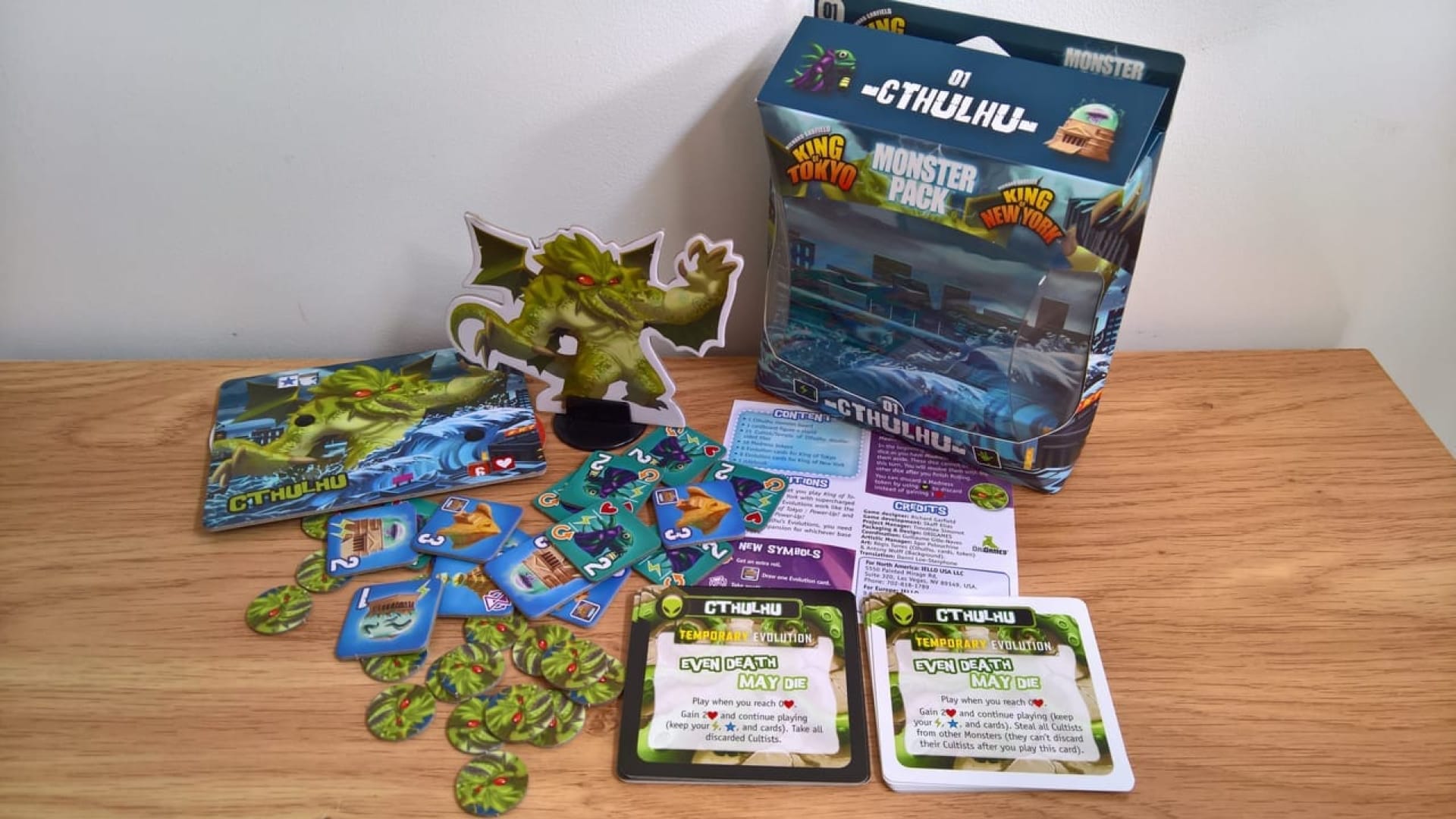
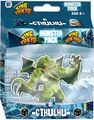 Cthulhu packaging
 -
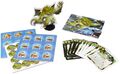
-
-
-
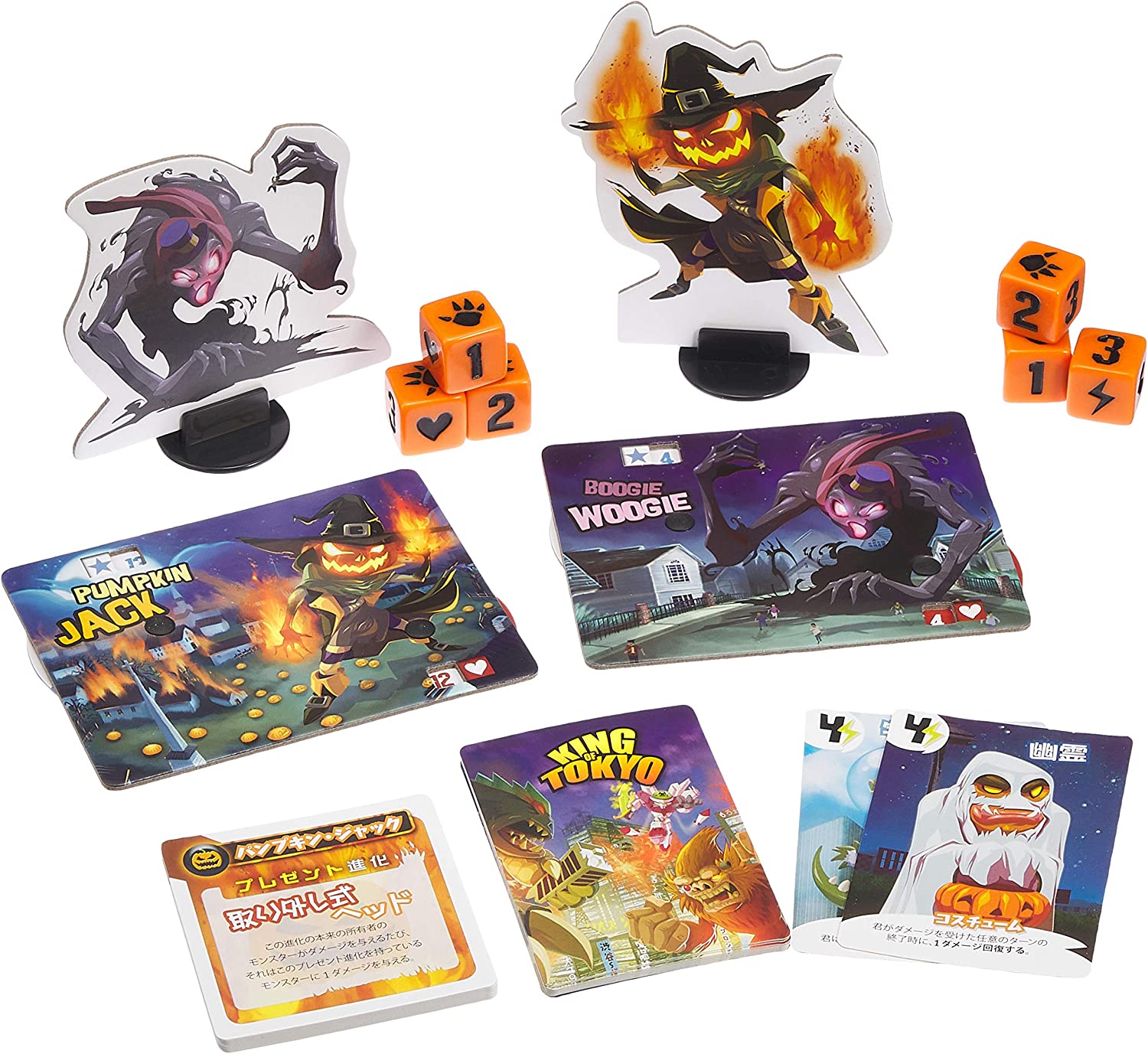
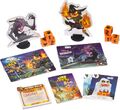 Pumpkin Jack and Boogie Woogie
Screenshots
-
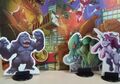
-
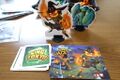 Kraken alongside Pumpkin Jack
 -
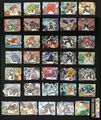
-
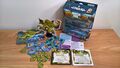
-
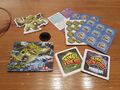
-
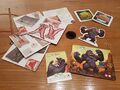
-
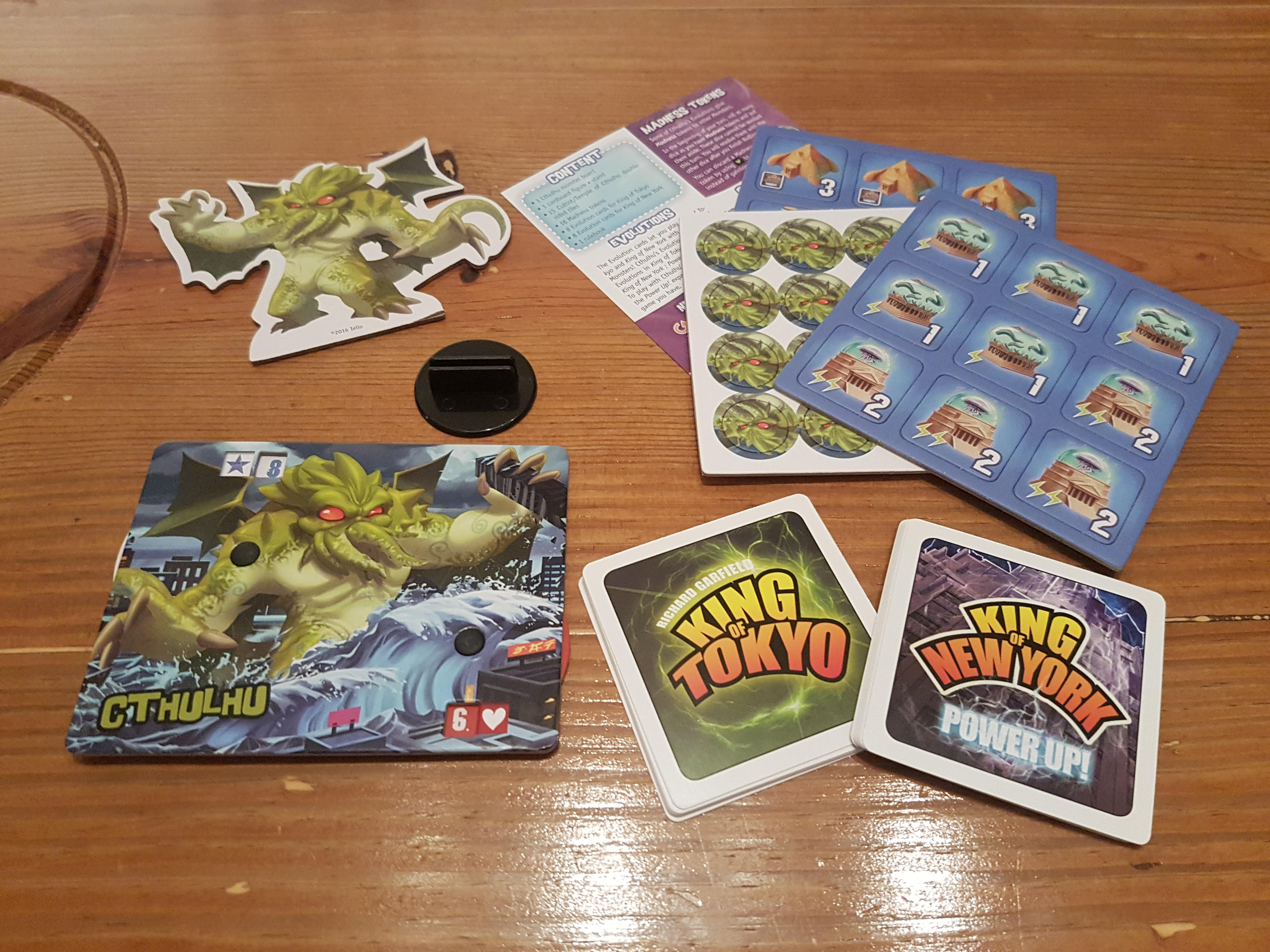
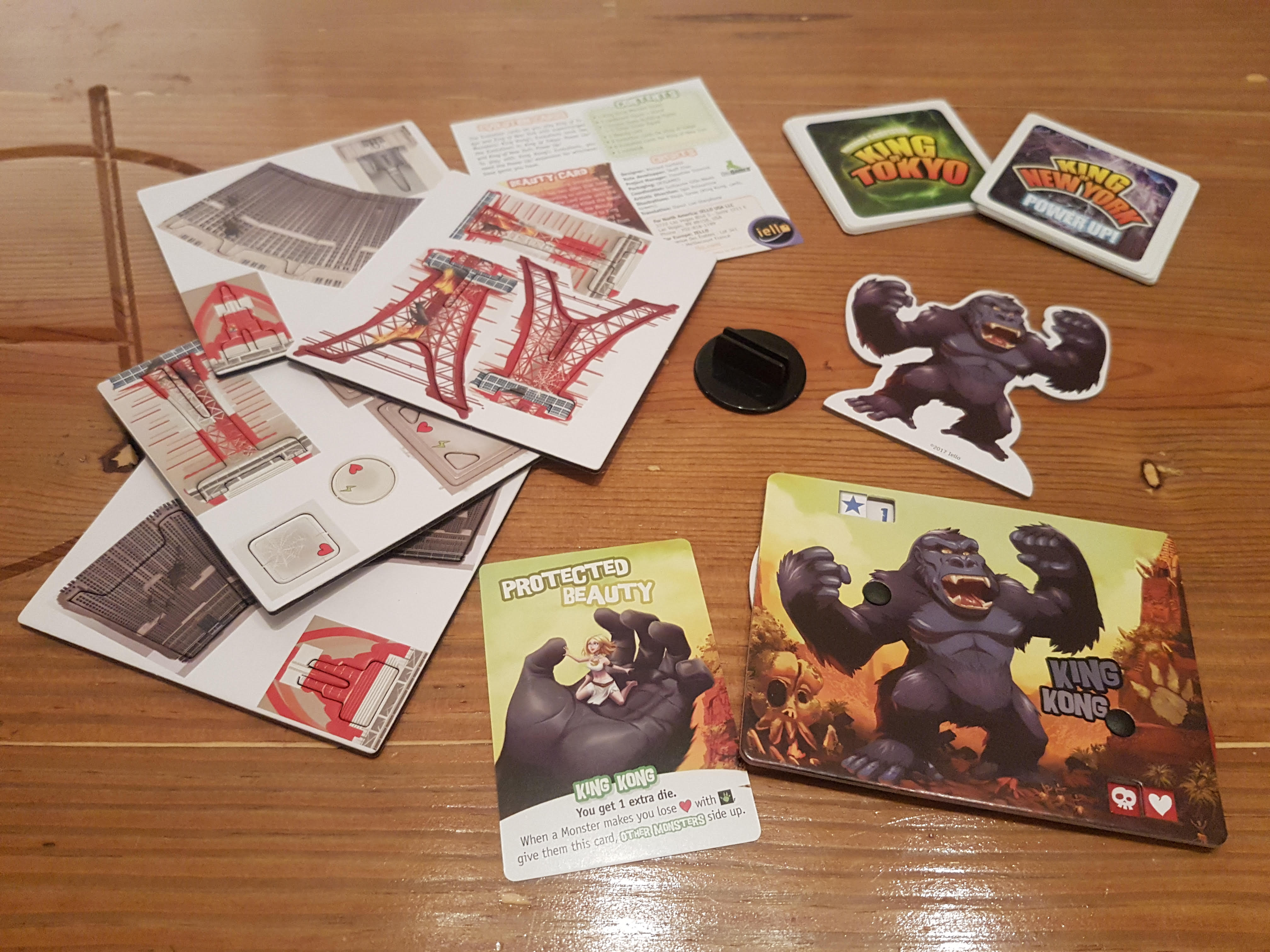
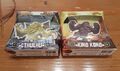 King Kong and Cthulhu
 -
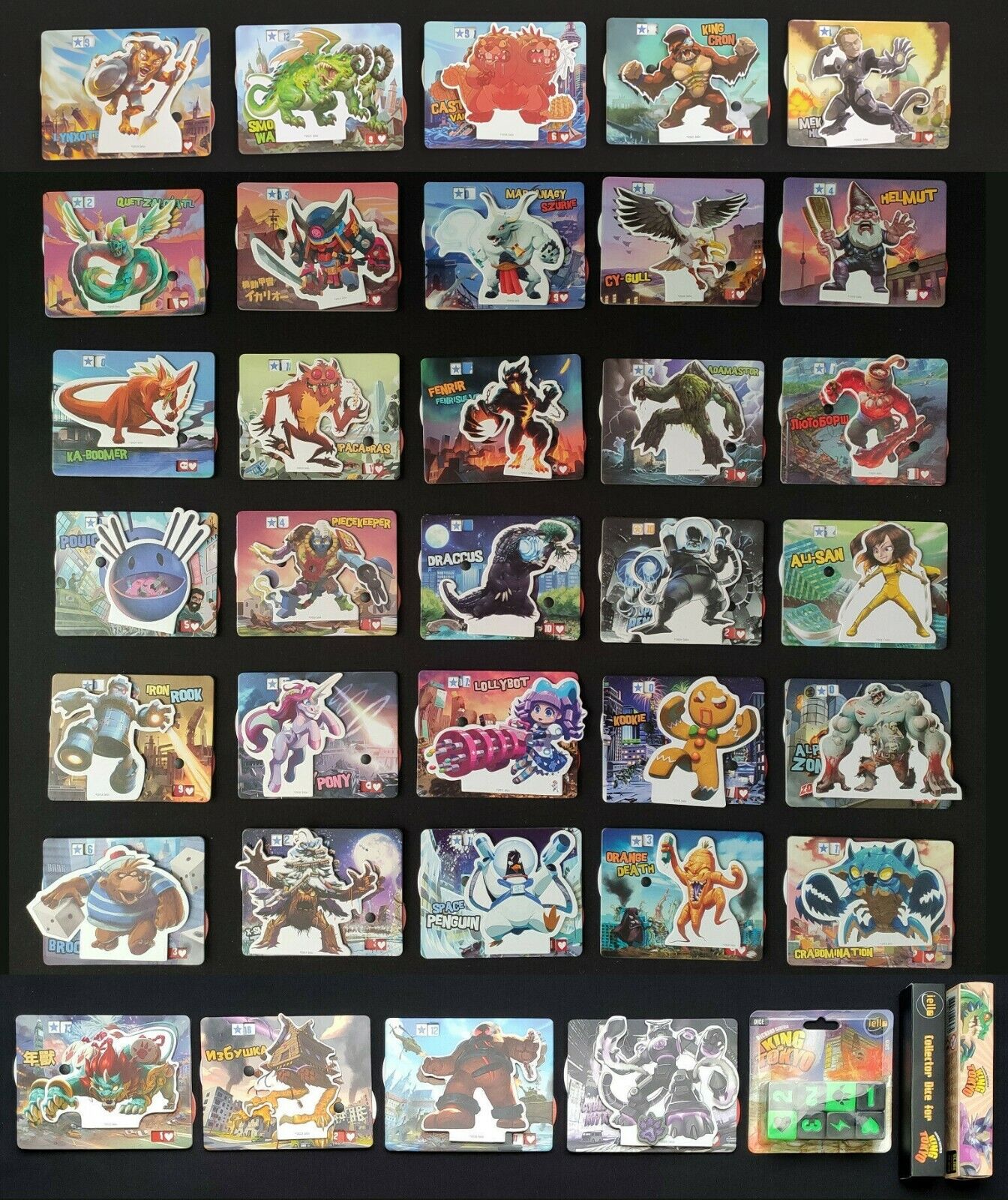
 King of Tokyo: Even More Wicked! counters
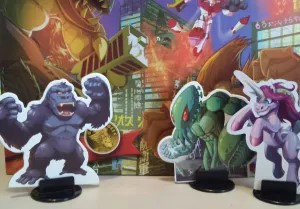
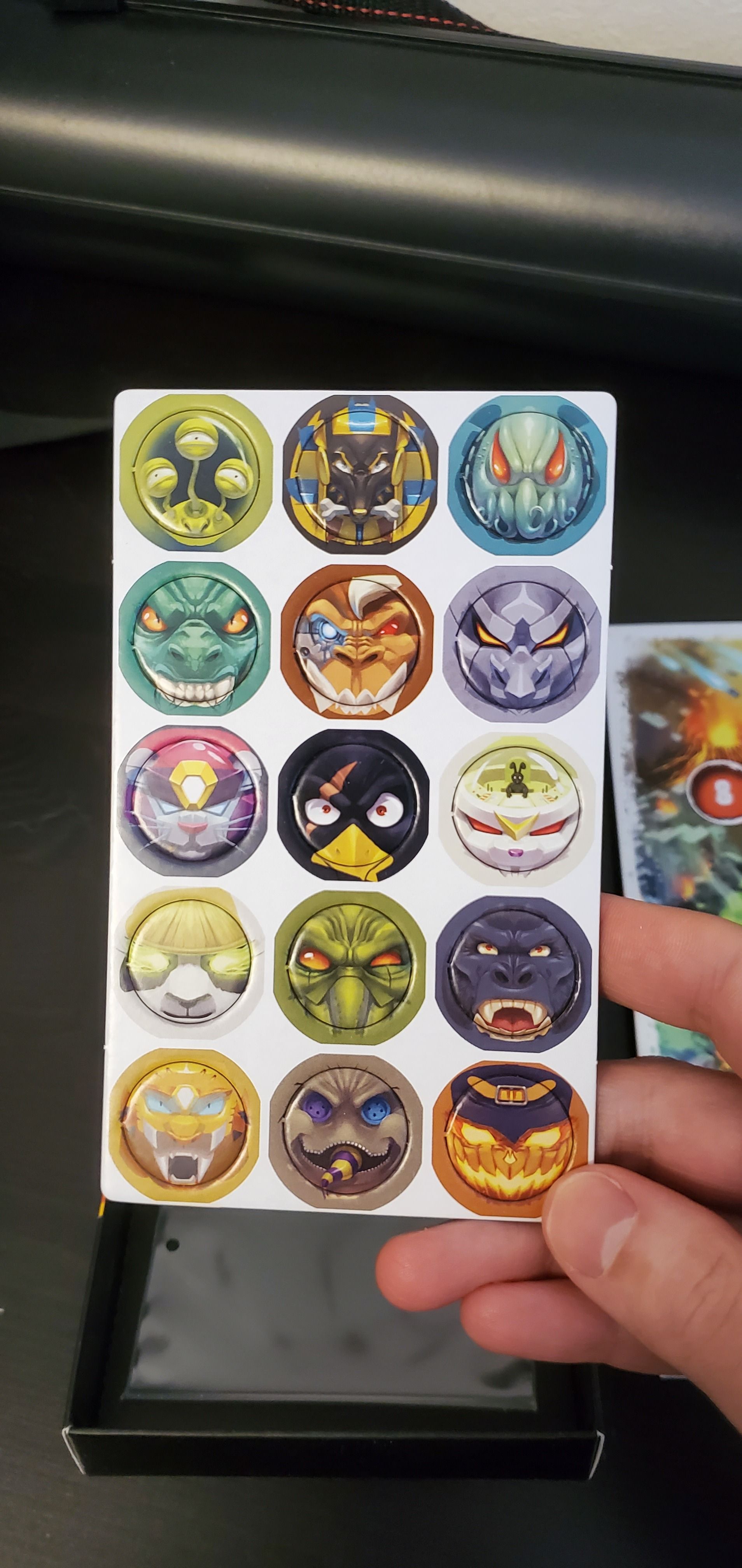
King of Tokyo: Godzilla
Promotional
-
 Box back cover
 -
Videos
Trailers
|
Tutorials
|
Trivia
- King Kong, Kraken, Cthulhu, and Chupacabra all subsequently appeared in Funko's mobile game Funko Pop! Blitz, which also featured Godzilla and Mechagodzilla.
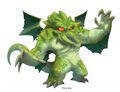
- Kraken's appearance was inspired by Cthulhu, having a humanoid body and several tentacles which hang down from its mouth area.
- Brockenbär was based on the character used in the Heidelbärger Spieleverlag logo, a German game publisher.[citation needed]
- The Pouic Monster was based on the Tric Trac logo, a French-speaking website dealing with board game news that was created in 2000, but closed in 2022.[citation needed]
- Alpha Zombie is a crossover promotional character based on the boss monster from the Zombie 15' board game, also by IELLO, that was offered as a "sweetener" to everyone backing Zombie 15' during its 2014 Kickstarter campaign.[2]
- Ali-San was based on the actress and television correspondent Alison Haislip.[citation needed]
- Meka Hunter and King Cron were a set of two promo characters funded through Spieleschmiede, and generated to support Berlin Brettspiel Con during the COVID-19 pandemic.[citation needed]
Eternal links
References
This is a list of references for King of Tokyo. These citations are used to identify the reliable sources on which this article is based. These references appear inside articles in the form of superscript numbers, which look like this: [1]
|
Comments
Showing 15 comments. When commenting, please remain respectful of other users, stay on topic, and avoid role-playing and excessive punctuation. Comments which violate these guidelines may be removed by administrators.

|

|

|

|

|

|

|