

Pachimon
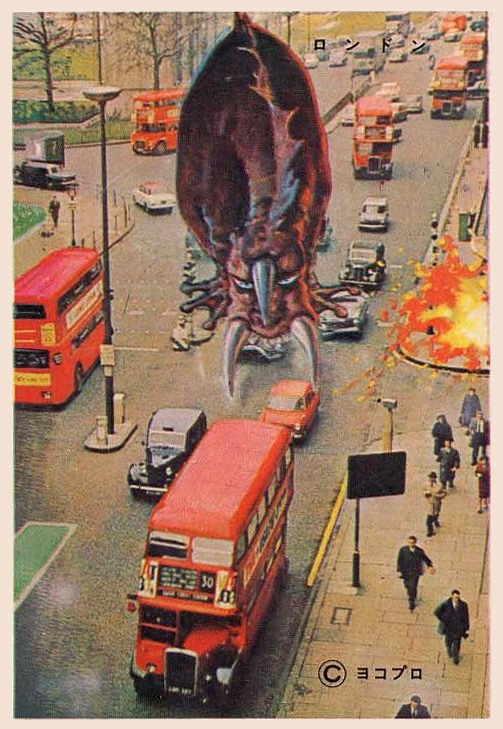
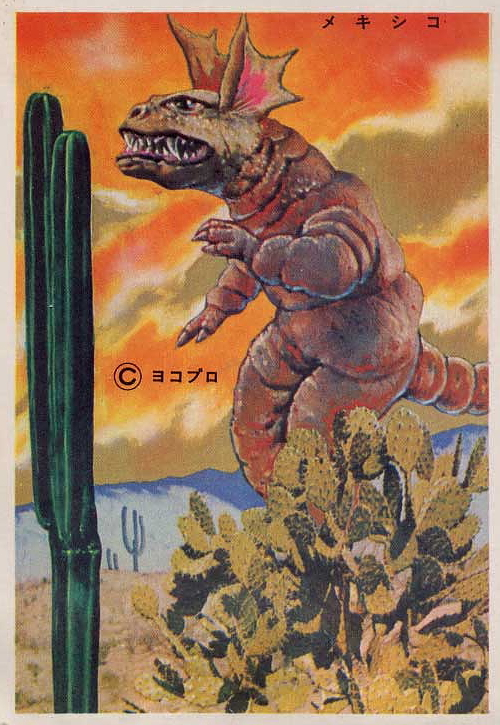
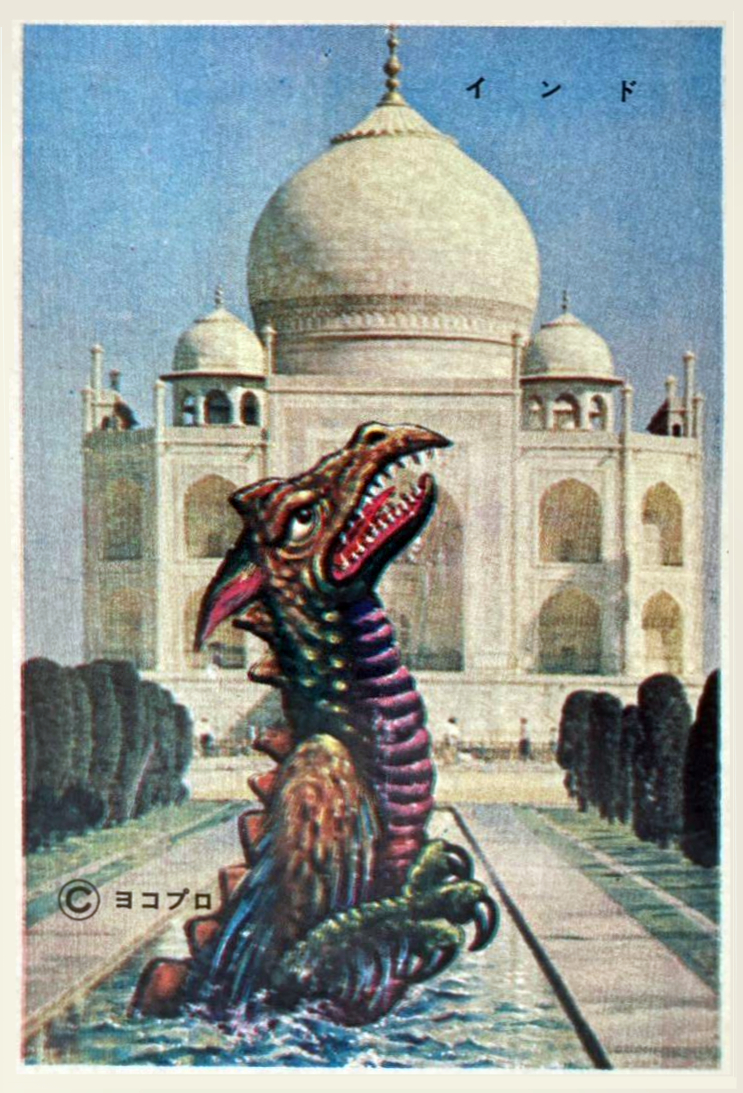
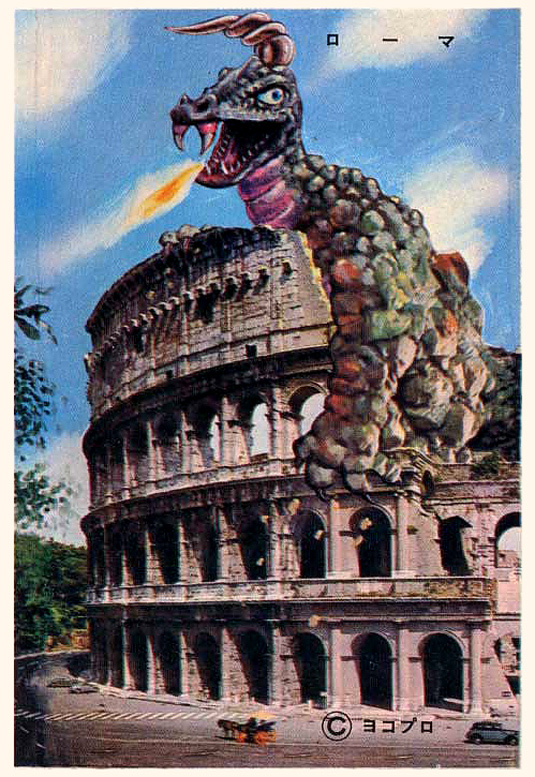
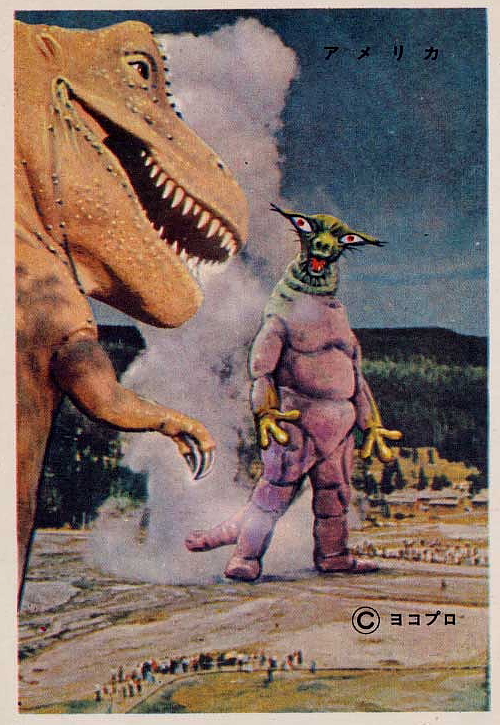
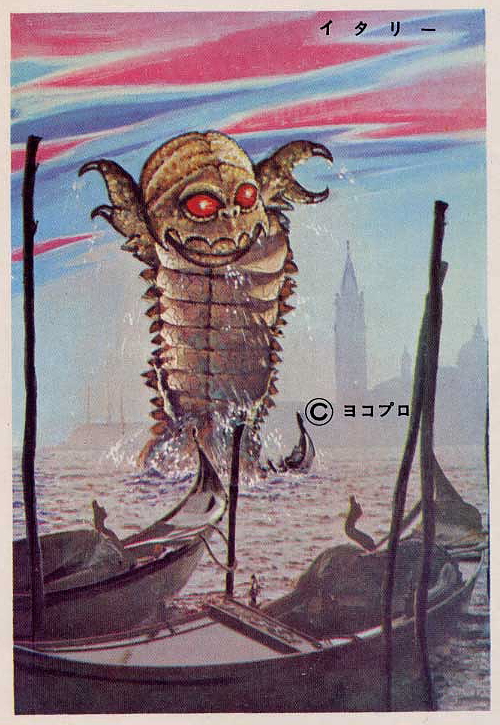
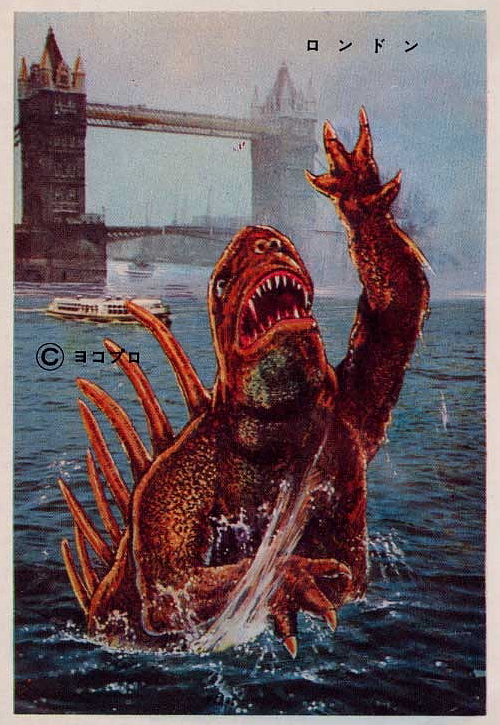
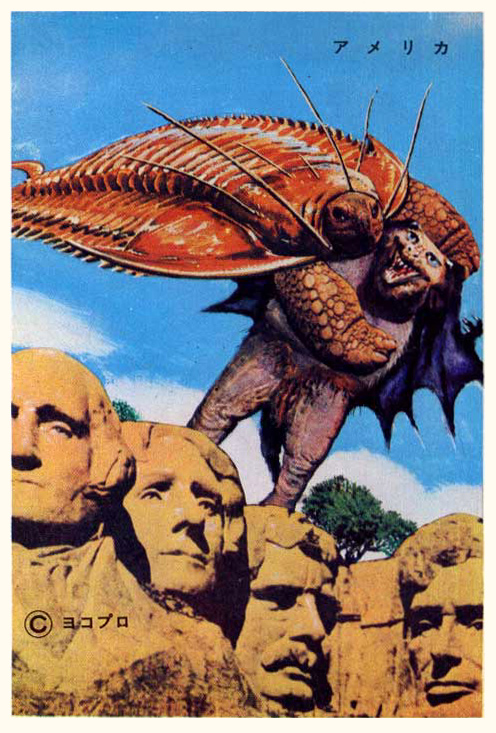
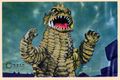
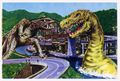
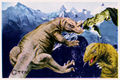
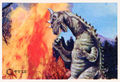
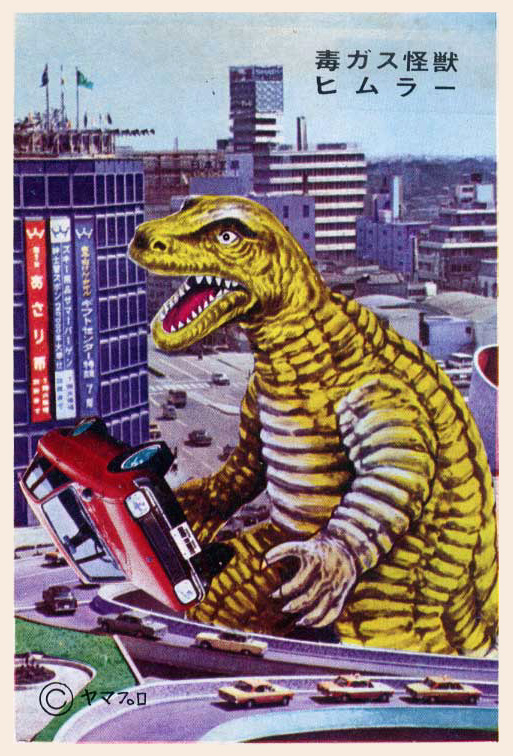
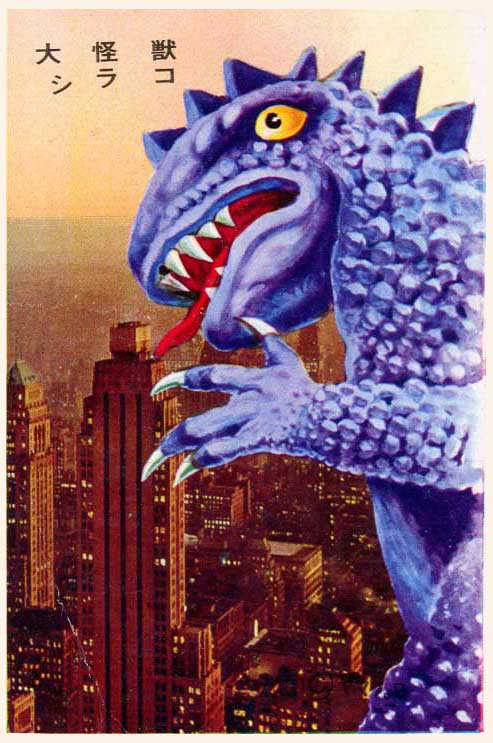
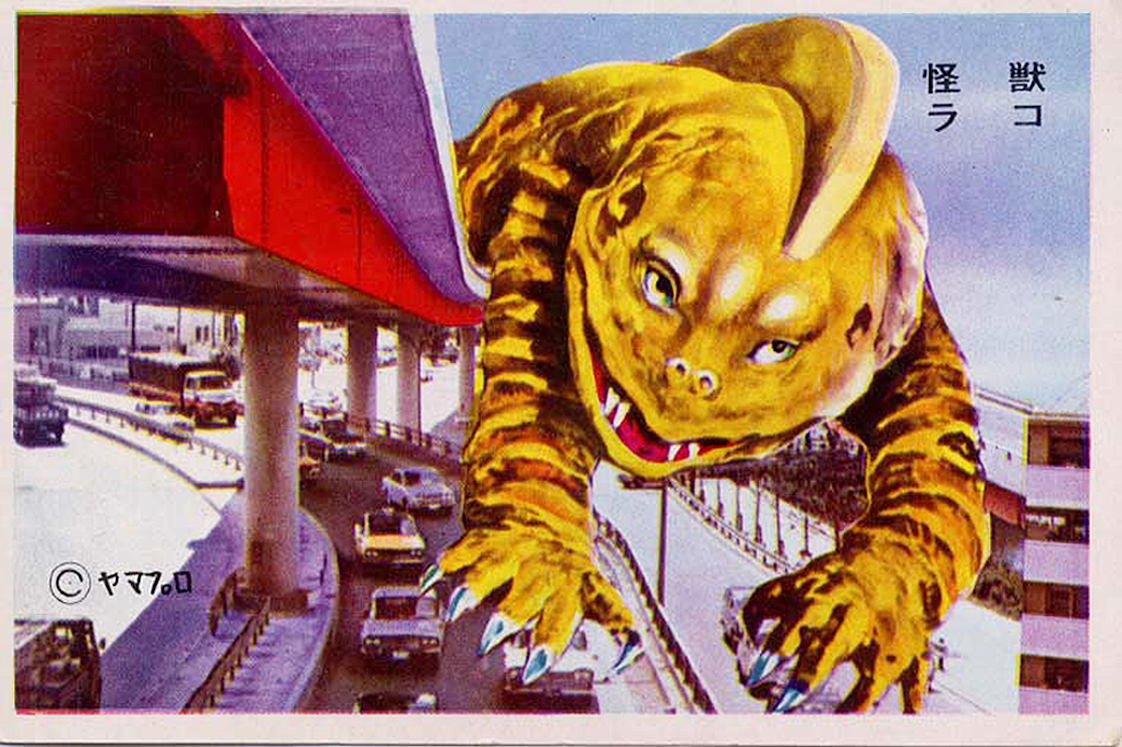
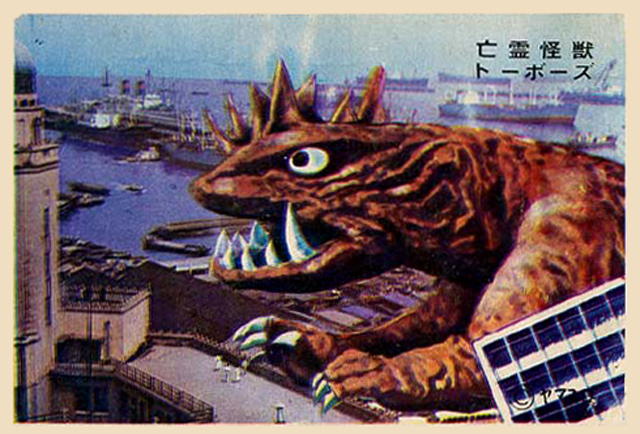
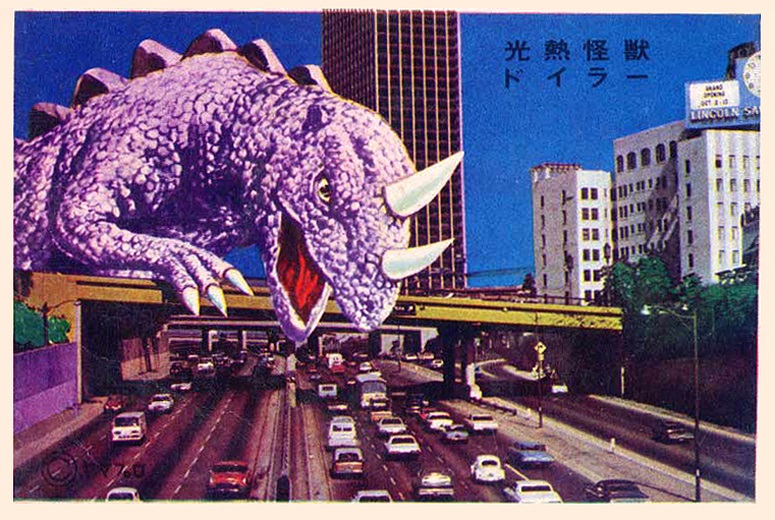
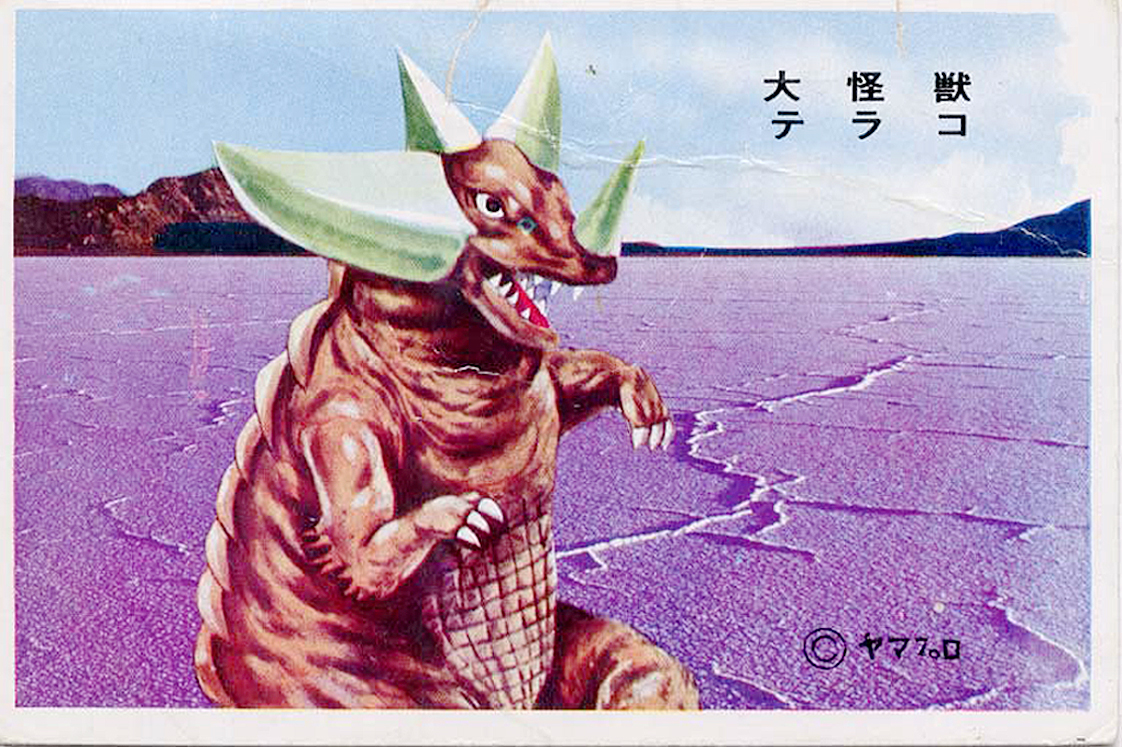
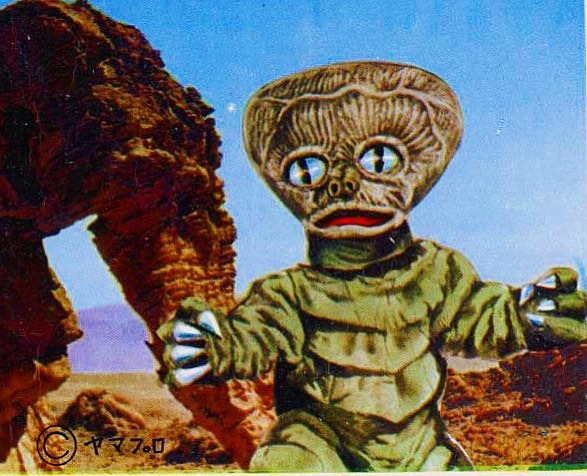
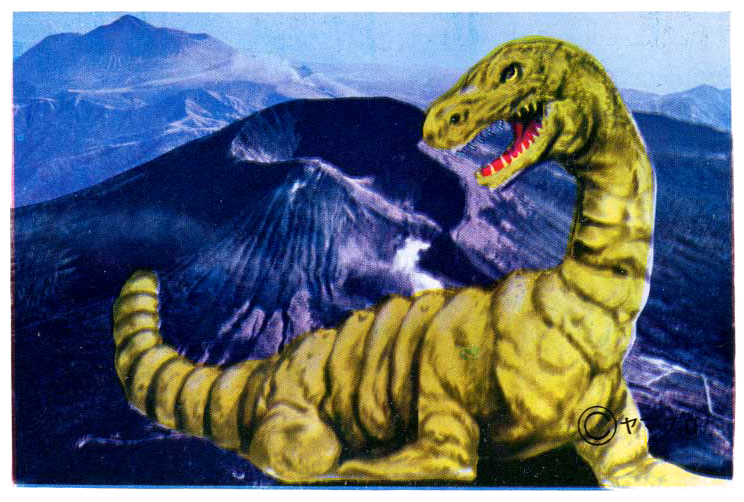
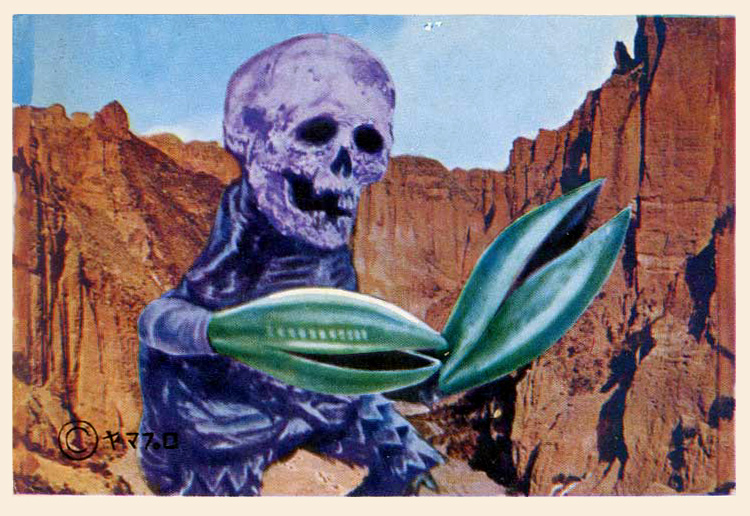
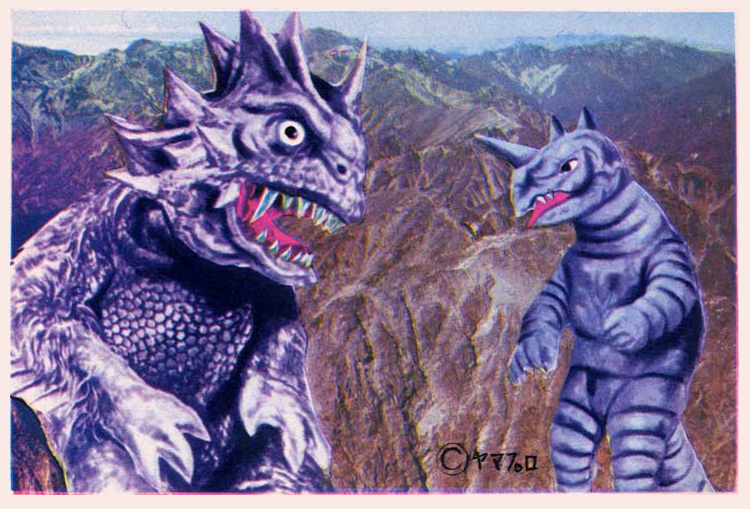
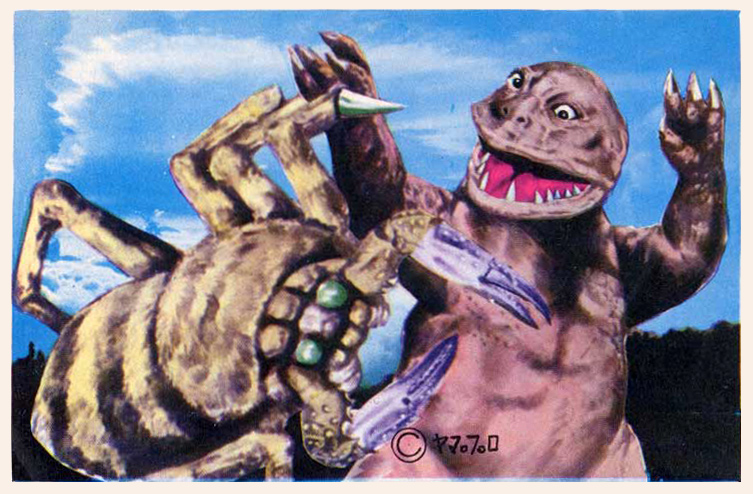
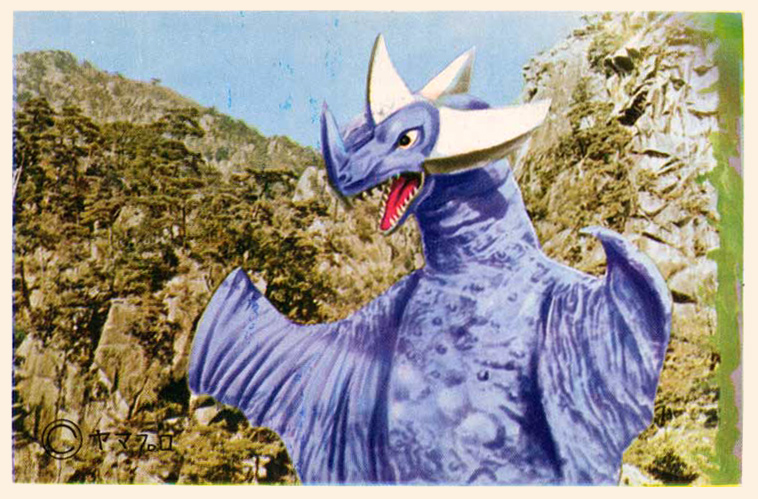
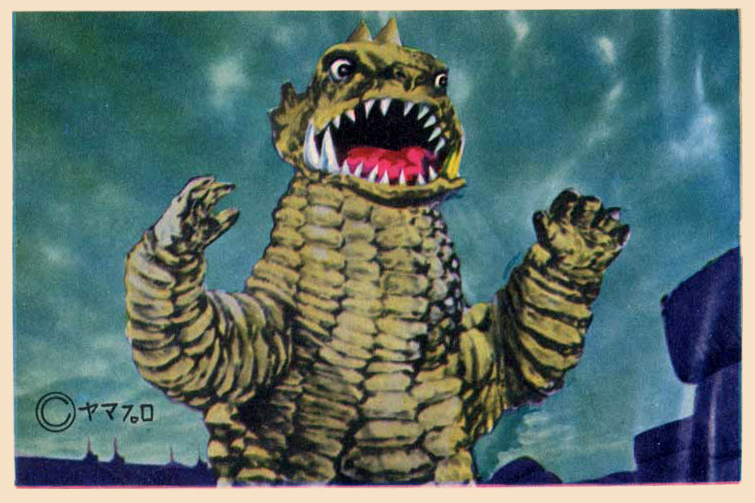
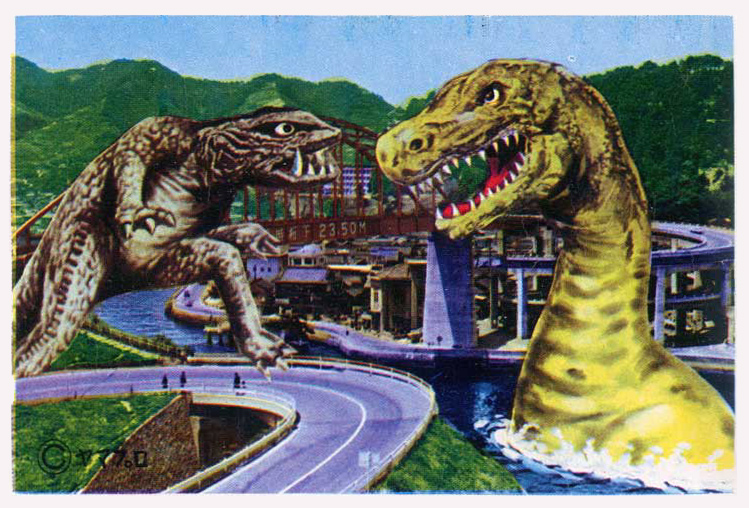
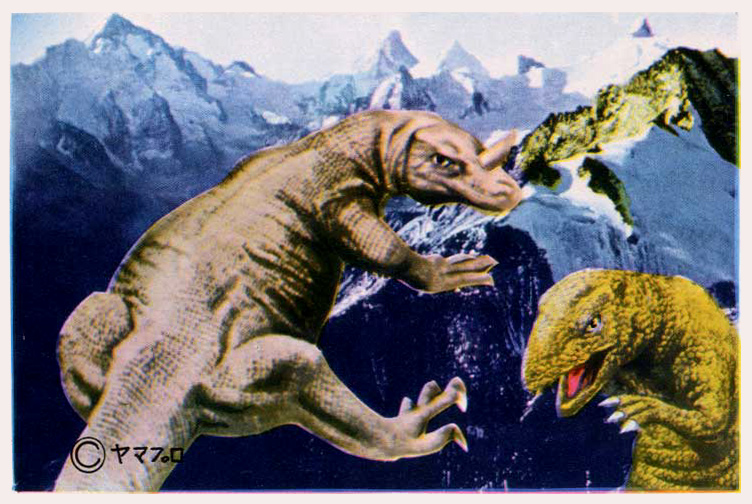
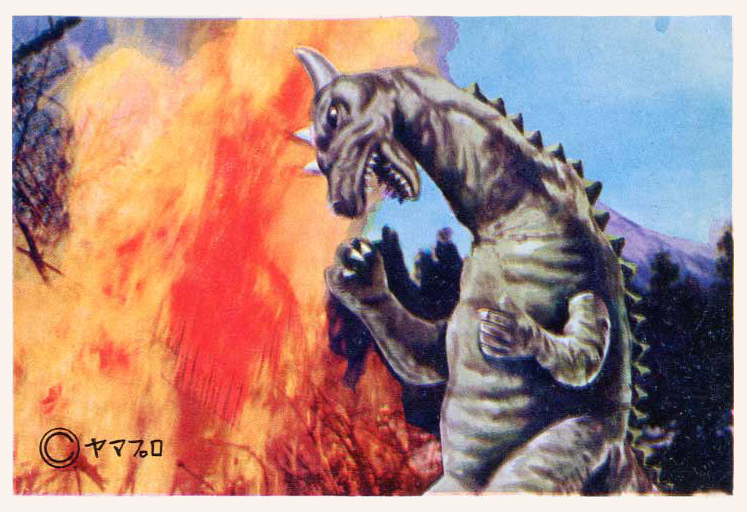
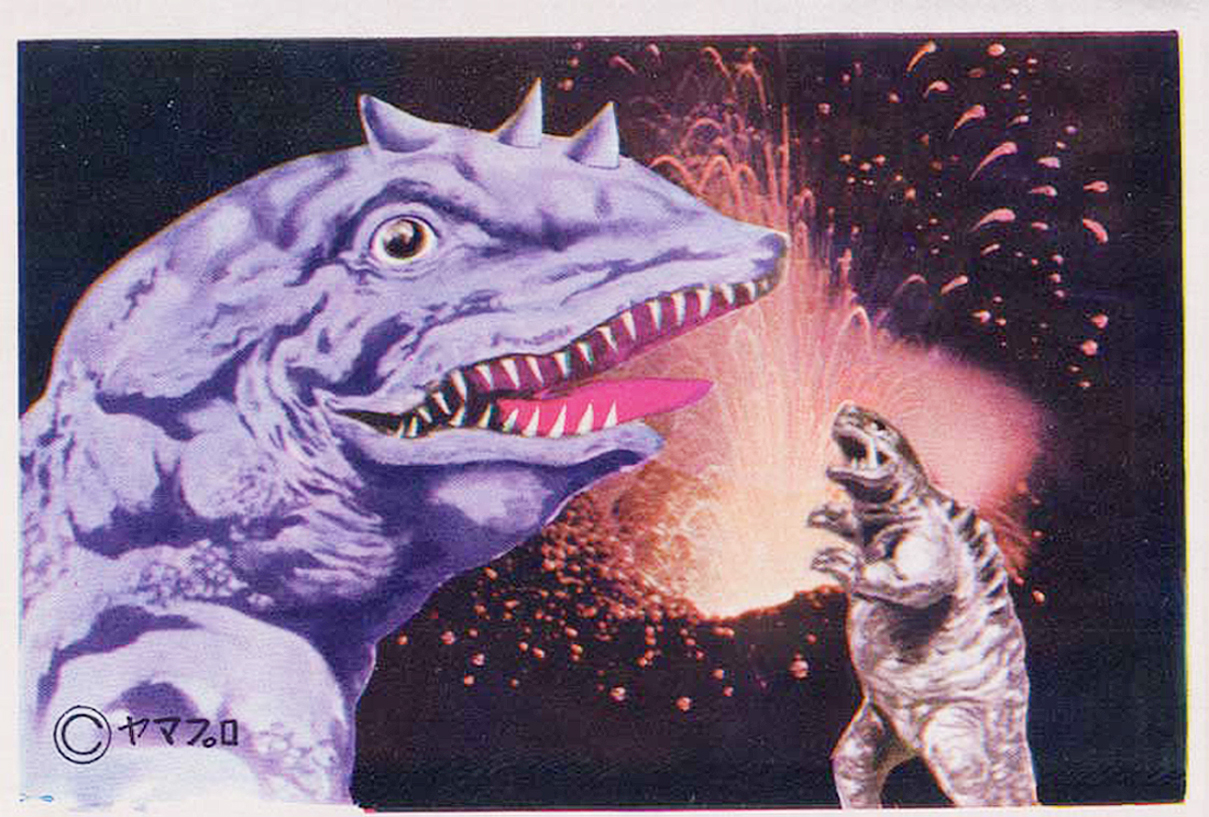
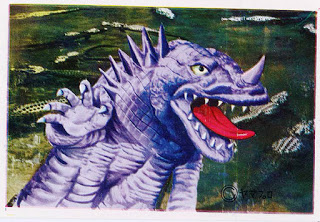
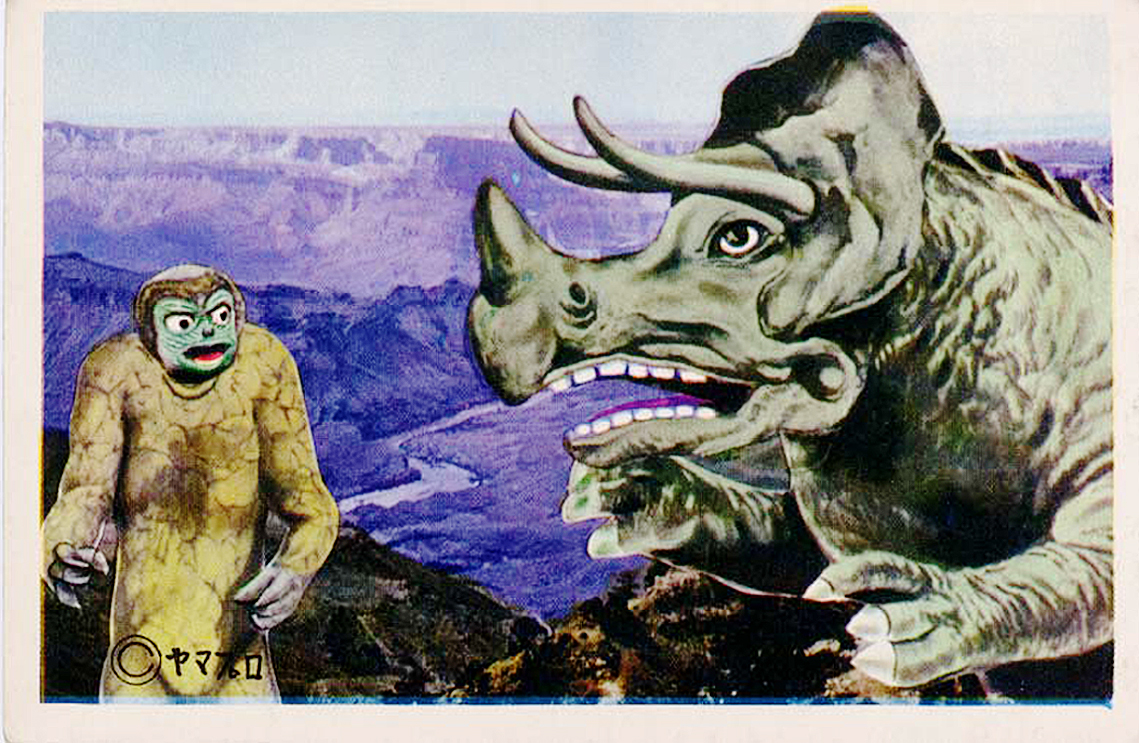
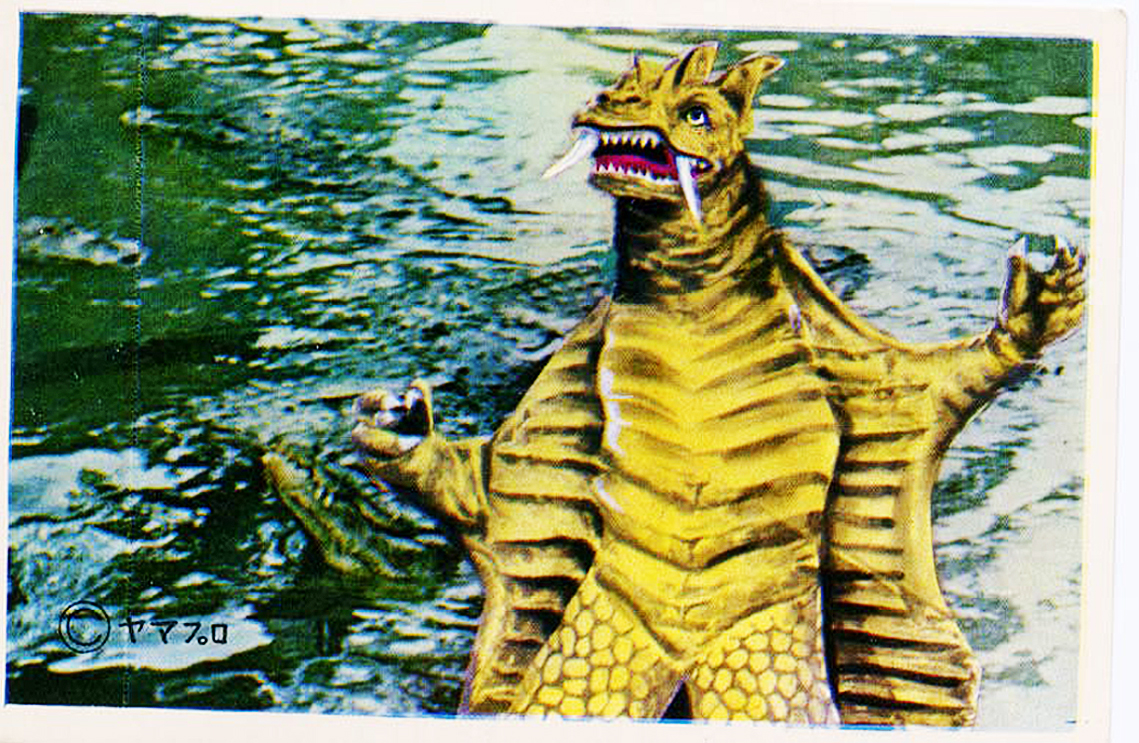
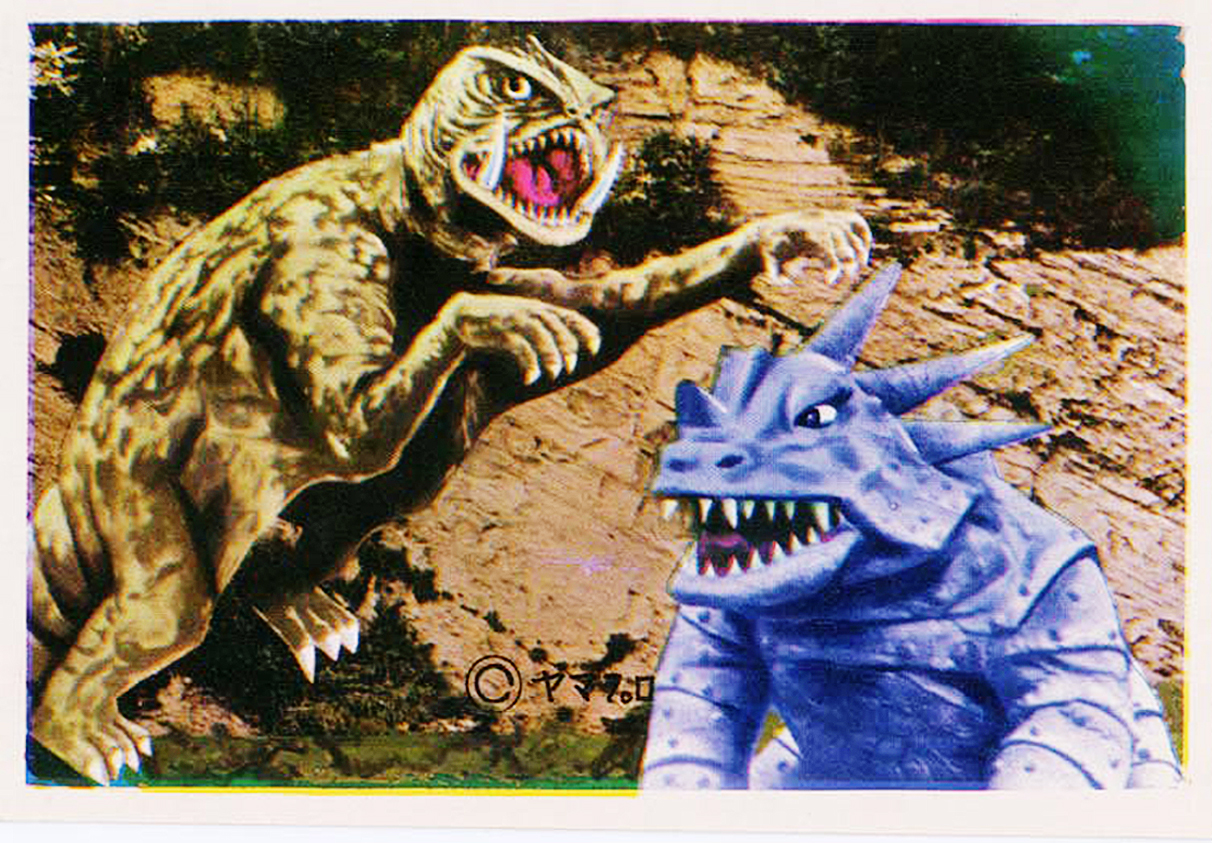
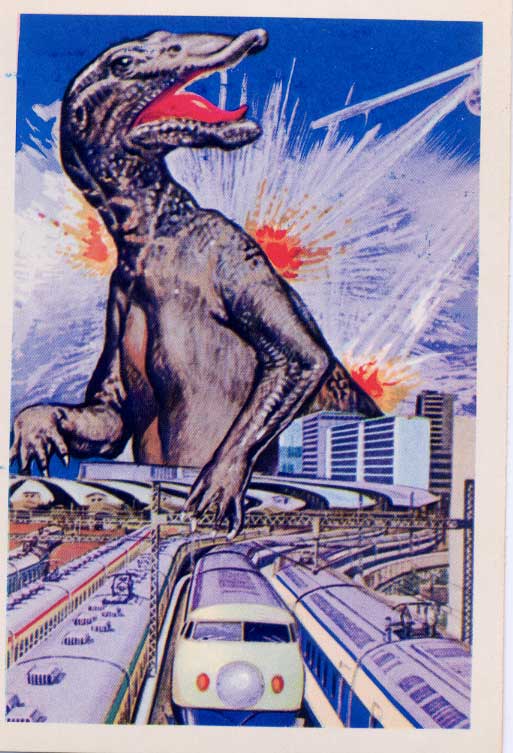
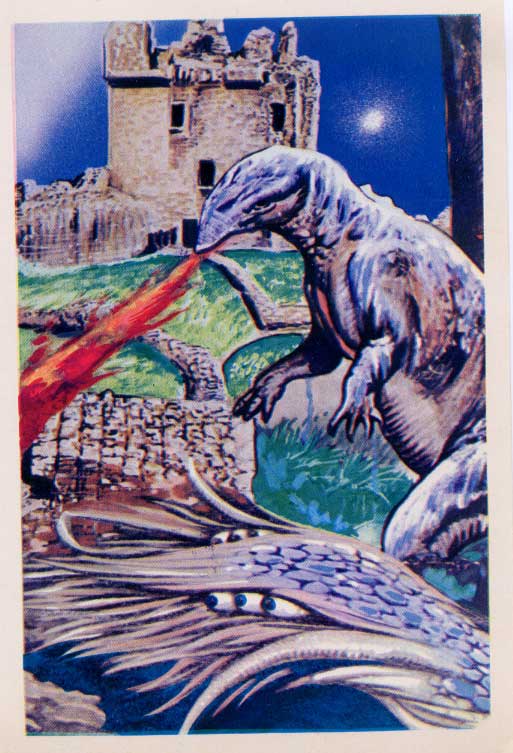
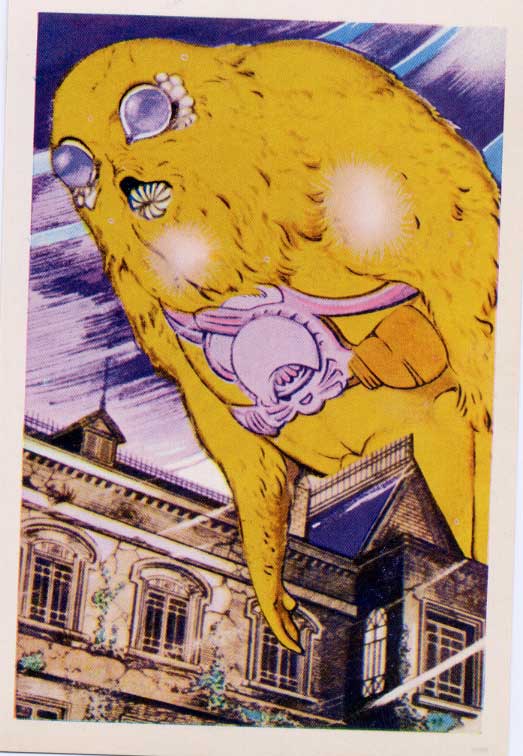
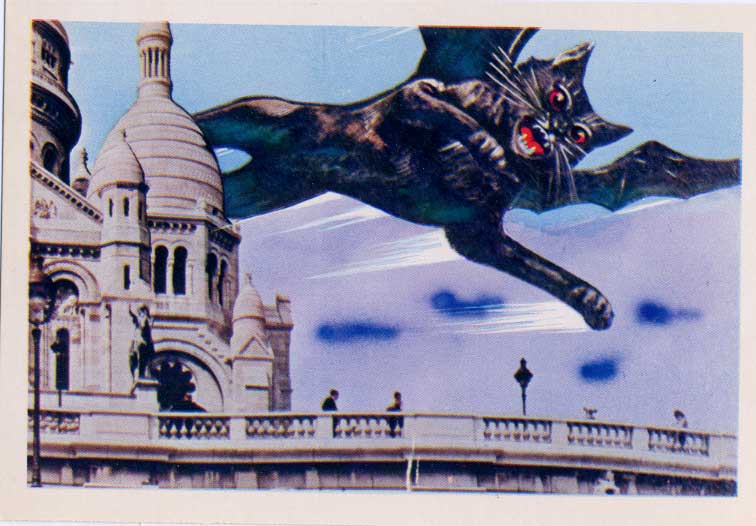
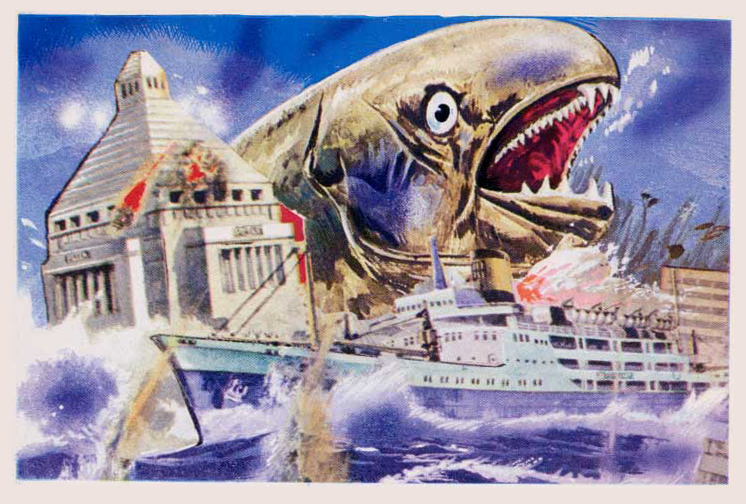
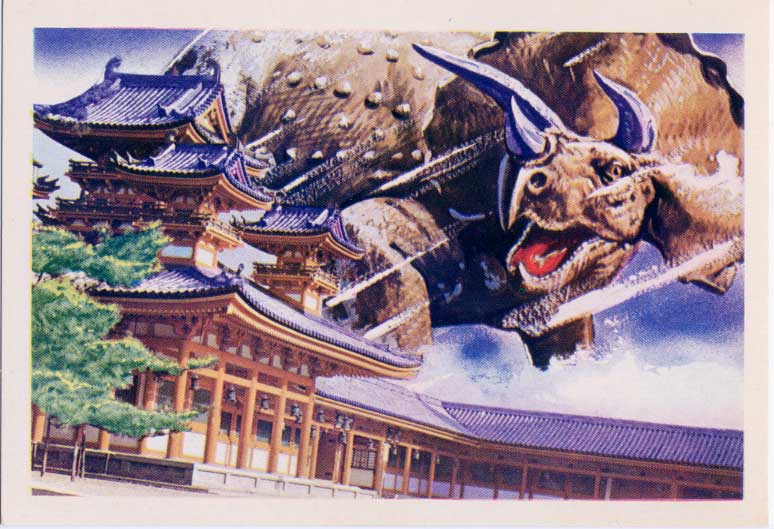
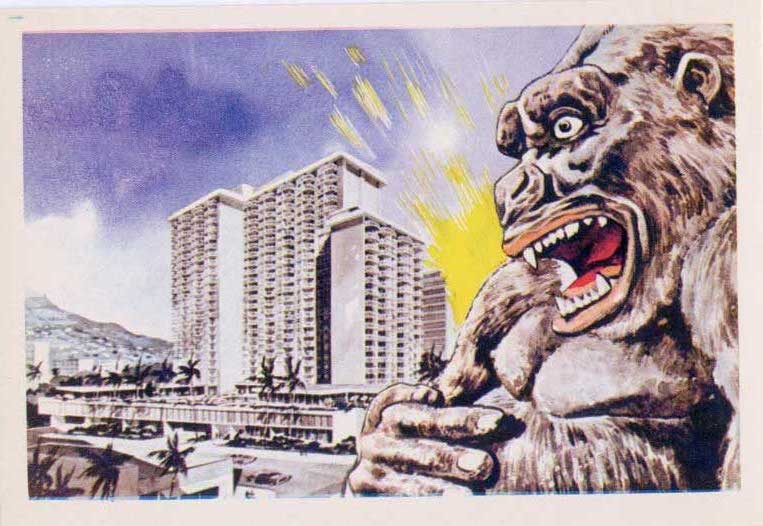
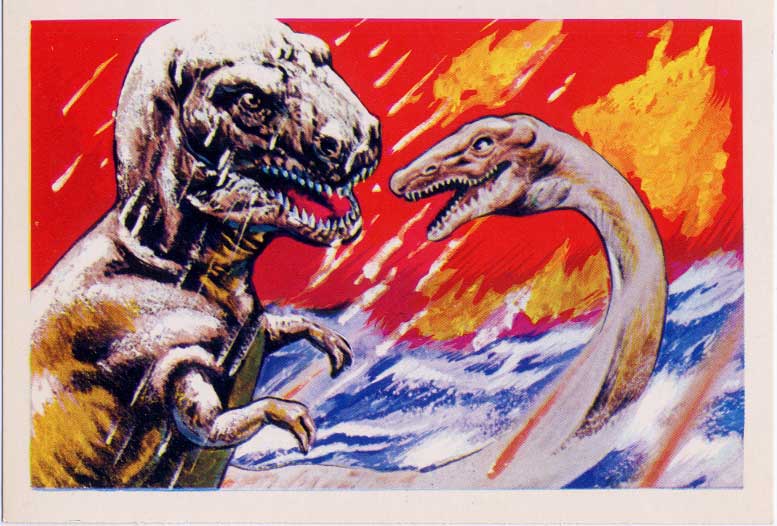
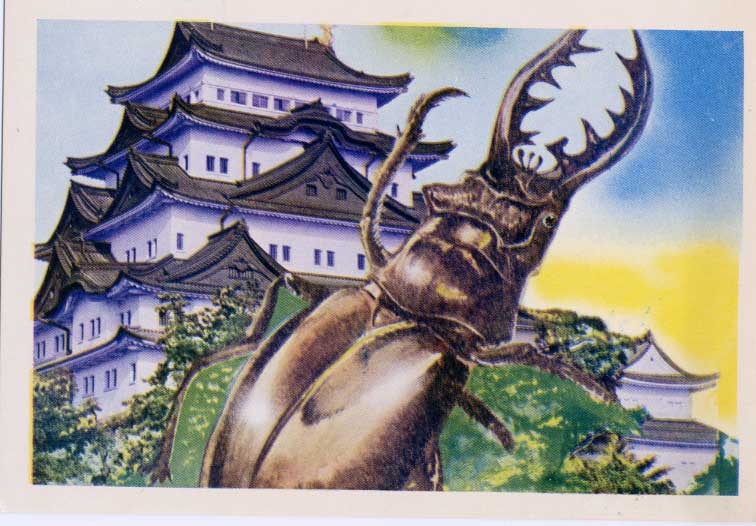
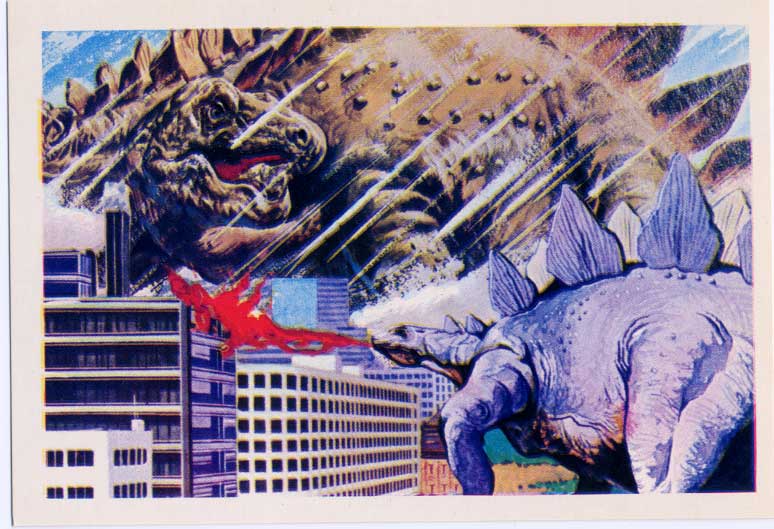
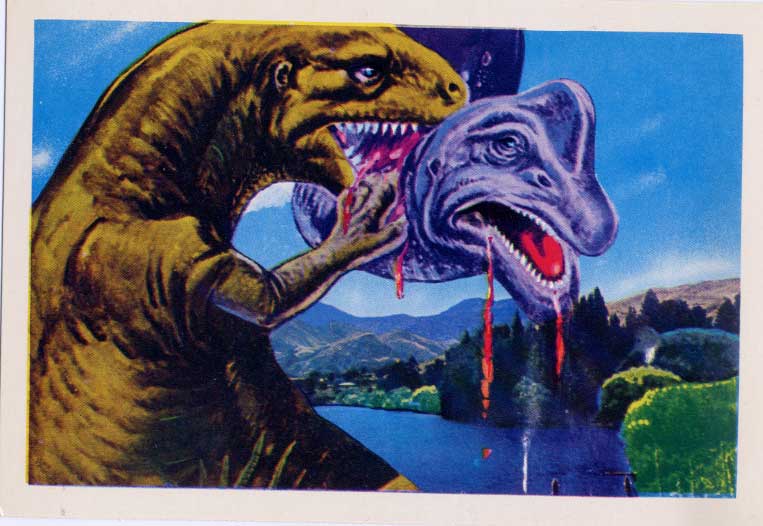
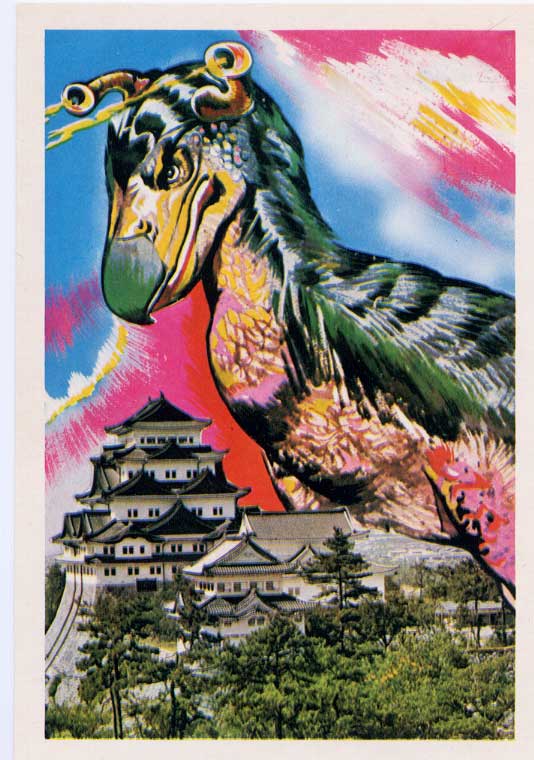
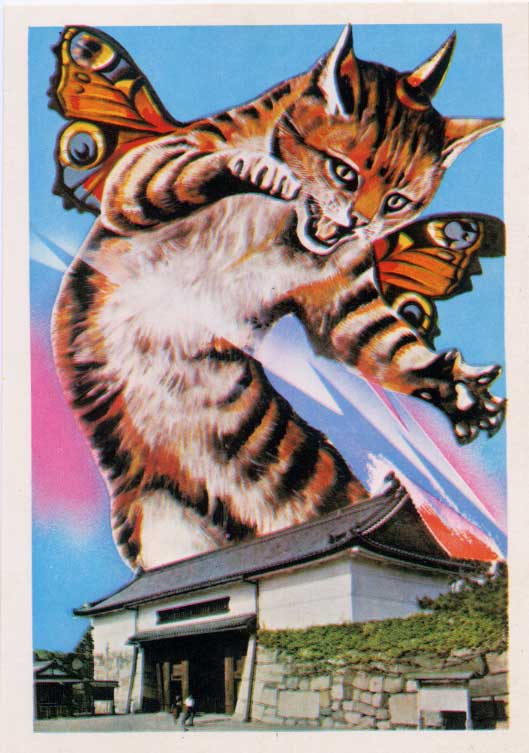
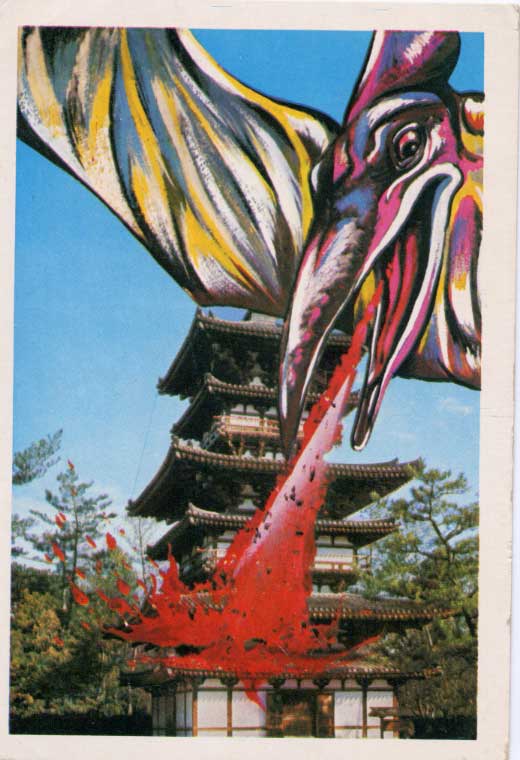
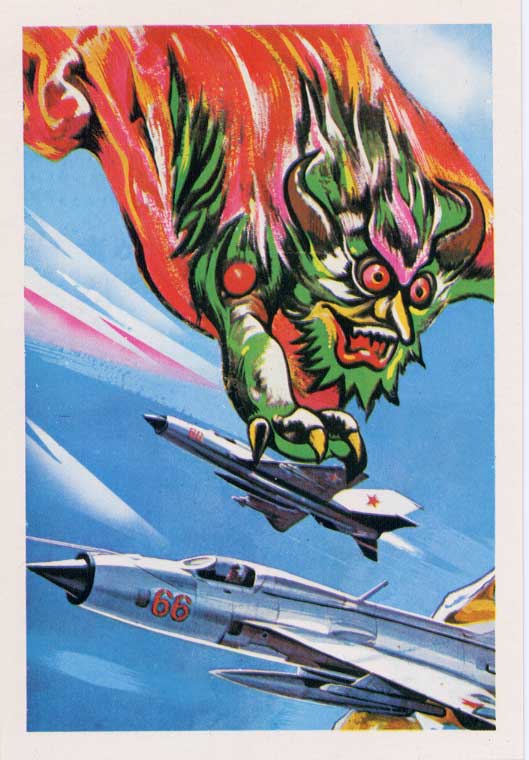
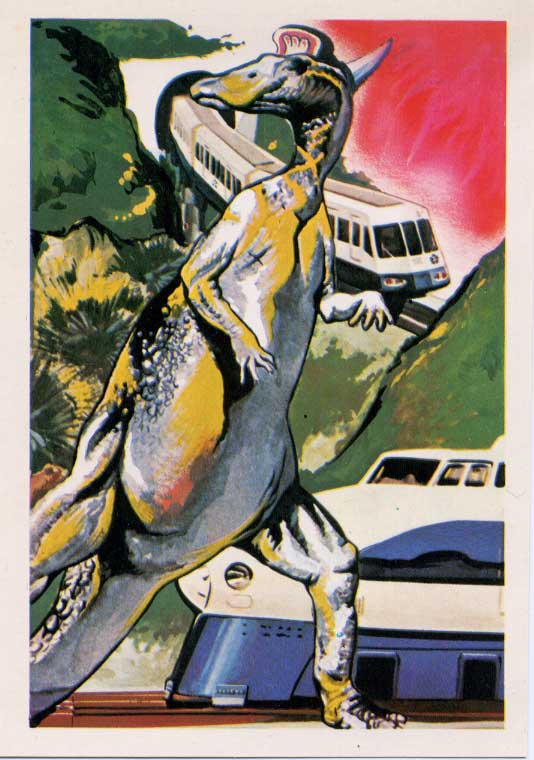
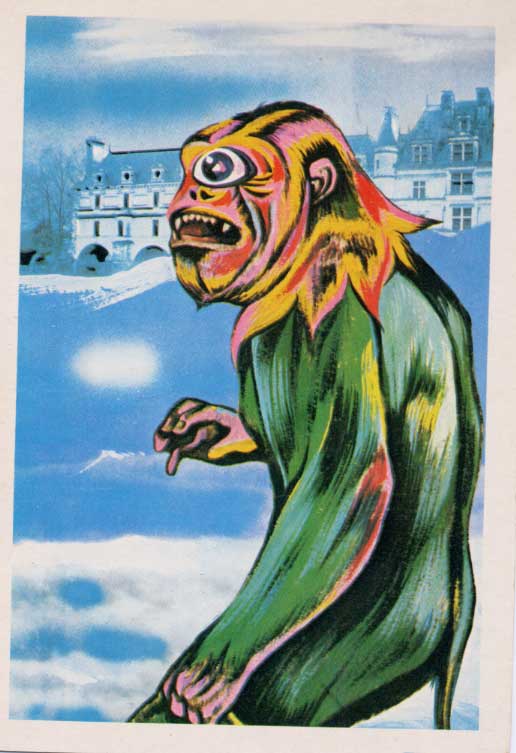
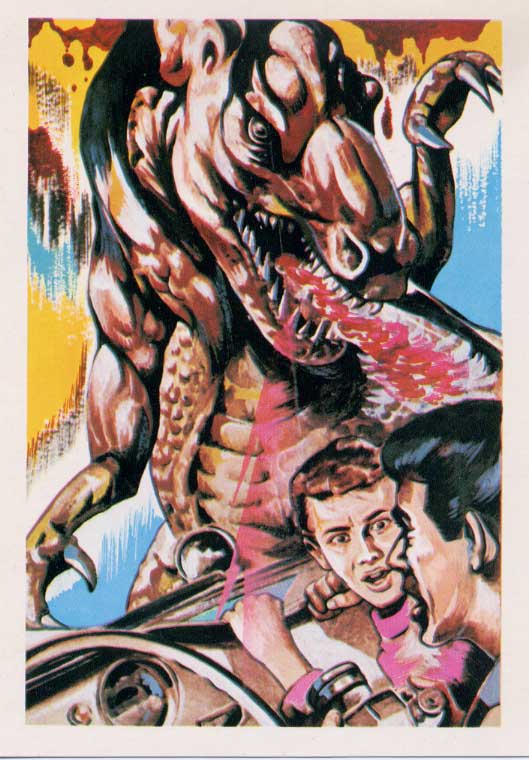
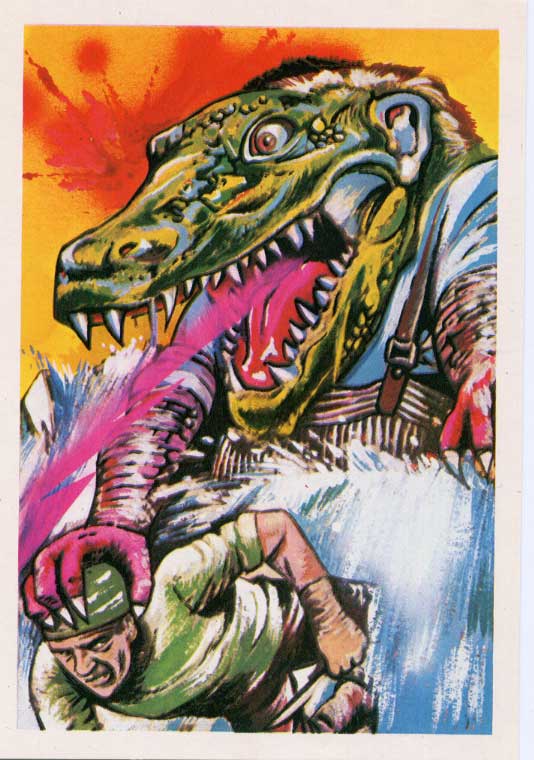
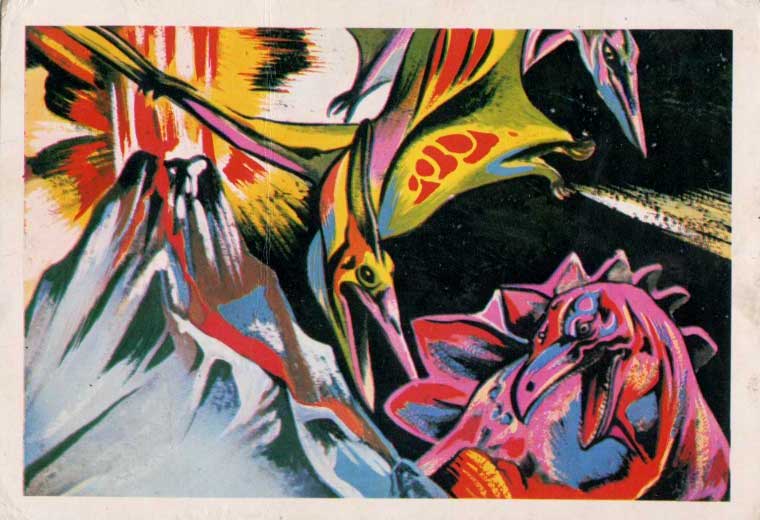
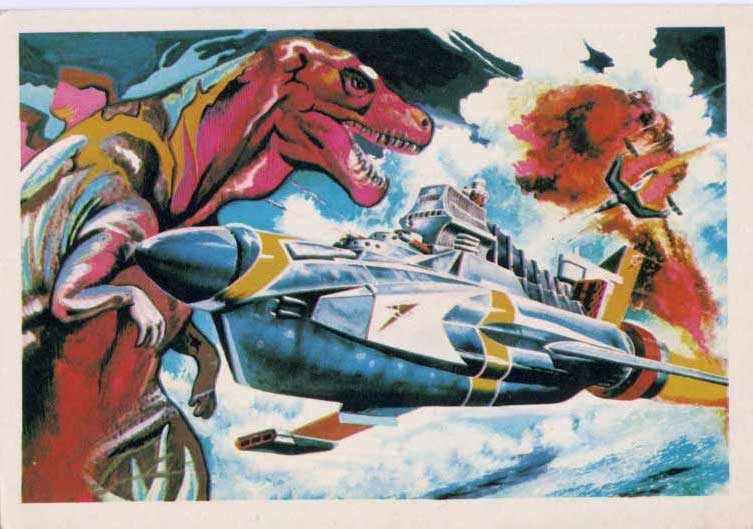
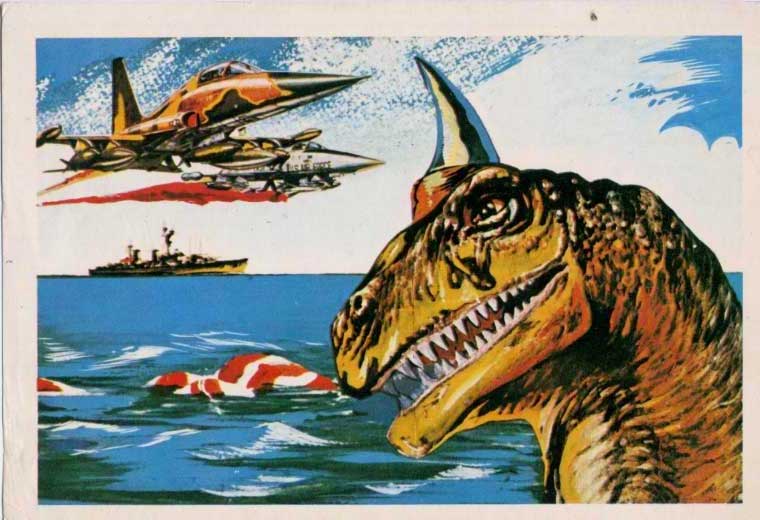
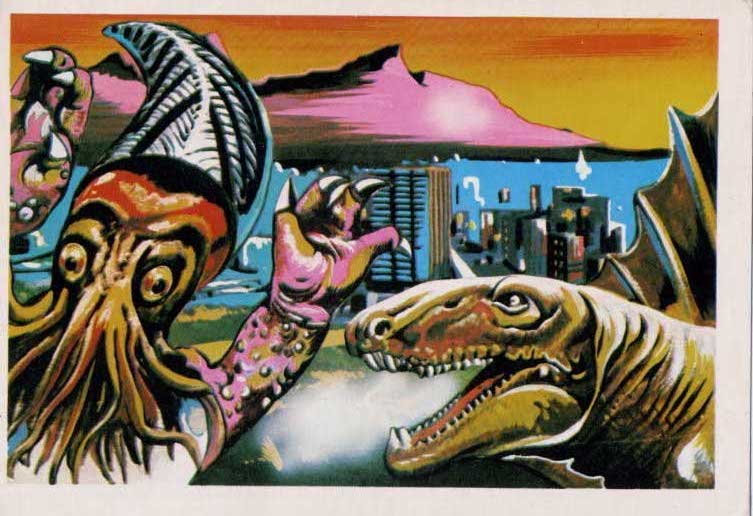
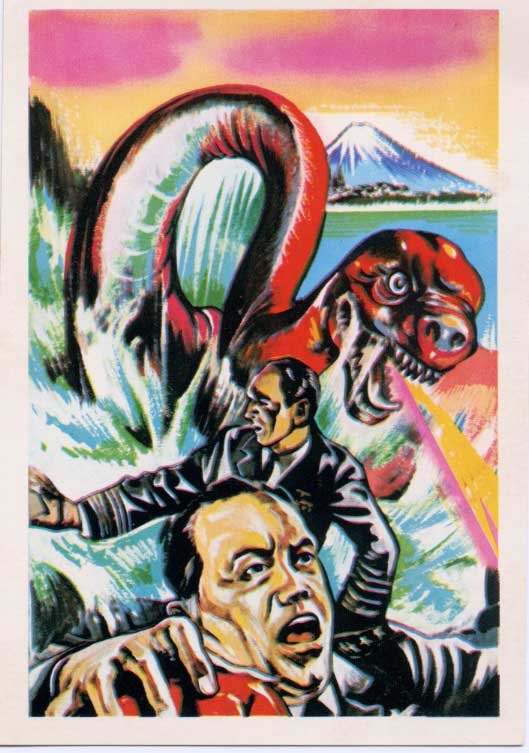
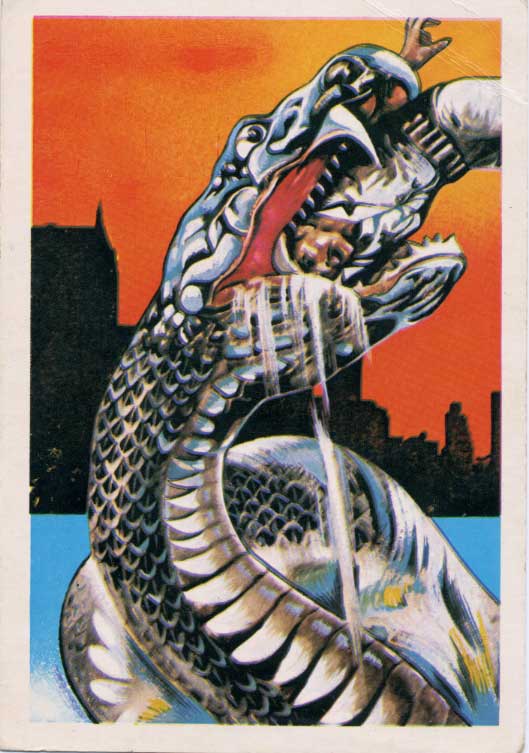
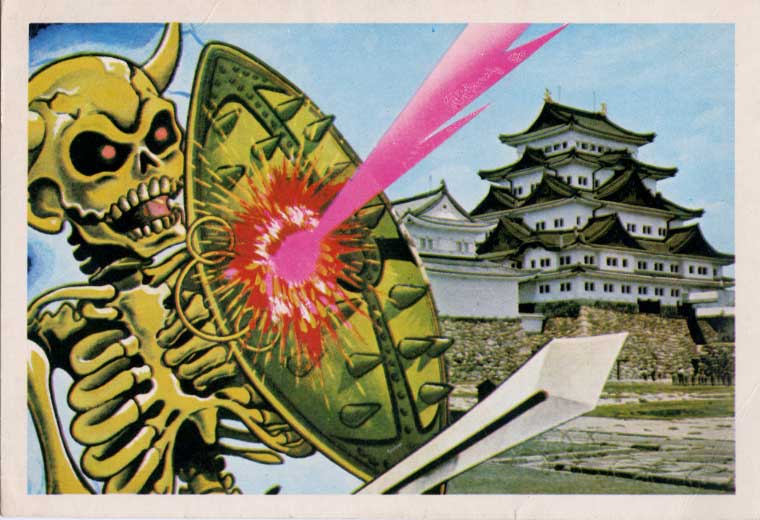
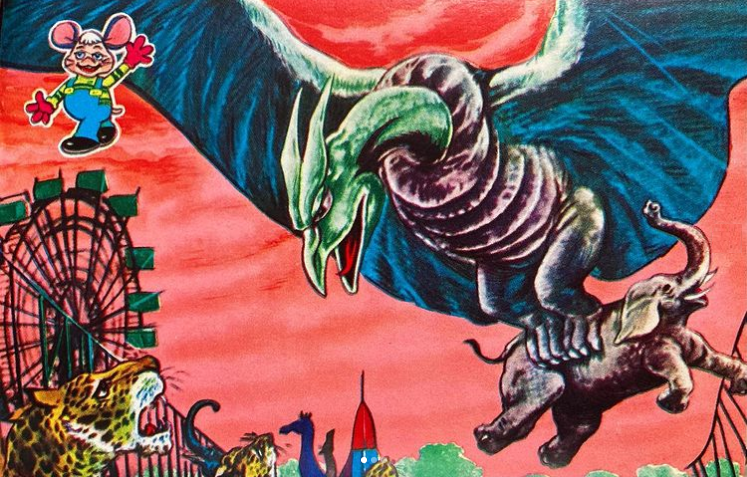
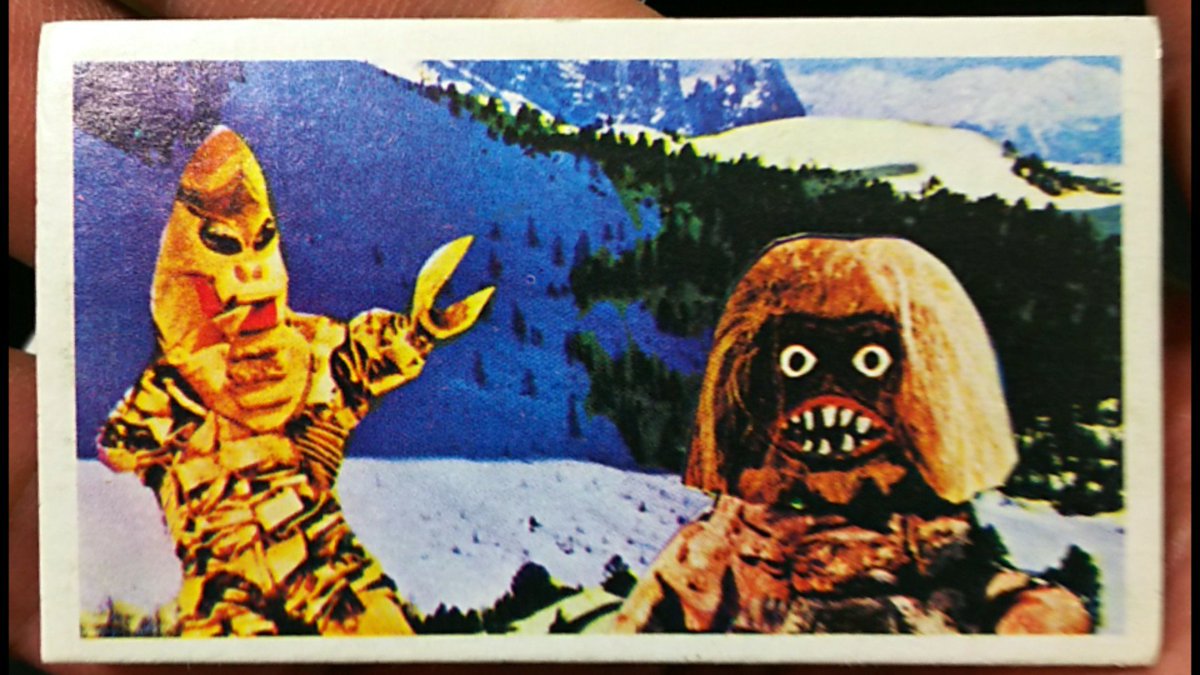
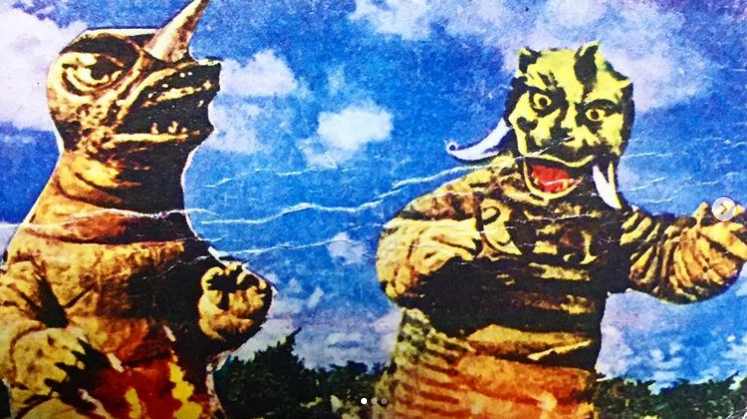
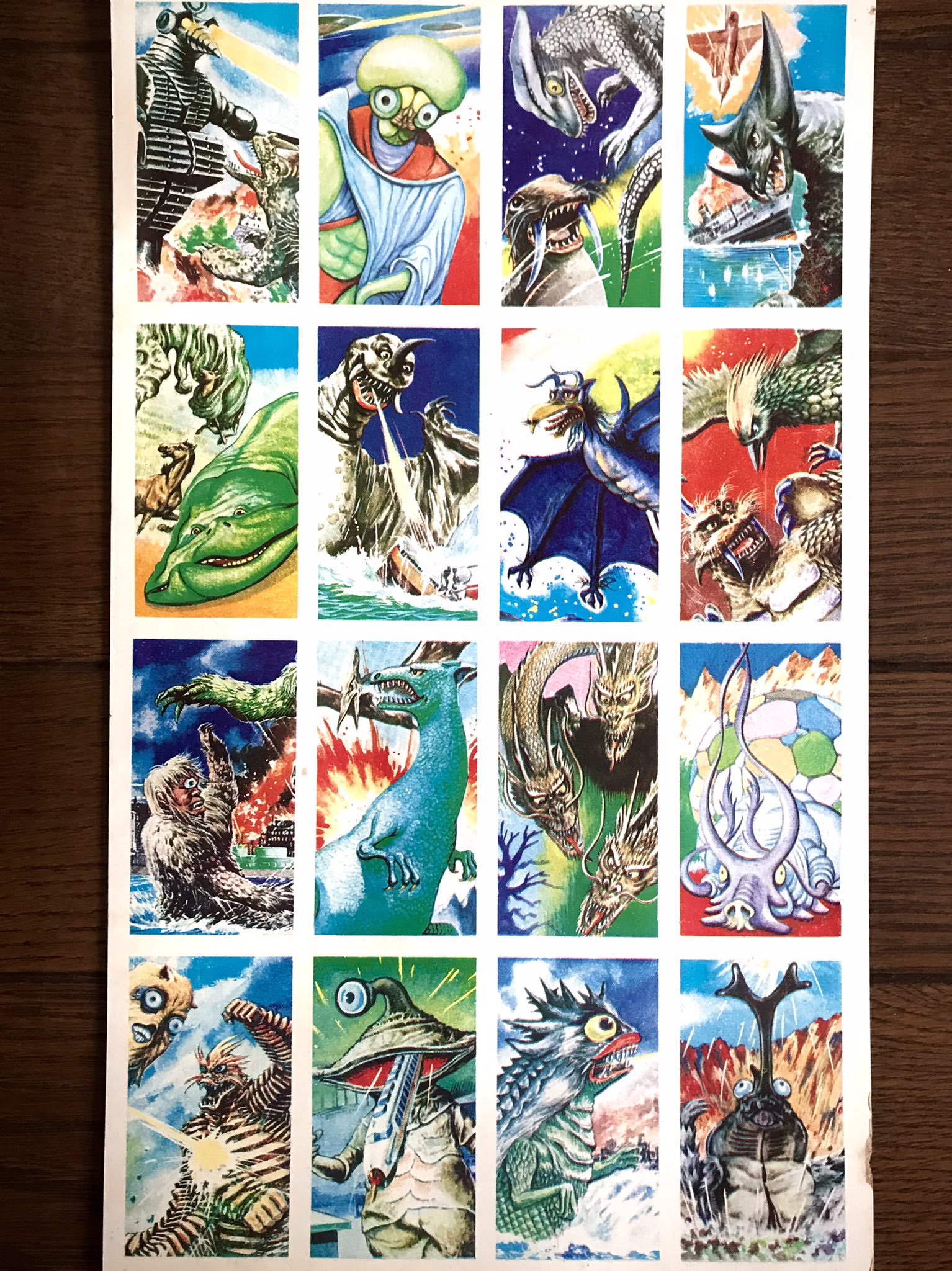
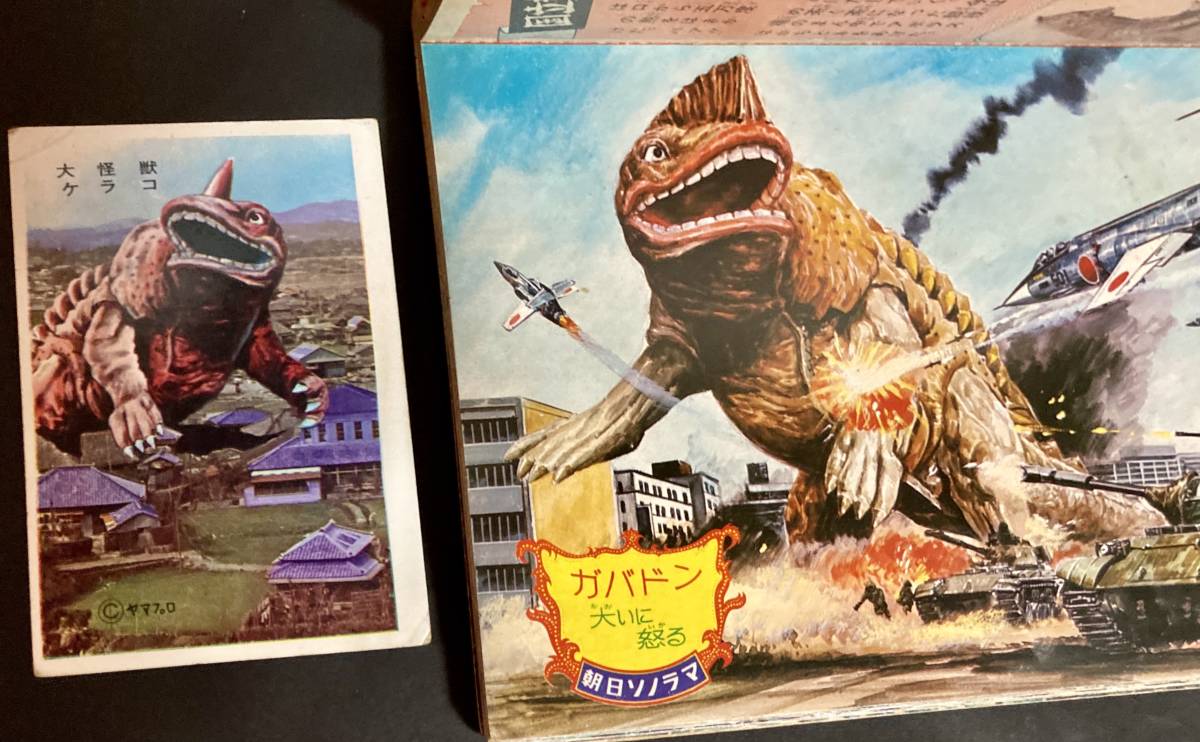
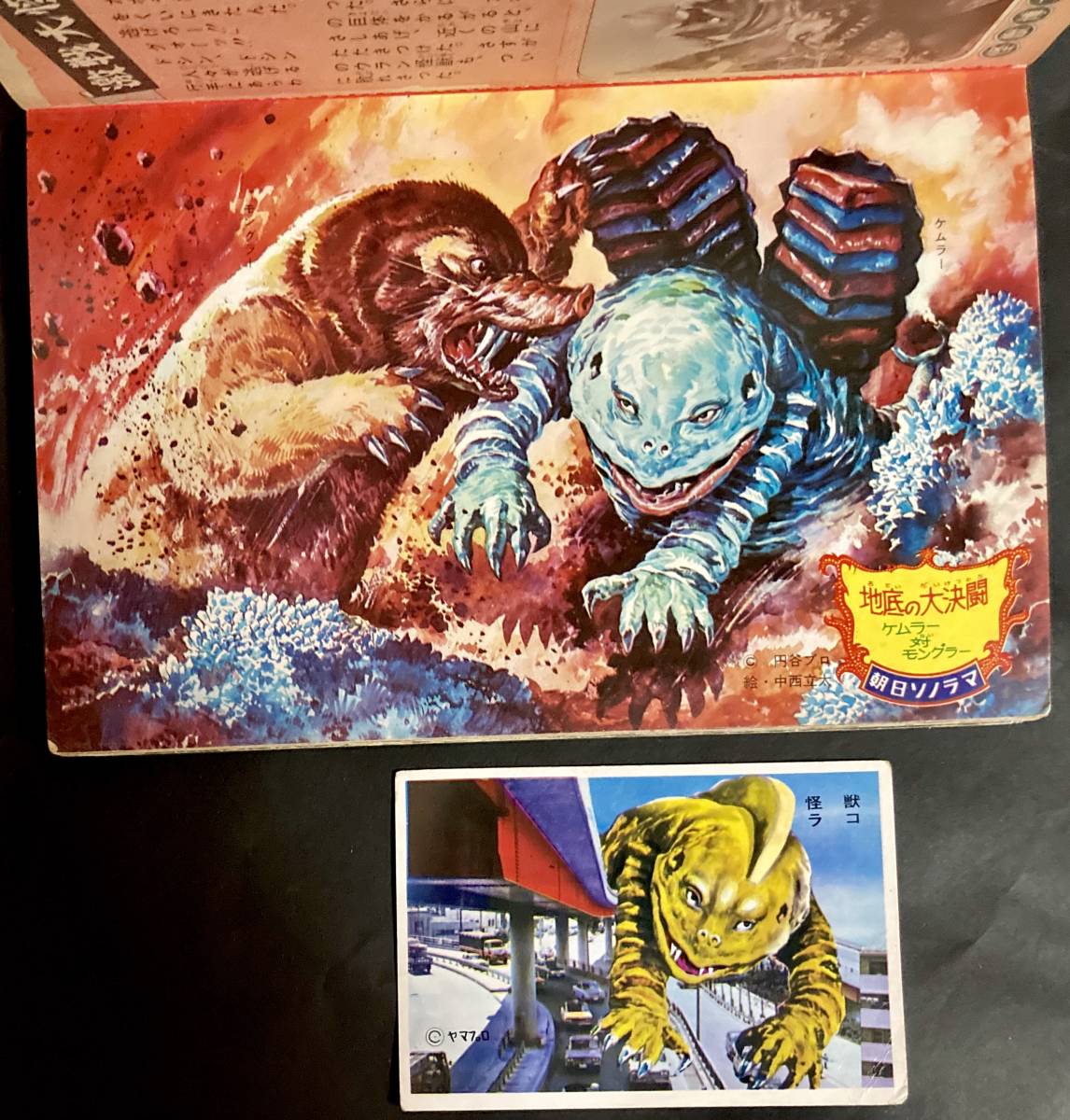
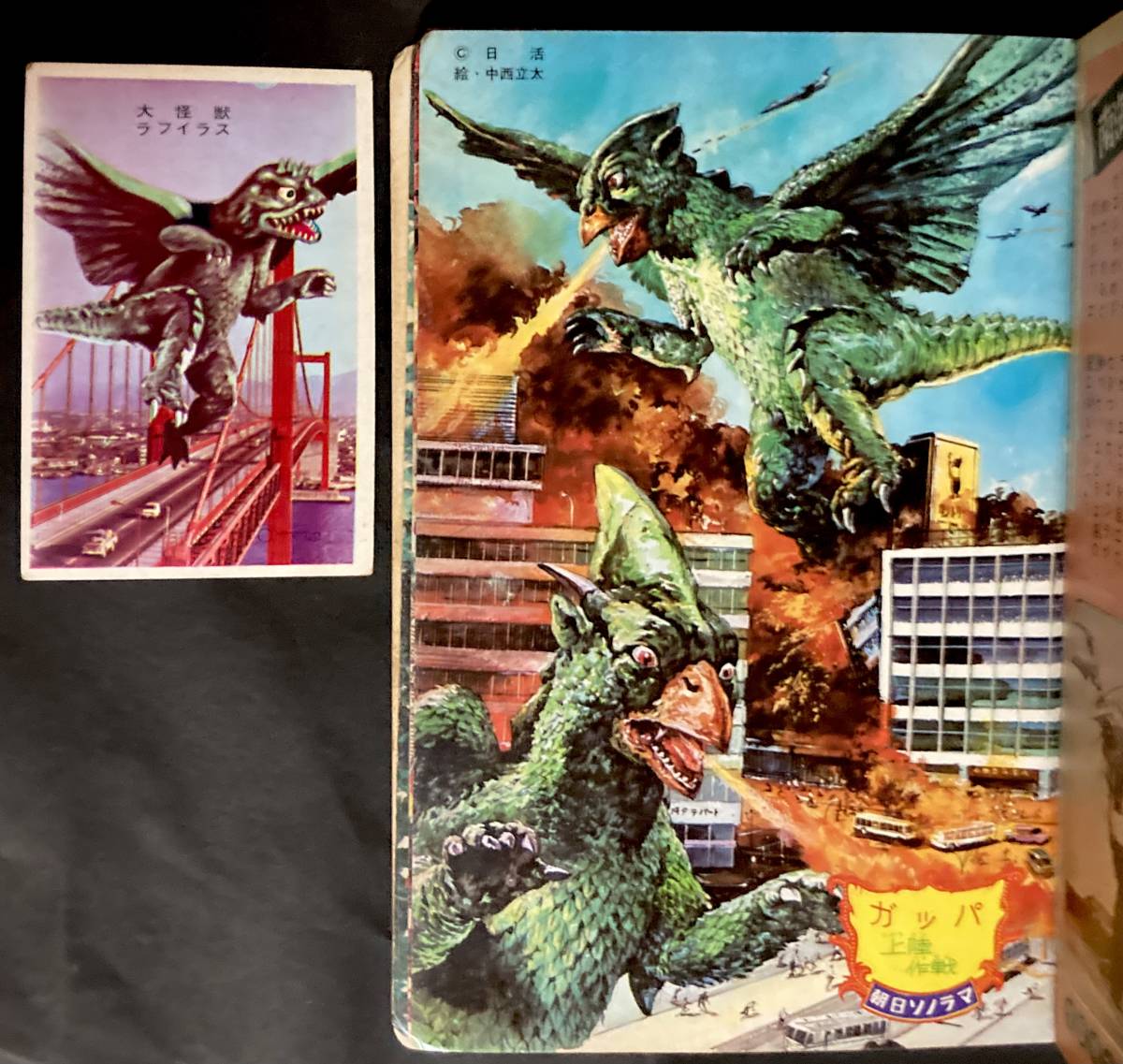
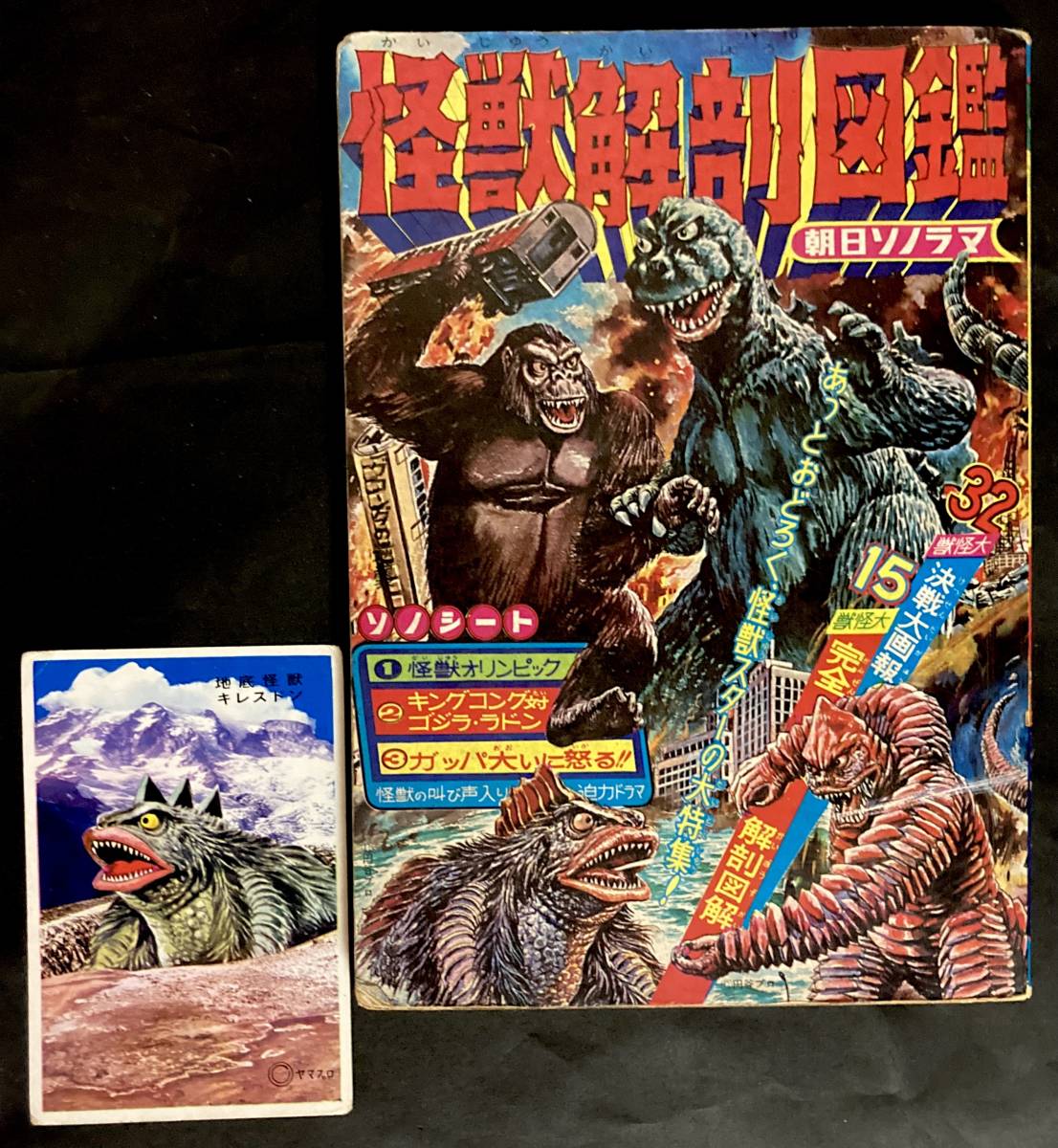
Pachimon (パチモン Pachimon) is a vintage series of budget bromide trading cards made by the Japanese companies Yokopro (ヨコプロ Yokopuro) and Yamapro (ヤマプロ) featuring unauthorized alterations of pre-existing kaiju collaged with other photographic elements. The term Pachimon itself means 'fake' in Japan, and it became a fan-created moniker roughly reading as 'stolen monsters'. Various other original kaiju, such as ones by Nitto and Amapro, have also been refereed to as Pachimon and have been confused with the vintage series by Yokopuro and Yamapro.[1] Amapro subsequently published a merchandise series "Pachimon Great King" (パチモン大王 Pachimon Daiō) as a project for the magazine Figure King.[2]
Information
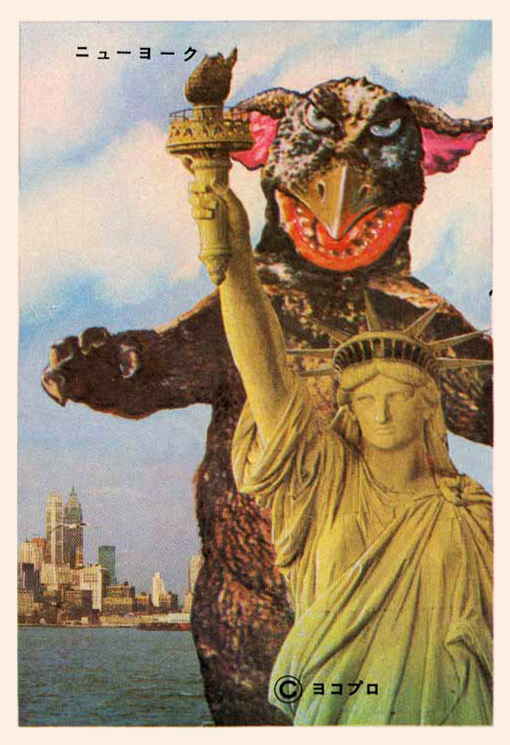
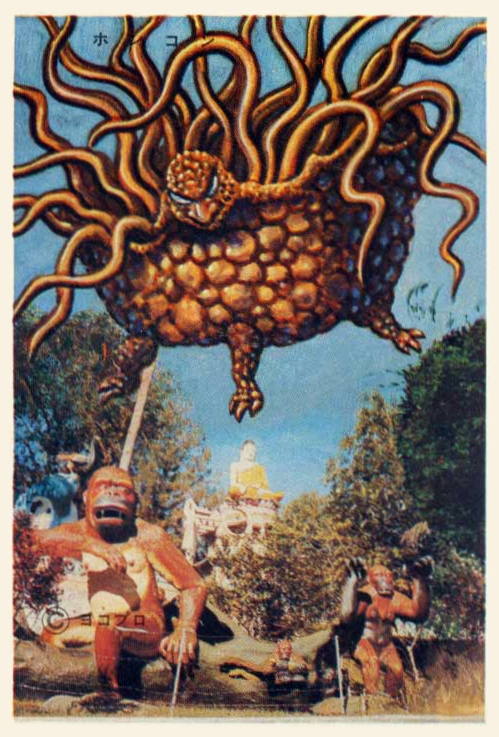
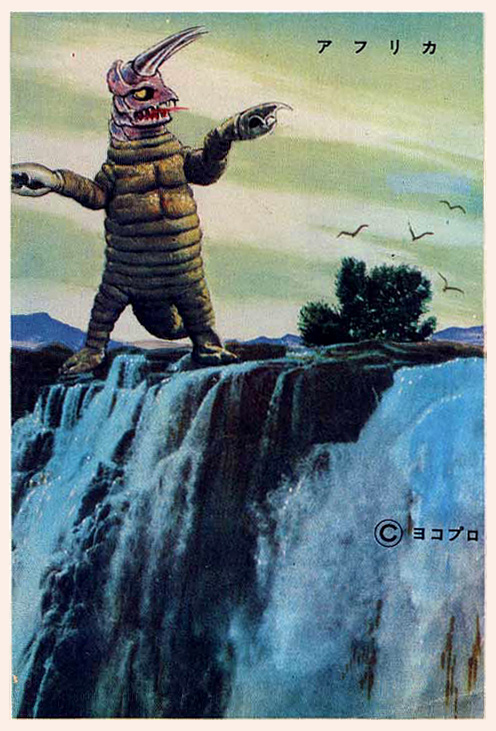
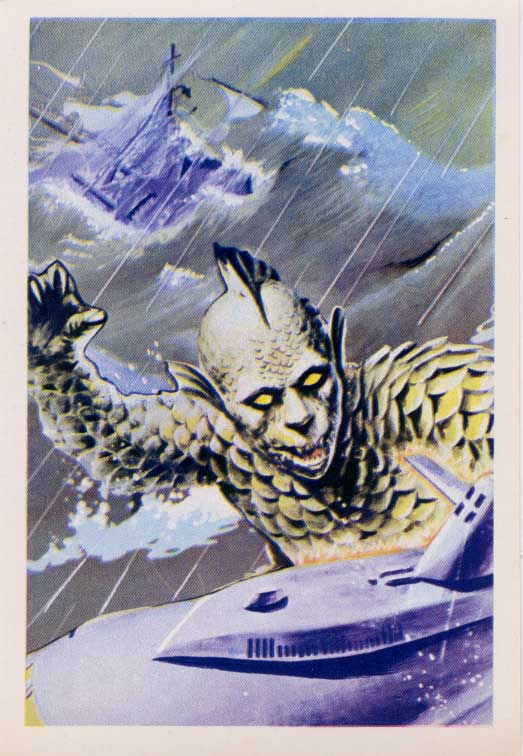
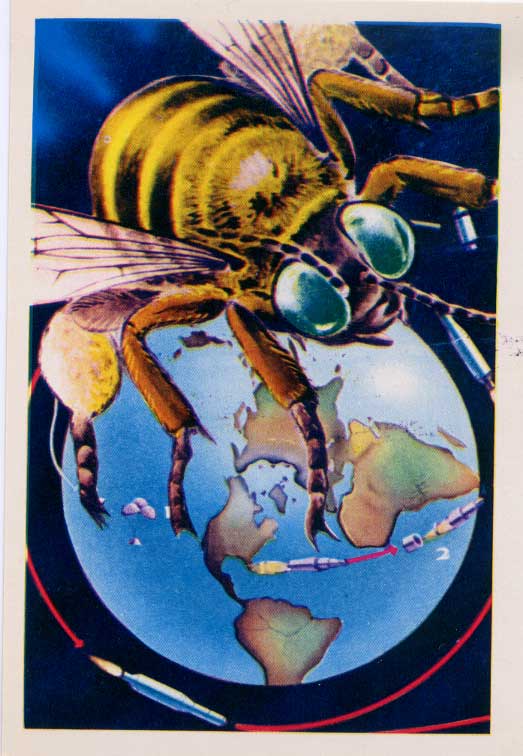
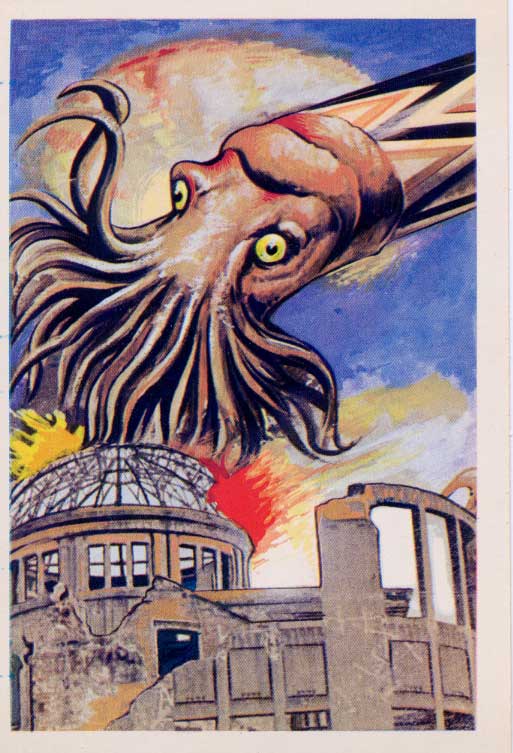
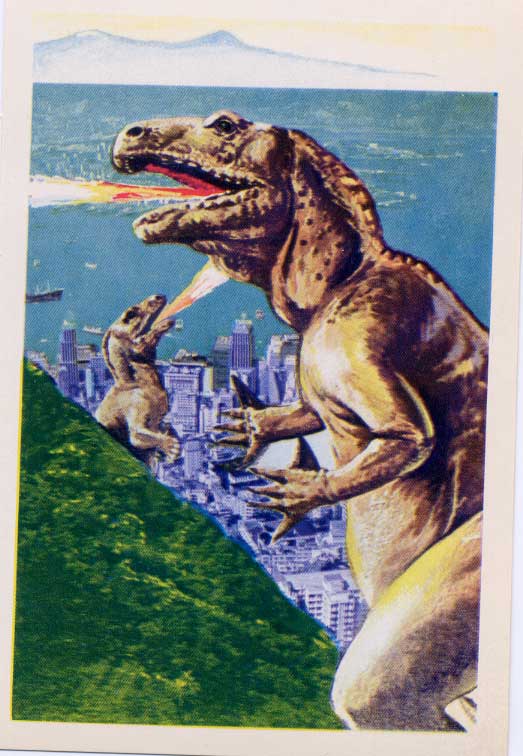
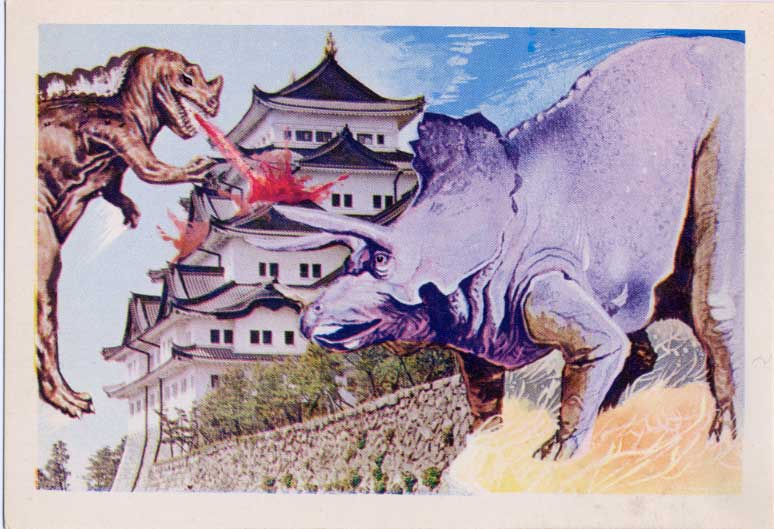
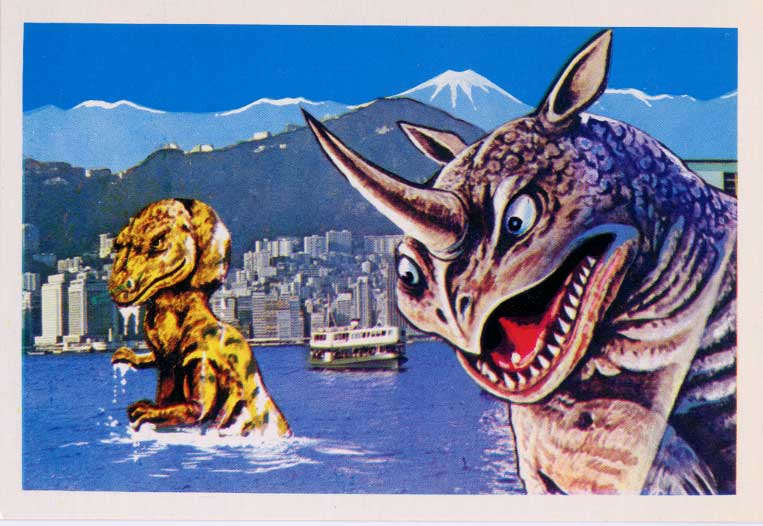
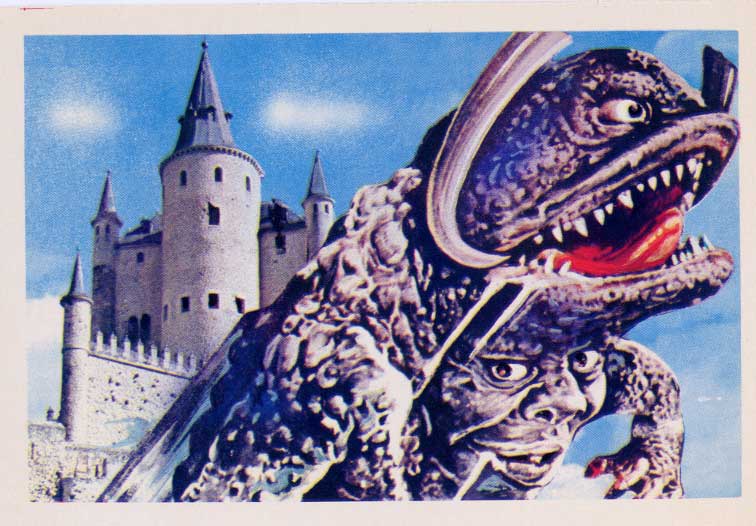
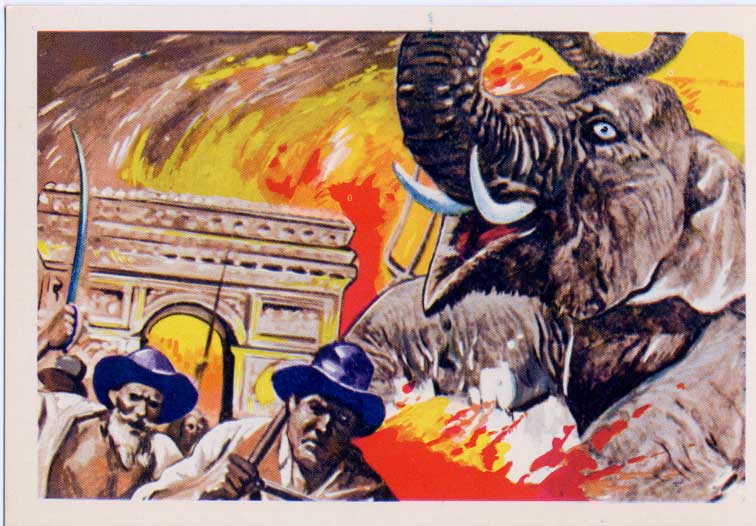
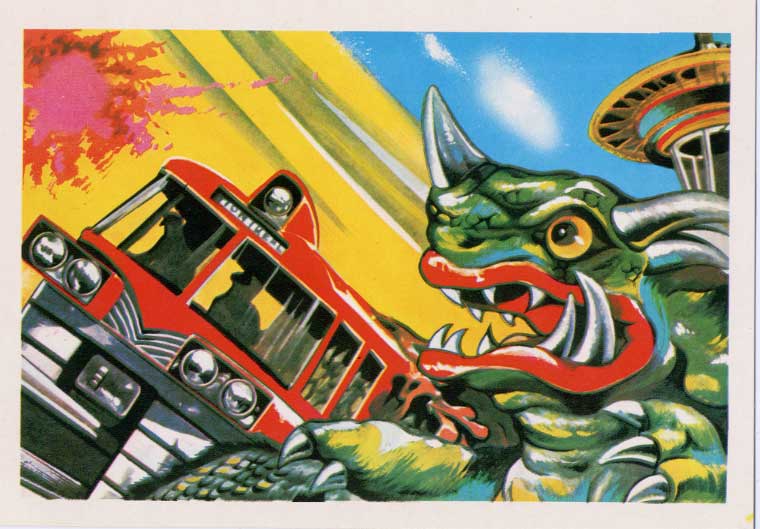
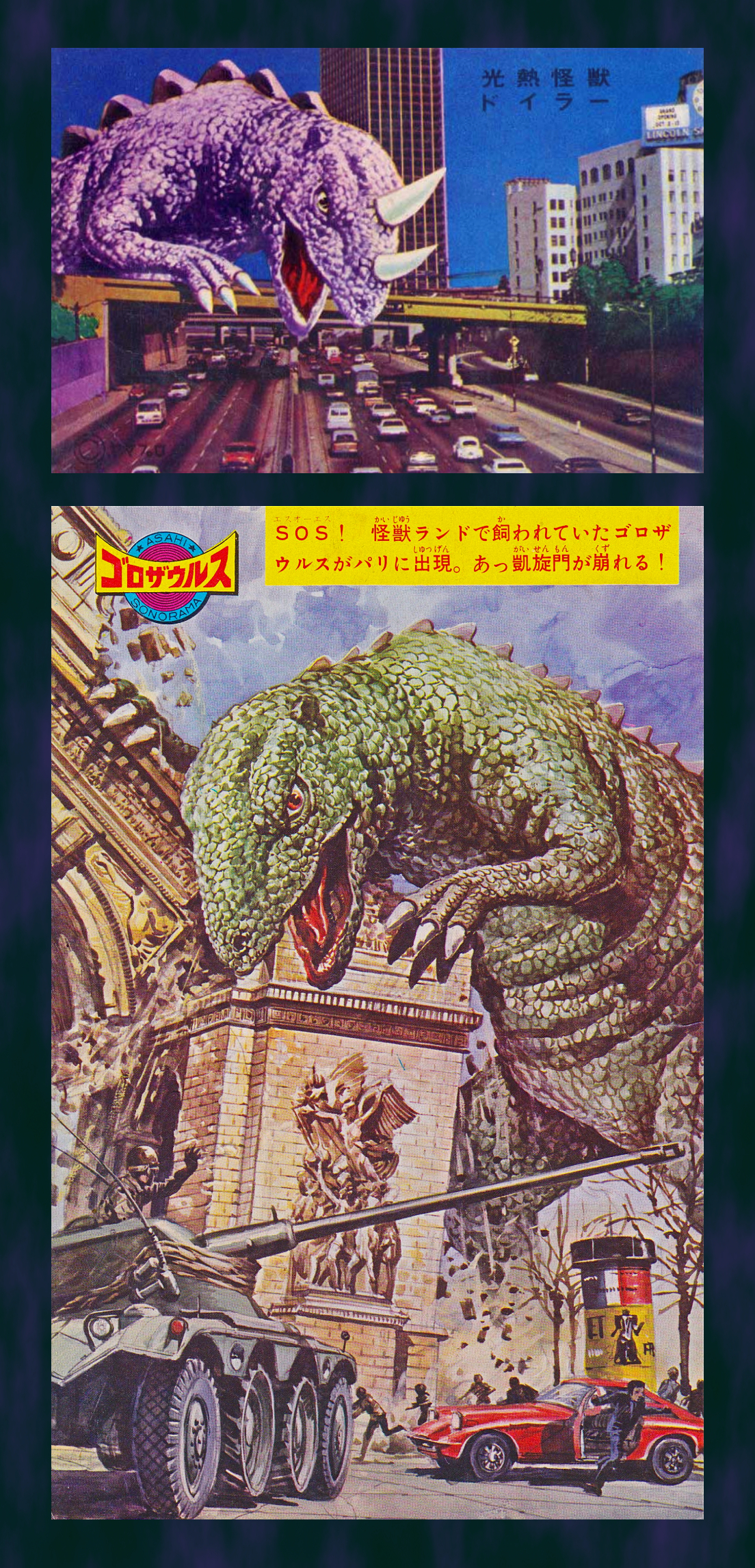
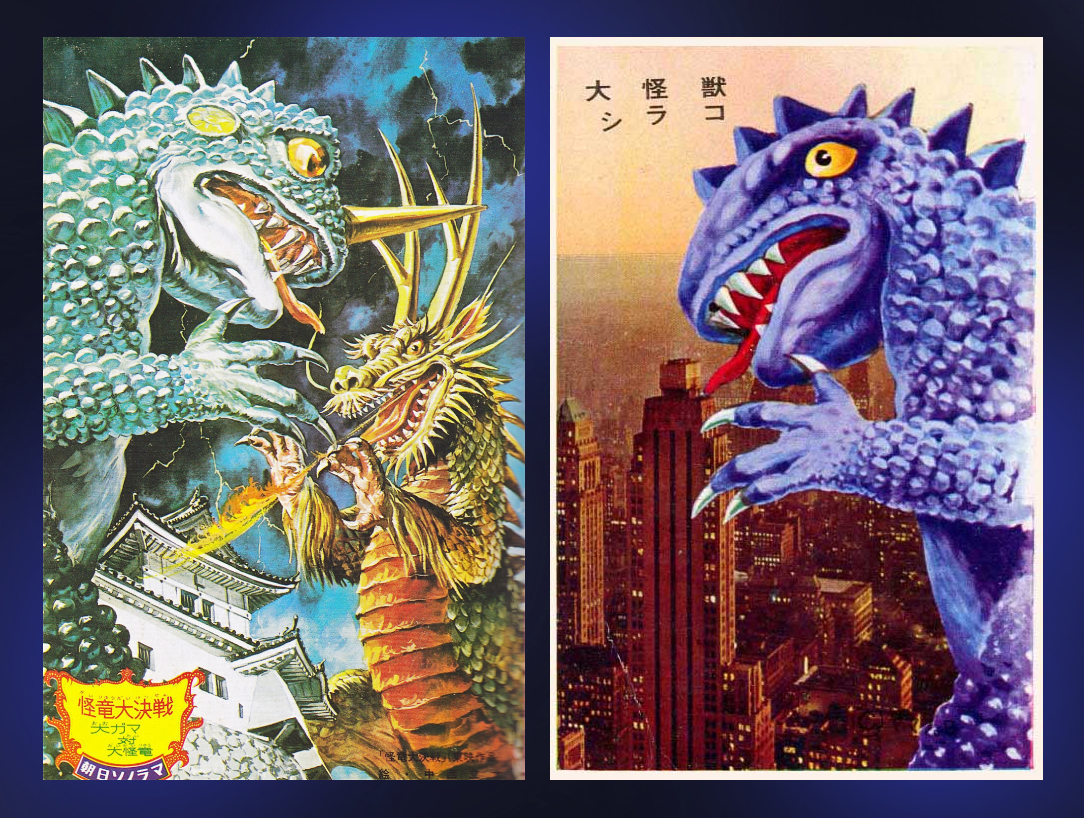
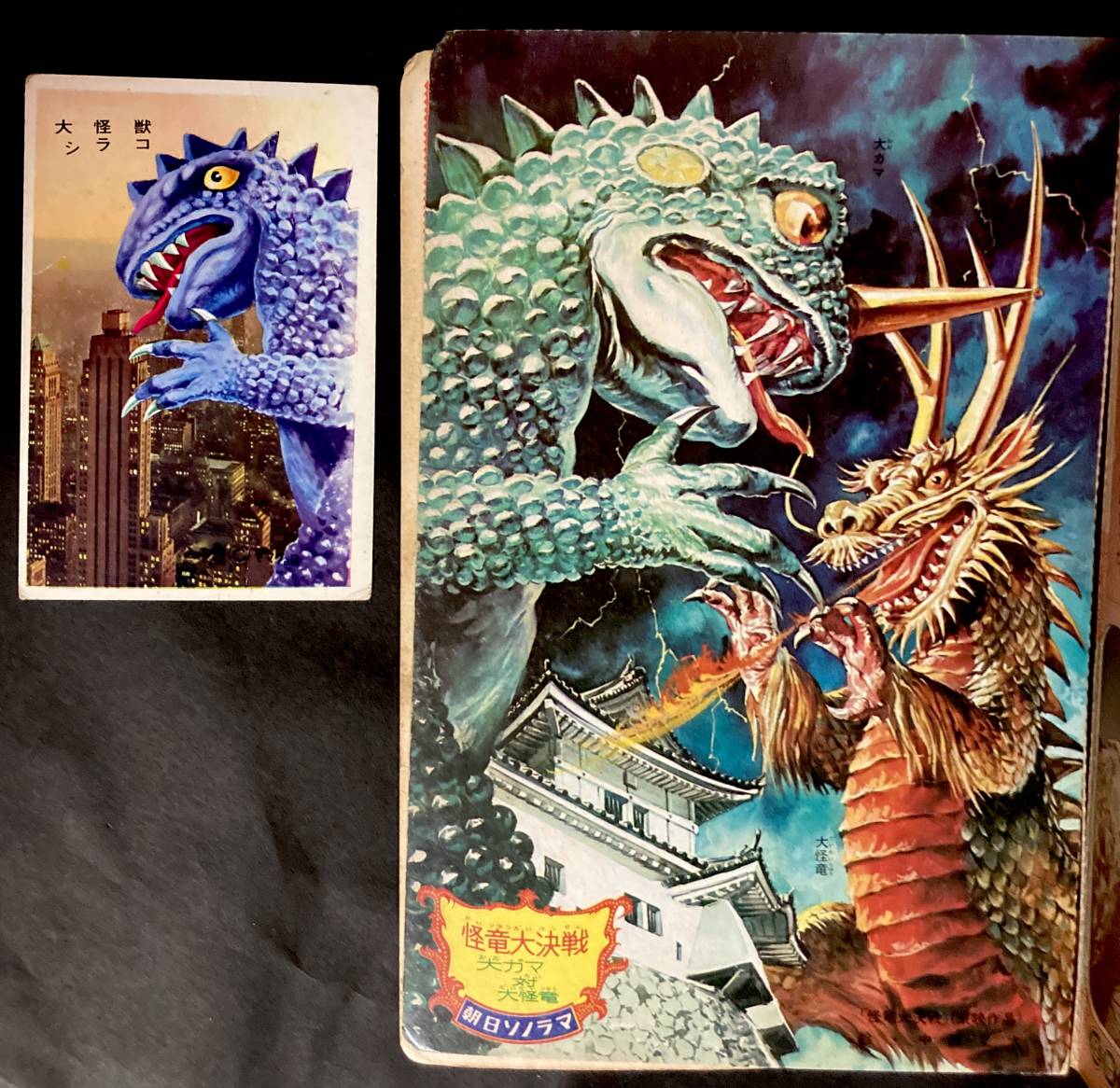
Pachimon was created by Yokopro in the 1970's, around the time kaiju and Tokusatsu were very popular in Japan. The cards consists of several "Pachimon," monsters often based on those from popular kaiju series such as Godzilla, Gamera and the Ultra Series, usually shown attacking famous cities or places.
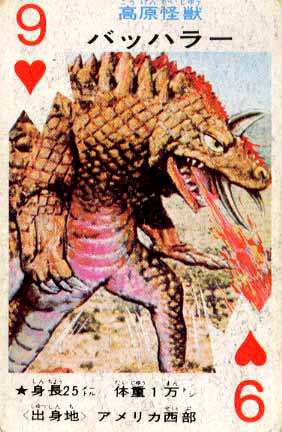
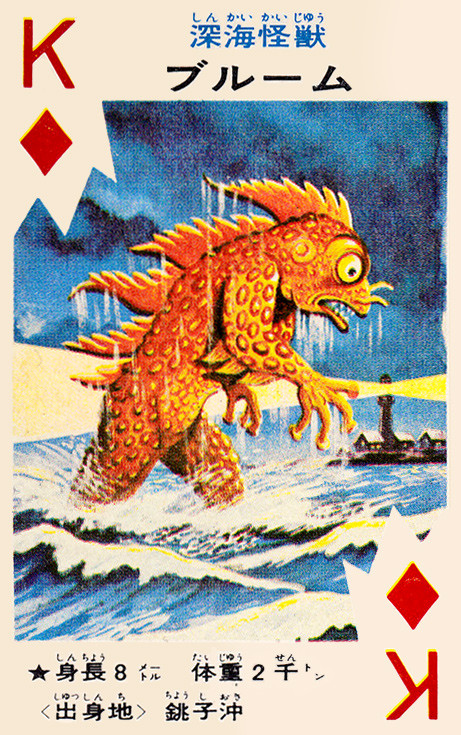
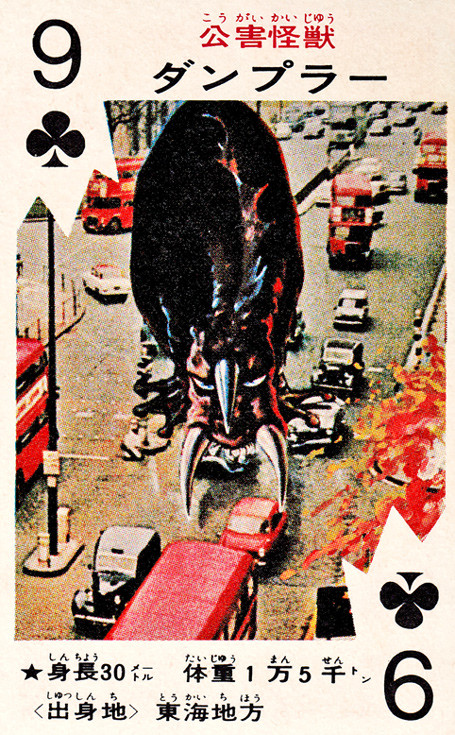
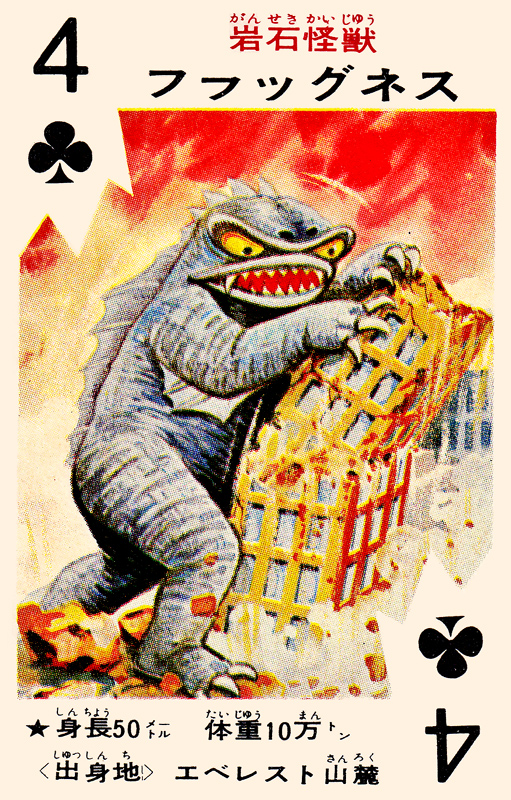
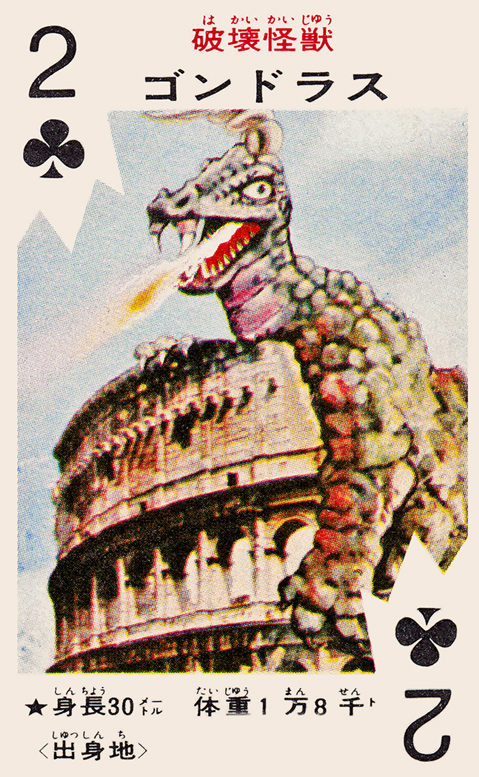
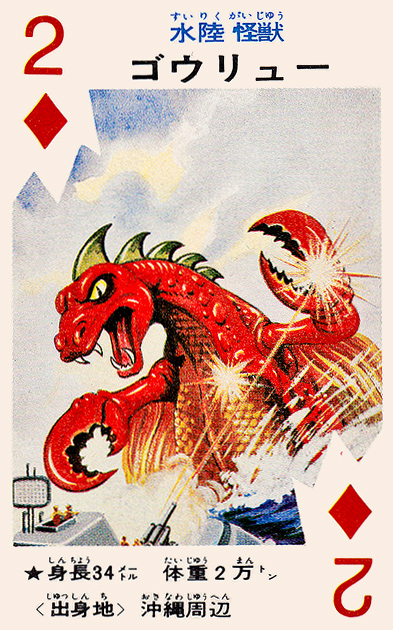
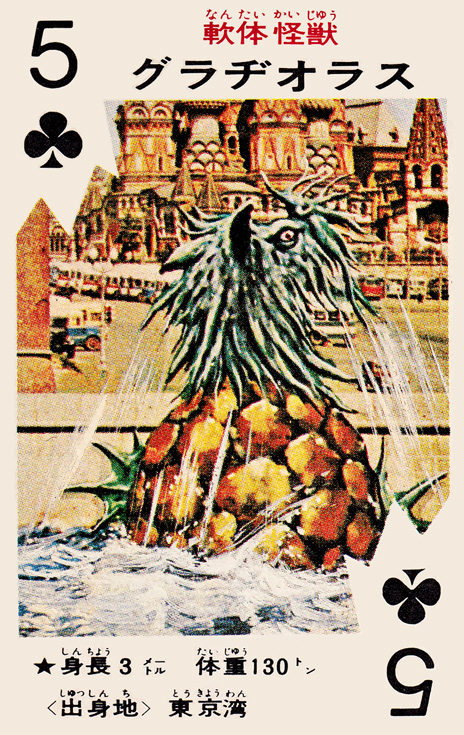
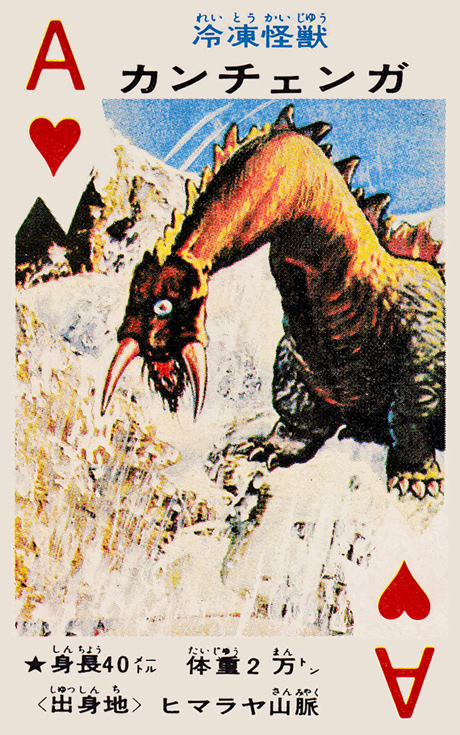
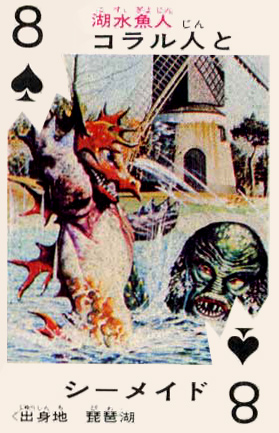
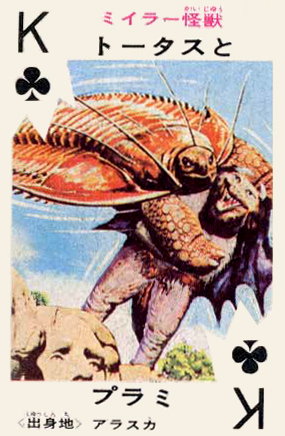
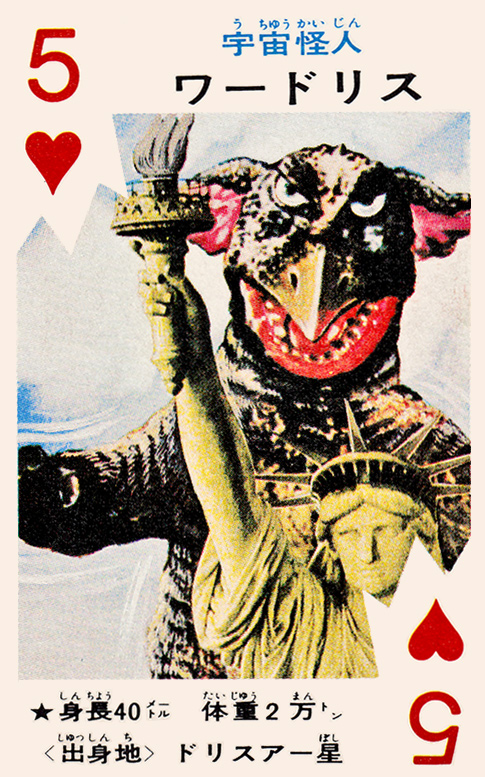
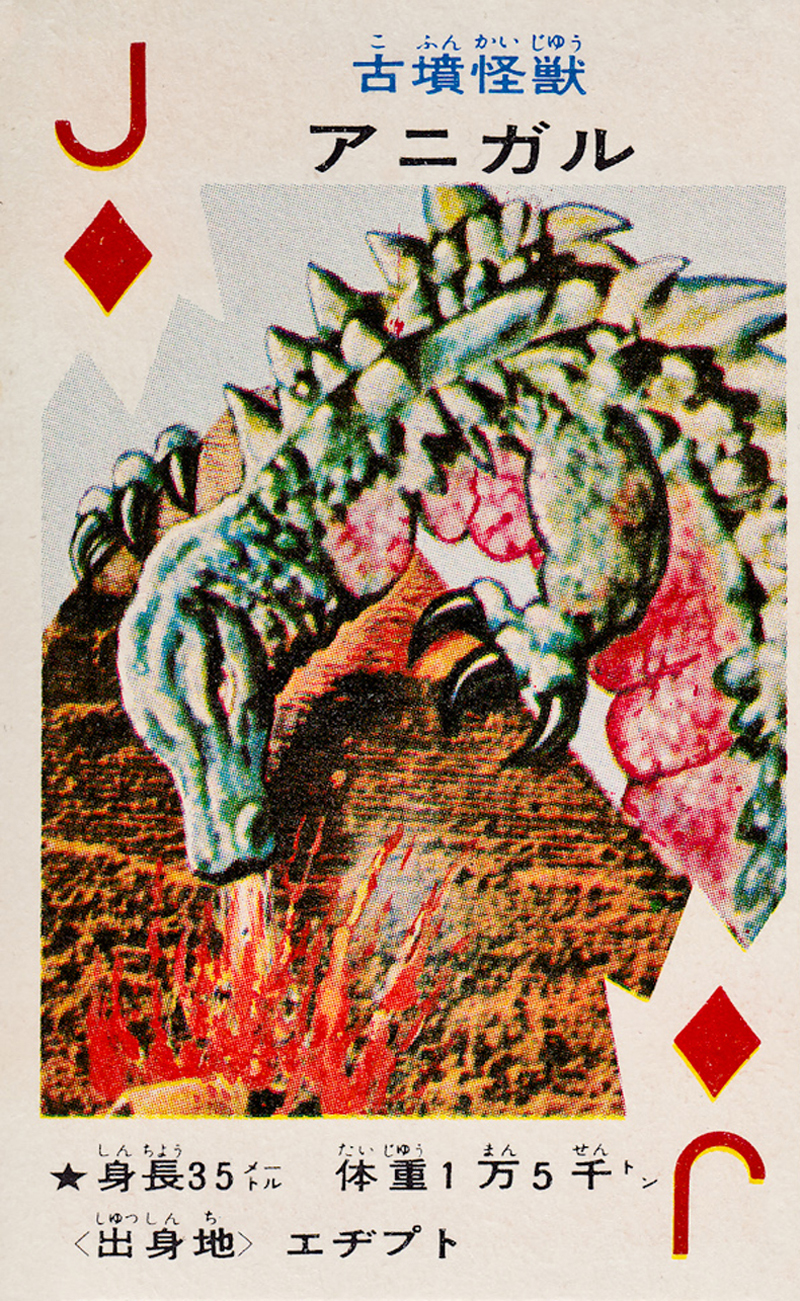
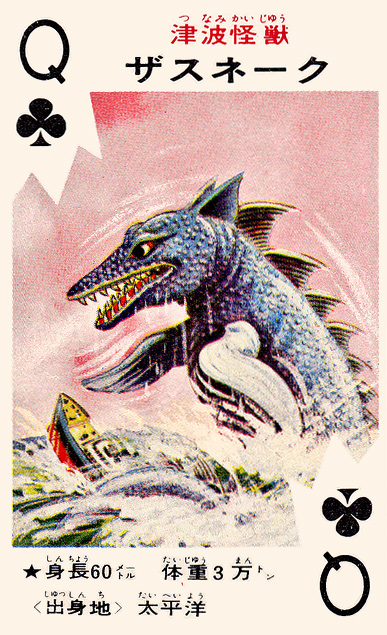
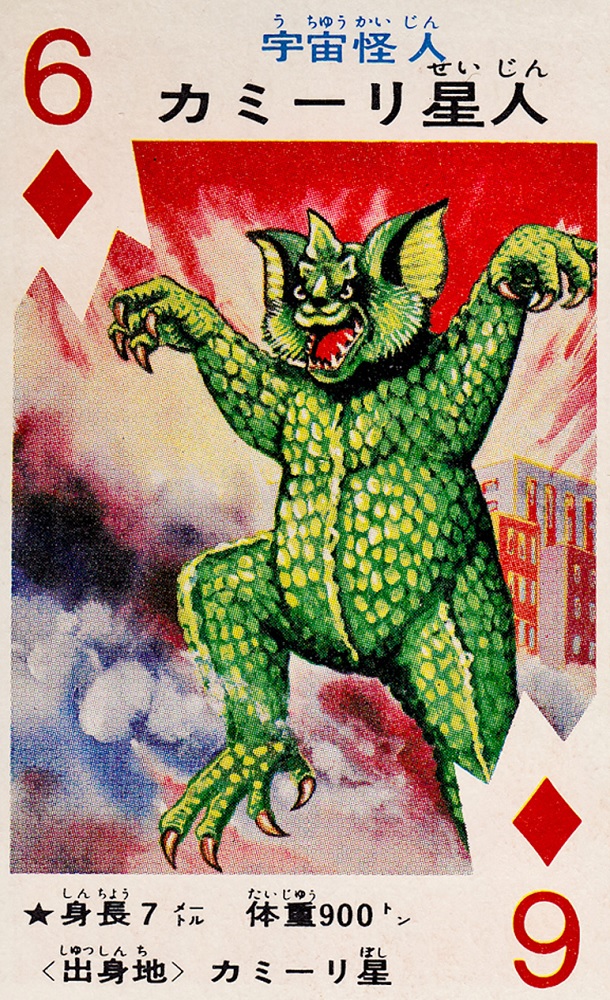
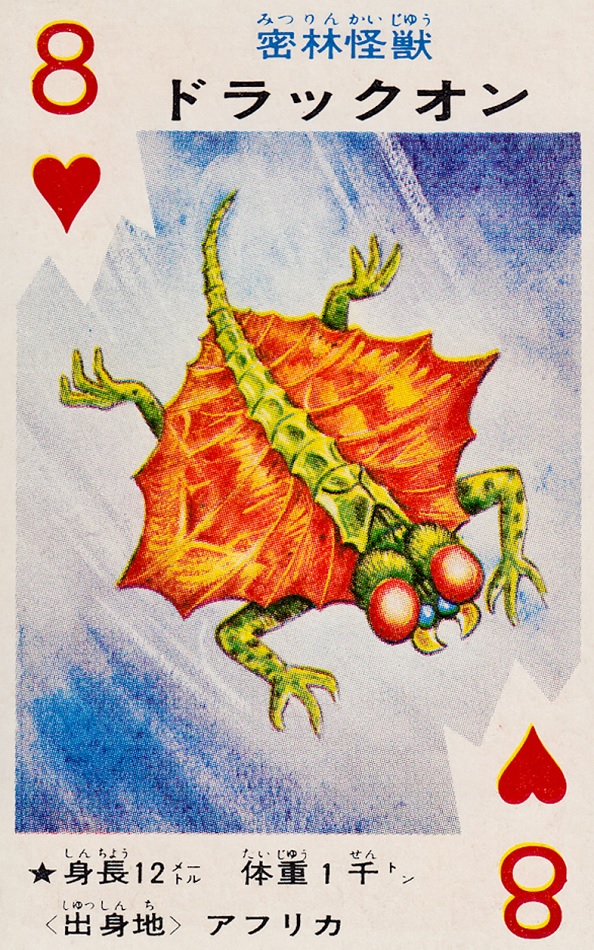
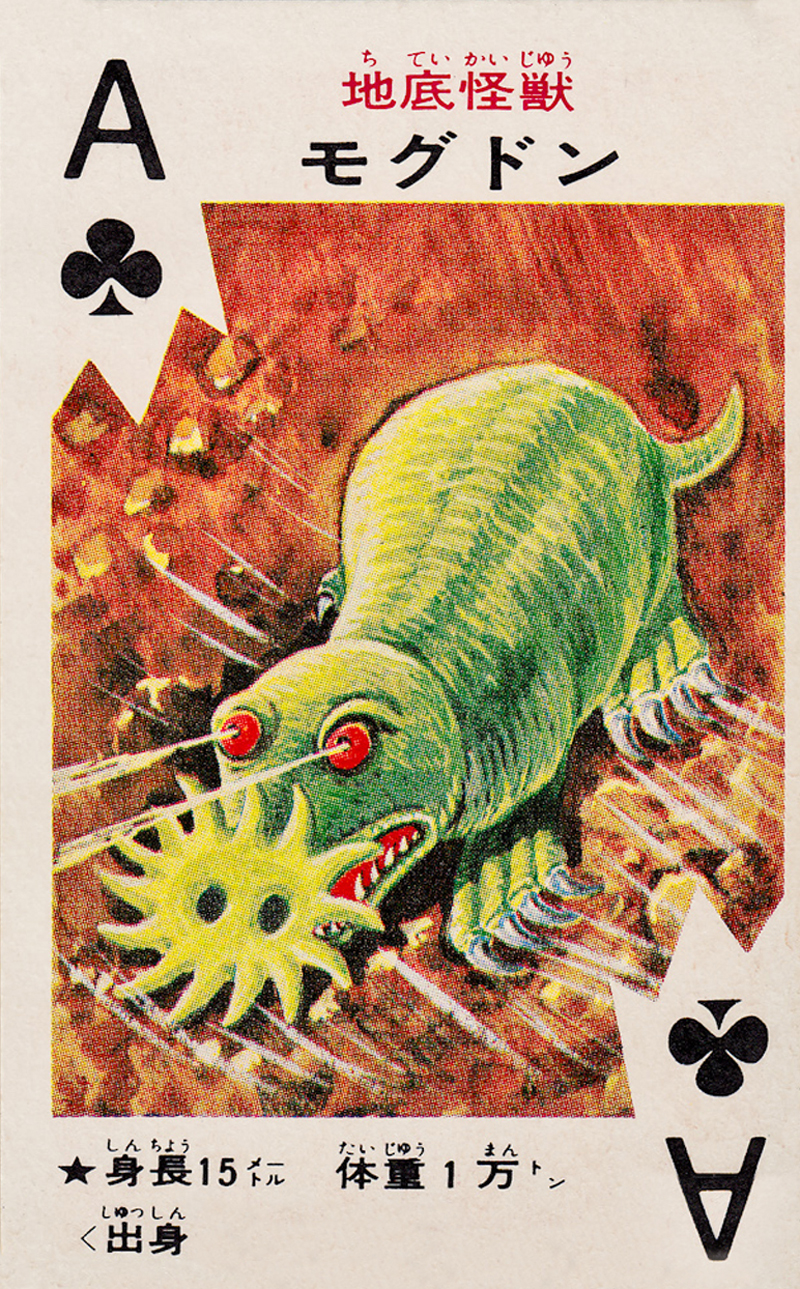
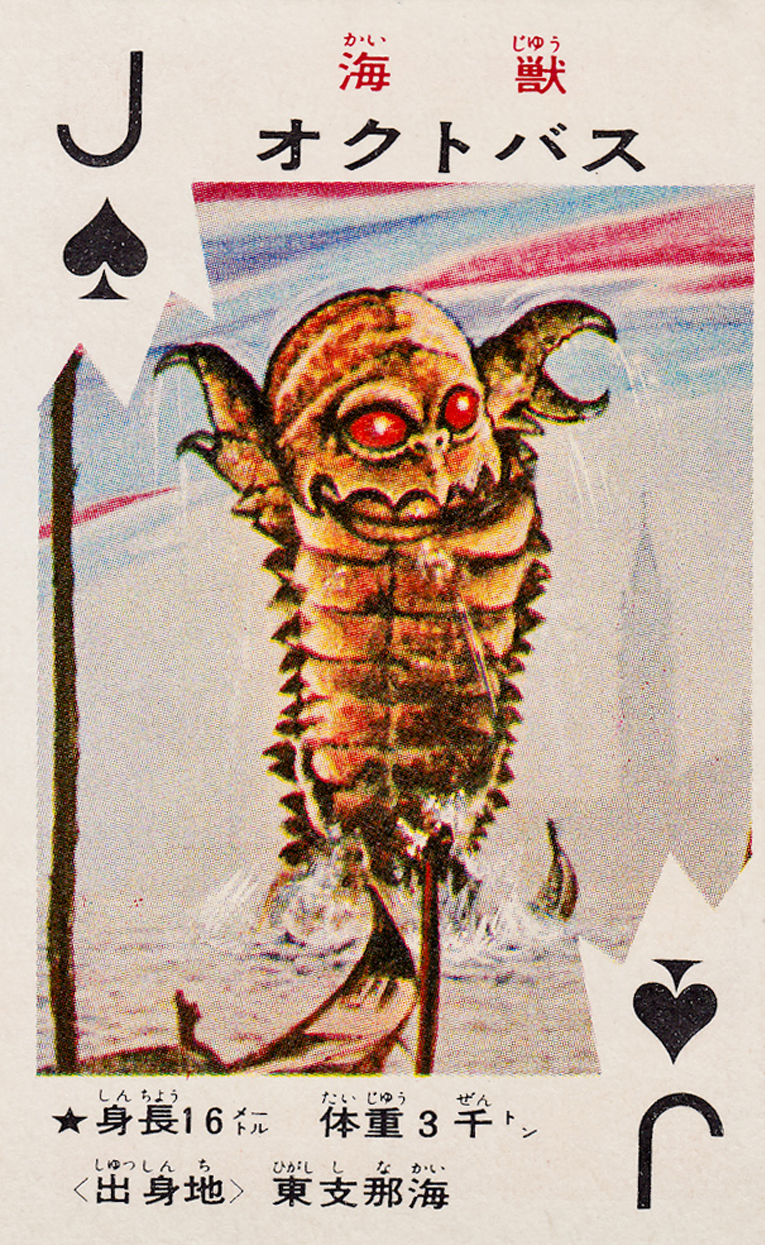
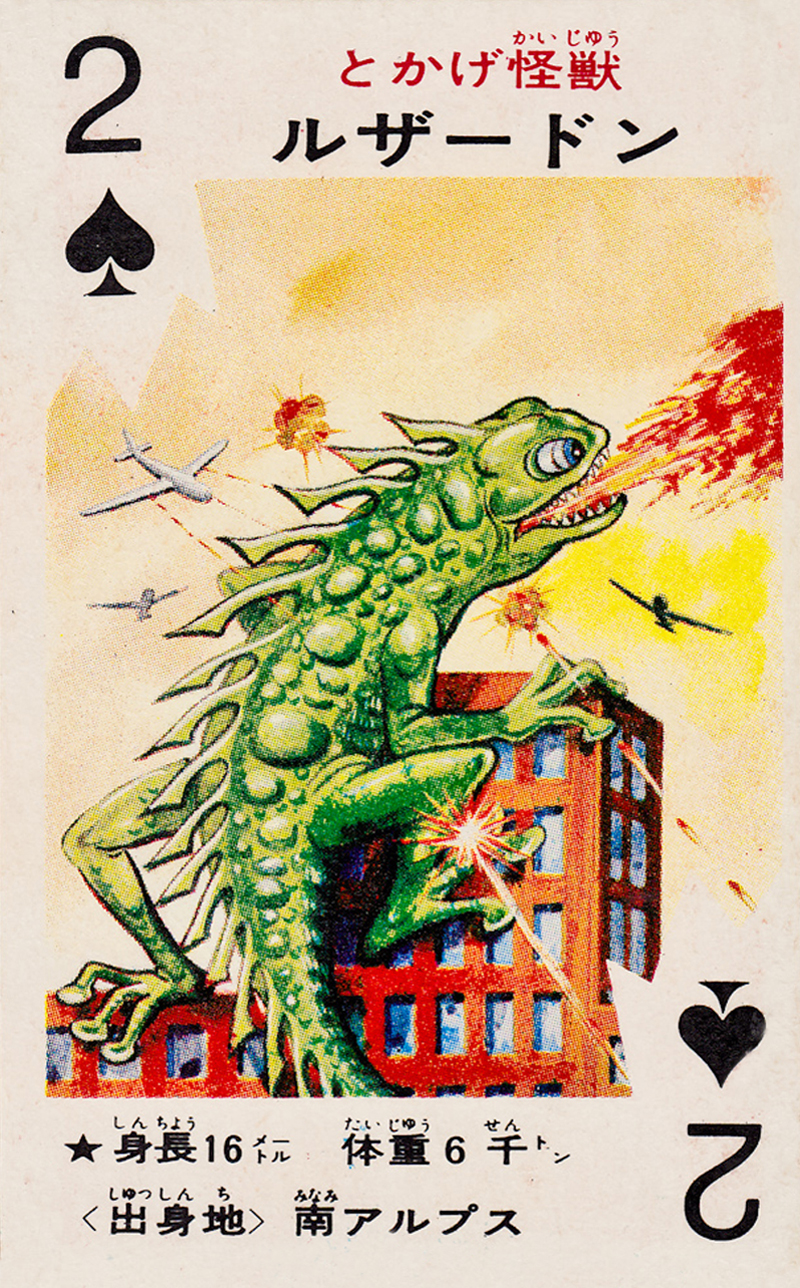
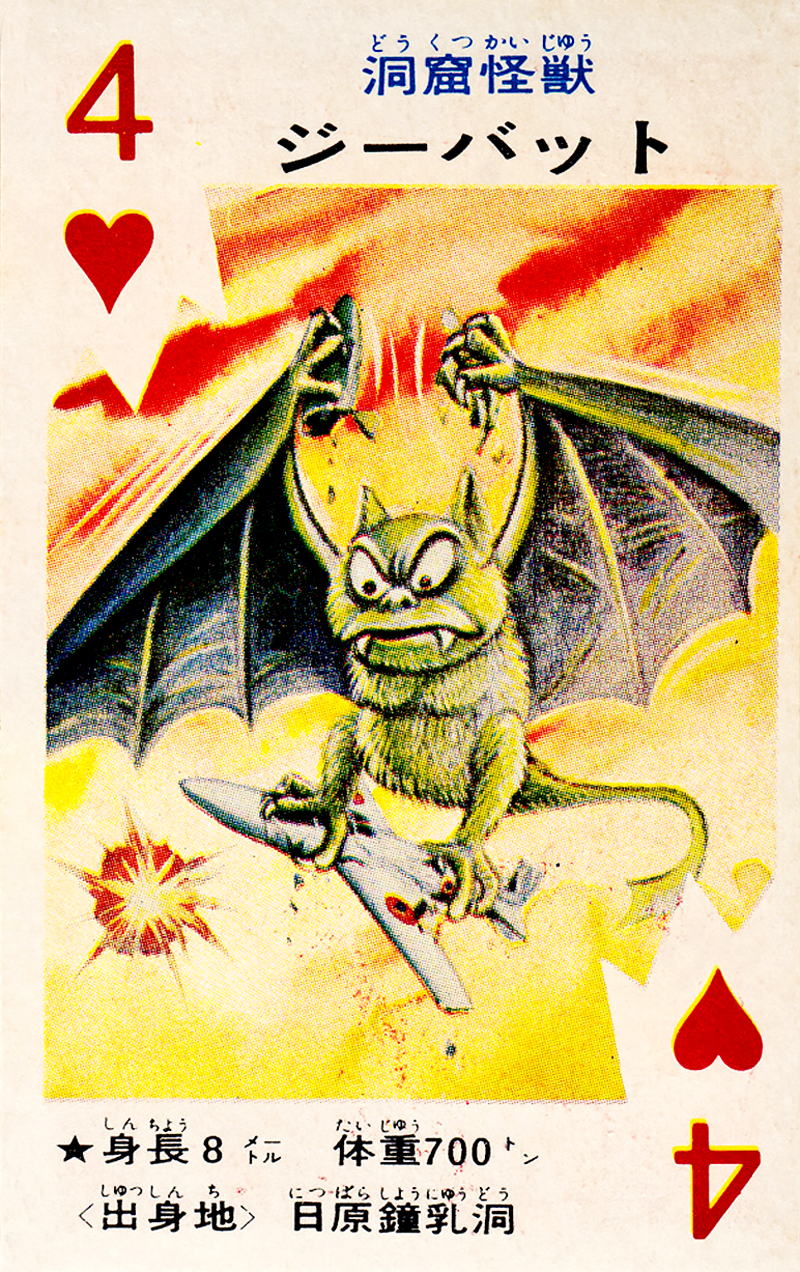
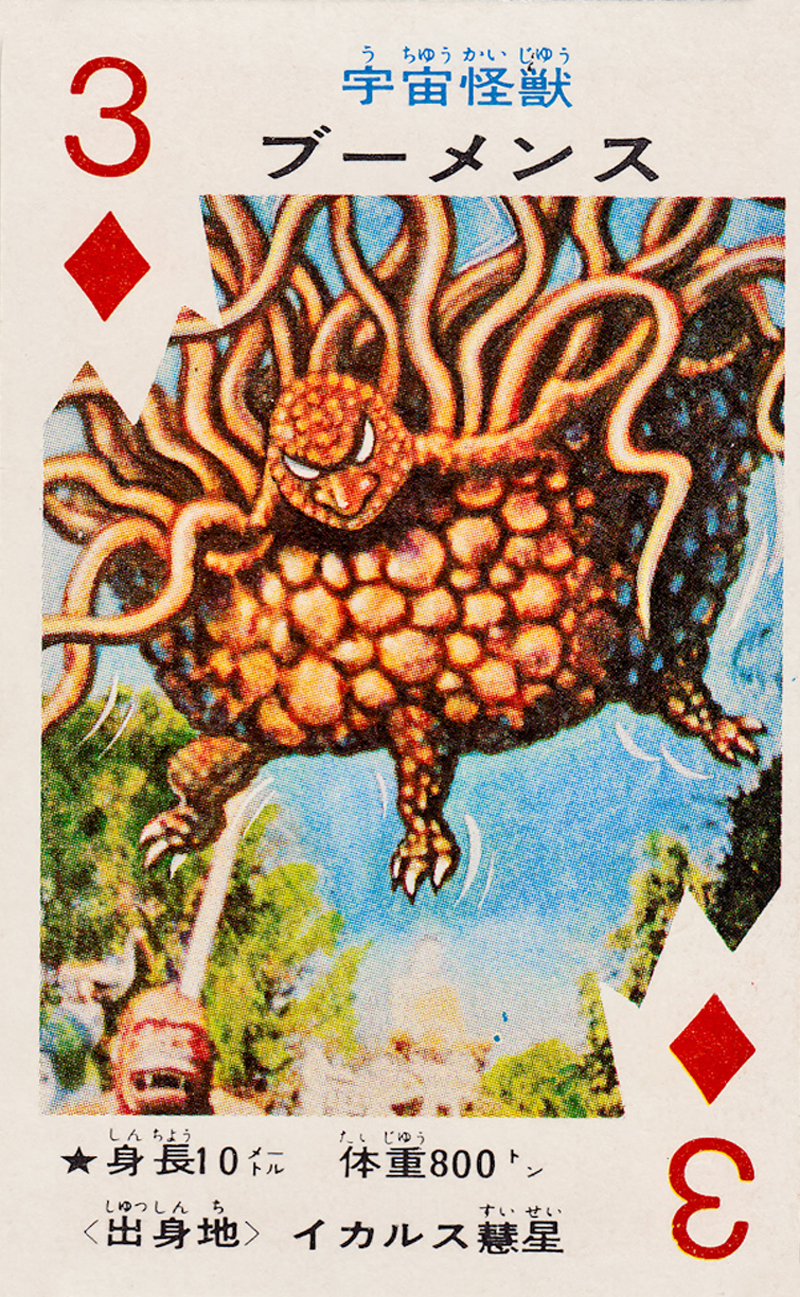
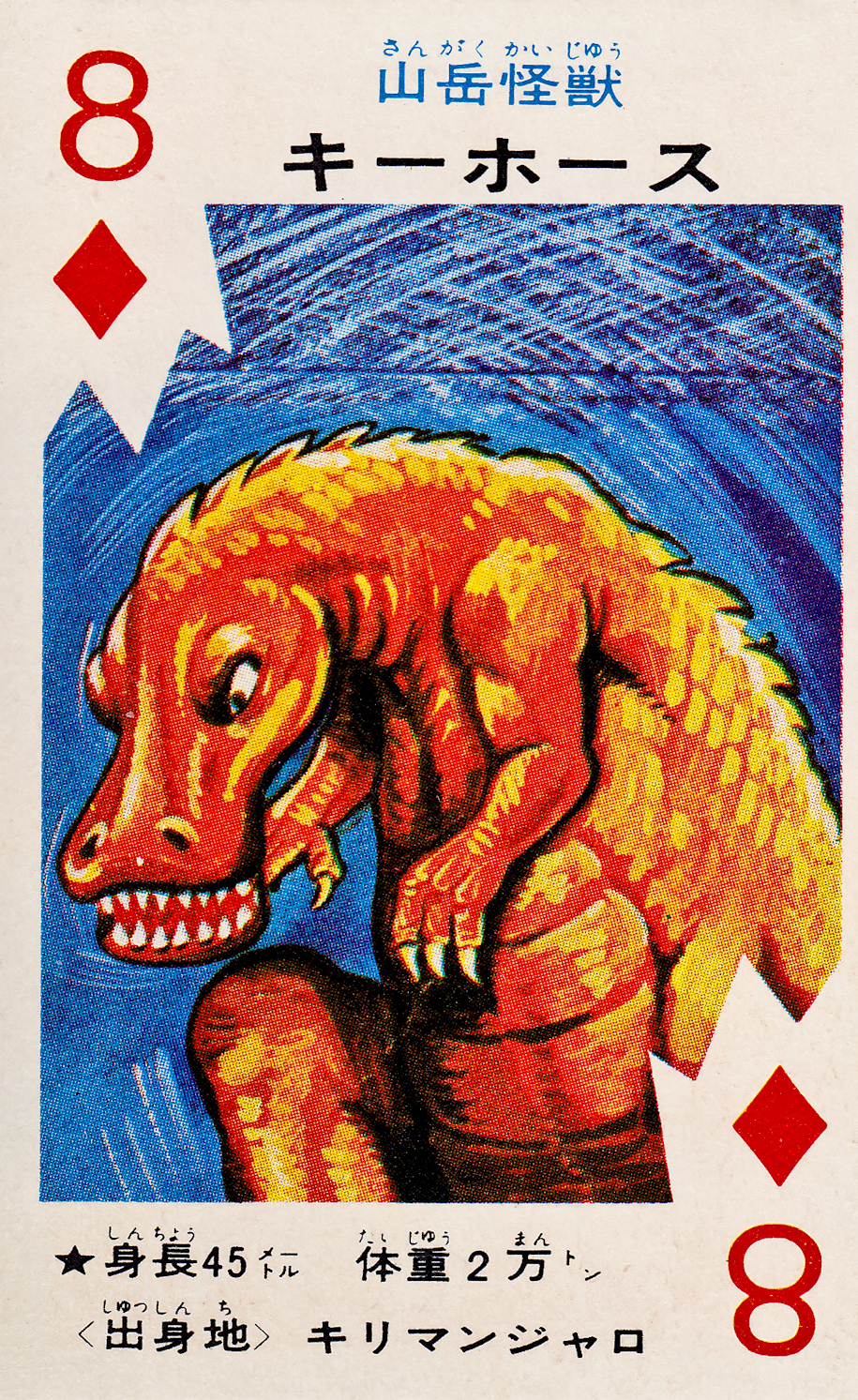
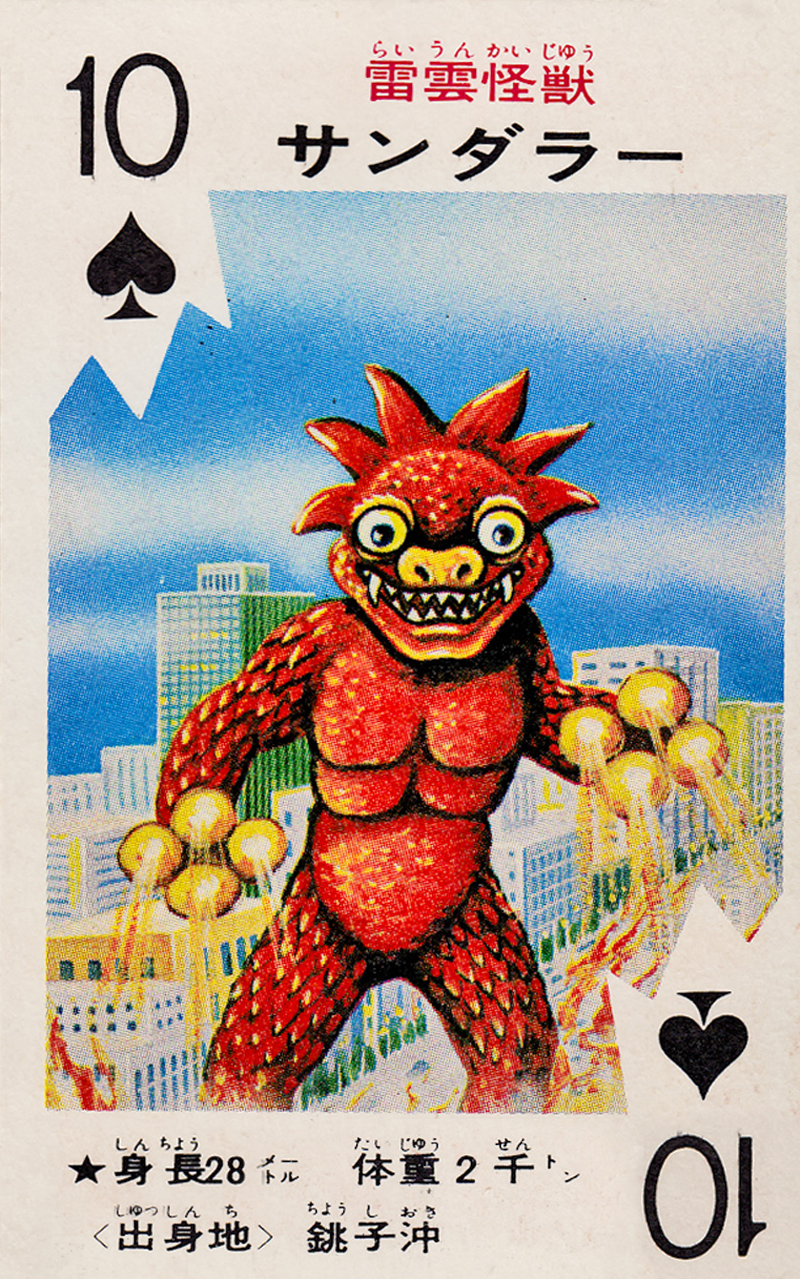
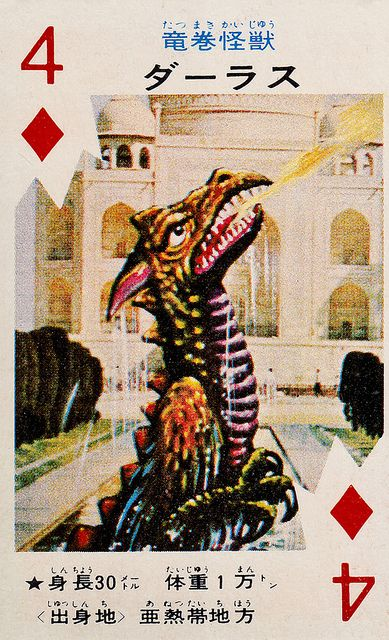
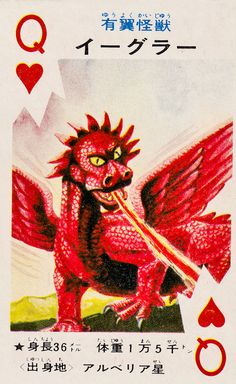
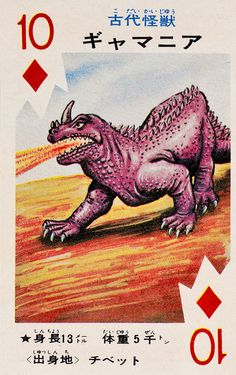
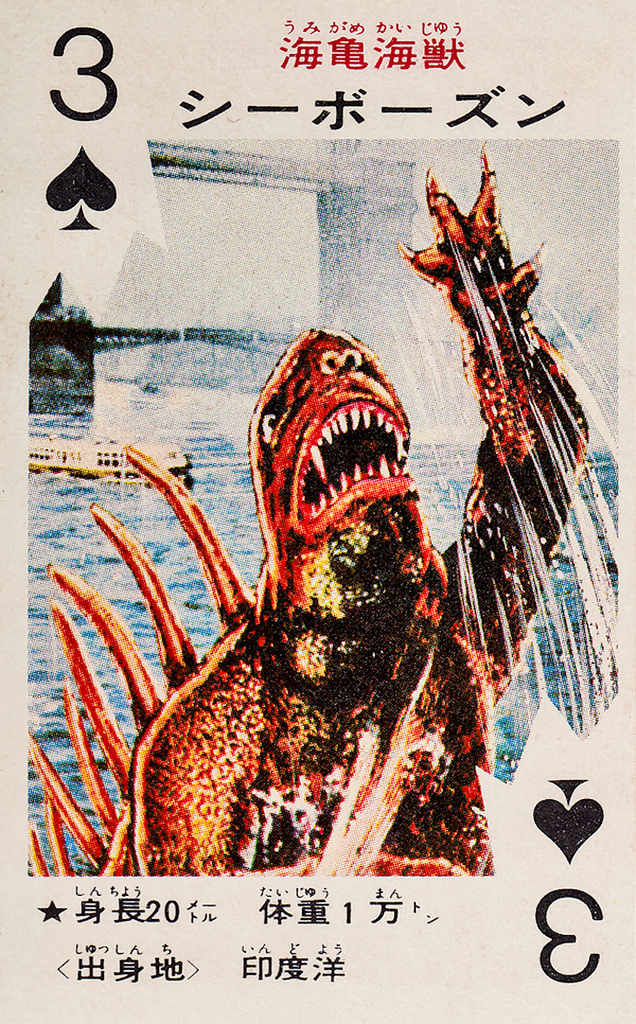
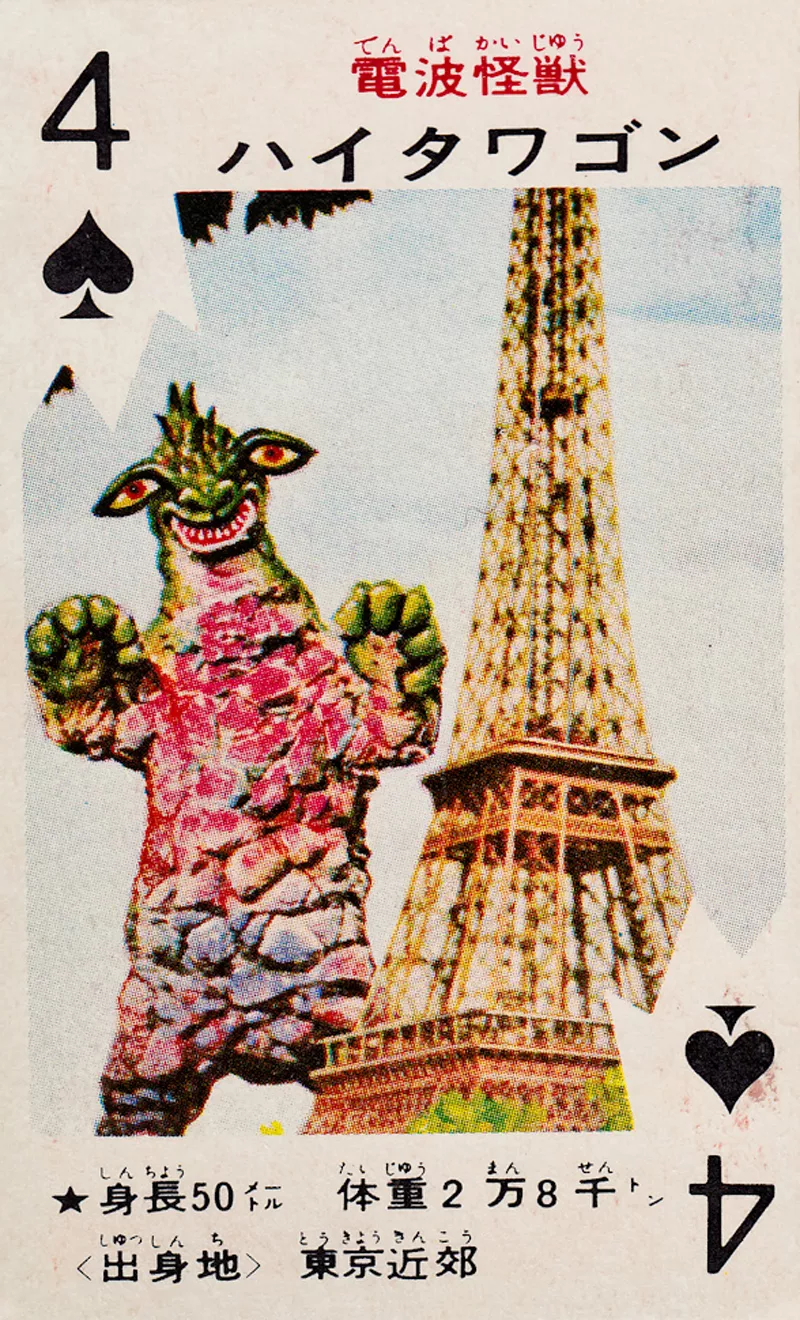
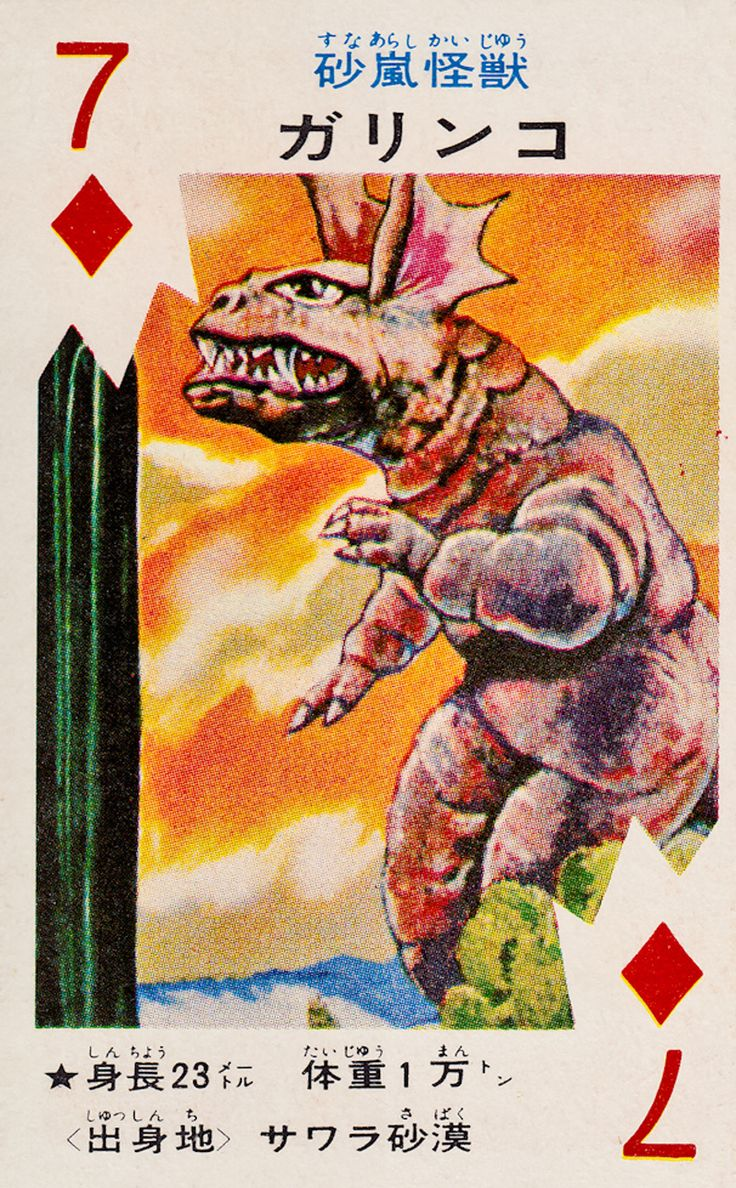
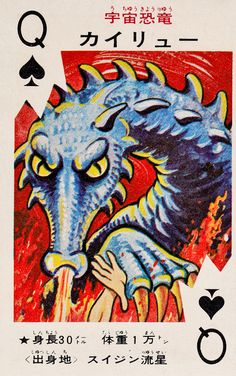
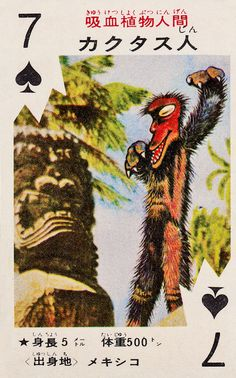
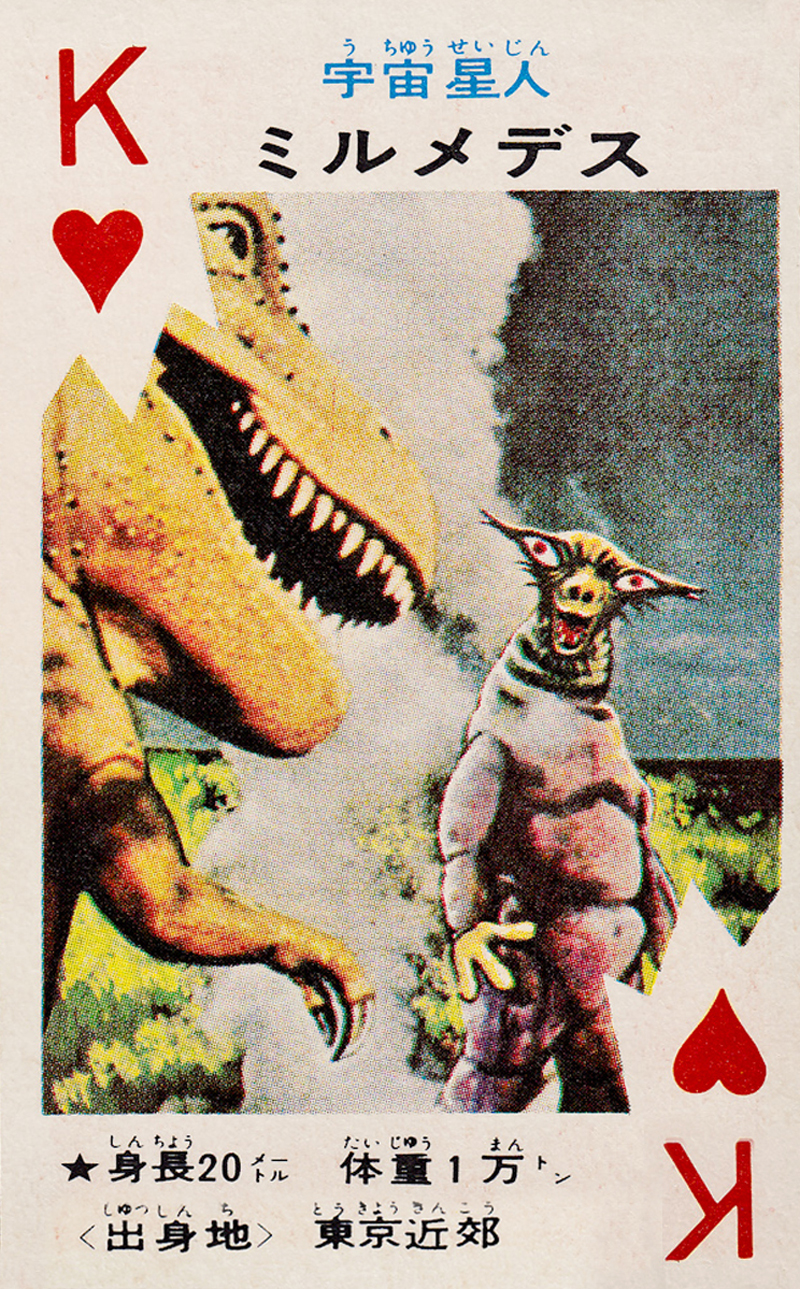
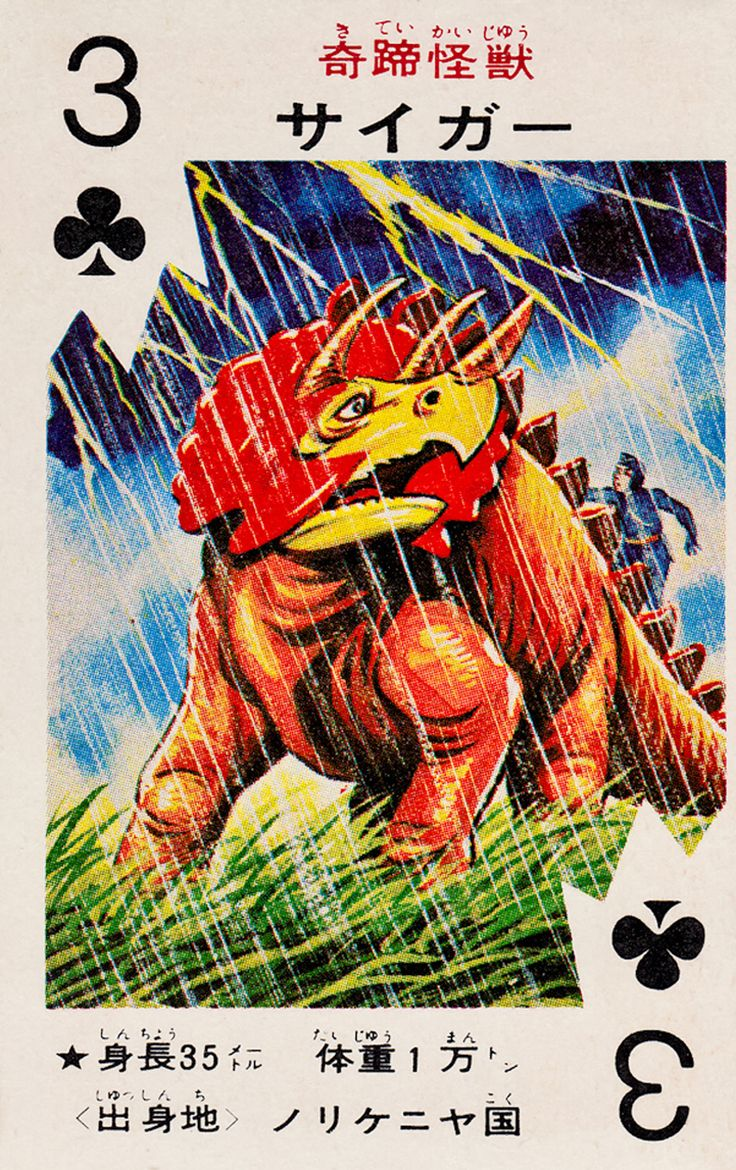
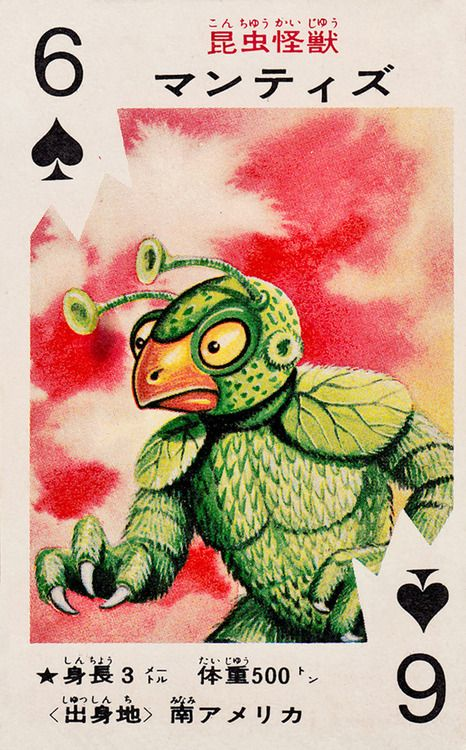
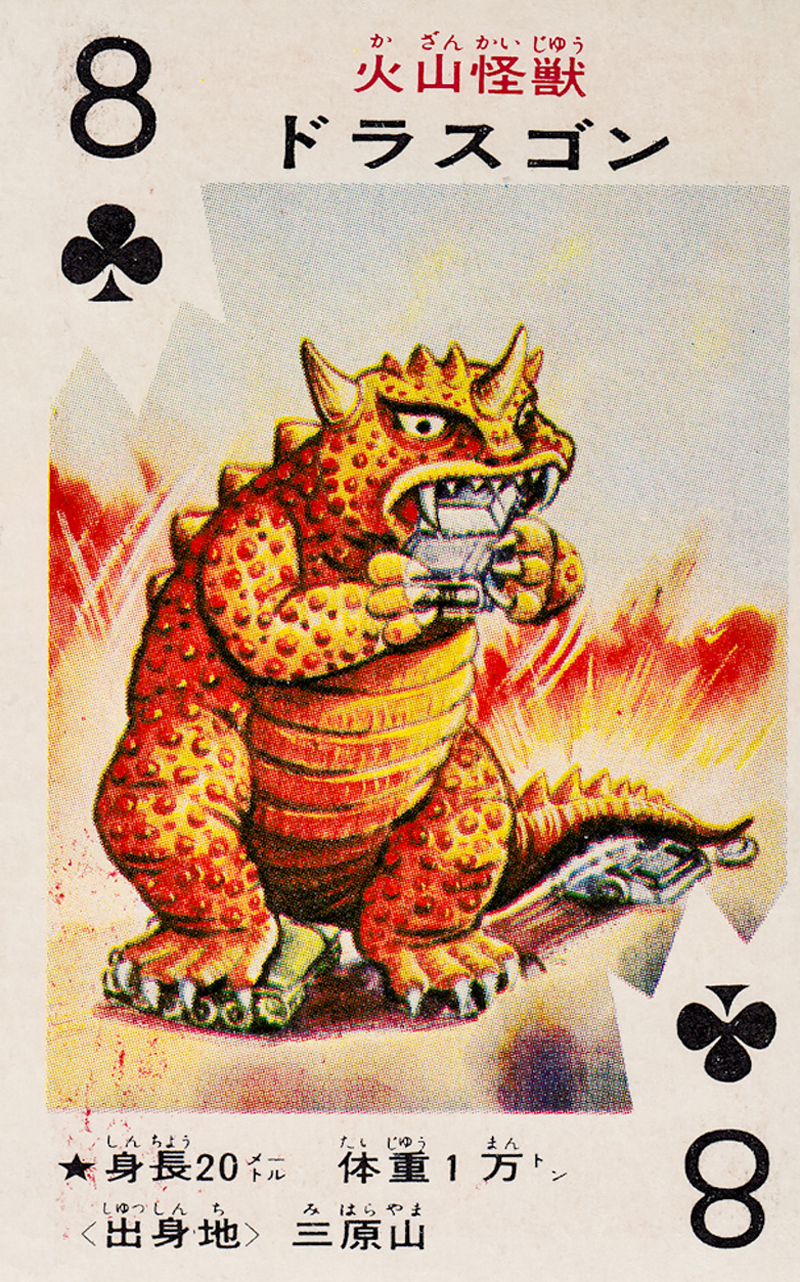
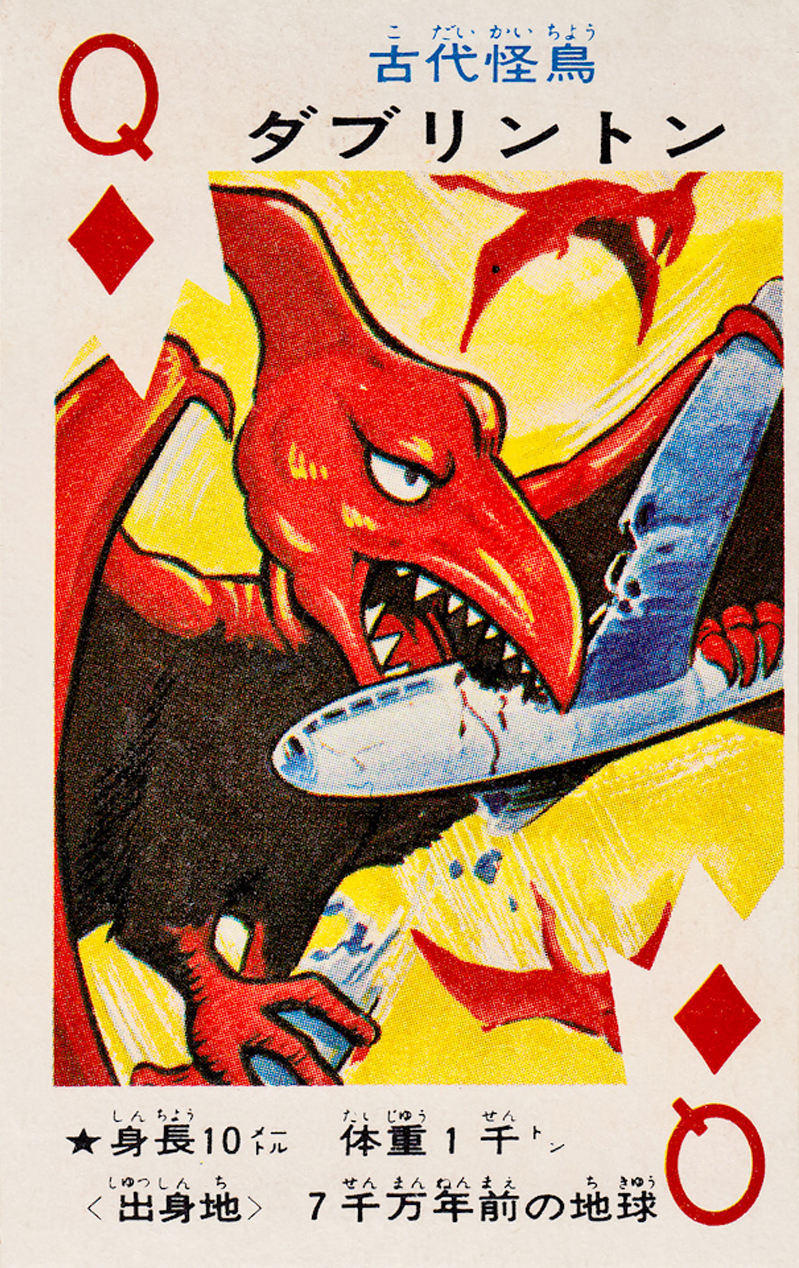
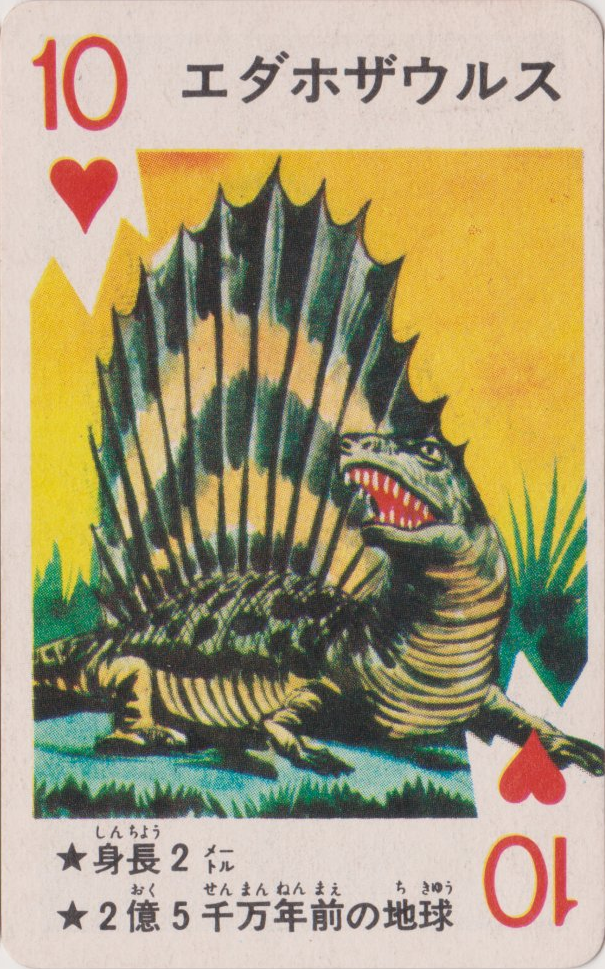
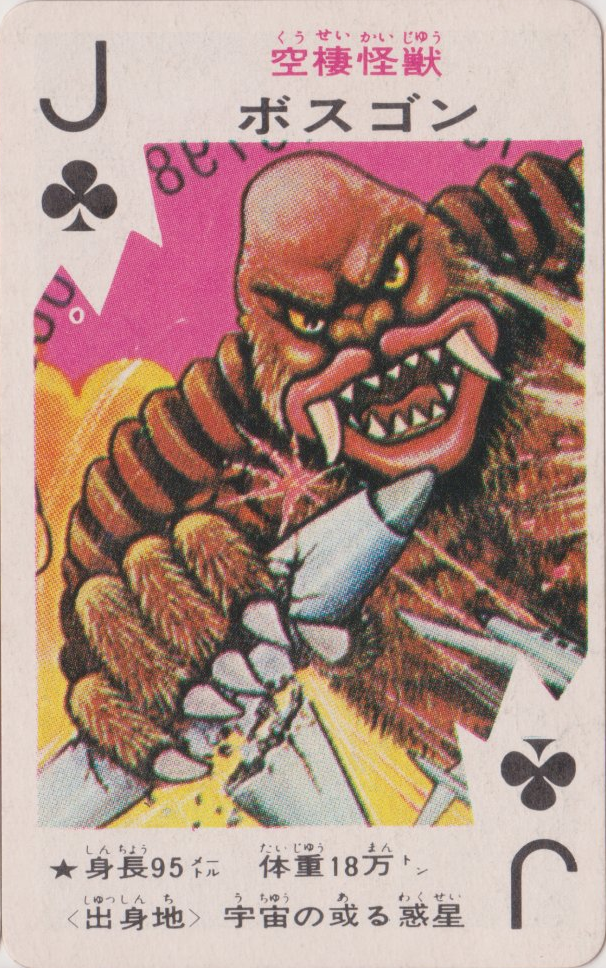
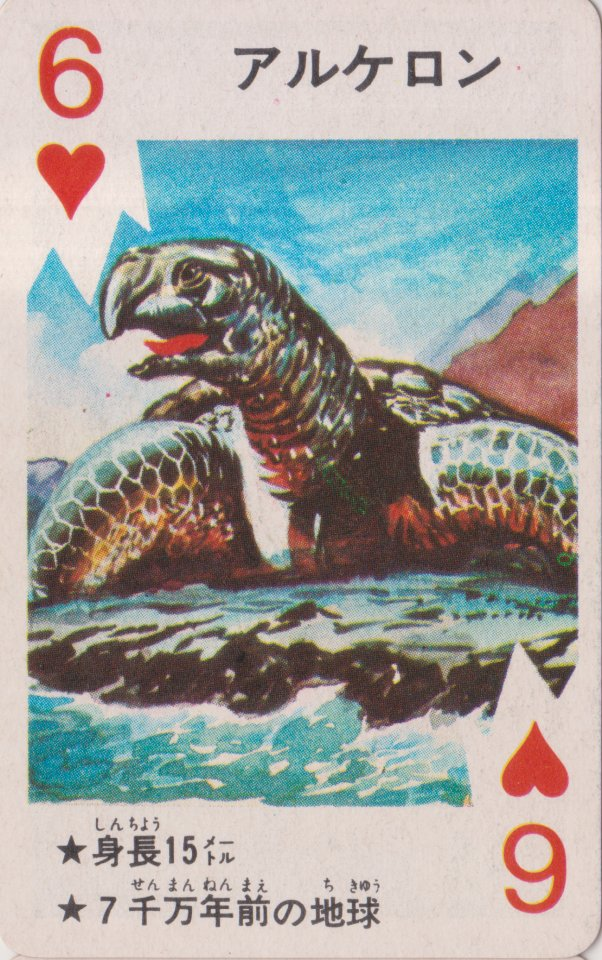
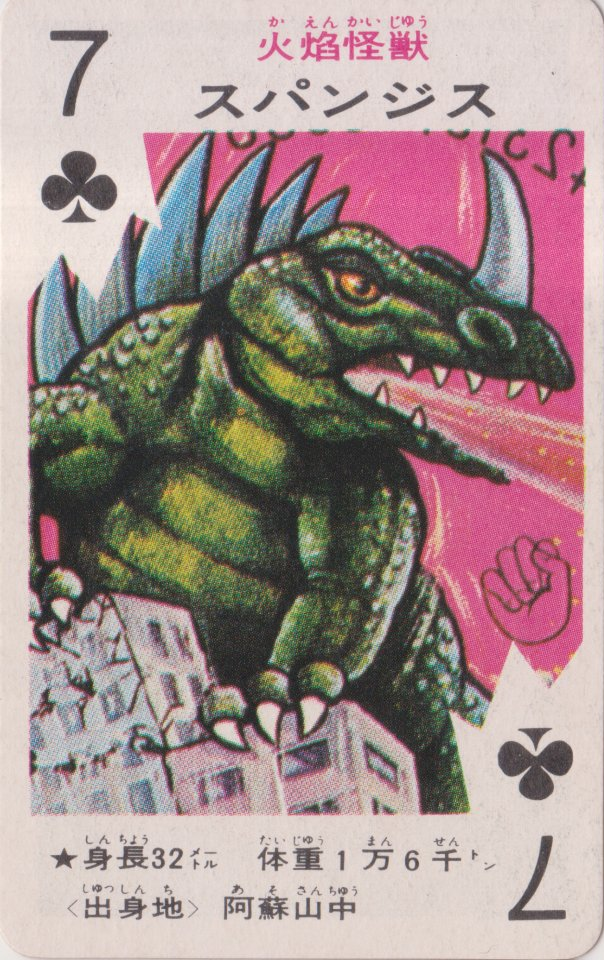
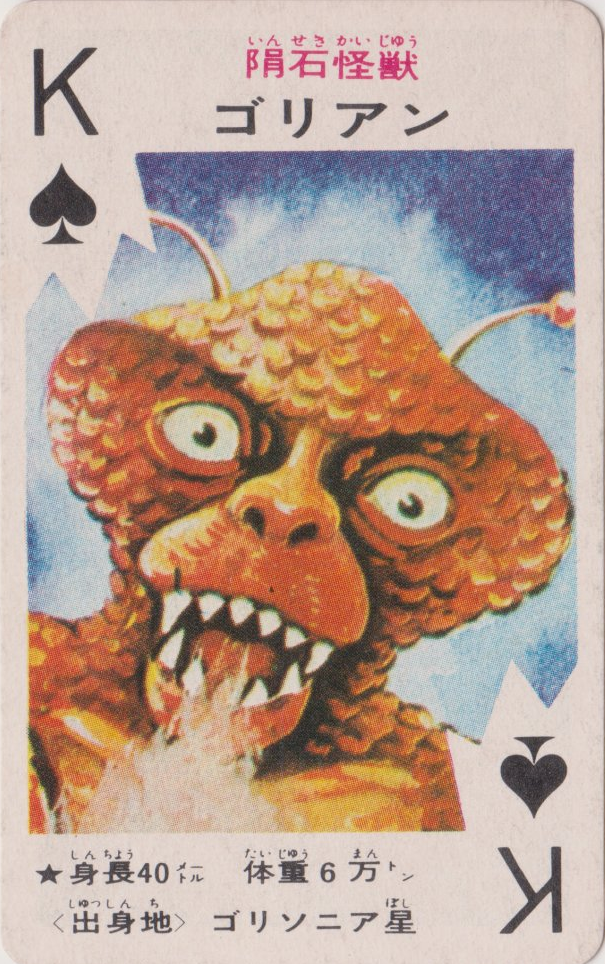
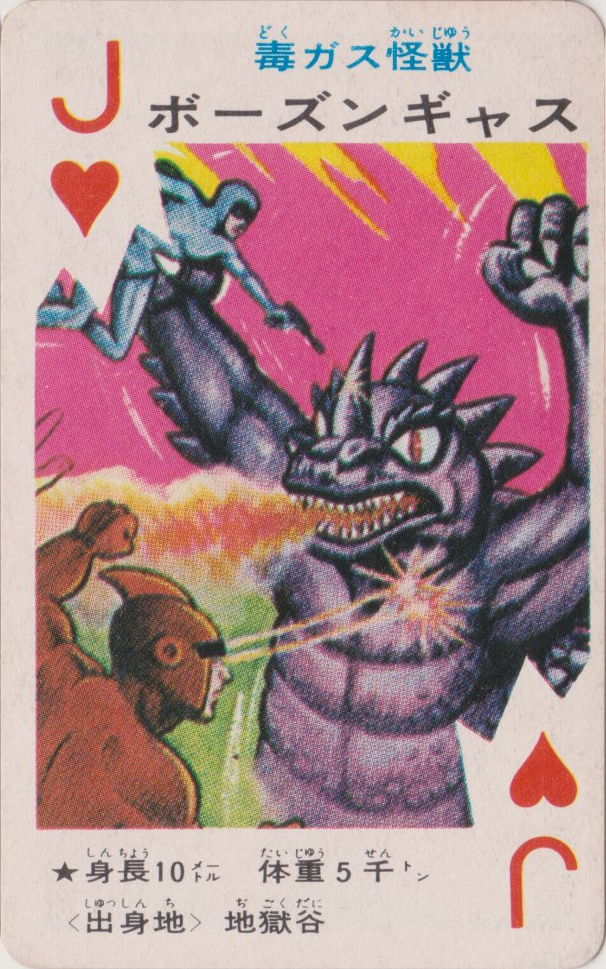
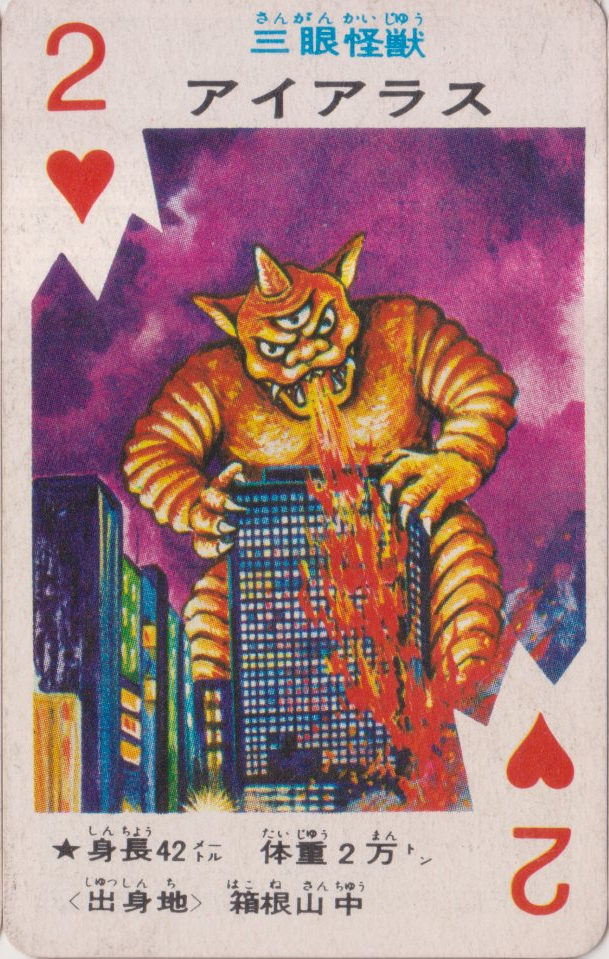
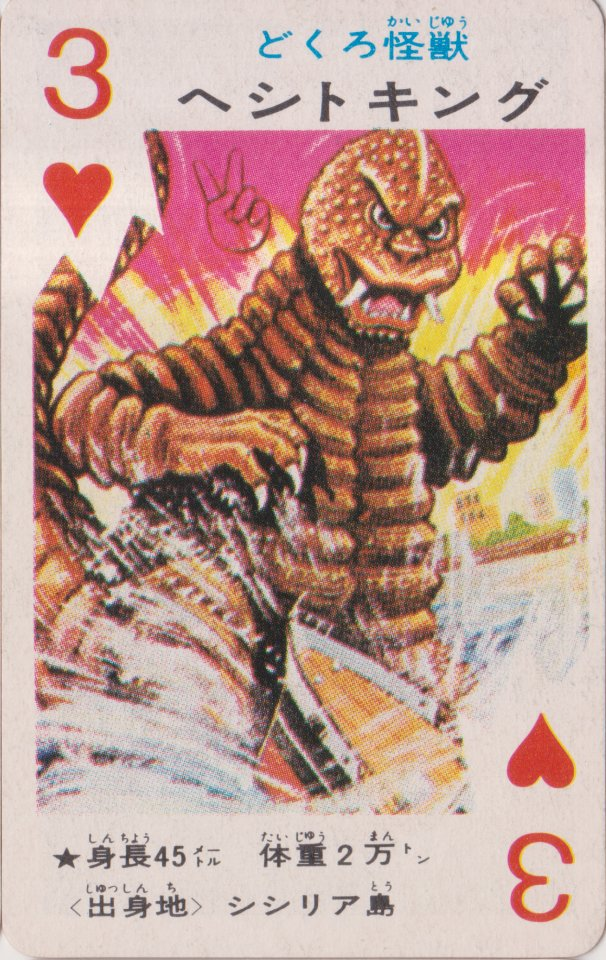
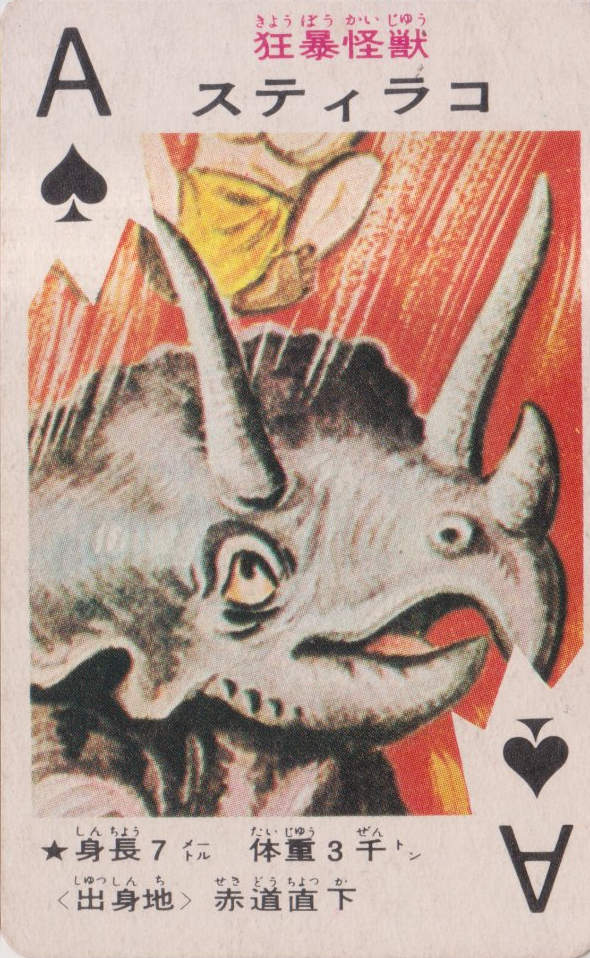
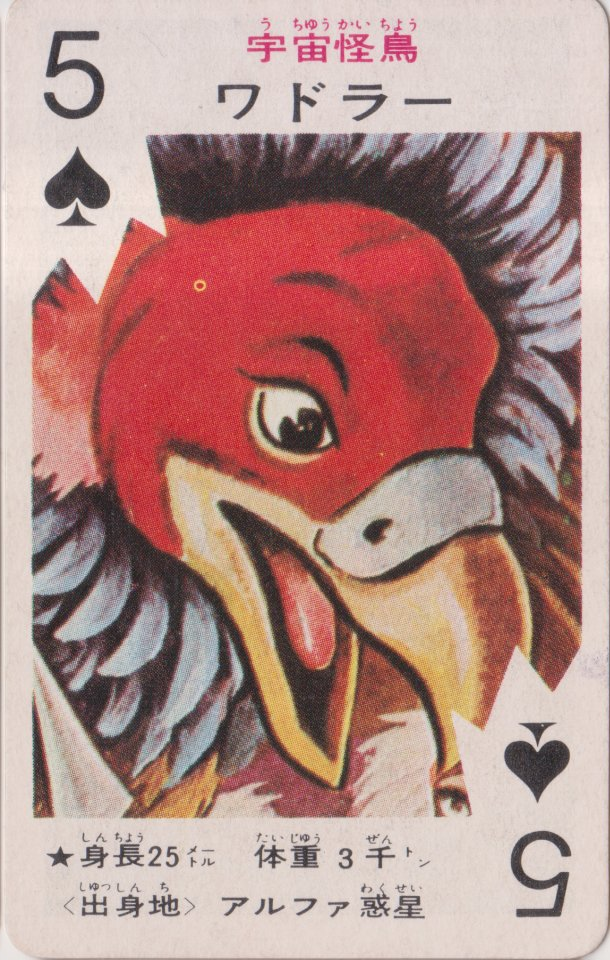
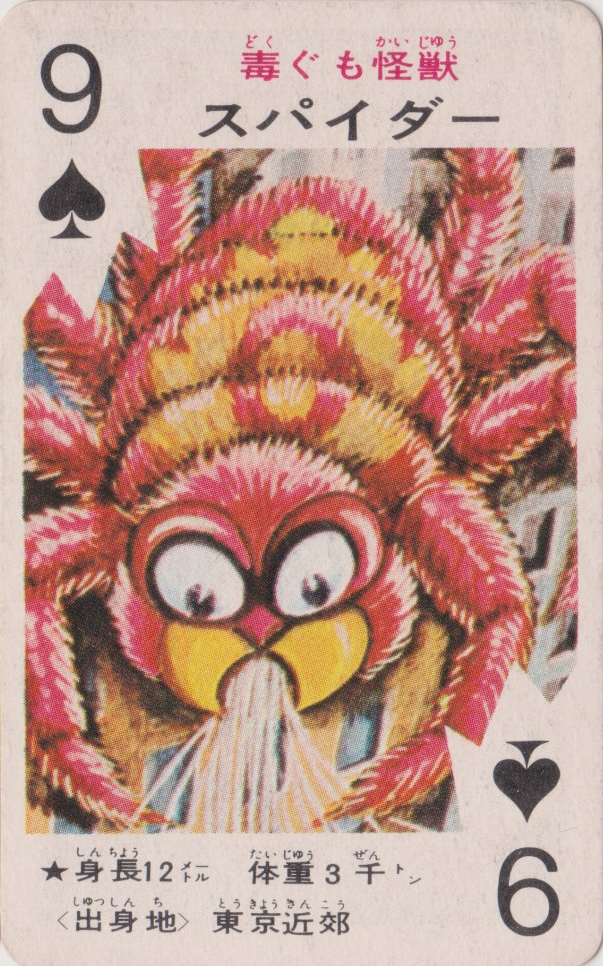
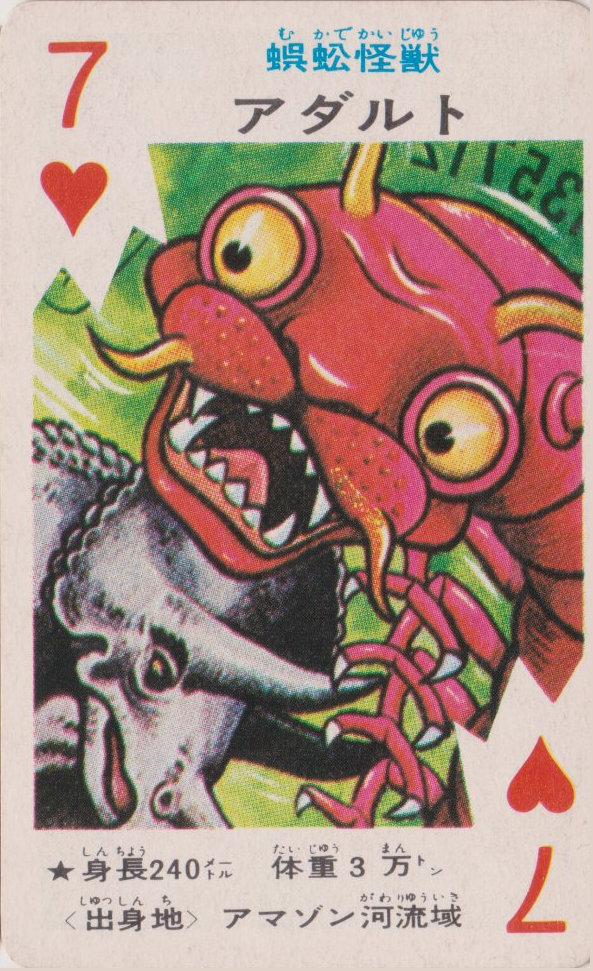
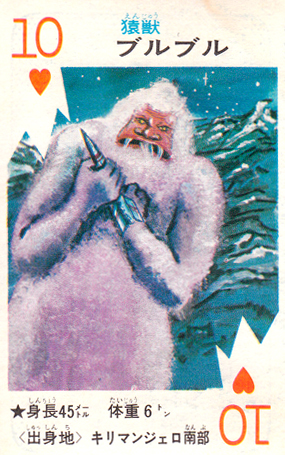
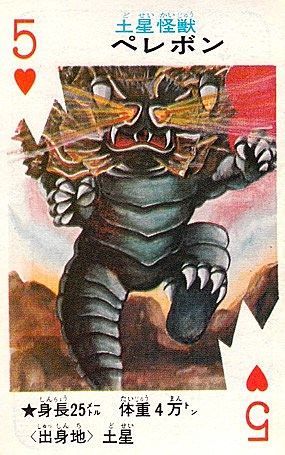
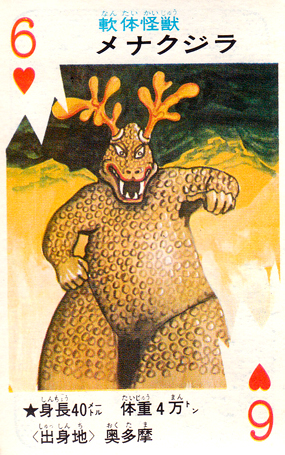
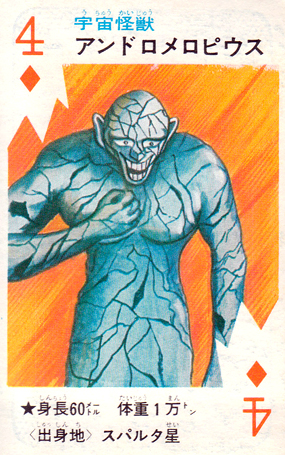
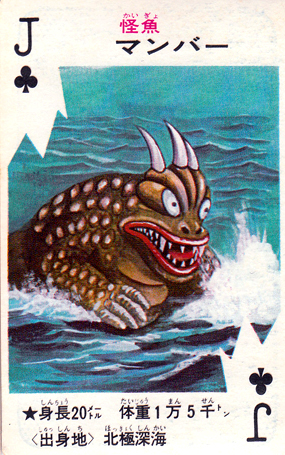
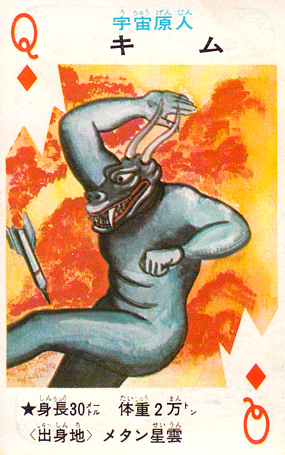
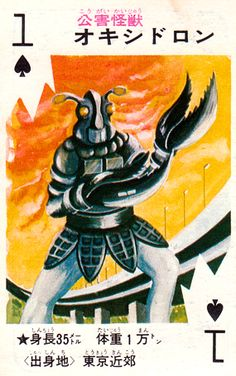
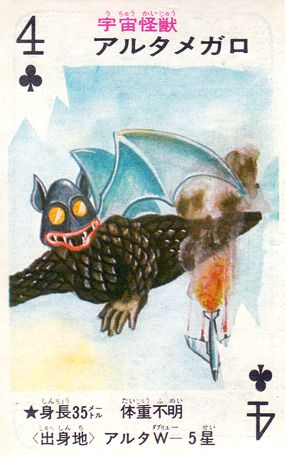
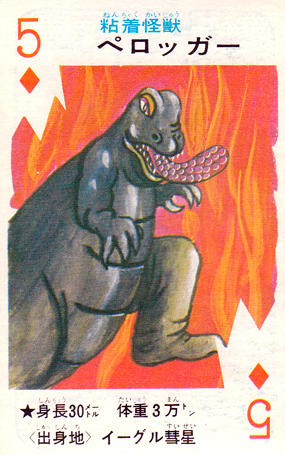
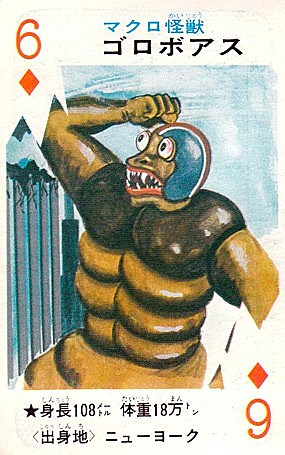
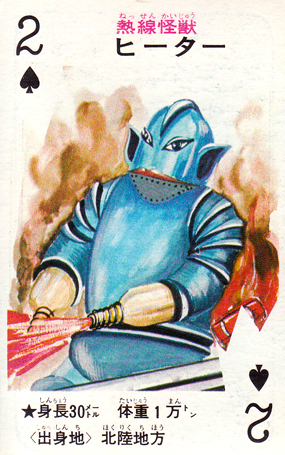
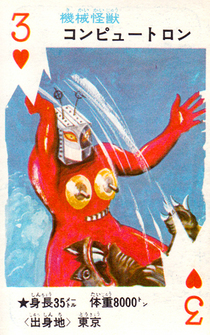
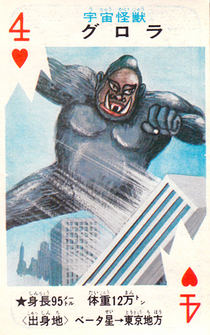
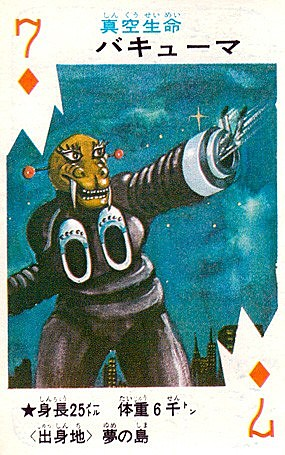
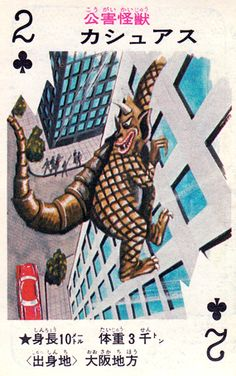
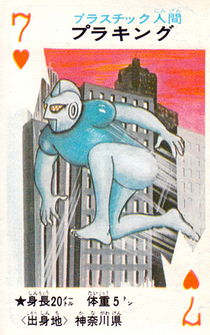
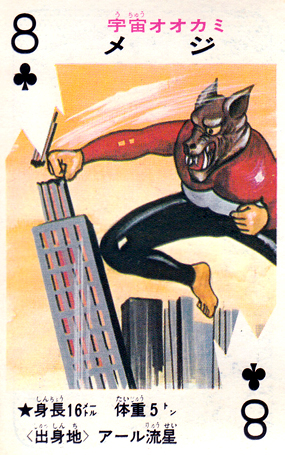
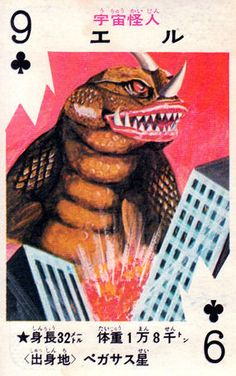
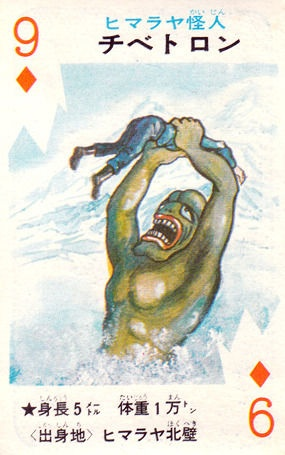
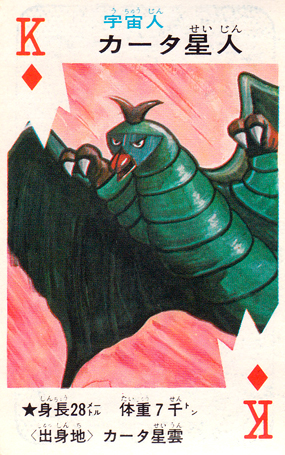
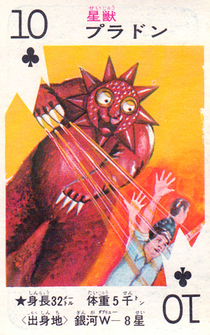
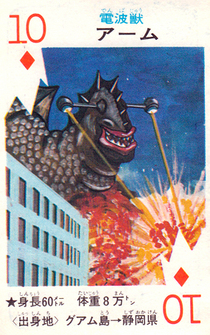
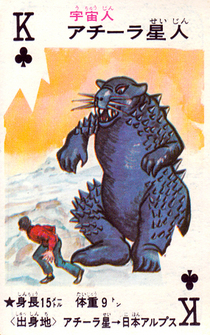
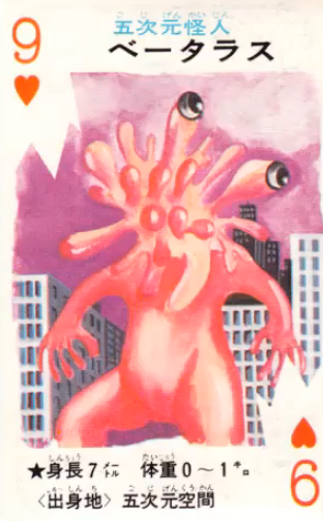
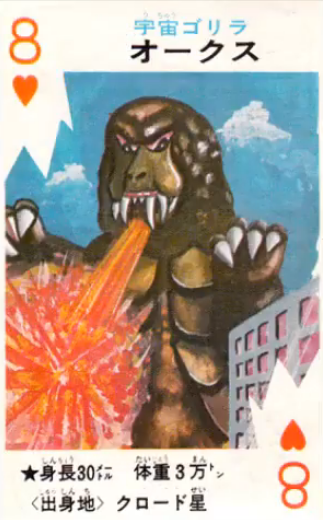
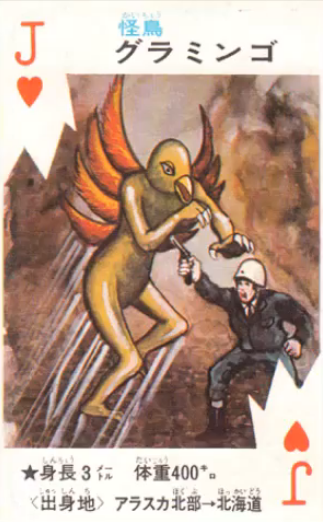
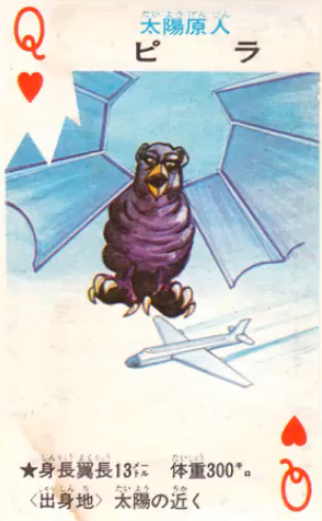
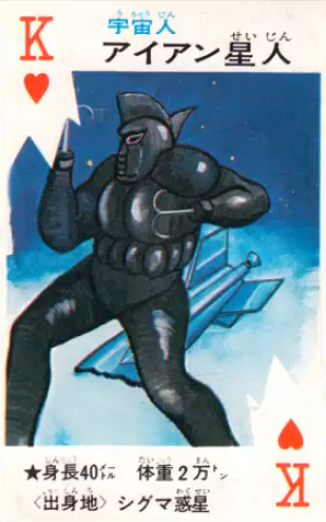
The playing card variations feature information on each monster, including its height, weight, and subtitle.
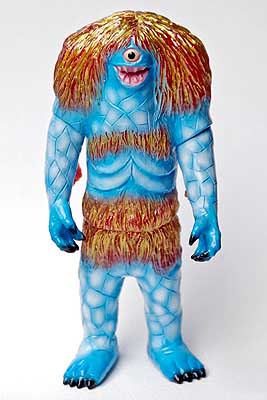
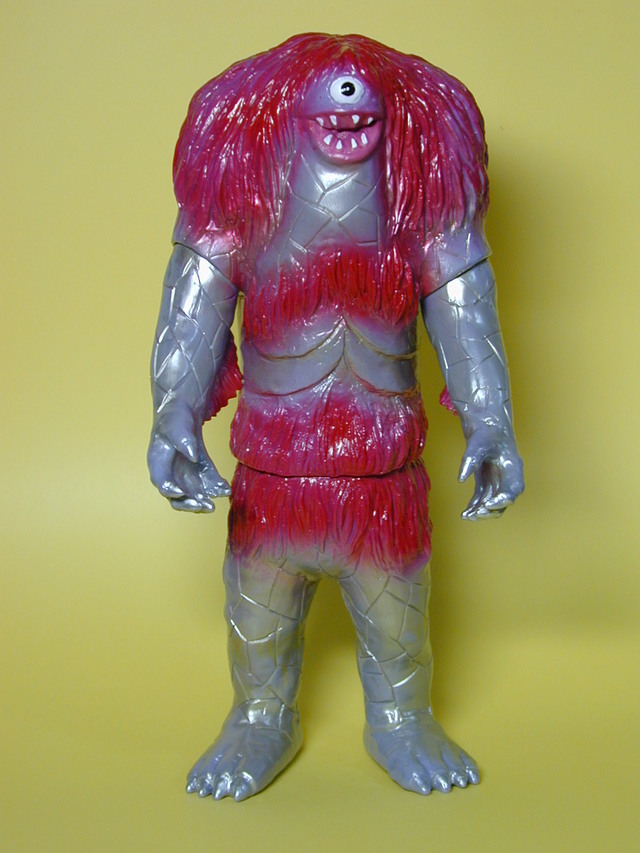
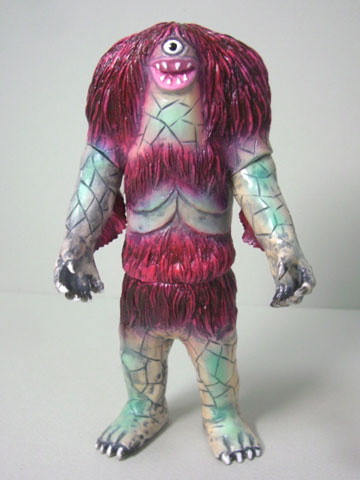
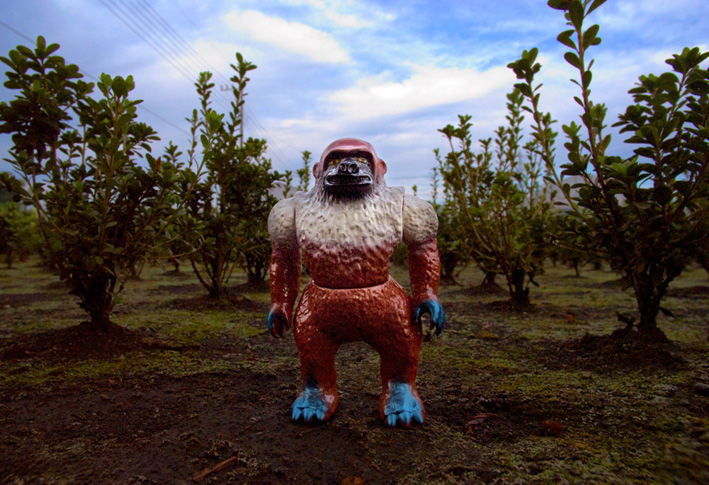
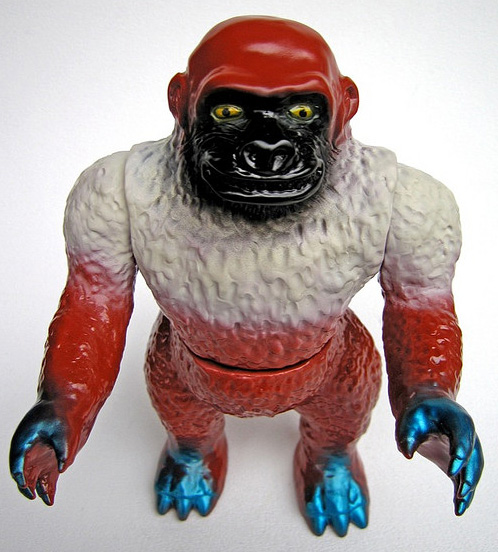
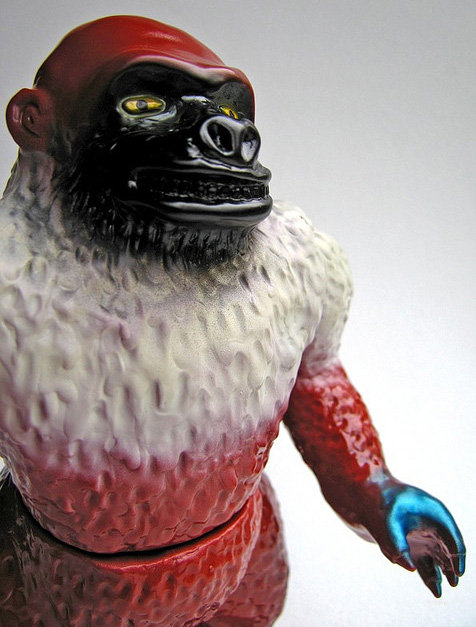
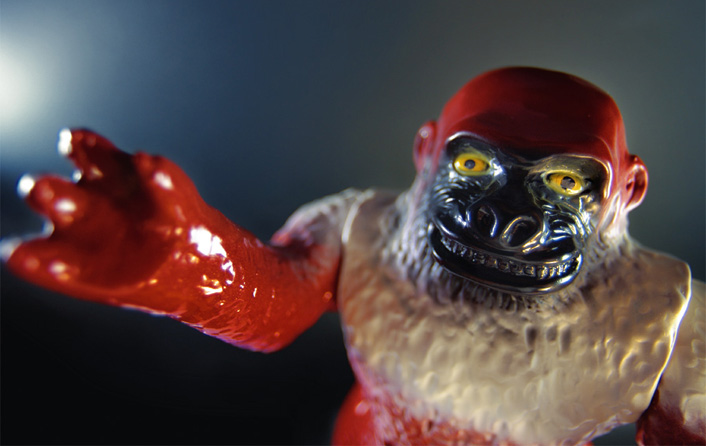
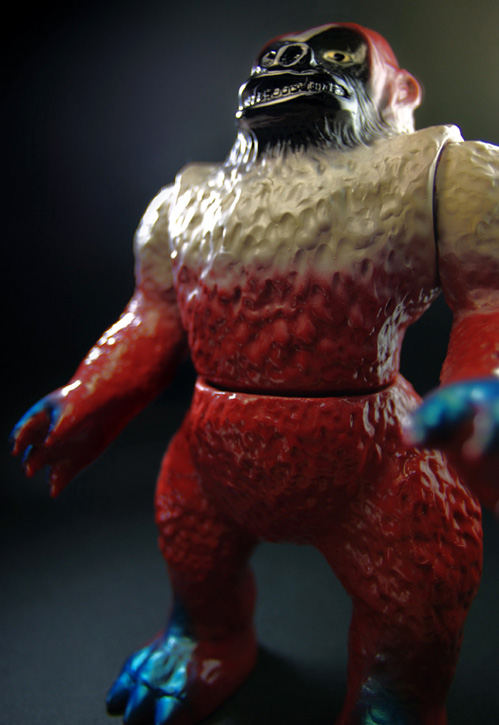
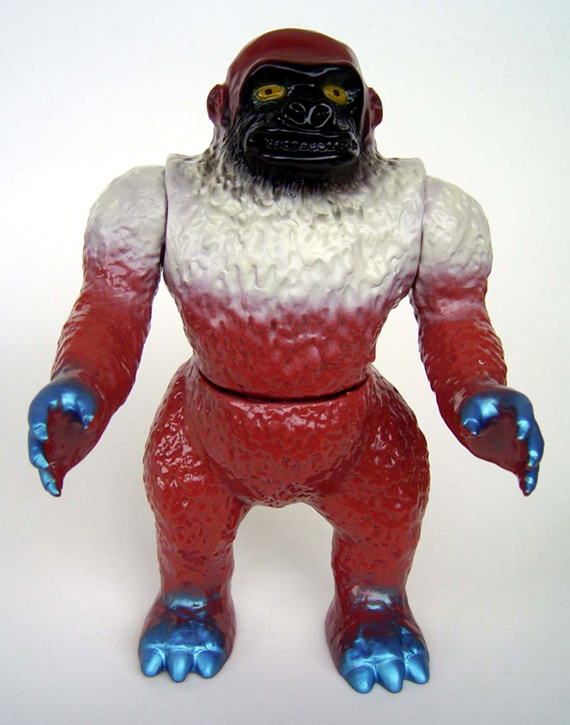
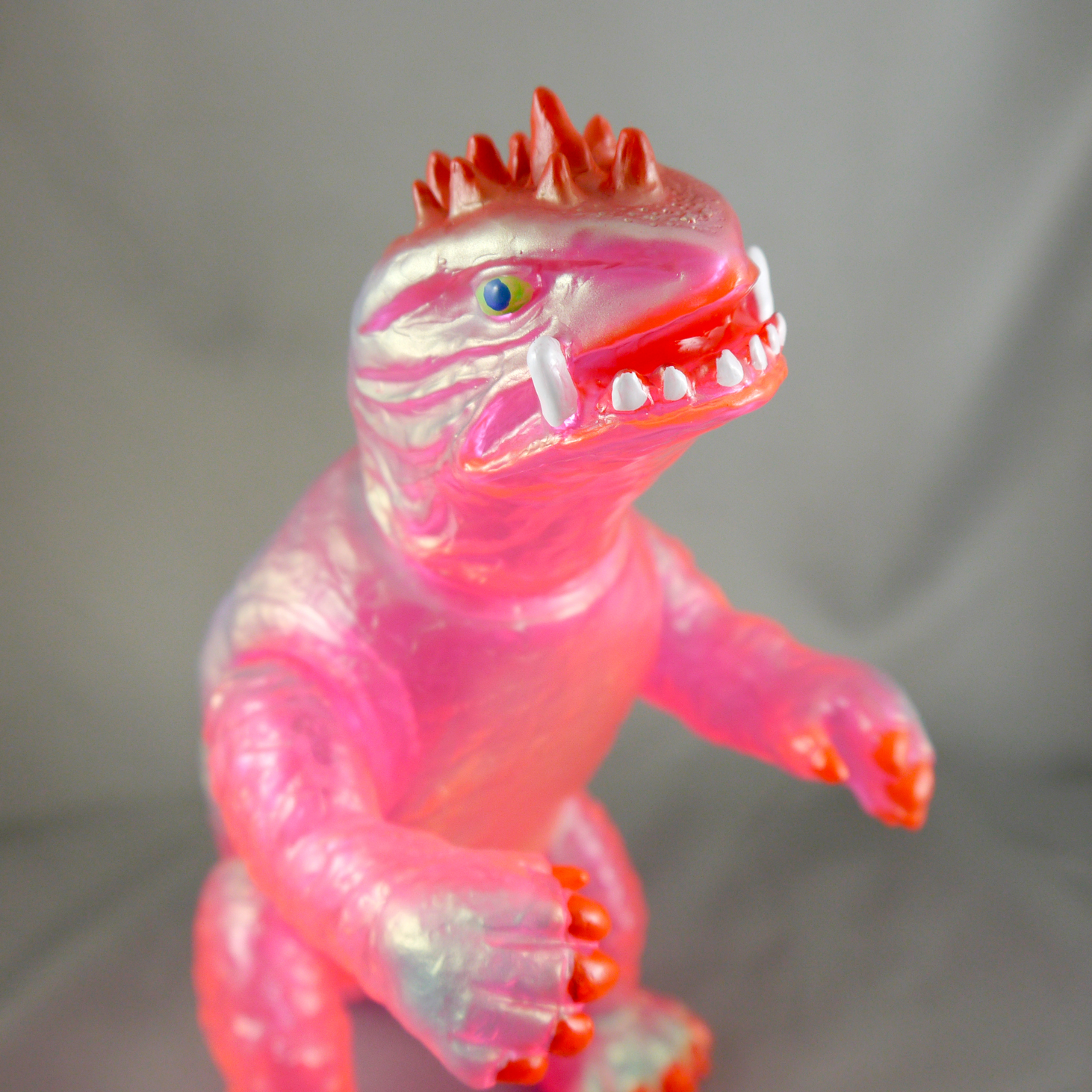
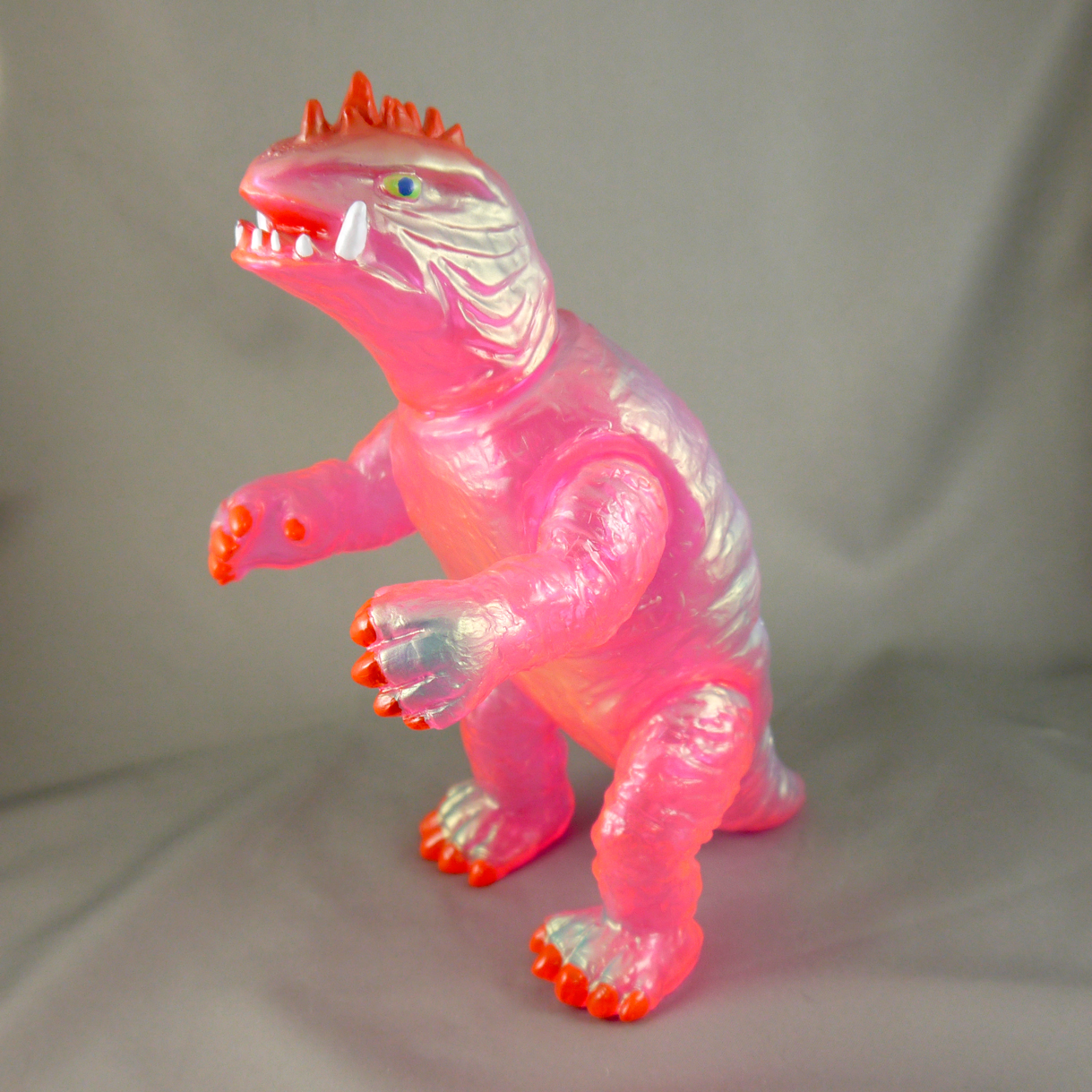
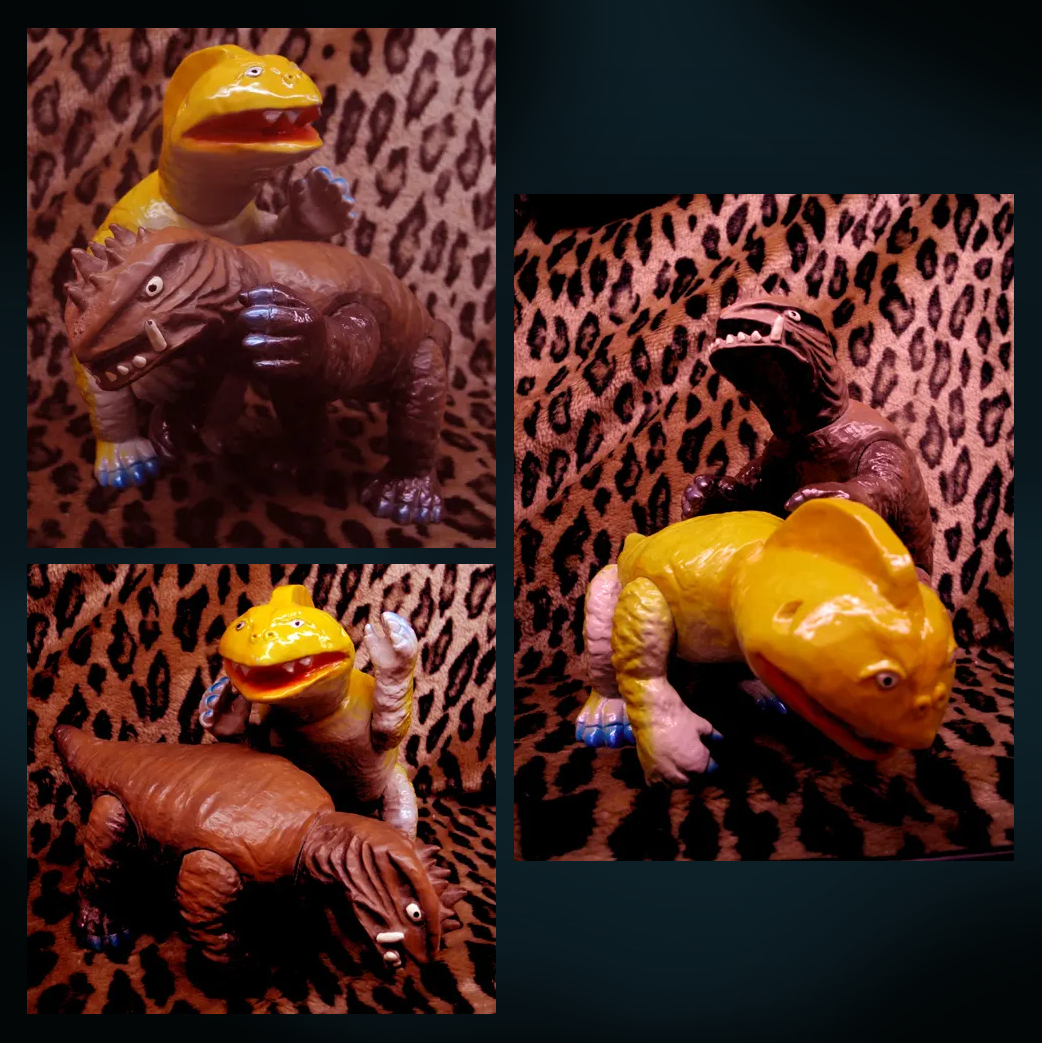
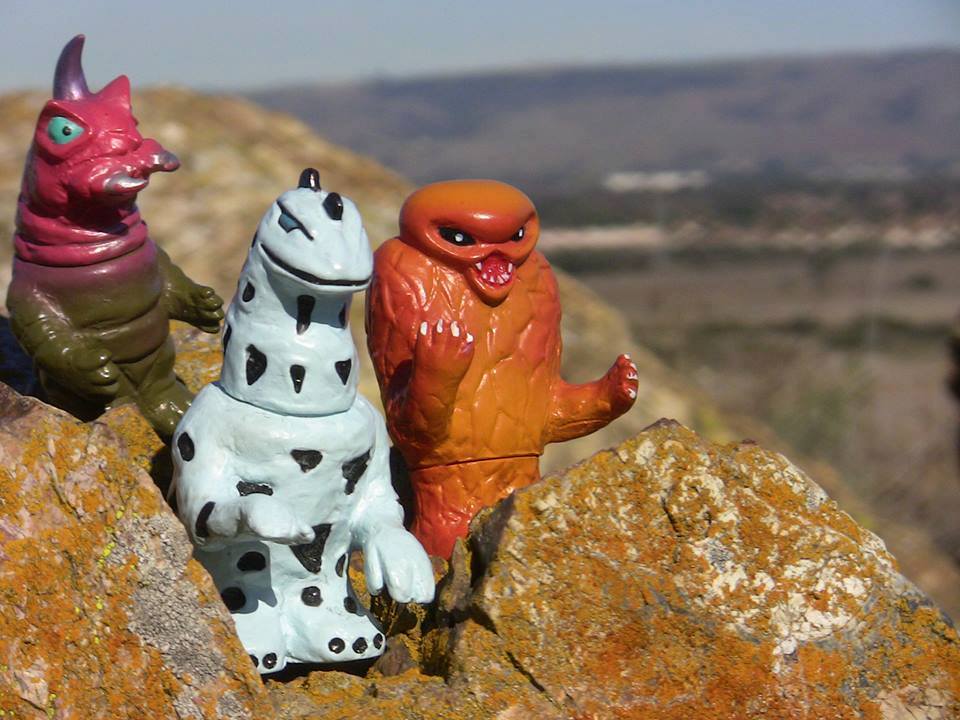
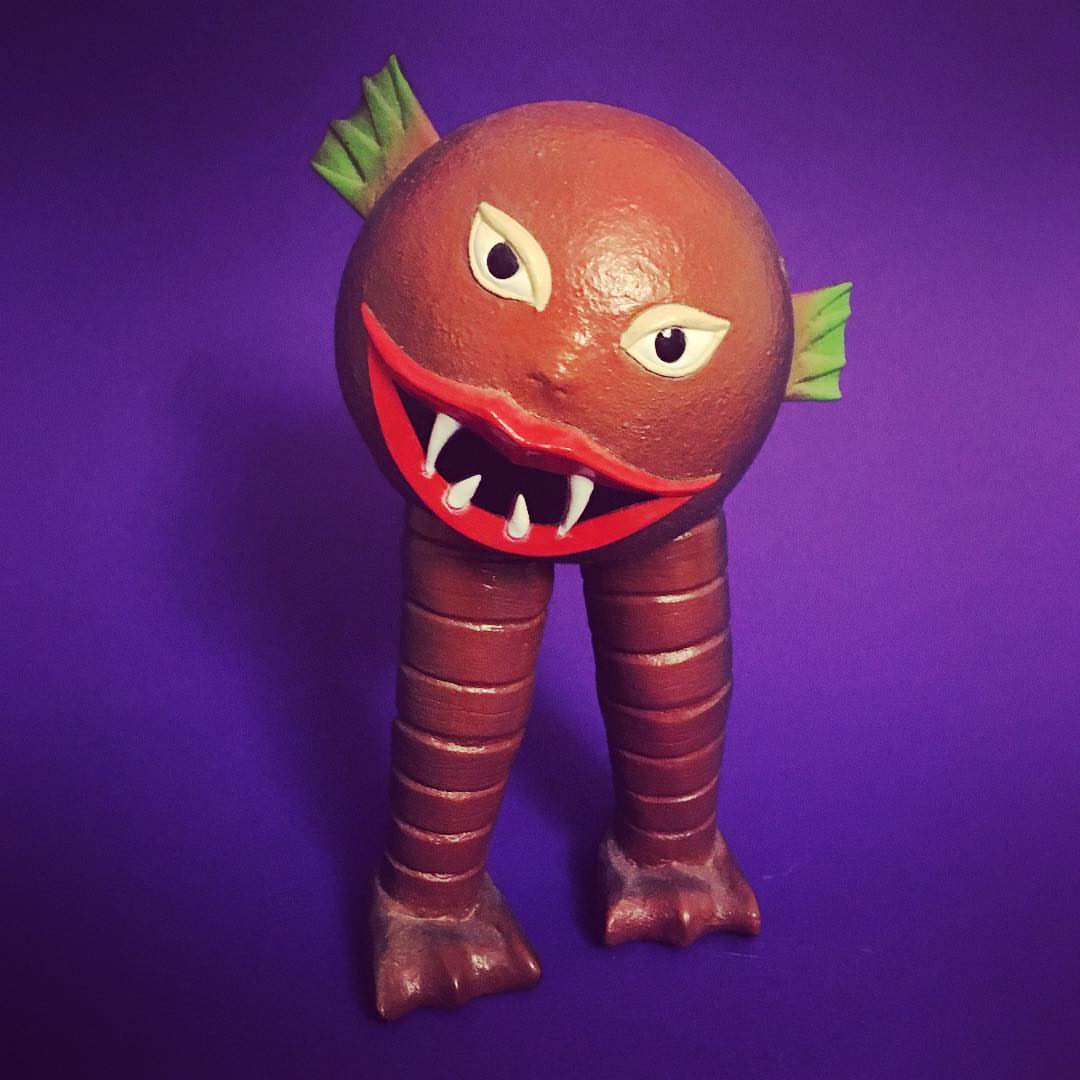
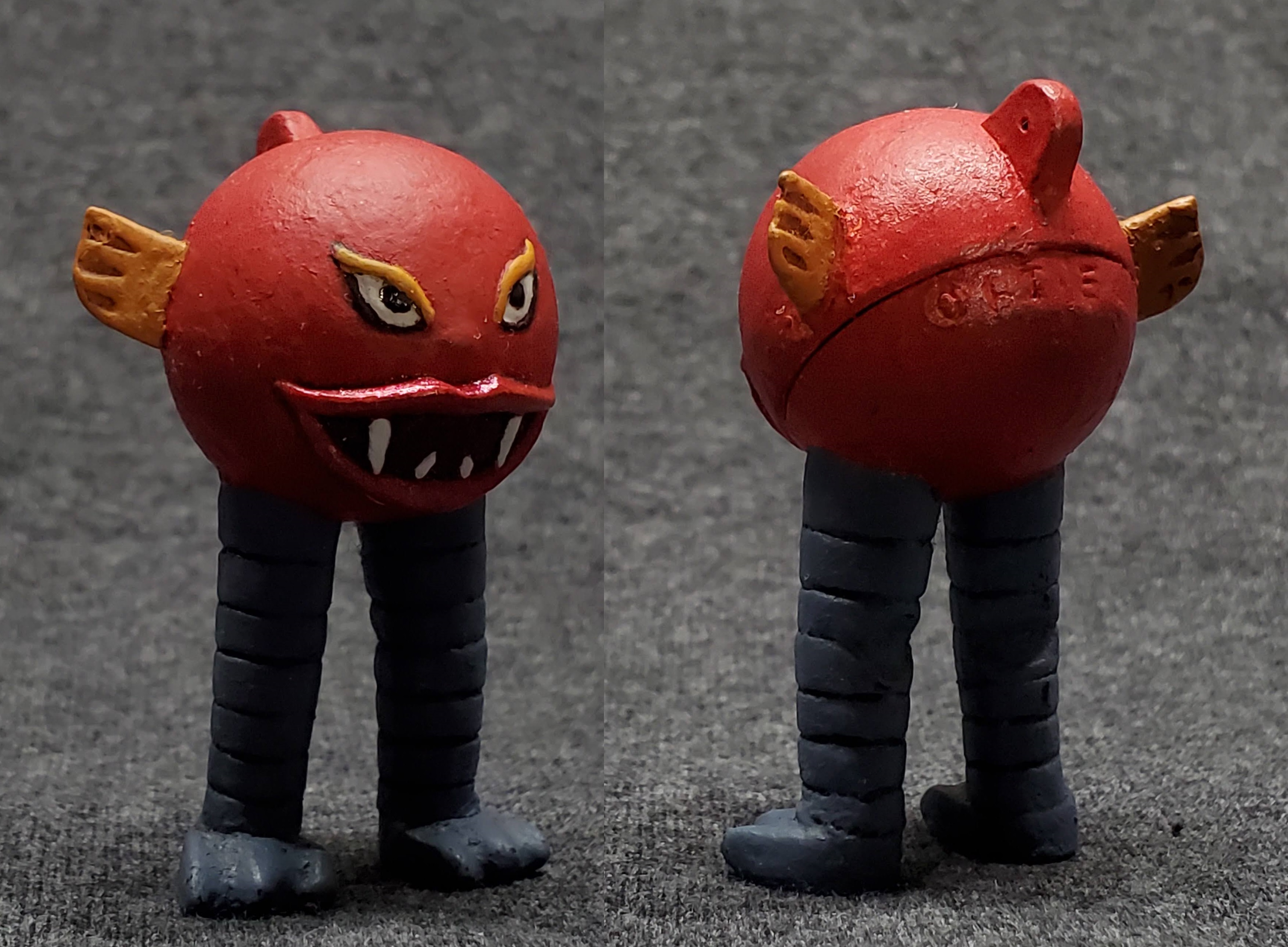
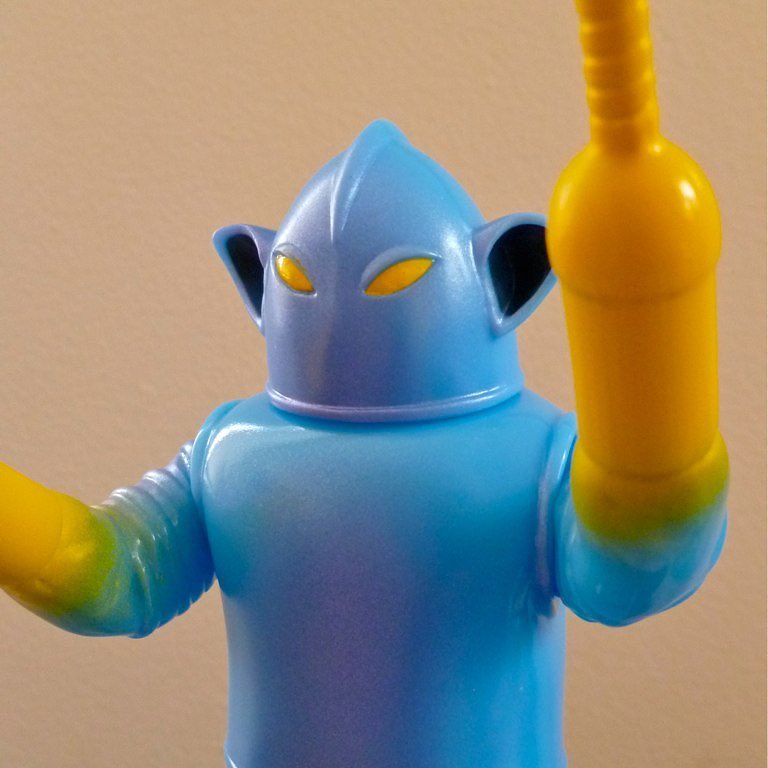
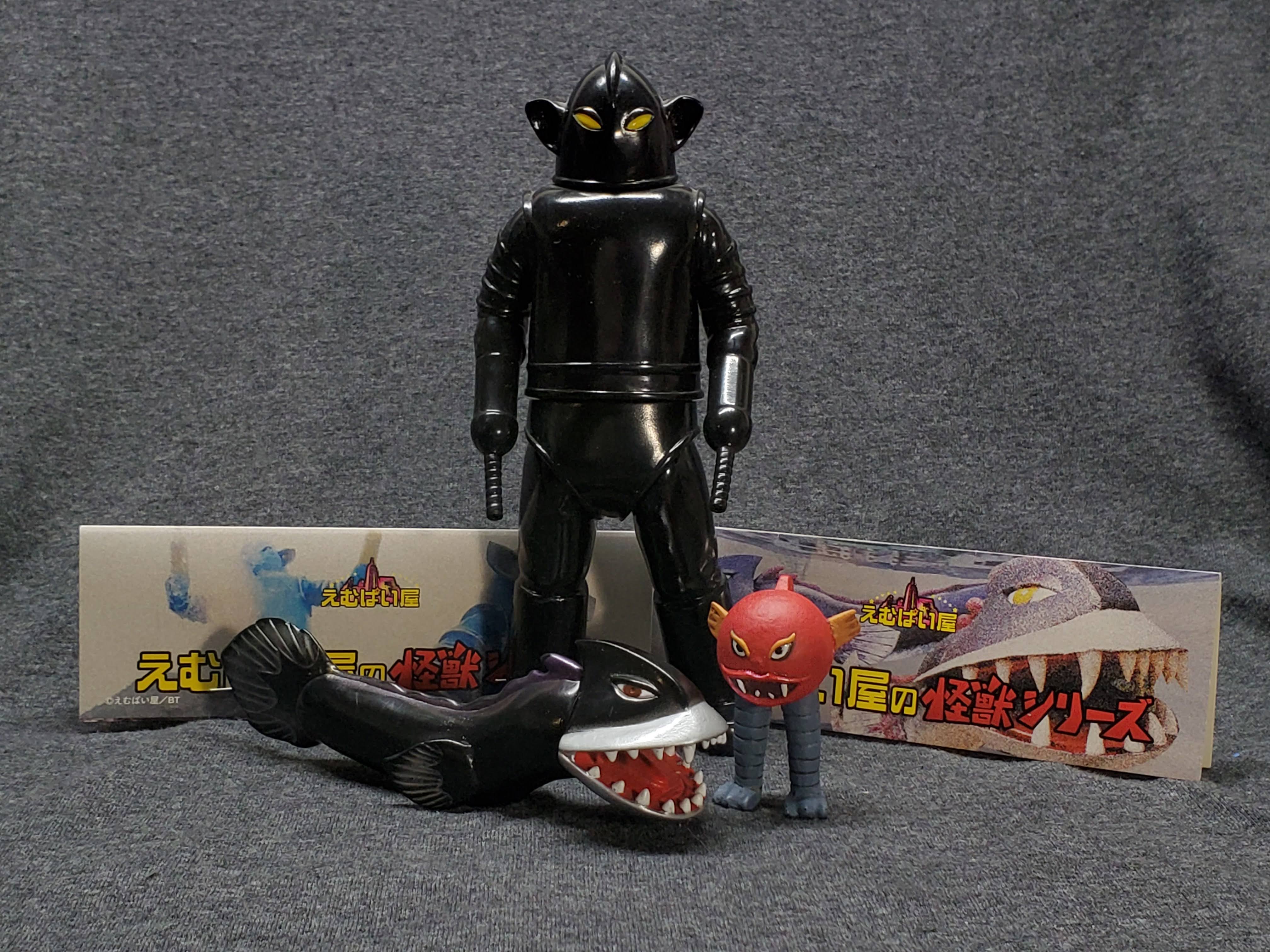
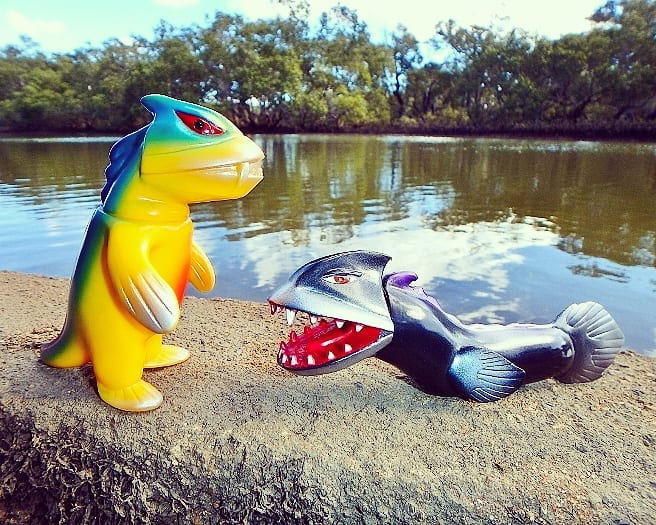
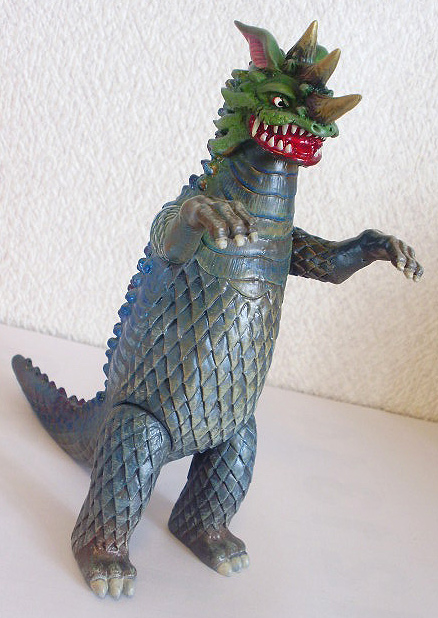
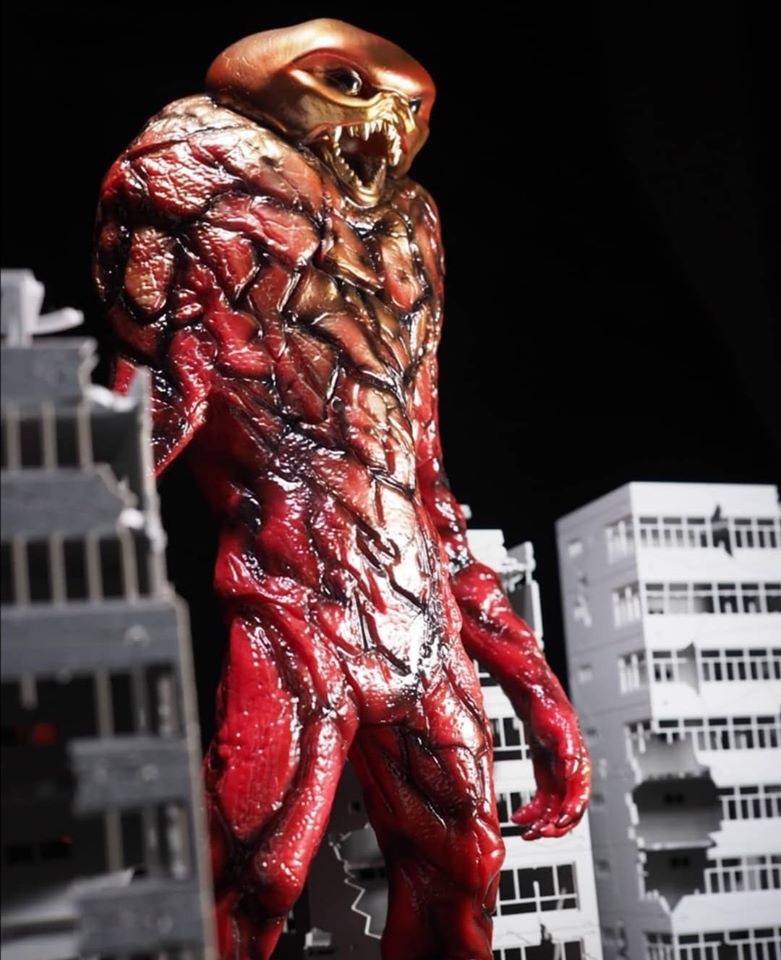
Although quite obscure, the Pachimon kaiju have garnered something of a cult following among Japanese collectors and otaku, which has resulted in vinyl figures (both official products and custom built independents), fan-made video games, and short films.
Cards
"Monster Collage" and "Dinosaur" Editions
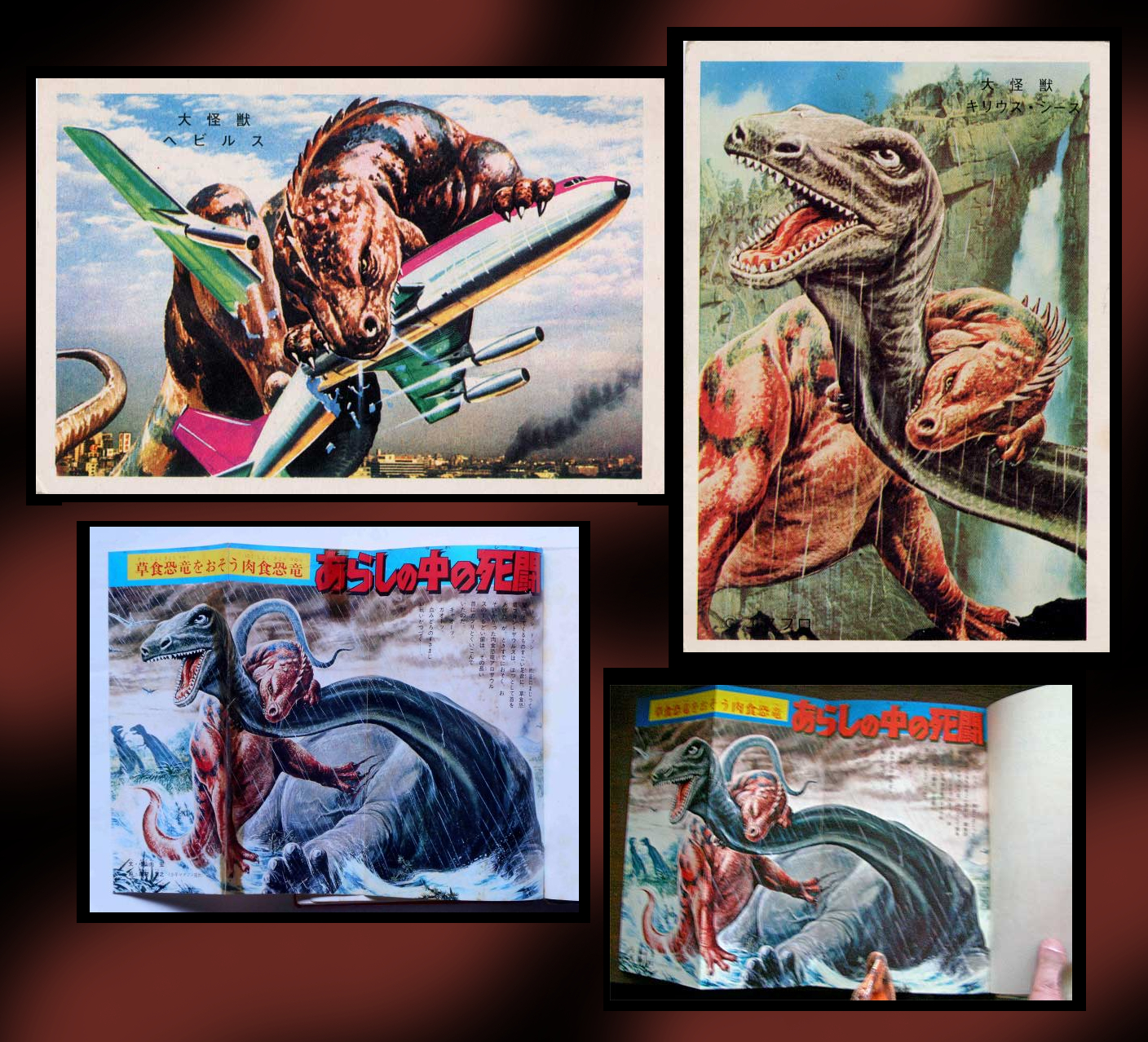
The first series published by Yokopro featuring lone monsters appearing among the city, often Japanese locations. A secondary "Dinosaur" version was also issued alongside the "Monster Collage" cards.[3]
| "Monster Collage" (怪獣コラージュ) | ||
|---|---|---|
| Card | Subtitle, Name (Japanese) |
Modified from |
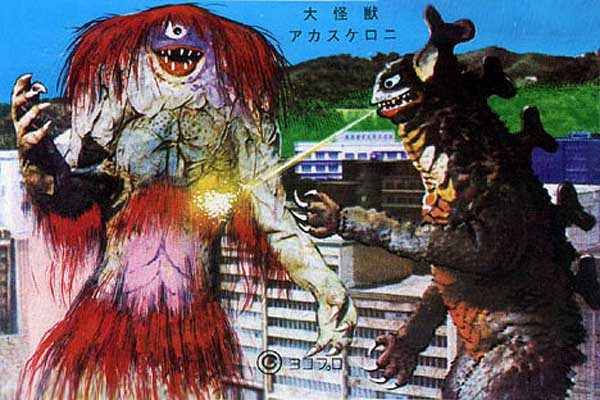 |
Giant Monster Akaskeroni (大怪獣アカスケロニ) |
Jamila, Gango |
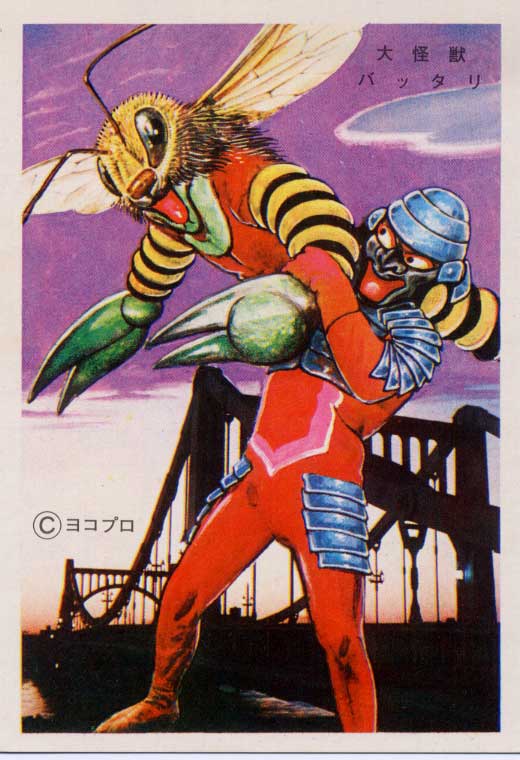 |
Giant Monster Battari (大怪獣バッタリ) |
Alien Godola, Ultraseven |
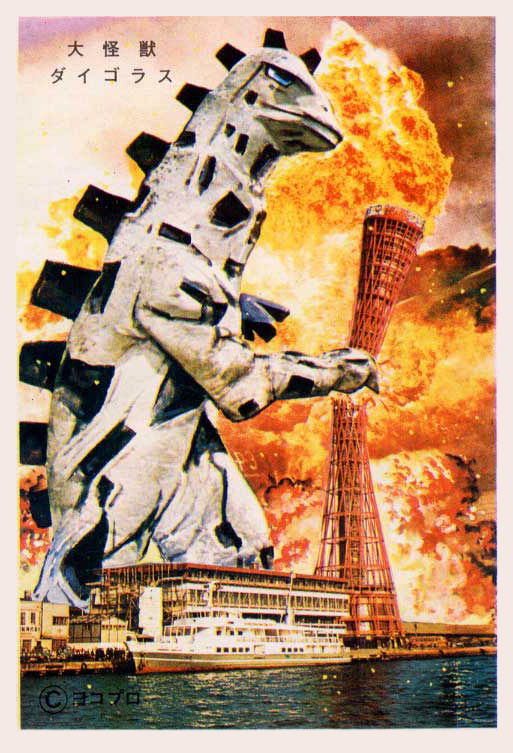 |
Giant Monster Daigoras (大怪獣ダイゴラス) |
Eleking |
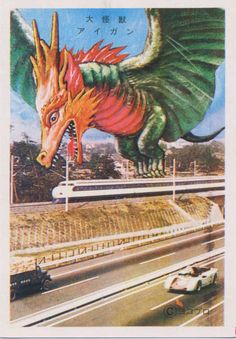 |
Giant Monster Eyegan (大怪獣アイガン) |
Rodan |
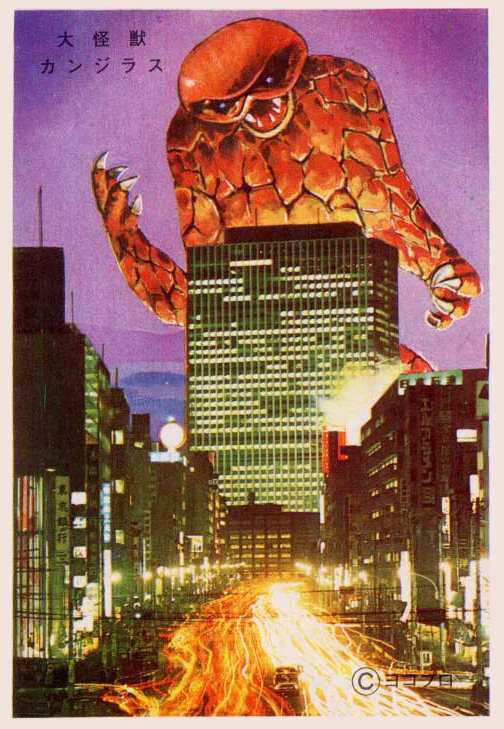 |
Giant Monster Kanjiras (大怪獣カンジラス) |
Jamila |
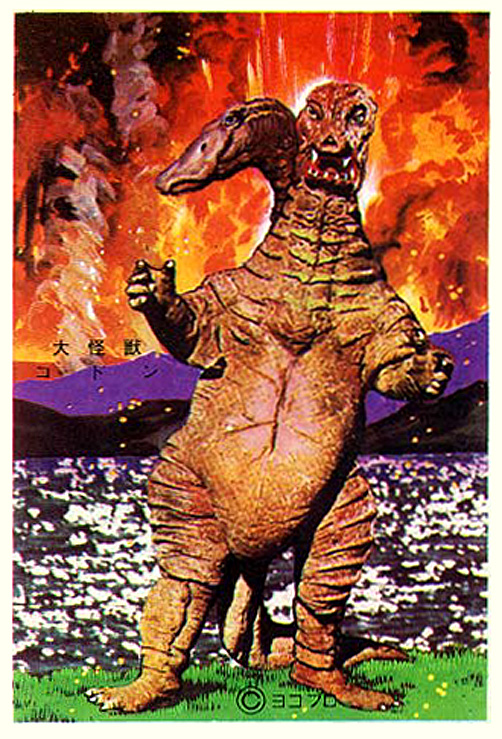 |
Giant Monster Kodon (大怪獣コドン) |
Banila, Trachodon |
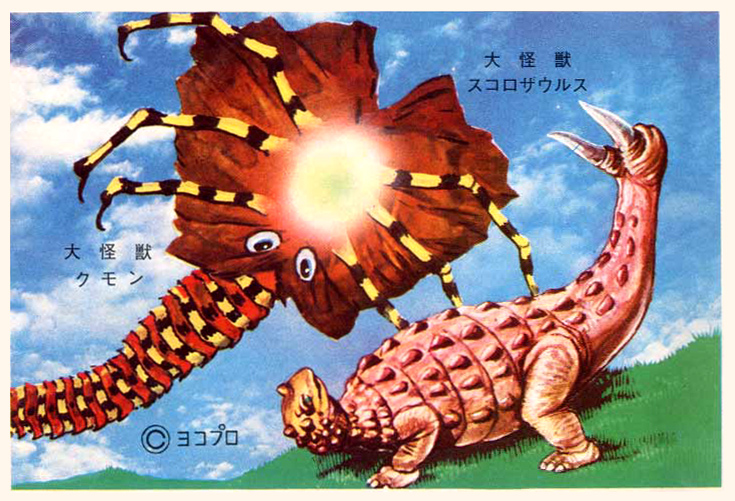 |
Giant Monster Kumon (大怪獣クモン), Giant Monster Scolosaurus (大怪獣スコロザウルス) |
Alien Bira |
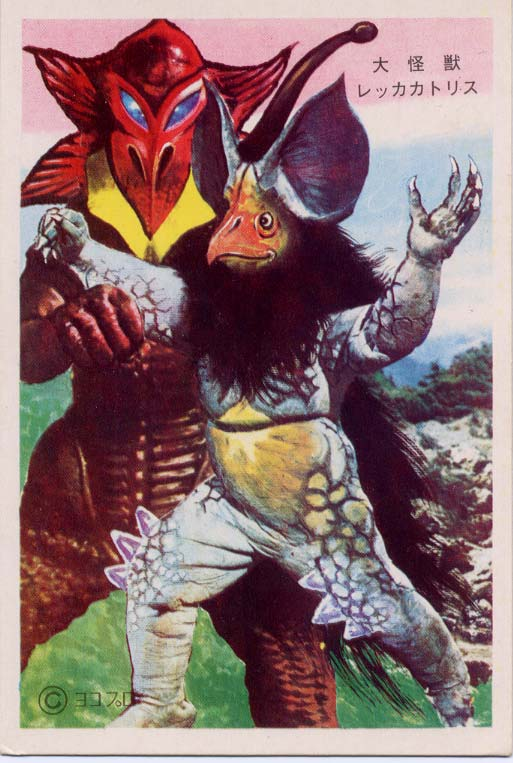 |
Giant Monster Leccacatholis (大怪獣レッカカトリス) |
Alien Mefilas, Alien Icarus |
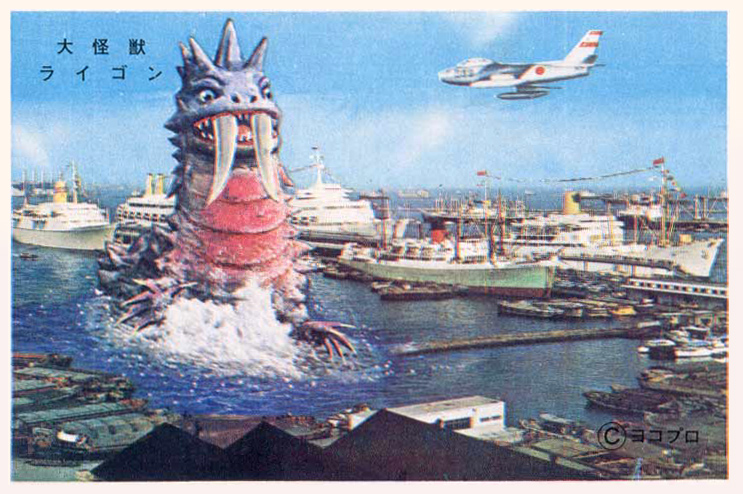 |
Giant Monster Lygon (大怪獣ライゴン) |
Bemular |
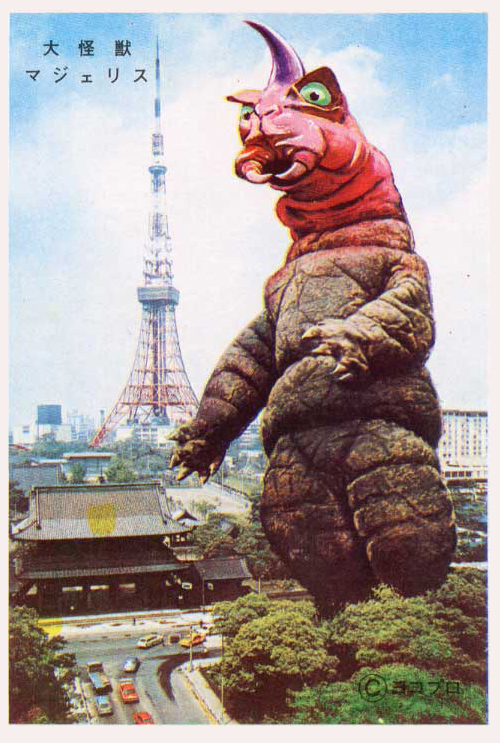 |
Giant Monster Majelis (大怪獣マジェリス) |
Telesdon, Darii |
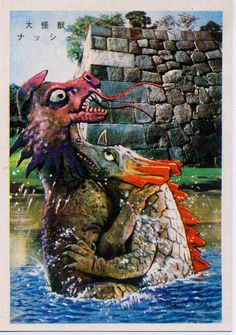 |
Giant Monster Nash (大怪獣ナッシュ) |
Rigger, Agira |
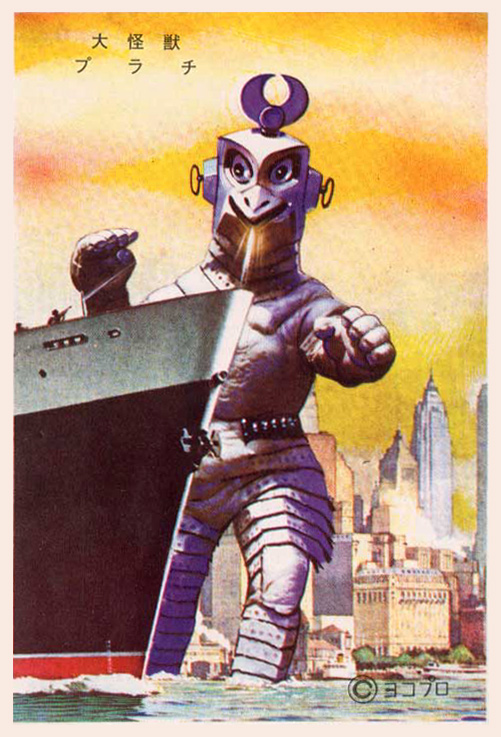 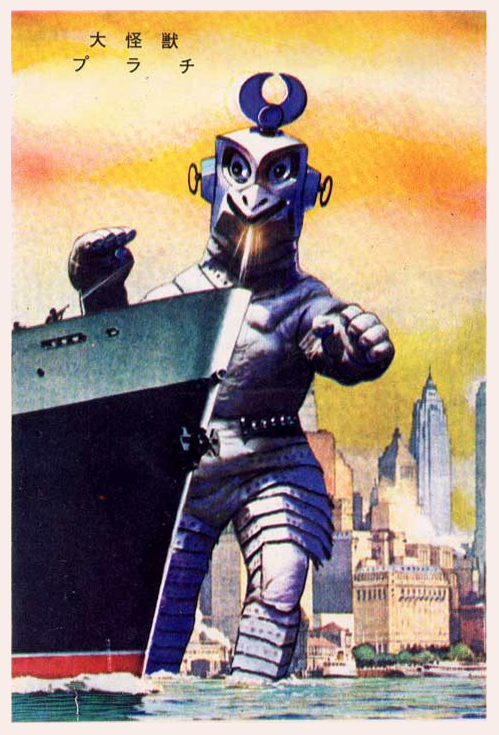 |
Giant Monster Prachi (大怪獣プラチ) |
Windom |
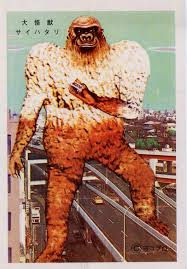 |
Giant Monster Saihatari (大怪獣サイハタリ) |
Guigass |
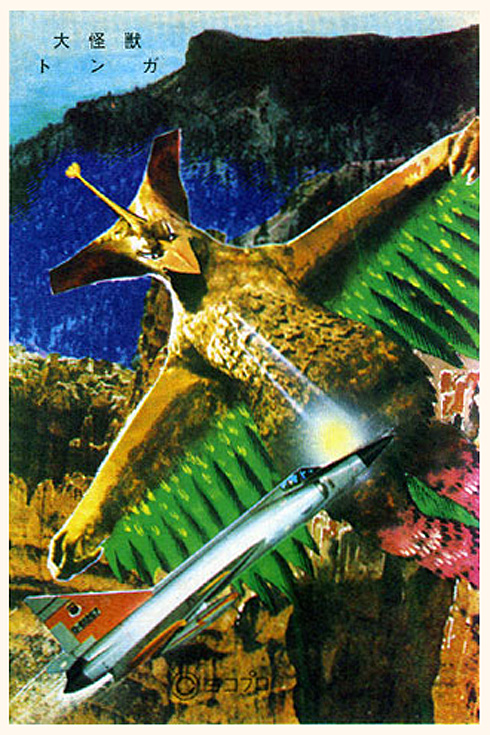 |
Giant Monster Tonga (大怪獣トンガ) |
Star Bem Gyeron |
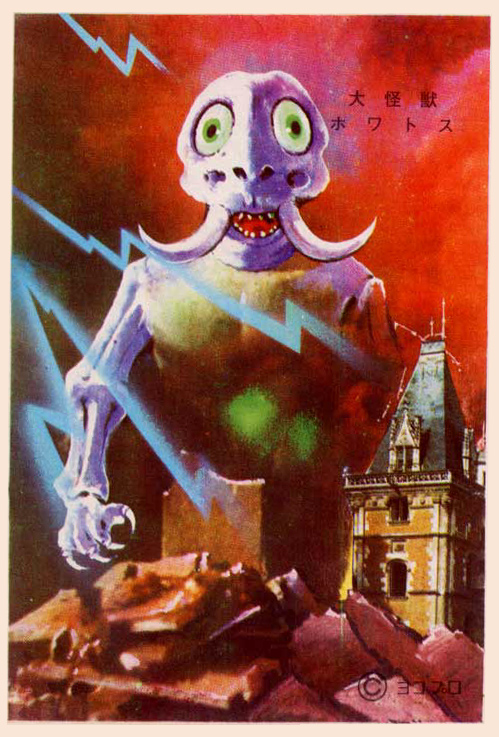 |
Giant Monster Whatos (大怪獣ホワトス) |
Alien Spell |
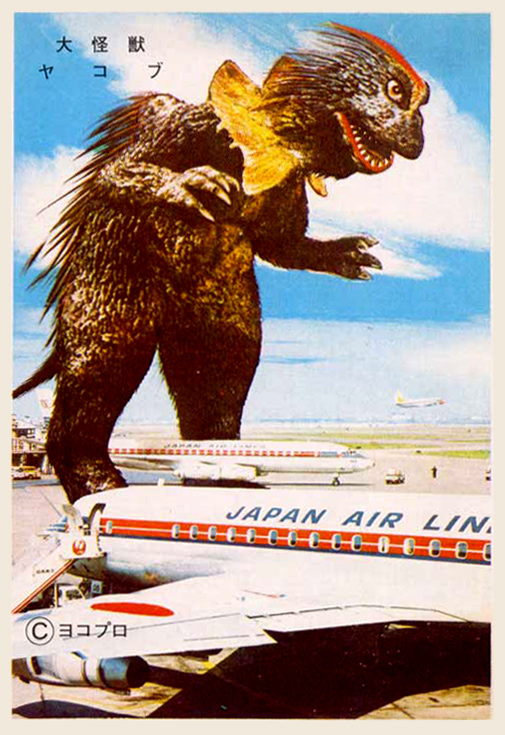 |
Giant Monster Jacob (大怪獣ヤコブ) |
Jirahs |
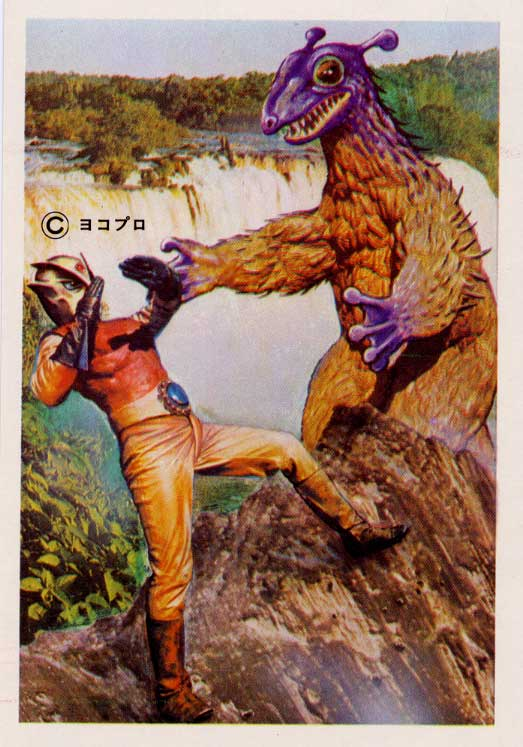 |
Unnamed | Spectreman, Mogz |
| "Dinosaur" (恐竜) | |
|---|---|
| Card | Subtitle, Name (Japanese) |
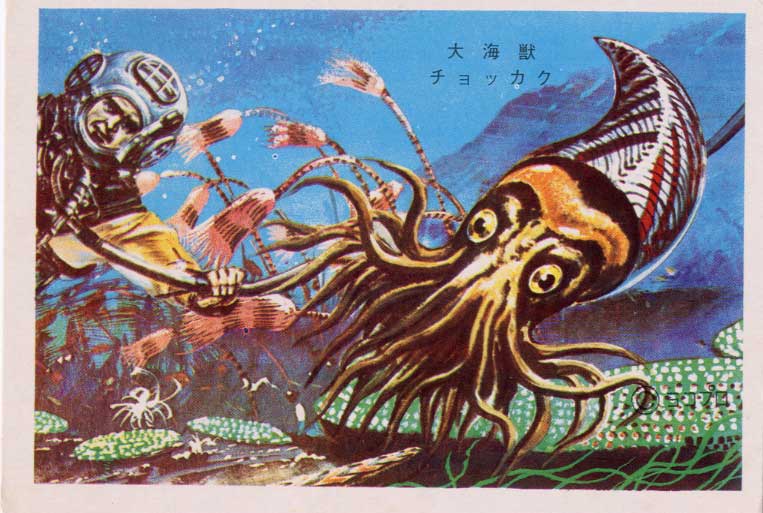 |
Giant Sea Beast Chockak (大海獣チョッカク) |
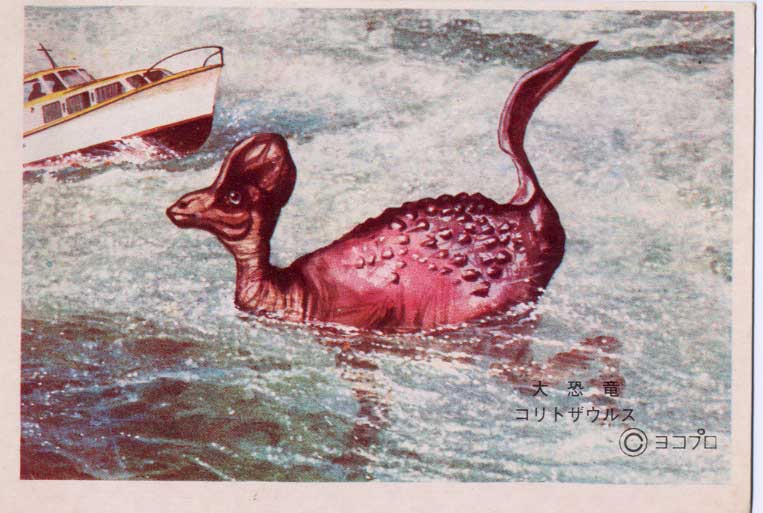 |
Giant Dinosaur Corythosaurus (大恐竜コリトザウルス) |
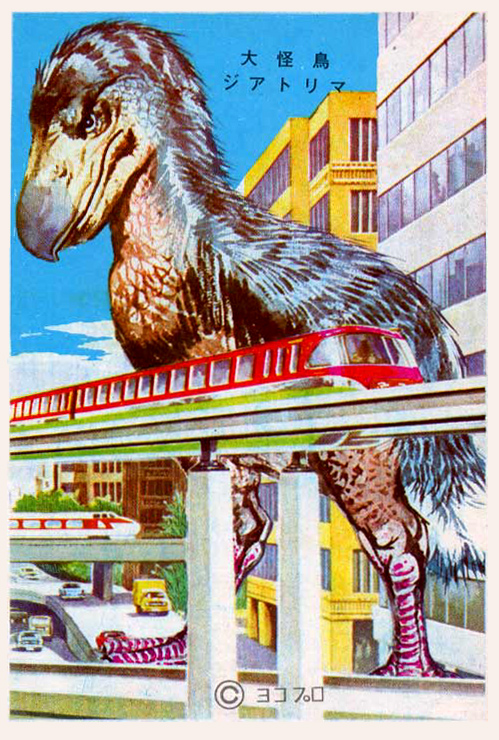 |
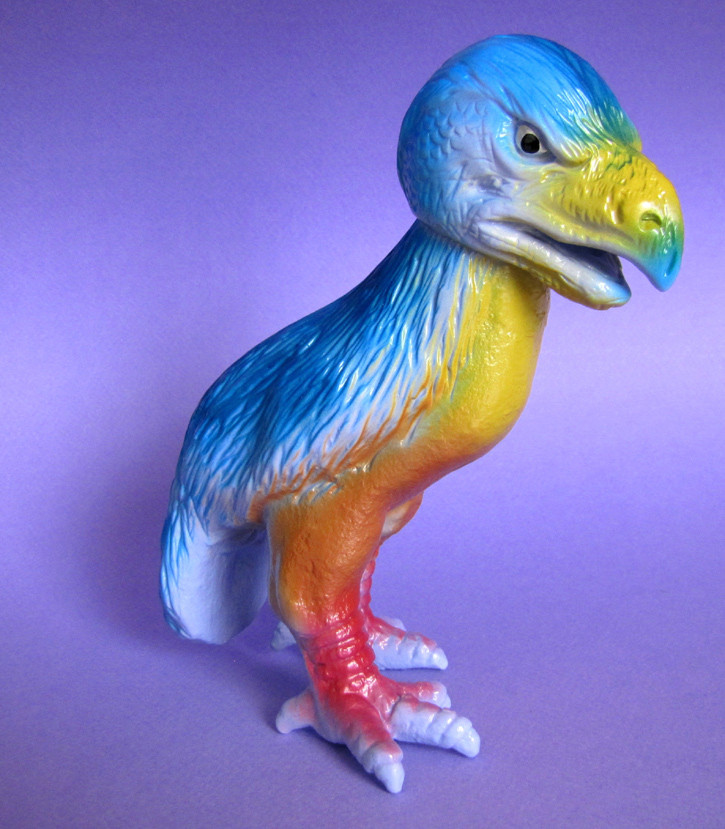
Giant Monster Bird Diatryma (大怪鳥ジアトリマ) |
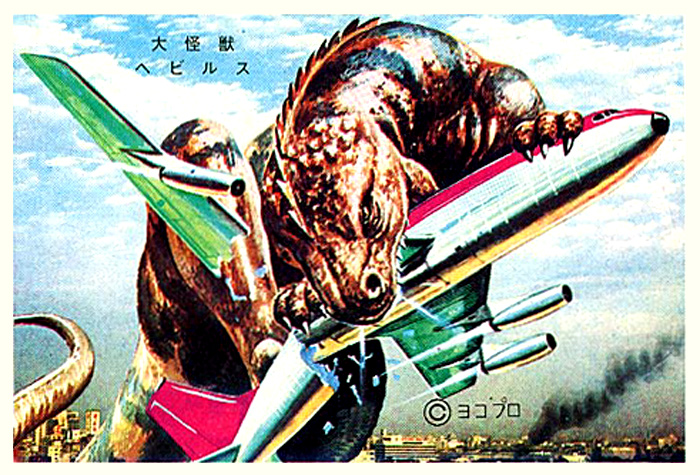 |
Giant Monster Hebirus (大怪獣ヘビルス) |
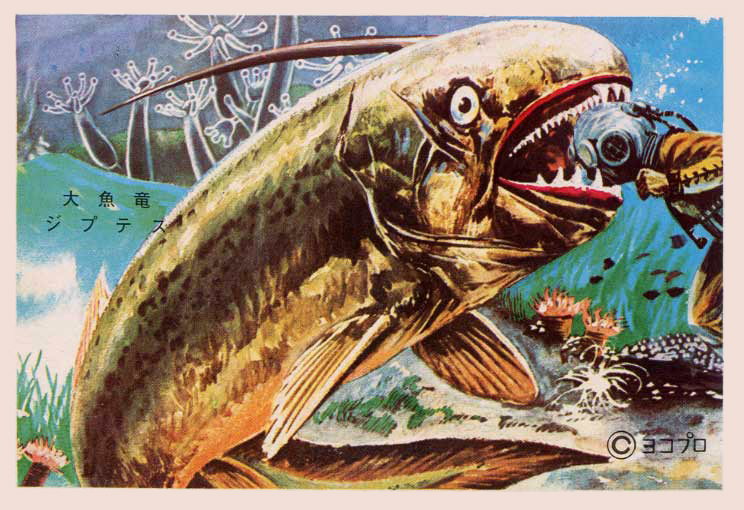 |
Giant Ichthyosaur Jiptess (大魚竜ジプテス) |
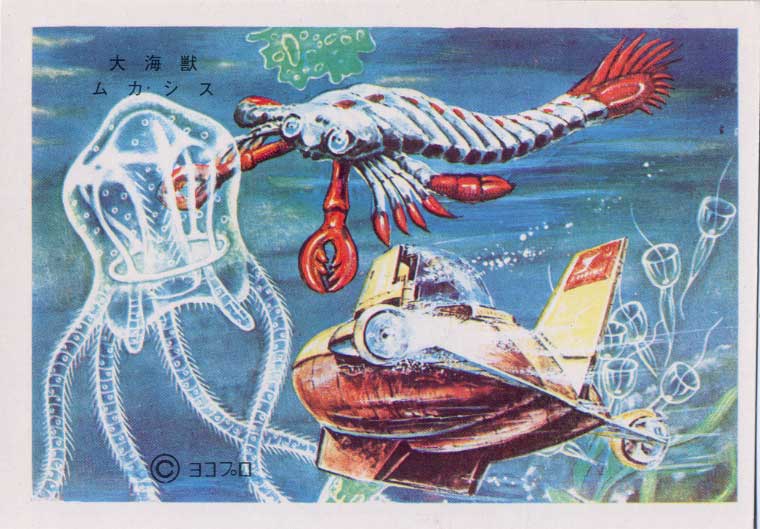 |
Giant Sea Beast Mucasis (大海獣ムカシス) |
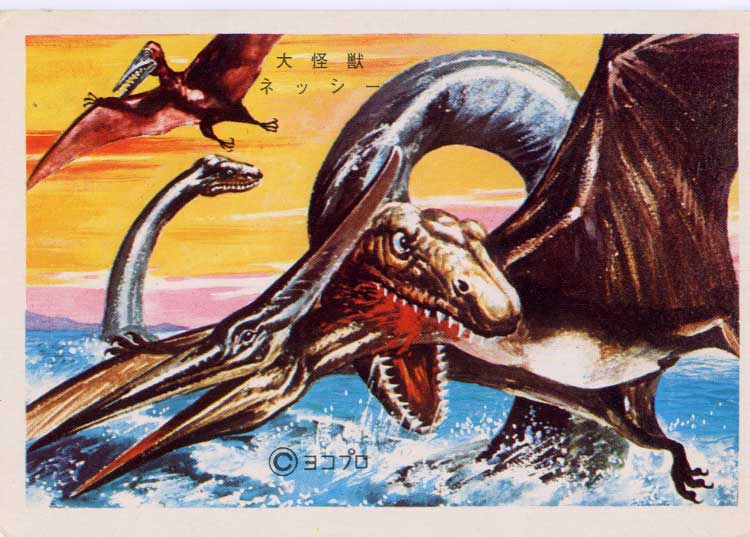 |
Giant Monster Nessie (大怪獣ネッシー) |
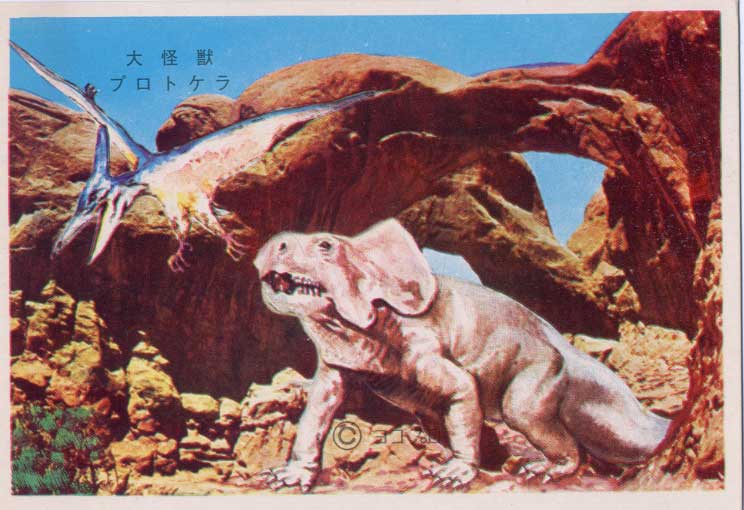 |
Giant Monster Protocera (大怪獣プロトケラ) |
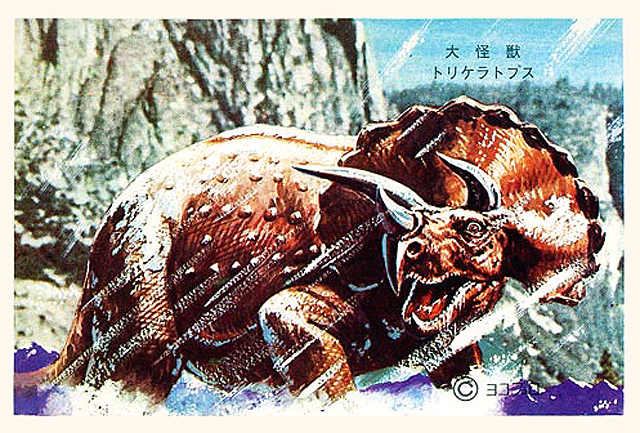 |
Giant Monster Triceratops (大怪獣トリケラトプス) |
Monster World Tour
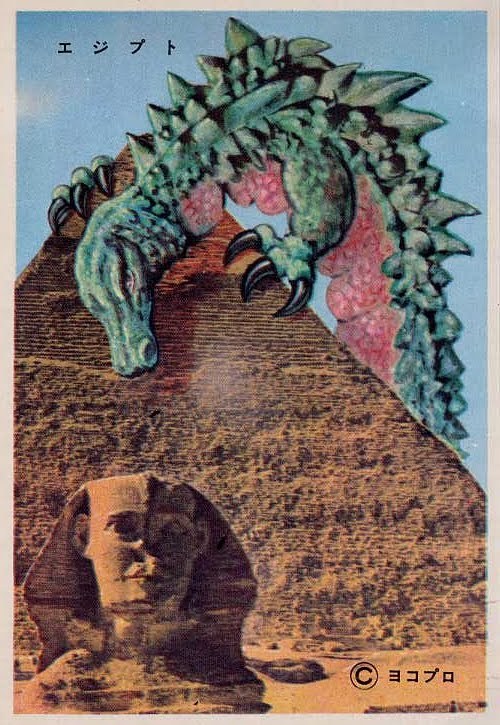
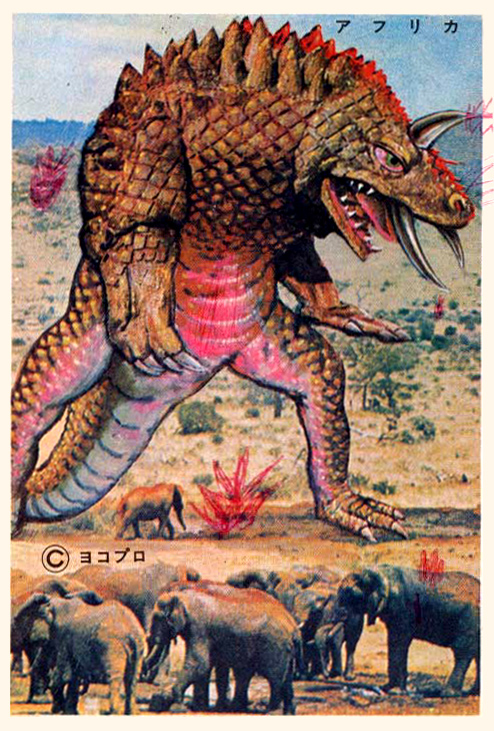
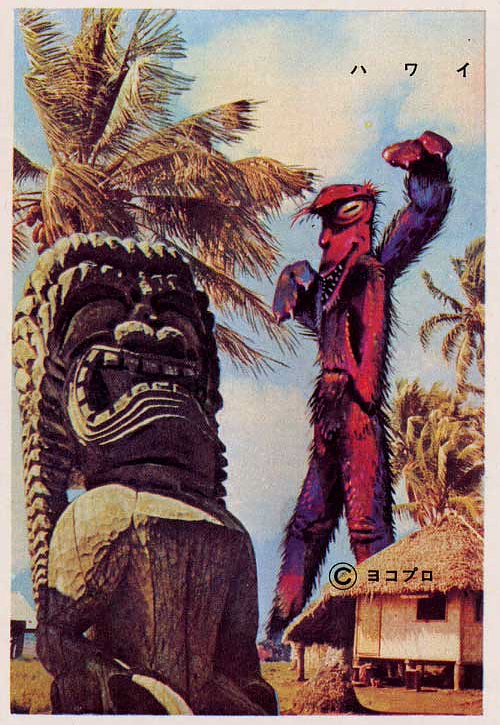
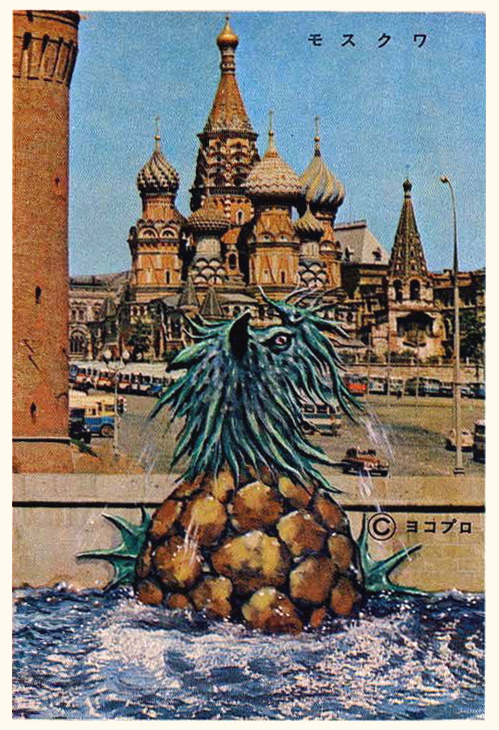
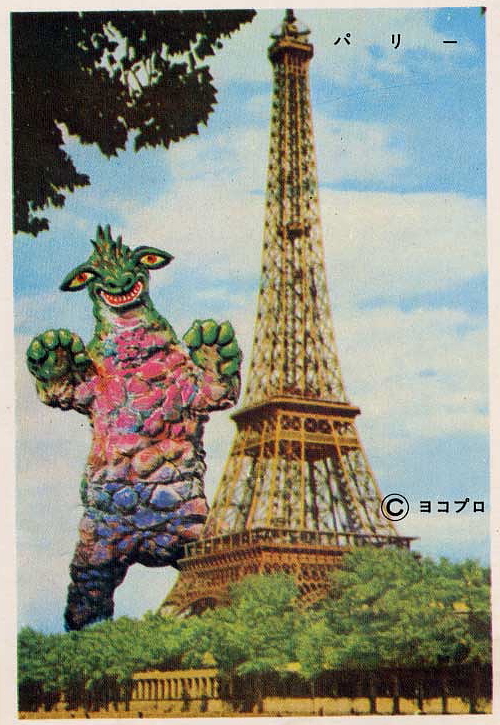
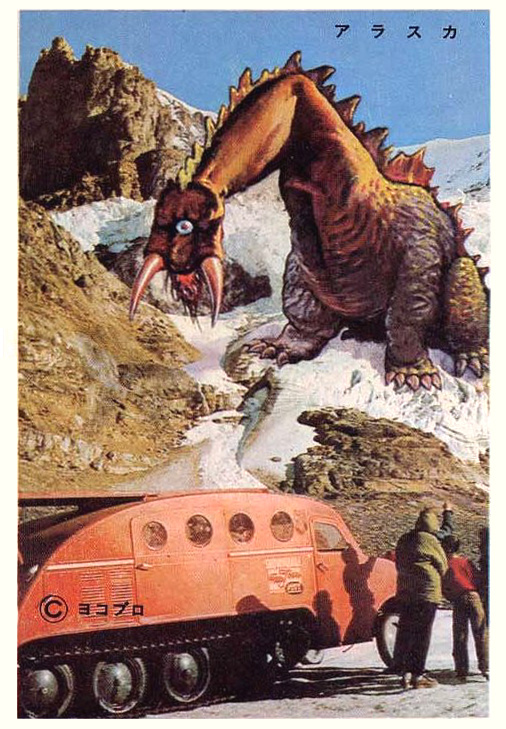
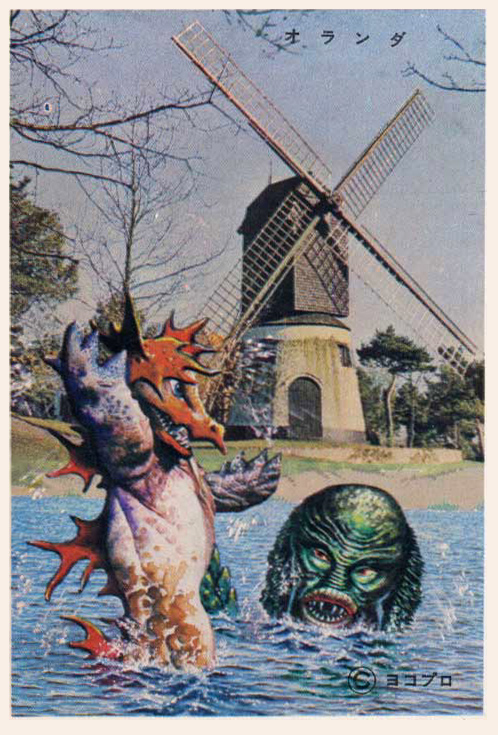
Perhaps the most recognizable of the Yokopro releases, this second series features giant monsters menacing famous cities, landmarks, and natural wonders outside of Japan. All these monsters were originally nameless but were given such titles in later playing card editions.[4][5]
-
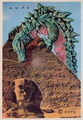 Anigaru
 -
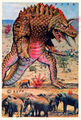 Bahharah
 -
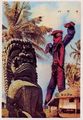 Cactus Man
 -
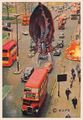 Danpurar
 -
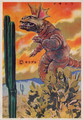 Garinco
 -
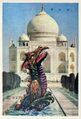 Dahras
 -
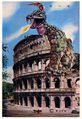 Gondoras
 -
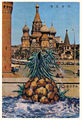 Guradjioras
 -
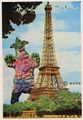 Hightawagon
 -
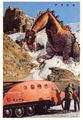 Kanchenga
 -
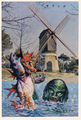 Korarujin (Coral Person) vs Shīmeido (Seamaid)
 -
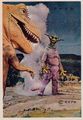 Milmedes vs a giant tyrannosaurus
 -
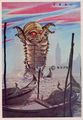 Octobus
 -
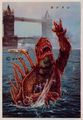 Seabozun
 -
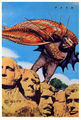 Tortoise vs Purami
 -
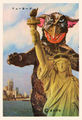 Wardoris
 -
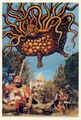 Boomens
 -
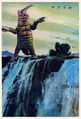 Unnamed monster
Yamapro Edition
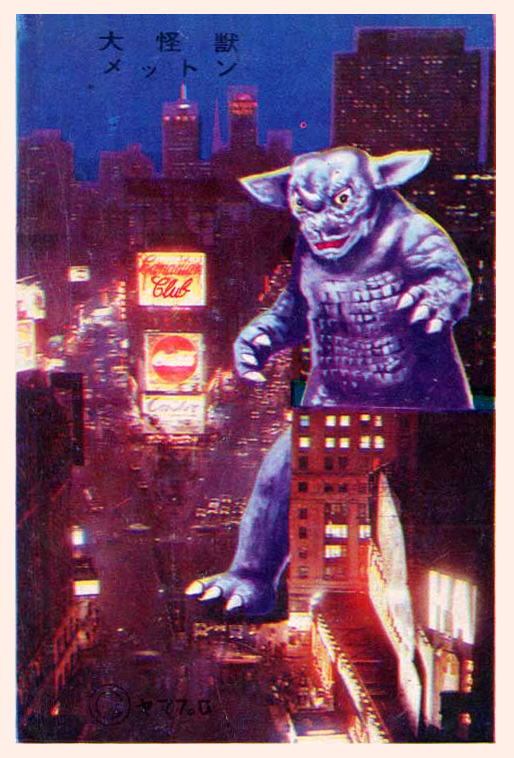
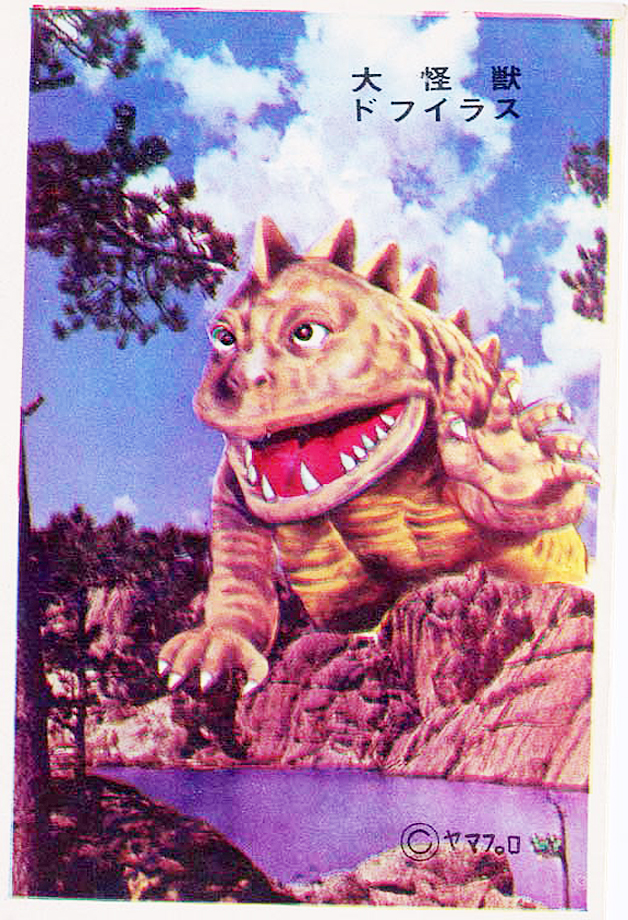
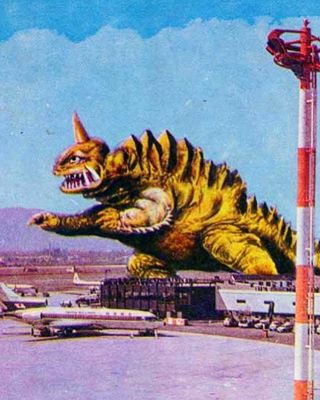
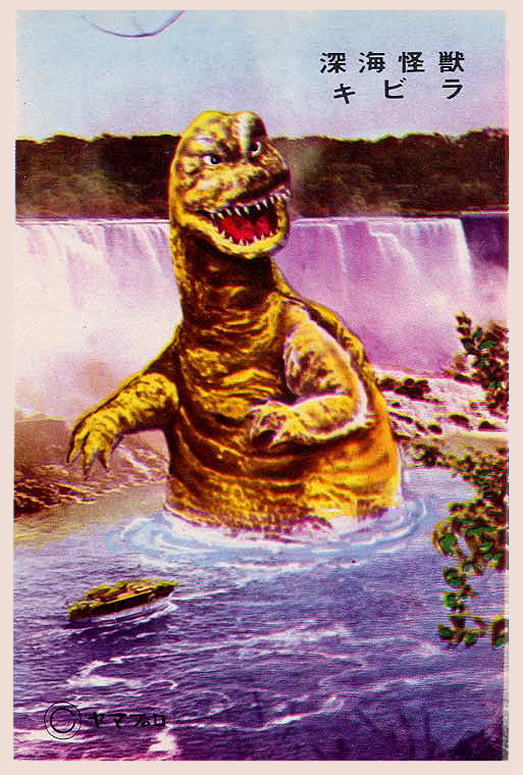
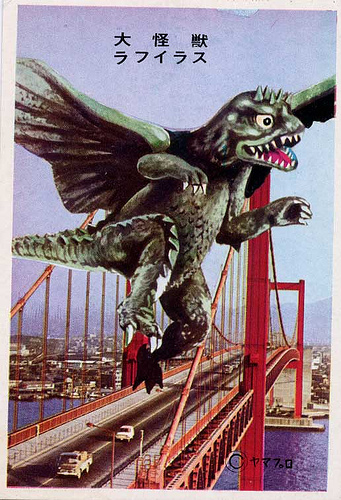
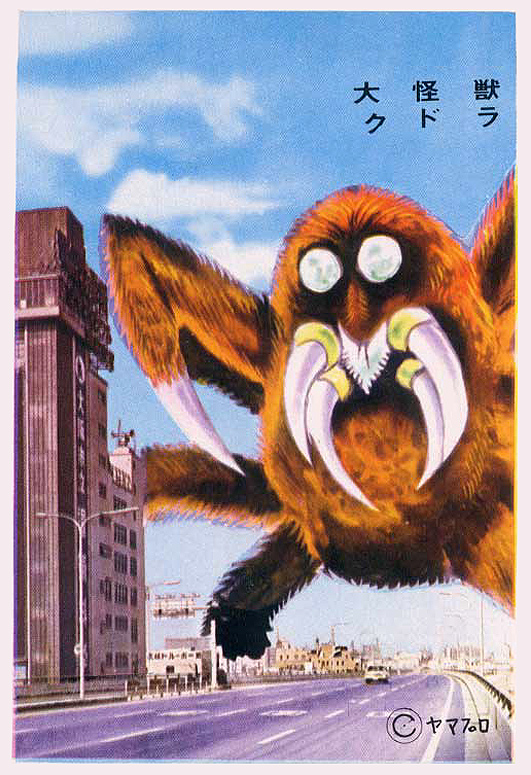
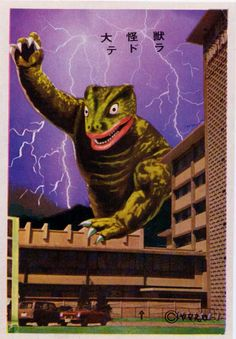
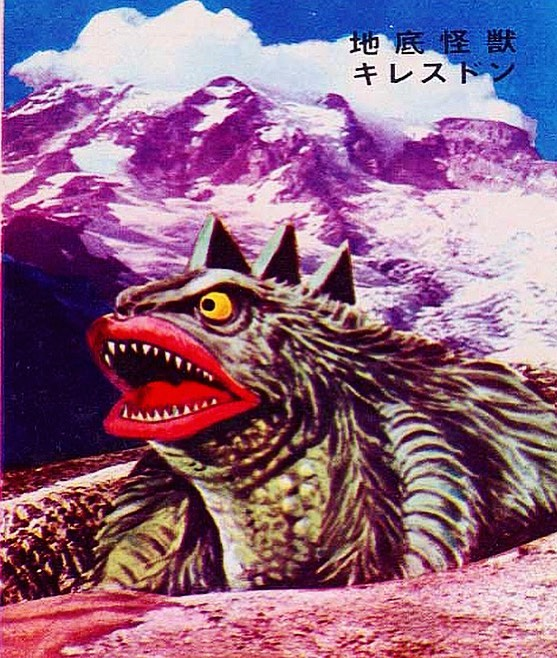
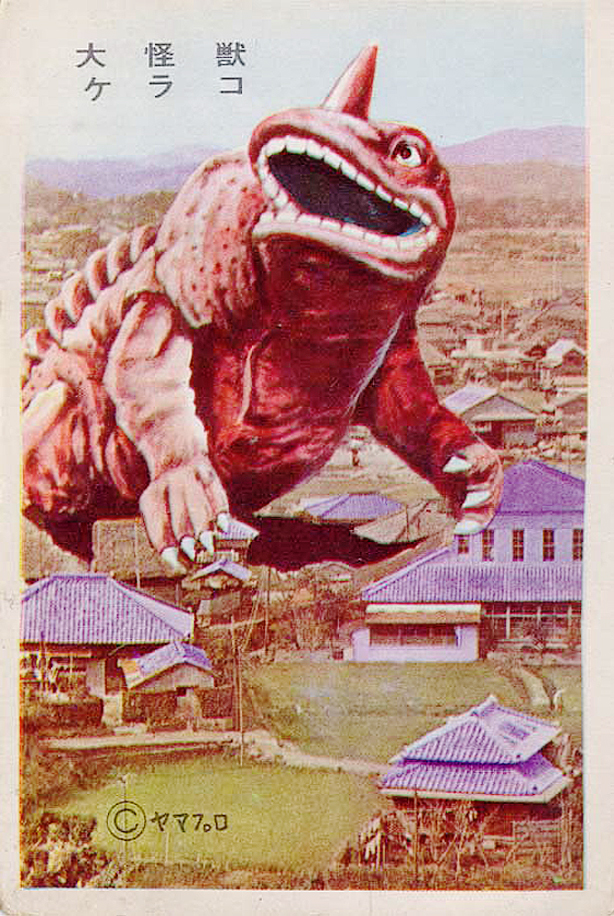
Third series featuring both named and unnamed characters, the latter coming from a Monster Confrontation set.[6]
-
 Metton
 -
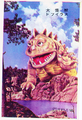 Dofilas
 -
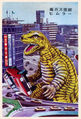 Himular
 -
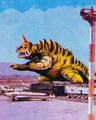 Zelako
 -
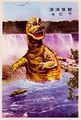 Kibira
 -
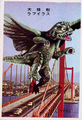 Lafiras
 -
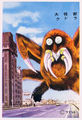 Kudora
 -
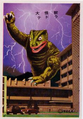 Tedra
Tedra -
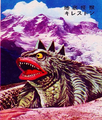 Killesdon
 -
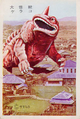 Keraco
 -
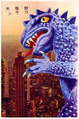 Shirako
 -
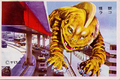 Raco
Raco -
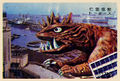 Tobozu
 -
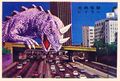 Doilar
 -
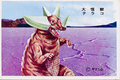 Terraco
 -
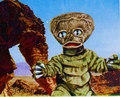 Yamapro
 -
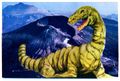 Puredon
 -
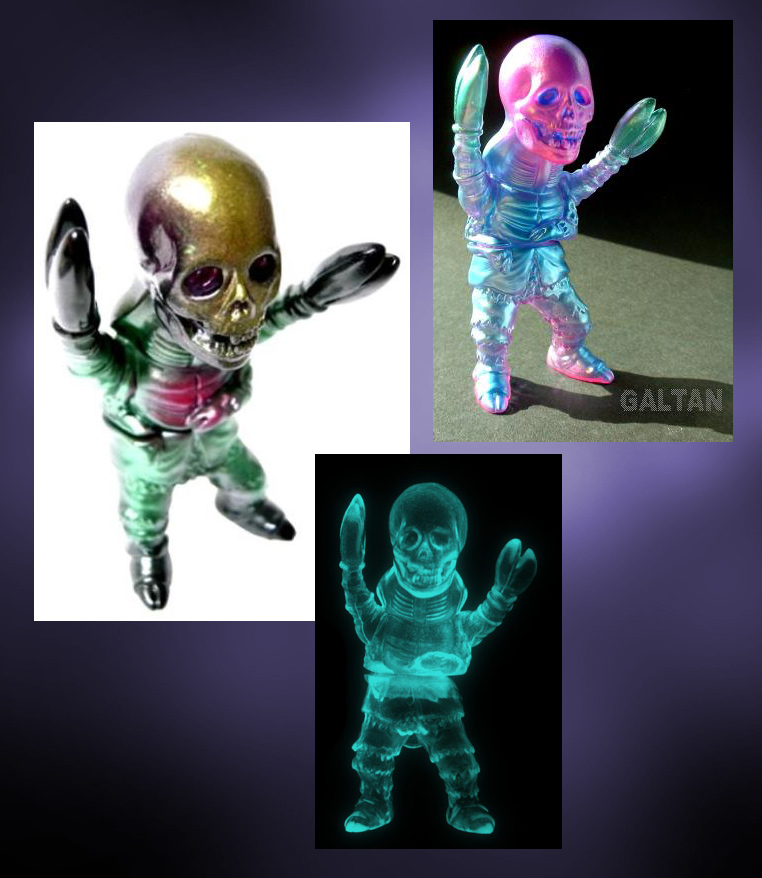
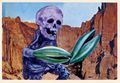 Unnamed monster but given the name Galtan for a 2007 figure
 -
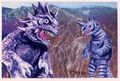 Unnamed monster
 -
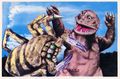 Unnamed monster
 -
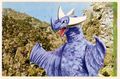 Unnamed monster
 -
 Unnamed monster
 -
 Unnamed monster
 -
 Unnamed monster
 -
 Unnamed monster
 -
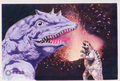 Unnamed monster
 -
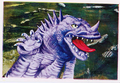 Unnamed monster
 -
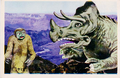 Unnamed monster
 -
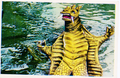 Unnamed monster
 -
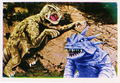 Unnamed monster
 -
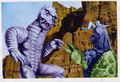 Unnamed monsters
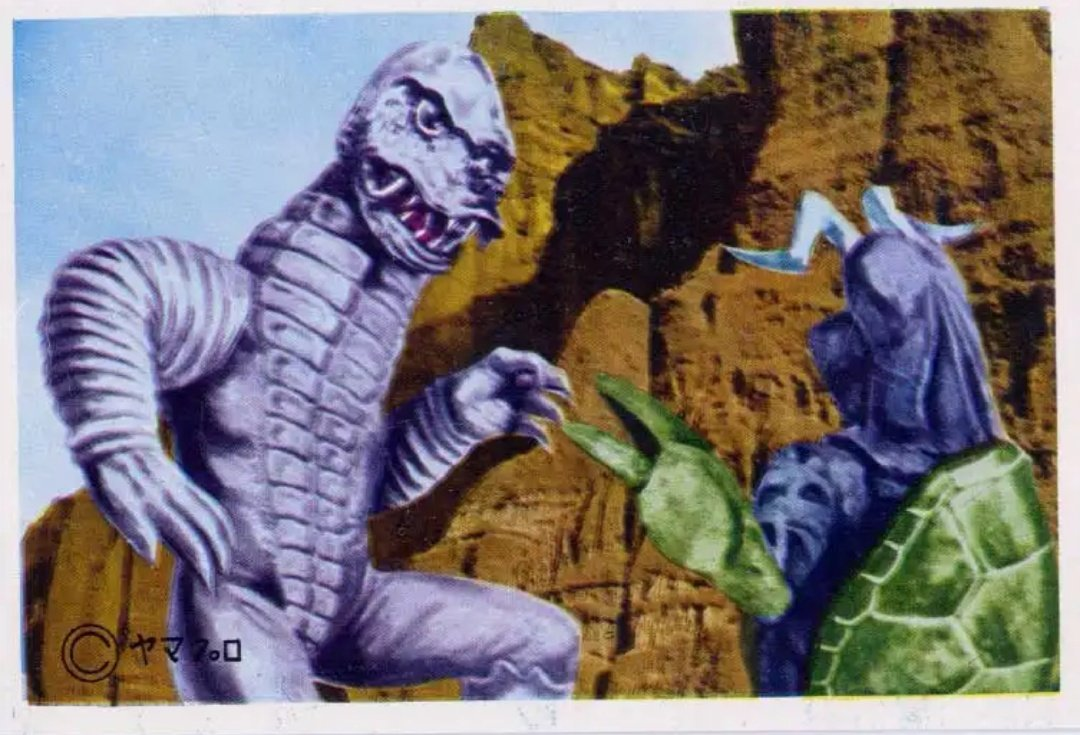
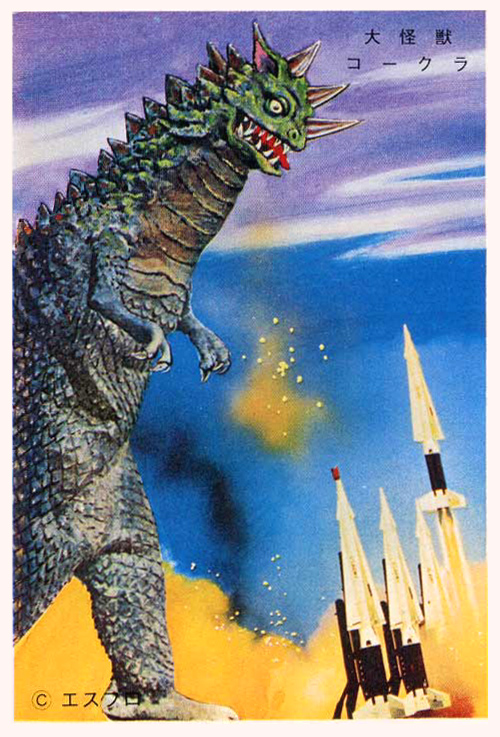
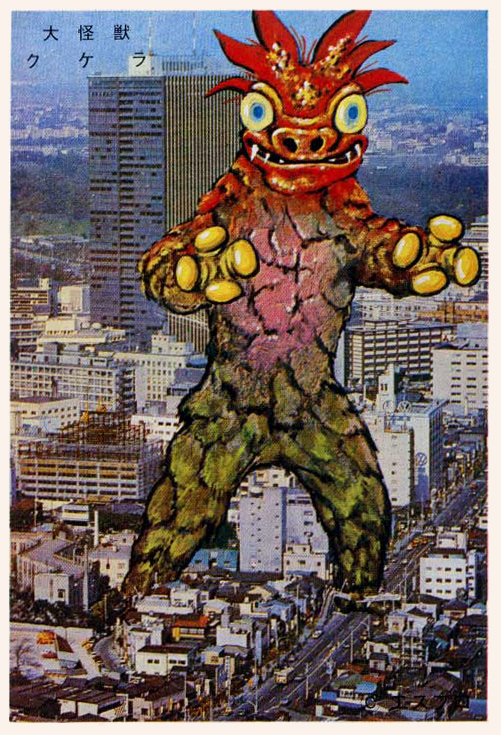
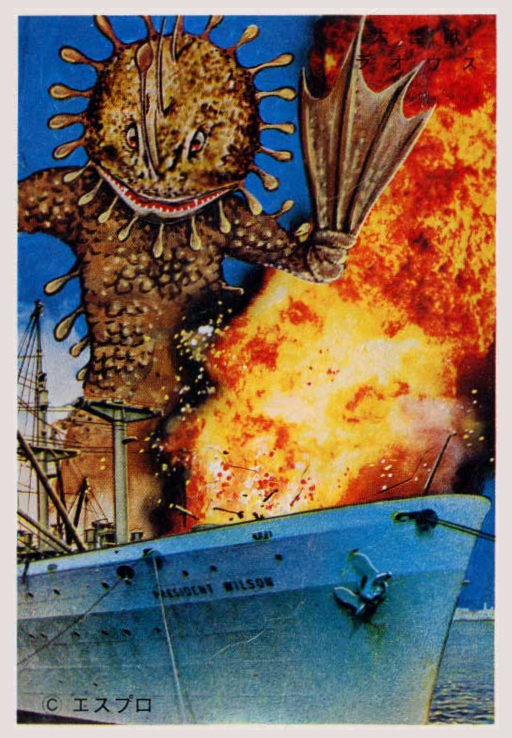
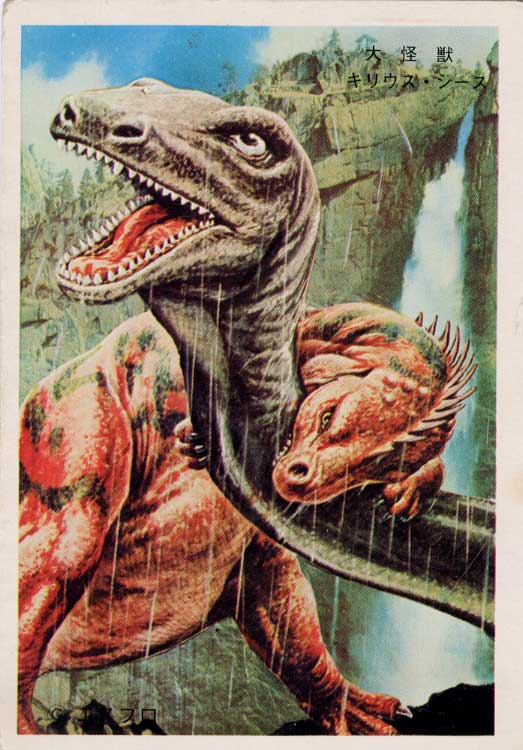
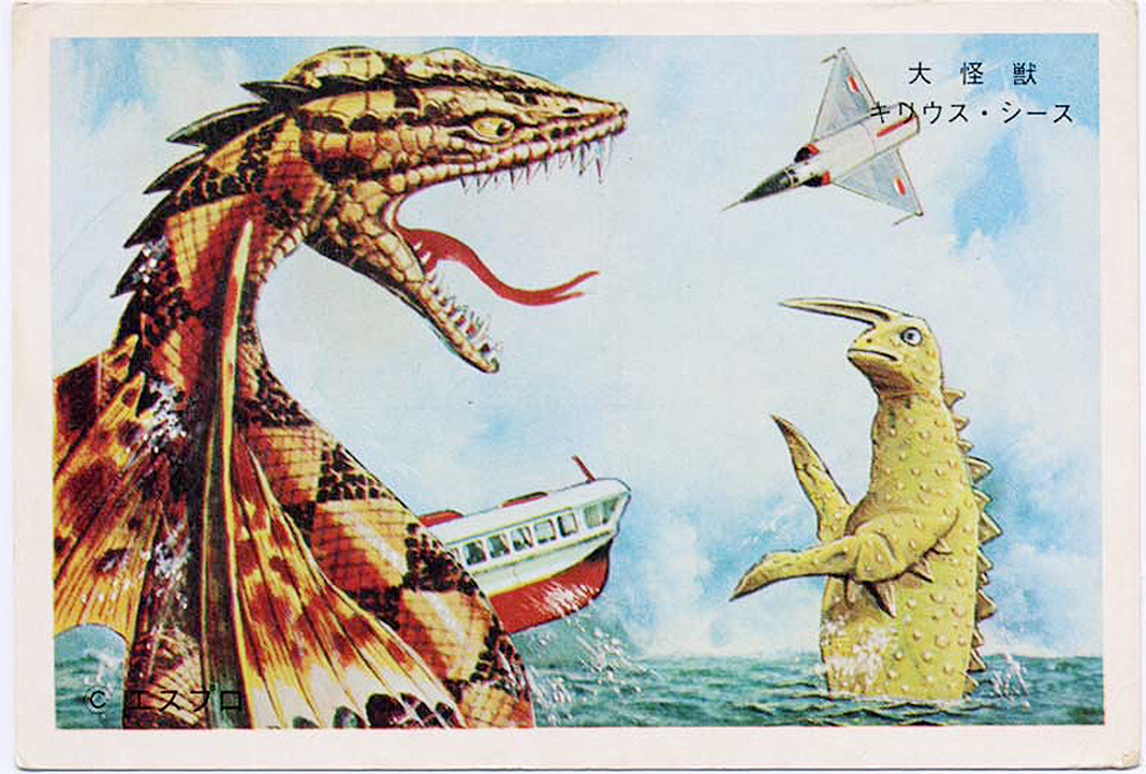
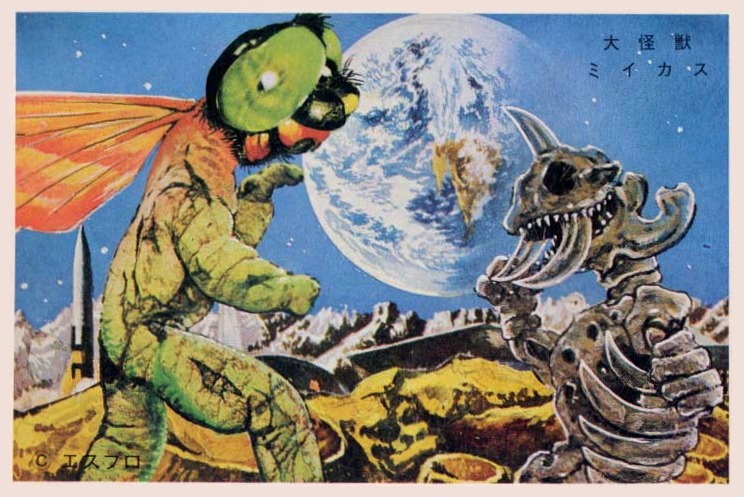
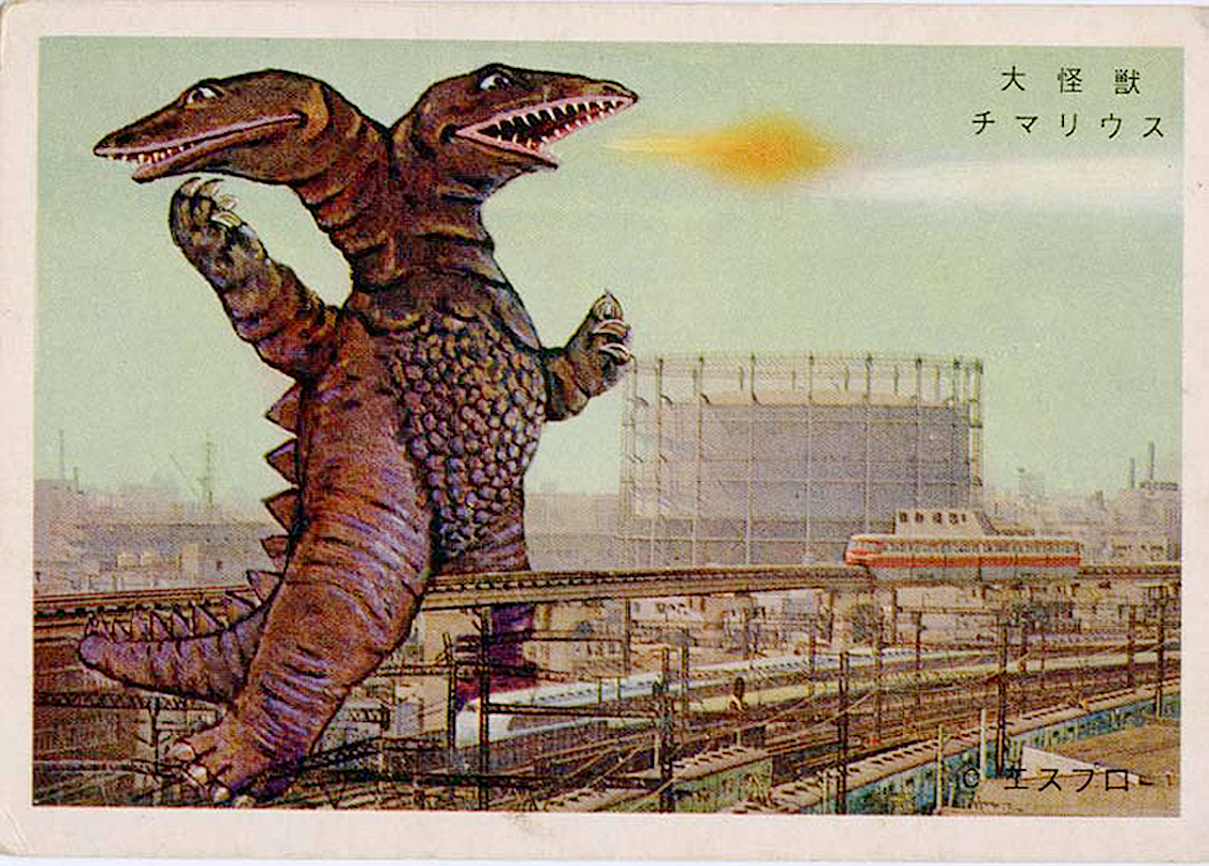
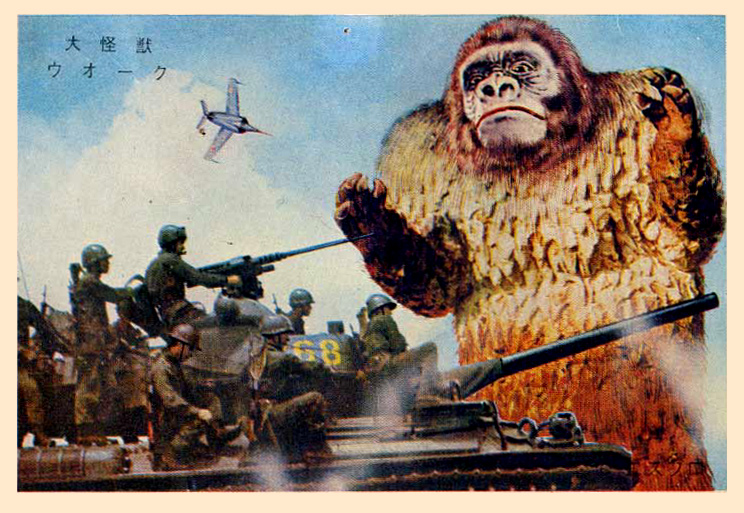
Espro Edition
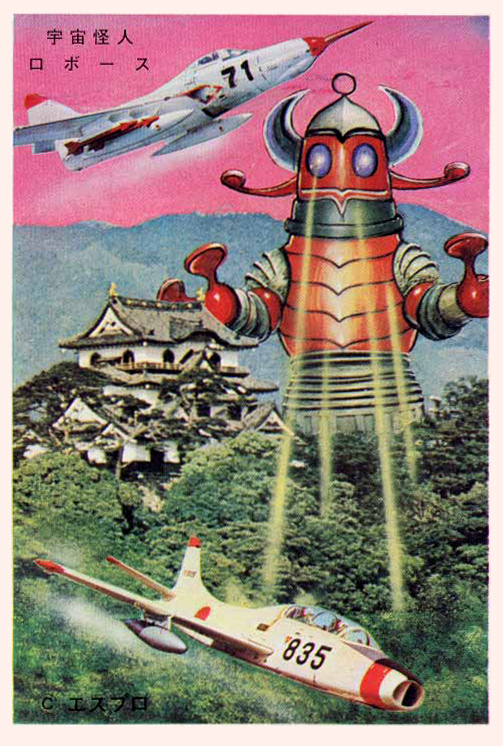
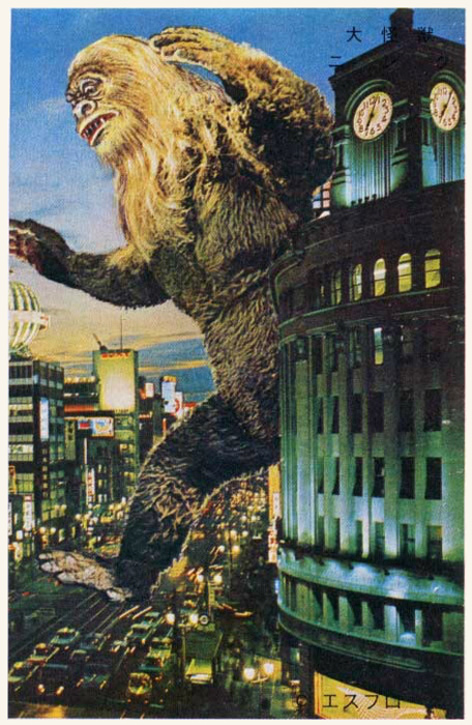
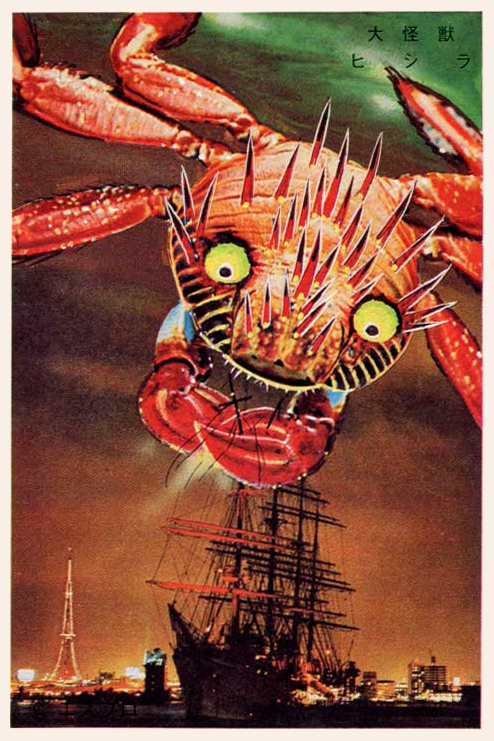
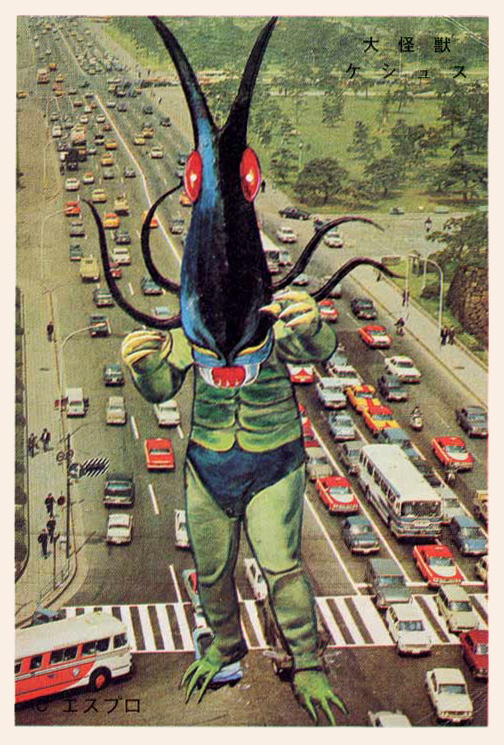
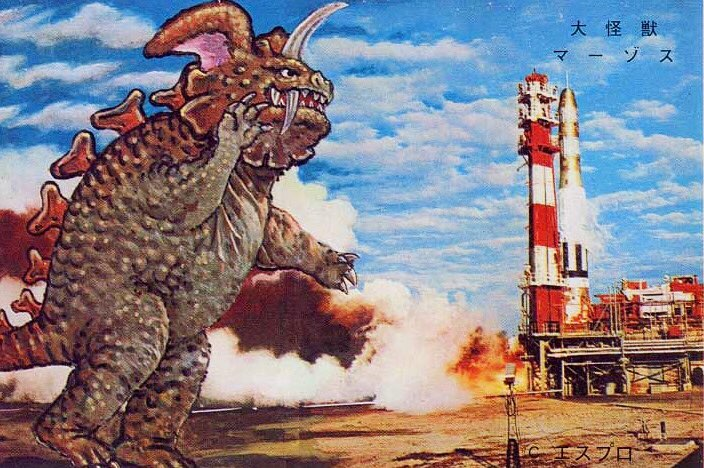
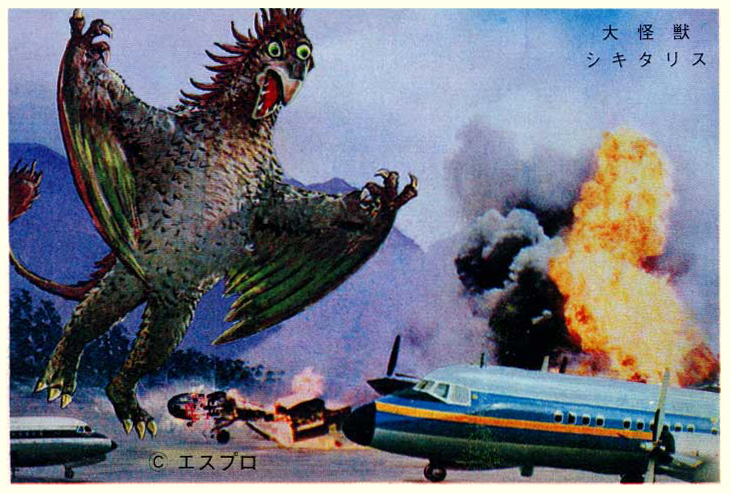
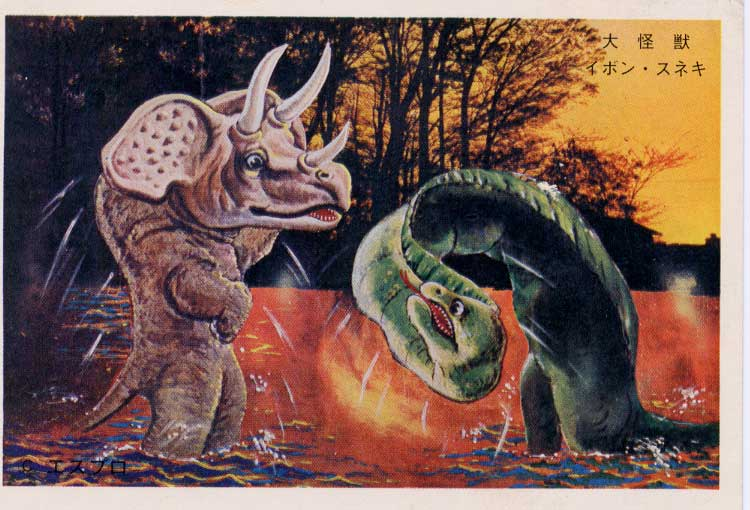
Fourth series supposedly sold only at Japanese candy stores.[7]
-
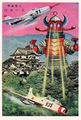 Robos
Robos -
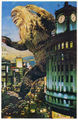 Ninku
Ninku -
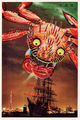 Hishira
 -
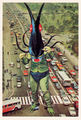 Keshyusu
 -
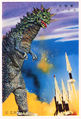 Kokura
 -
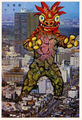 Kukerah
 -
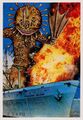 Raoh
Raoh -
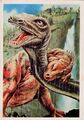 Kirius vs. Sheath (1)
 -
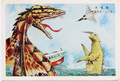 Kirius vs. Sheath (2)
 -
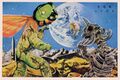 Miikasu vs. unnamed monster
 -
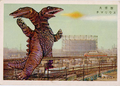 Chimarius
 -
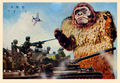 Walk
Walk -
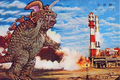 Maazosu
 -
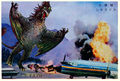 Shikitaris
 -
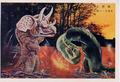 Yvon vs Sneki
Latter-era Editions
Bromide cards produced towards the end of the decade under various miscellaneous series like New Monsters and Iwata Pro Large Monster Edition. Although Pachimon is infamous for culling from other monster characters and related image sources, the dip in quality is most apparent with these later entries.[8]
-
 Unnamed monster
 -
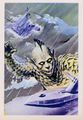 Unnamed monster
 -
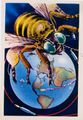 Unnamed monster
 -
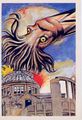 Unnamed monster, reuse of Giant Sea Beast Chockak
 -
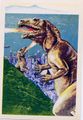 Unnamed monster
 -
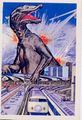 Unnamed monster
 -
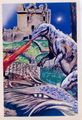 Unnamed monster
 -
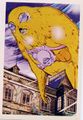 Unnamed monster
 -
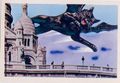 Unnamed monster
 -
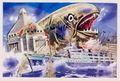 Unnamed monster but named Whow in the unofficial game Pachimon Kaiju Dainessen
 -
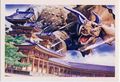 Unnamed monster, reuse of Giant Monster Triceratops
 -
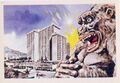 Unnamed monster
 -
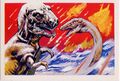 Unnamed monsters
 -
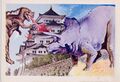 Unnamed monsters
 -
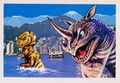 Unnamed monsters
 -
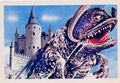 Unnamed monster
 -
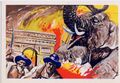 Unnamed monster
 -
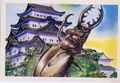 Unnamed monster
 -
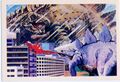 Unnamed monsters
 -
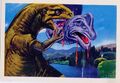 Unnamed monsters
 -
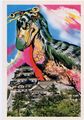 Unnamed monster, reuse of Jiatorima
 -
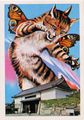 Unnamed monster
 -
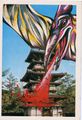 Unnamed monster
 -
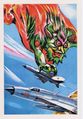 Unnamed monster
 -
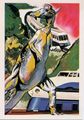 Unnamed monster
 -
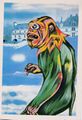 Unnamed monster
 -
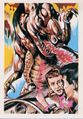 Unnamed monster
 -
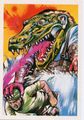 Unnamed monster
 -
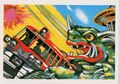 Unnamed monster
 -
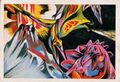 Unnamed monsters
 -
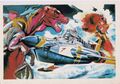 Unnamed monster
 -
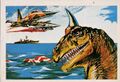 Unnamed monster
 -
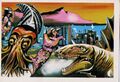 Unnamed monsters
 -
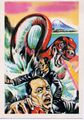 Unnamed monster
 -
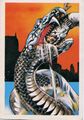 Unnamed monster
 -
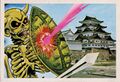 Unnamed monster
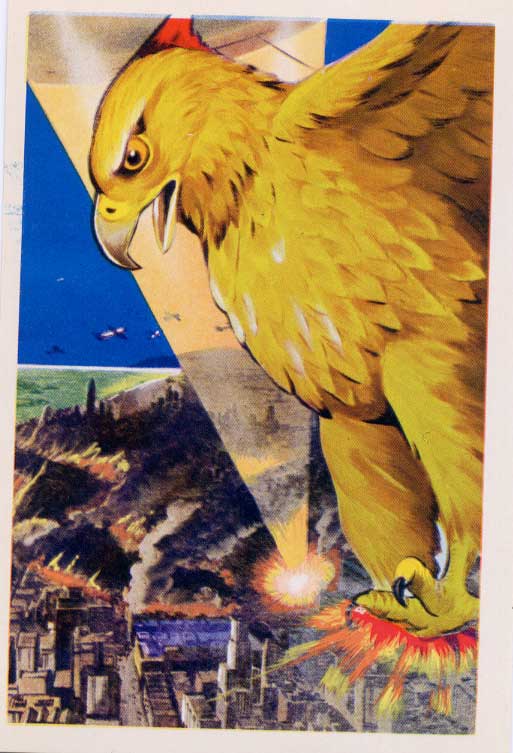
Playing Cards
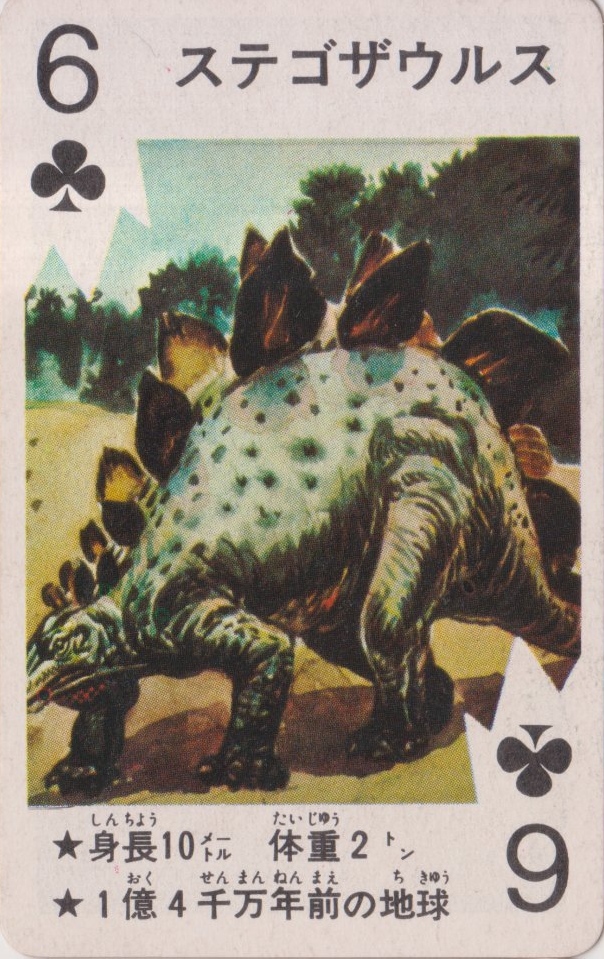
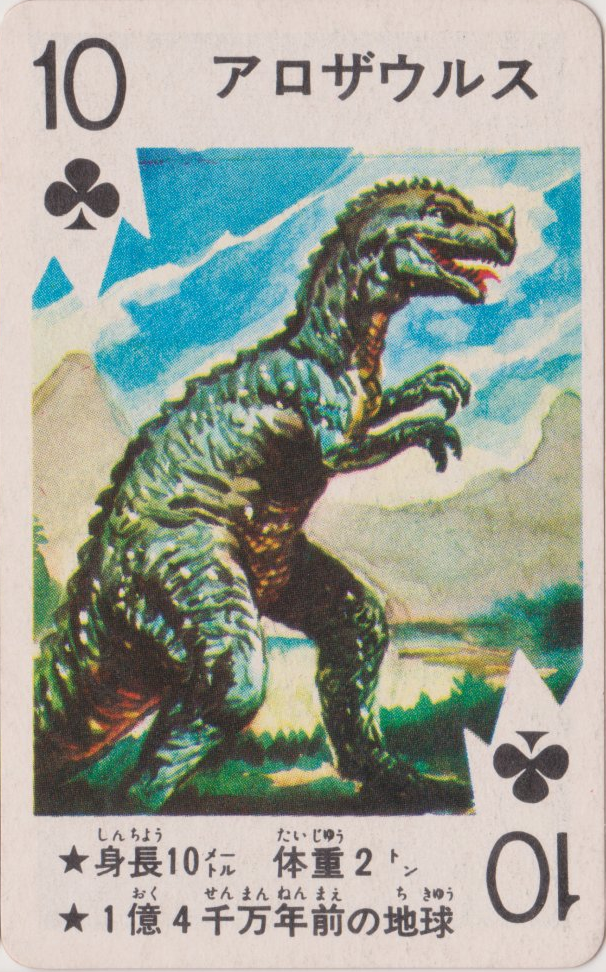
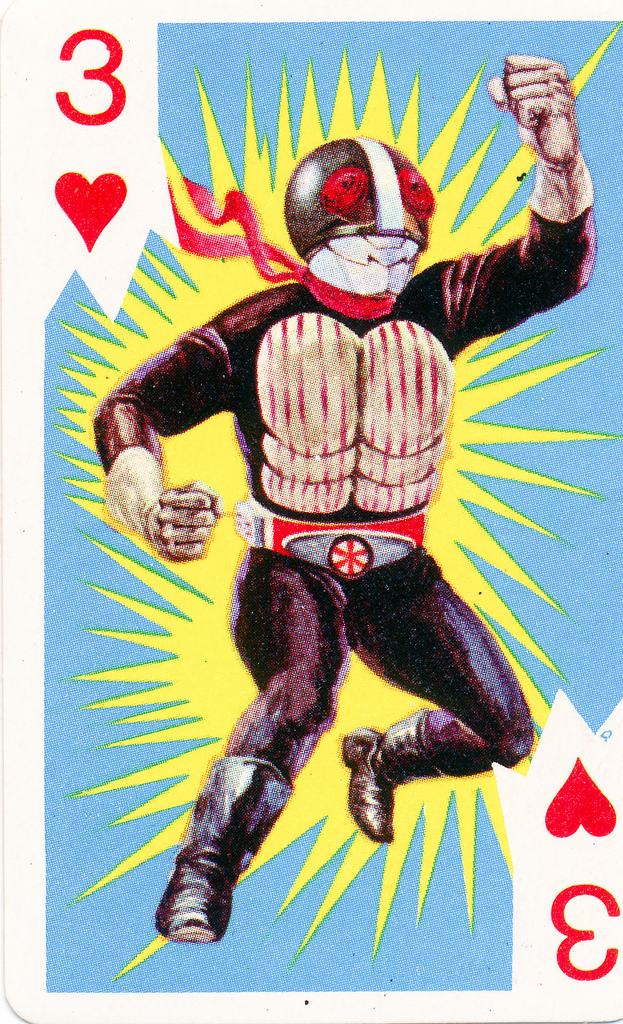
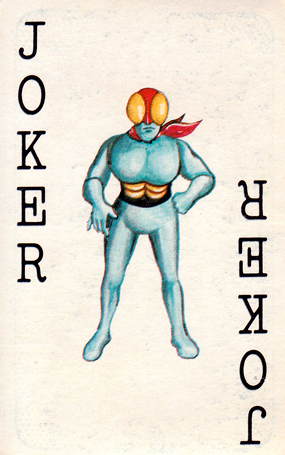
Playing cards that reuses older images and characters alongside some new additions, mainly taken from Japanese picture books related to dinosaurs, fantasy monsters, and science fiction.[9]
-
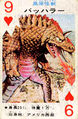 Bahharah playing card
 -
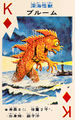 Burum playing card
 -
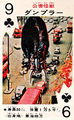 Danpurar playing card
 -
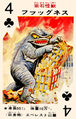 Fufuggeness playing card
 -
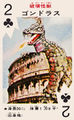 Gondoras playing card
 -
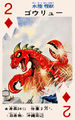 Goryu playing card
 -
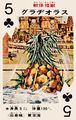 Guradjioras playing card
 -
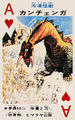 Kanchenga playing card
 -
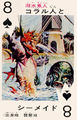 Korarujin vs. Shīmeido playing card
 -
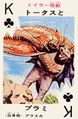 Tōtasu vs. Purami playing card
 -
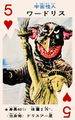 Wardoris playing card
 -
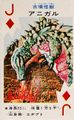 Anigaru playing card
 -
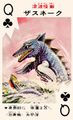 Zasunek playing card
 -
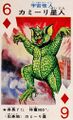 Alien Kamiri playing card
 -
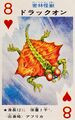 Dorakkuon playing card
 -
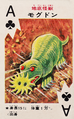 Mogudon playing card
 -
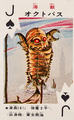 Octobus playing card
 -
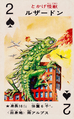 Ruzahdon playing card
 -
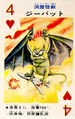 Jeebat playing card
 -
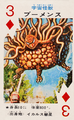 Boomens playing card
 -
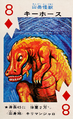 Keyhose playing card
 -
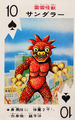 Sandalar playing card
 -
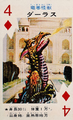 Dahras playing card
 -
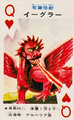 Eagler playing card
 -
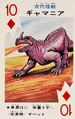 Gyamania playing card
 -
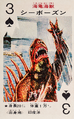 Seabozun playing card
 -
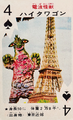 Hightawagon playing card
 -
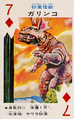 Garinco playing card
 -
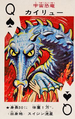 Kairyu playing card
 -
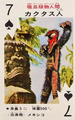 Cactus Man playing card
 -
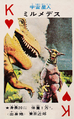 Milmedes playing card
 -
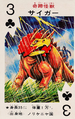 Saigar playing card
 -
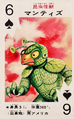 Mantiz playing card
 -
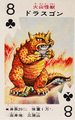 Drasgon playing card
 -
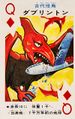 Daburinton playing card
 -
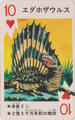 Edaphosaurus playing card
 -
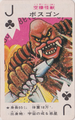 Bosgon playing card
 -
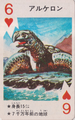 Archelon playing card
 -
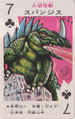 Spungis playing card
 -
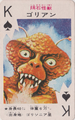 Golian playing card
 -
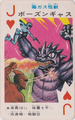 Bowson Gass playing card
 -
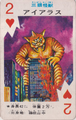 Eyearus playing card
 -
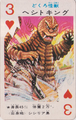 Heshito King playing card
 -
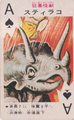 Styraco playing card
 -
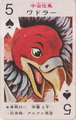 Waddler playing card
 -
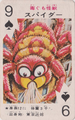 Spider playing card
 -
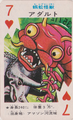 Adult Centipede Monster playing card
 -
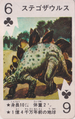 Stegosaurus playing card
 -
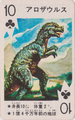 Allosaurus playing card
 -
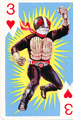 Unnamed monster
Kewpie Corporation Playing Cards
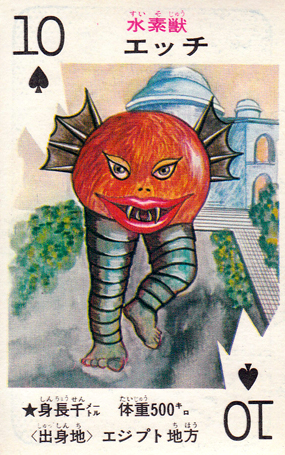
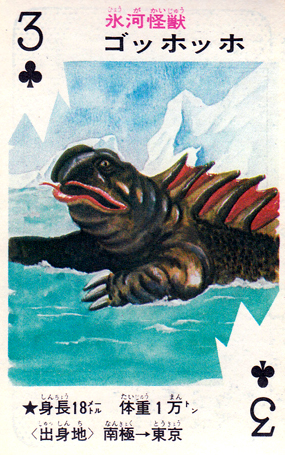
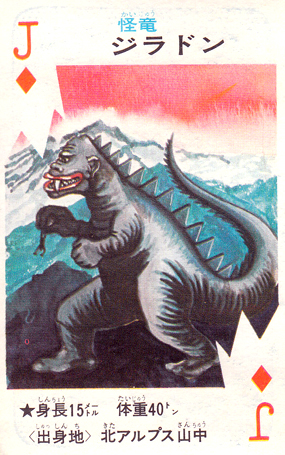
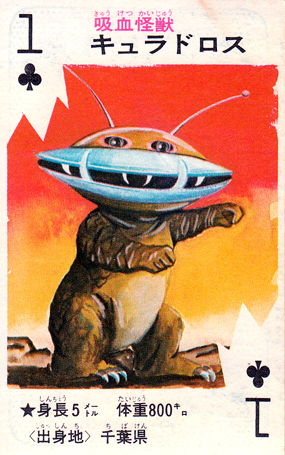
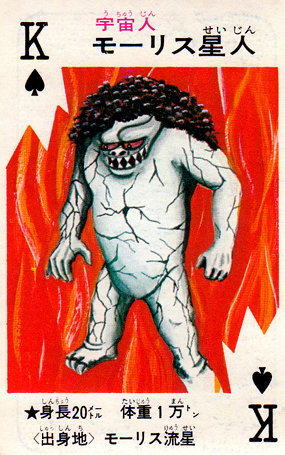
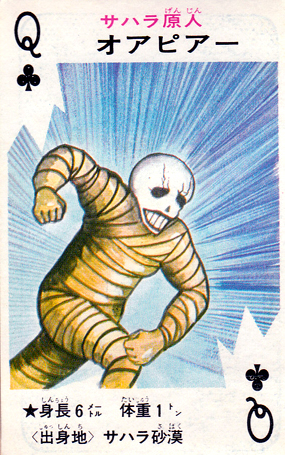
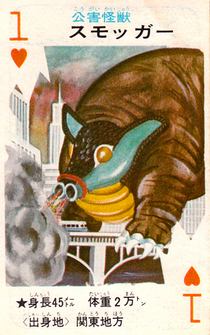
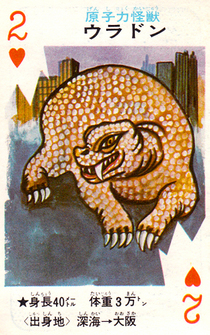
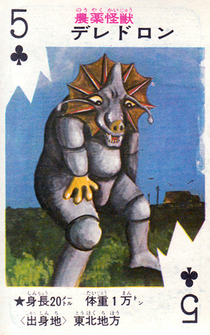
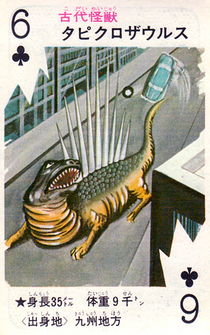
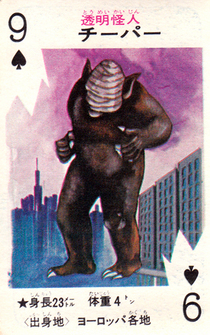
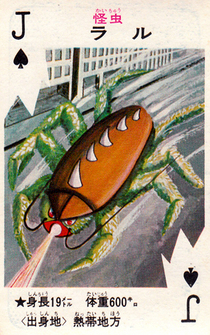
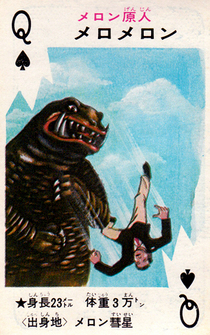
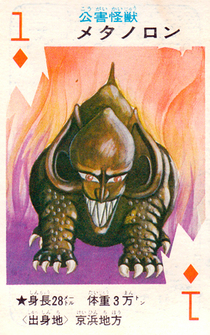
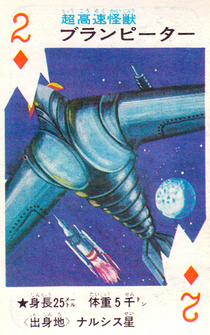
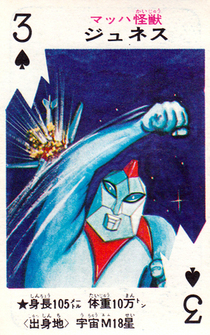
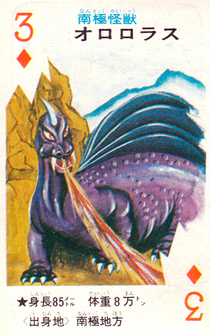
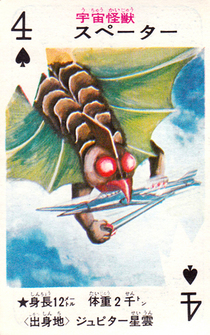
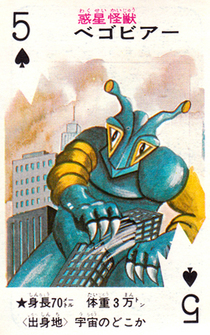
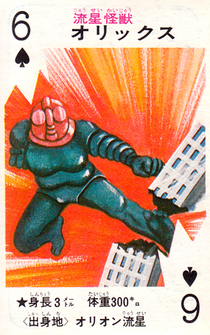
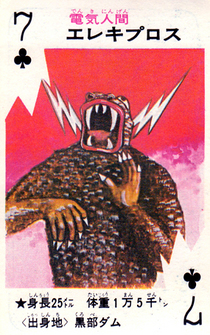
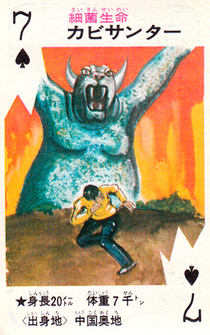
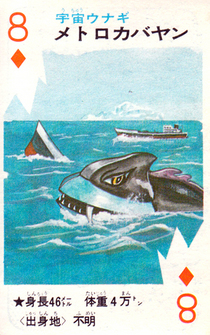
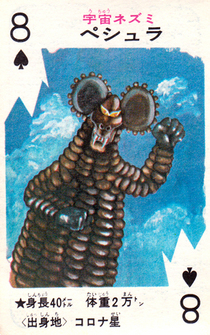
The following set of promotional playing cards were produced by the Kewpie Corporation and featured original creature artwork along with related names and stats. However, these cards are still often lumped together with other Pachimon due to some of the designs still being derivative of existing characters.[10]
-
 Etch playing card
 -
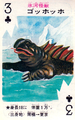 Gohhogh playing card
 -
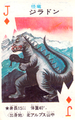 Zilladon playing card
 -
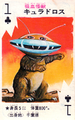 Curadros playing card
 -
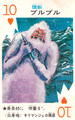 Bullbull playing card
 -
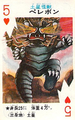 Pelebon playing card
 -
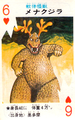 Menakuzilla playing card
 -
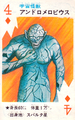 Andromeropius playing card
 -
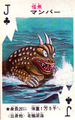 Manbar playing card
 -
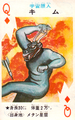 Kim playing card
 -
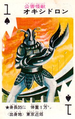 Oxidron playing card
 -
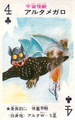 Altamegalo playing card
 -
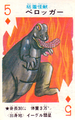 Pelogger playing card
 -
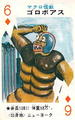 Goroboas playing card
 -
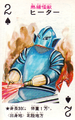 Heater playing card
 -
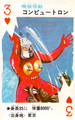 Computron playing card
 -
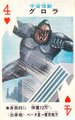 Glora playing card
 -
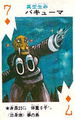 Vacuuma playing card
 -
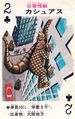 Casures playing card
 -
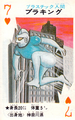 Plaking playing card
 -
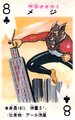 Mage playing card
 -
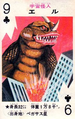 Elle playing card
 -
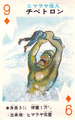 Tibetron playing card
 -
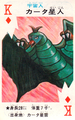 Alien Carta playing card
 -
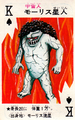 Alien Maurice playing card
 -
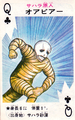 Orpier playing card
 -
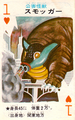 Smogger playing card
 -
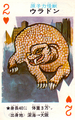 Uradon playing card
 -
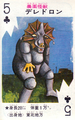 Deledron playing card
 -
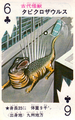 Tapicrosaurus playing card
 -
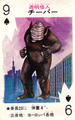 Cheaper playing card
 -
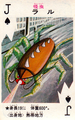 Lal playing card
 -
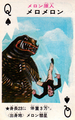 Melomron playing card
 -
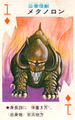 Methanron playing card
 -
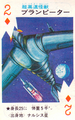 Branpeter playing card
 -
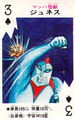 Juness playing card
 -
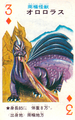 Oroloras playing card
 -
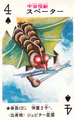 Spater playing card
 -
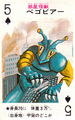 Begoviar playing card
 -
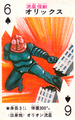 Orix playing card
 -
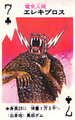 Elecpros playing card
 -
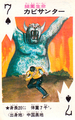 Kavisanter playing card
 -
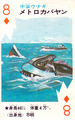 Metrocabayan playing card
 -
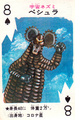 Peshla playing card
 -
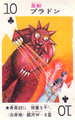 Pradon playing card
 -
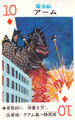 Arm playing card
 -
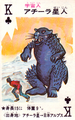 Alien Acheela playing card
 -
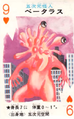 Betalas playing card
 -
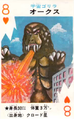 Oaks playing card
 -
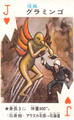 Gramingo playing card
 -
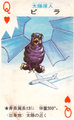 Pira playing card
 -
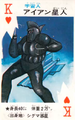 Alien Iron playing card
 -
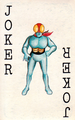 Unnamed monster
Other Cards
Various cards that don't fit in any of the above collections.
-
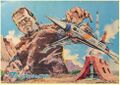 Giant Frankenstein's monster
 -
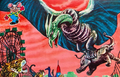 Unknown entry with a Rodan-based monster
 -
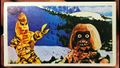 Unknown entry with unnamed monsters
 -
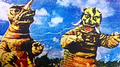 Unknown entry with unnamed monster
 -
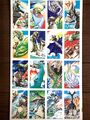 Unknown collection of Pachimon cards
 -
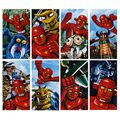 Cards featuring the stolen title hero from Super Robot Red Baron
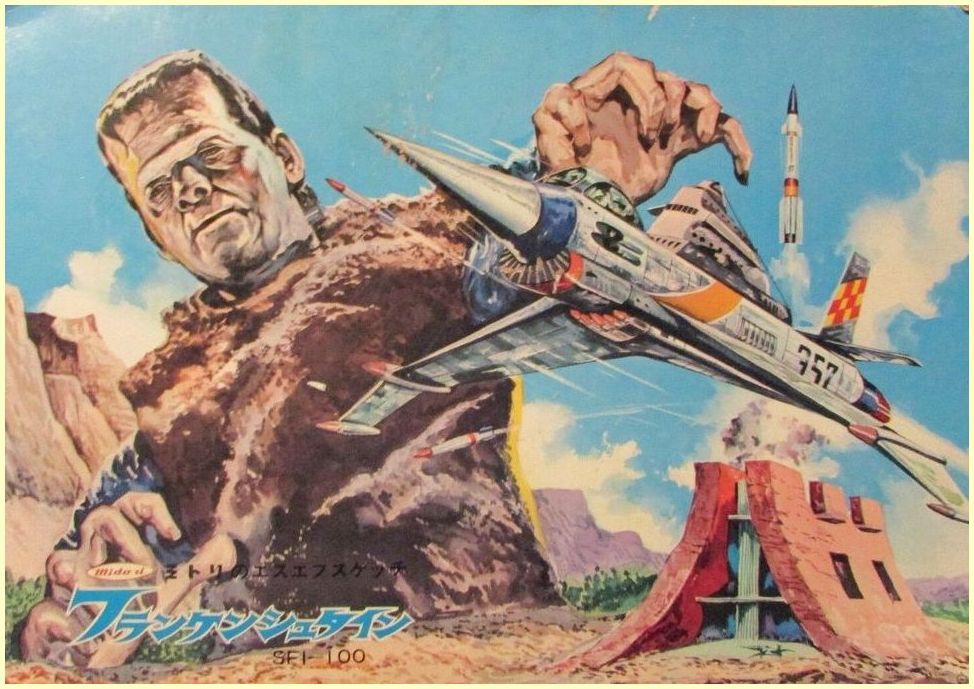
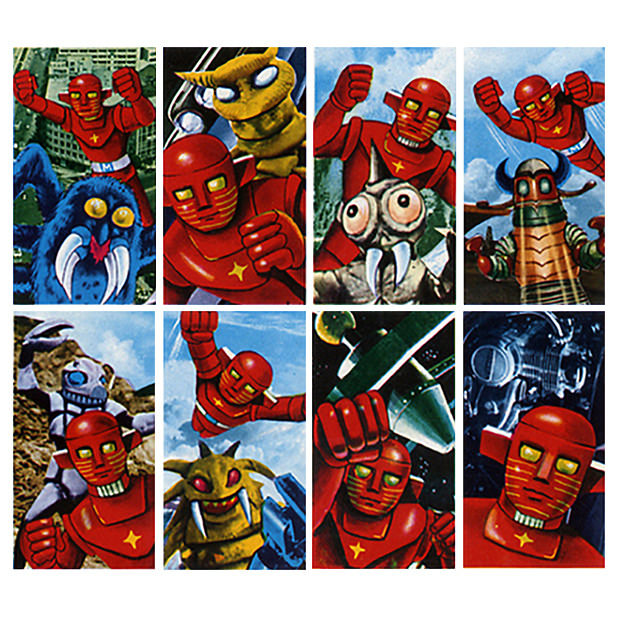
Merchandise
Merchandise, toys, and fan-created figures inspired by Yokopro's Pachimon bromide cards.
-
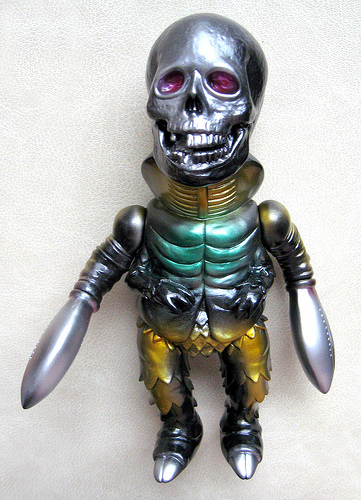
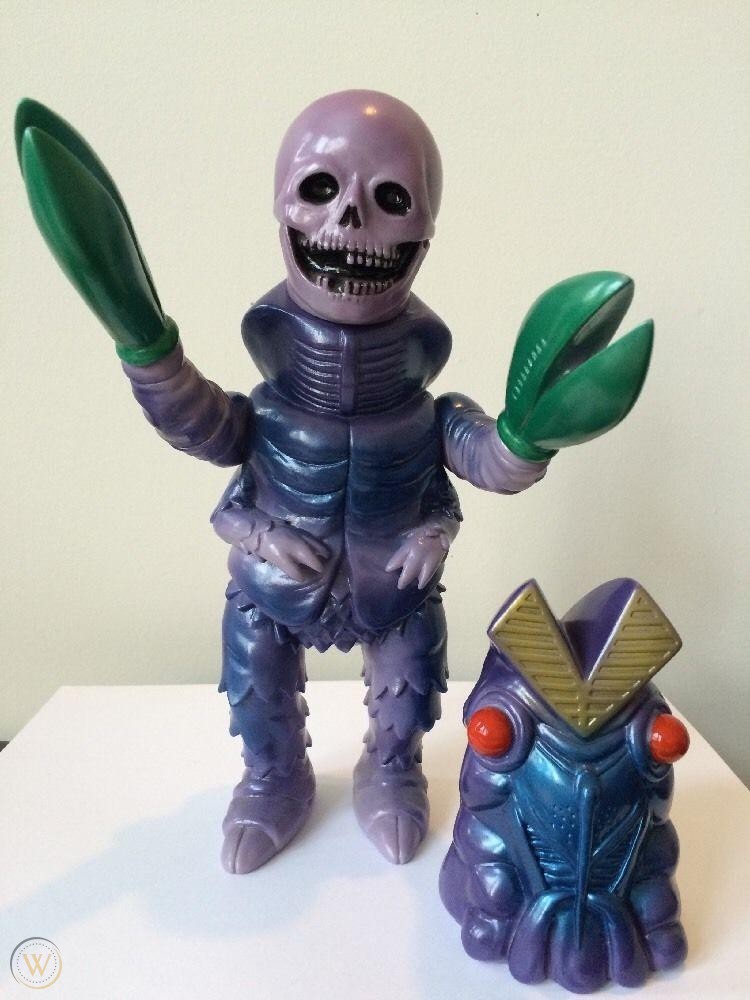
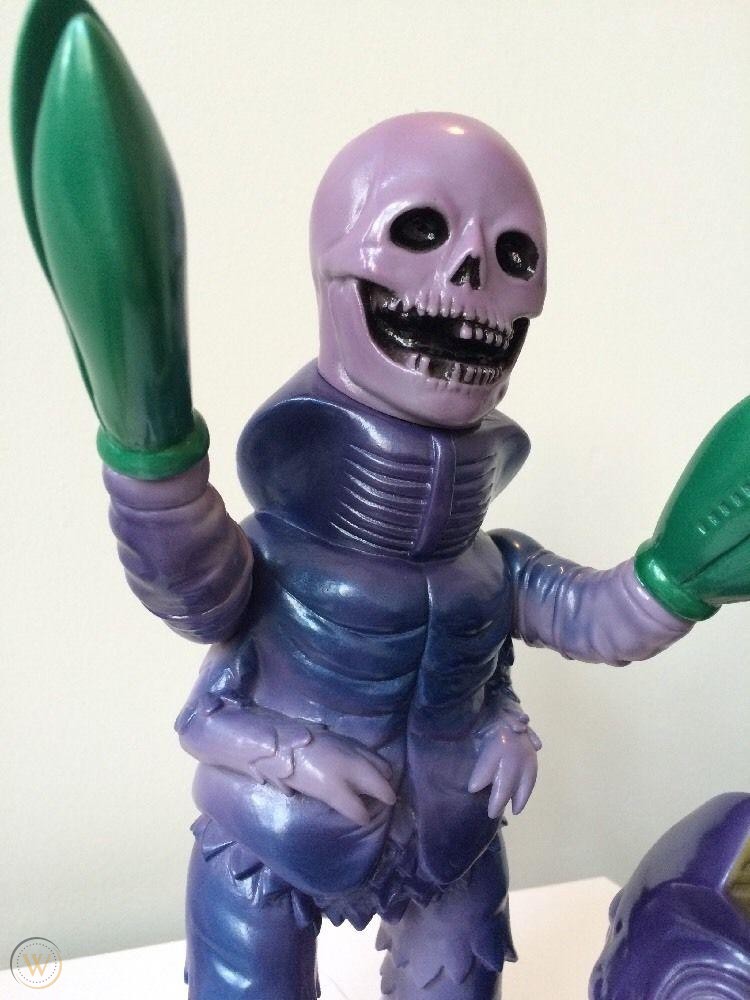
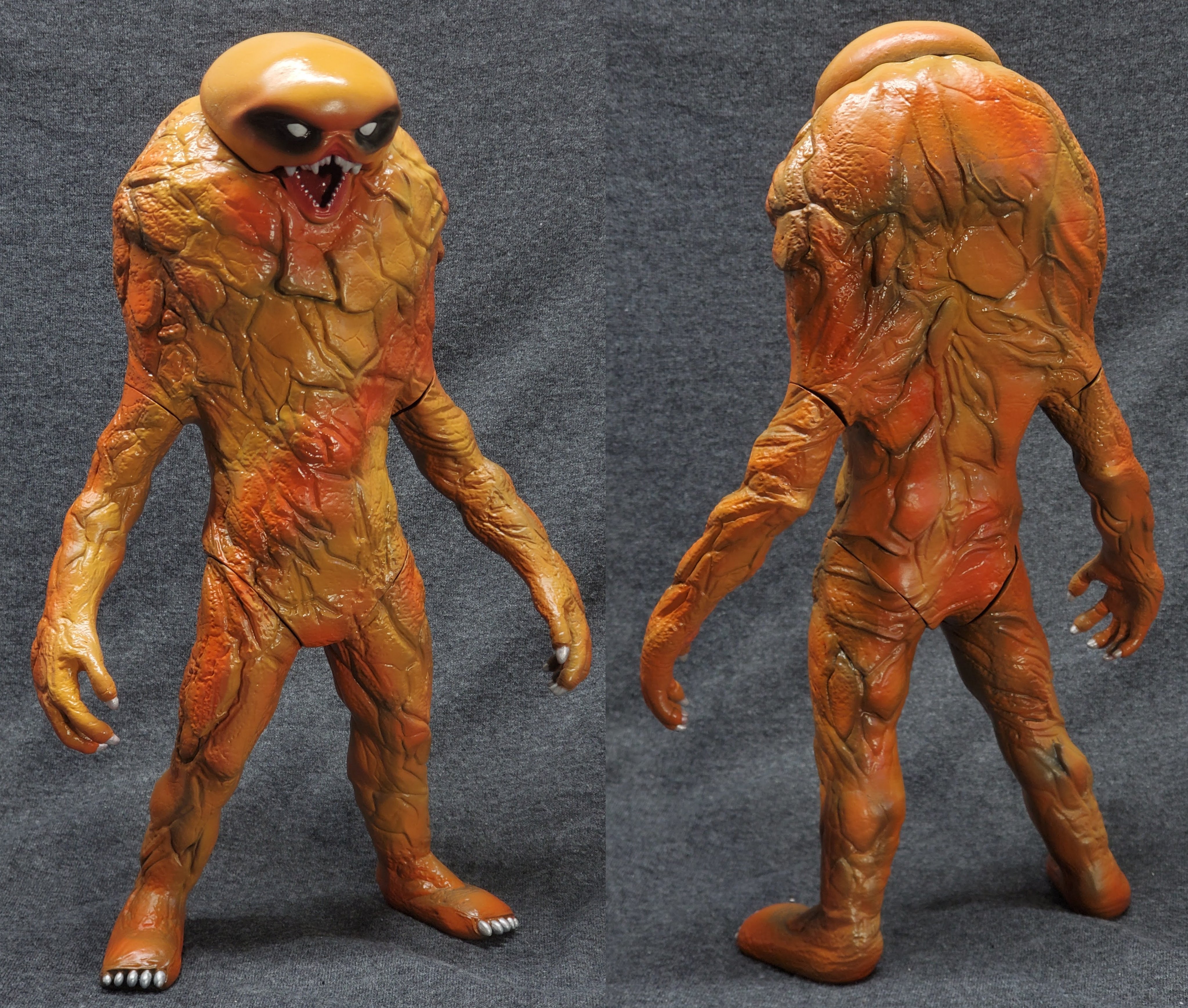
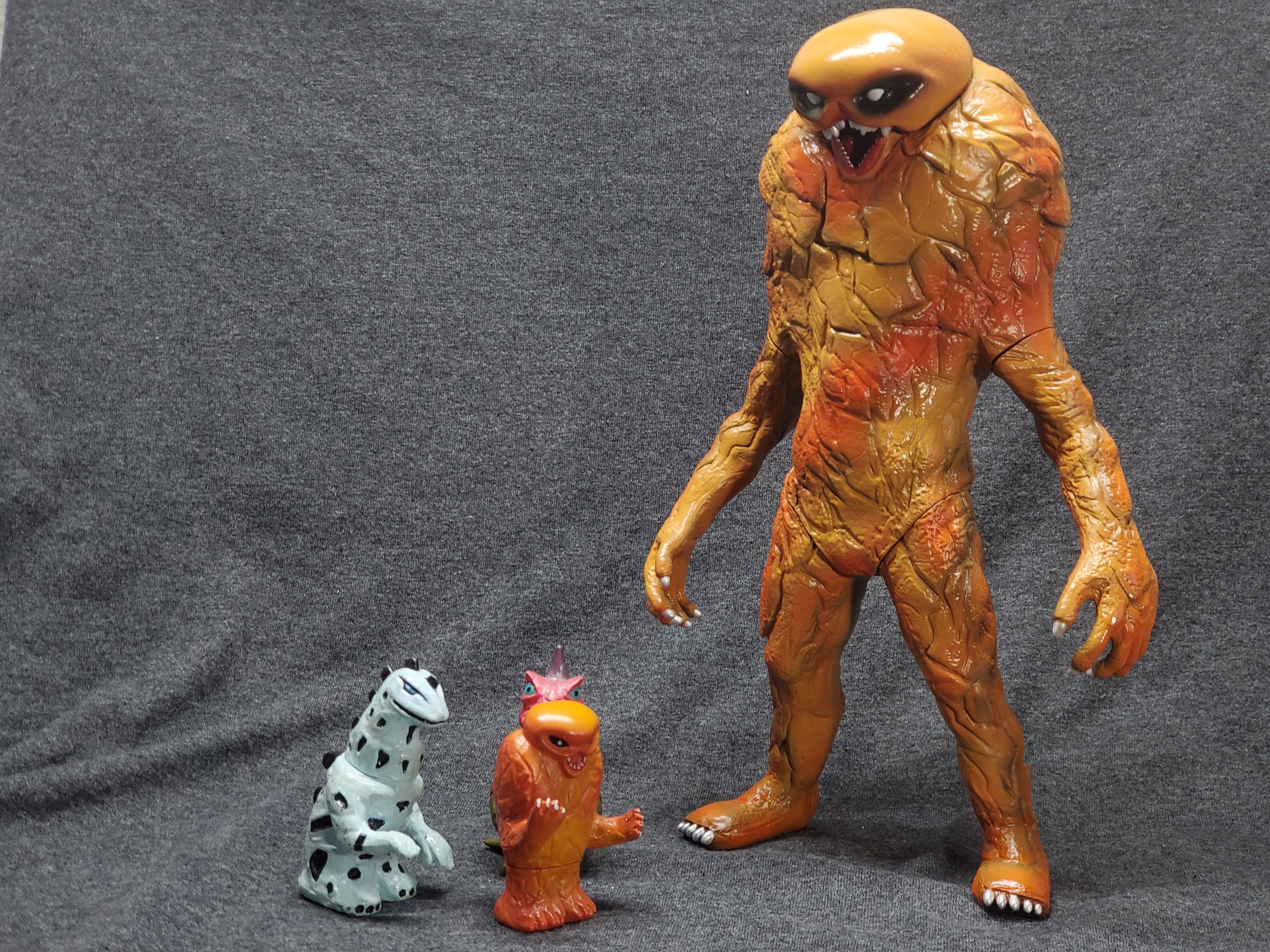
 Galtan vinyl figures
 -
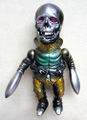 Galtan vinyl figure
 -
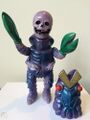 Galtan figure by Zollmen
 -
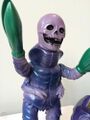 Galtan figure by Zollmen
 -
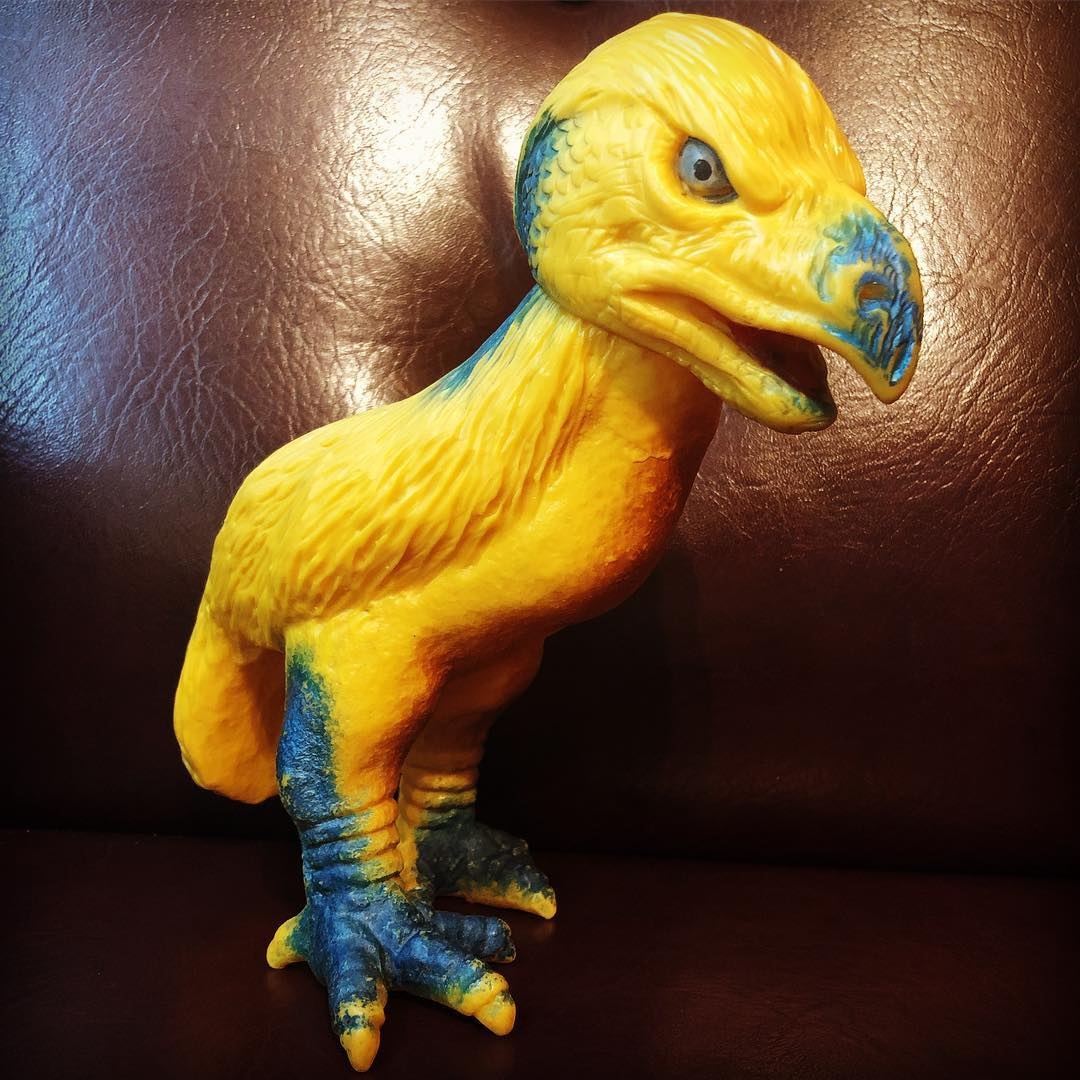
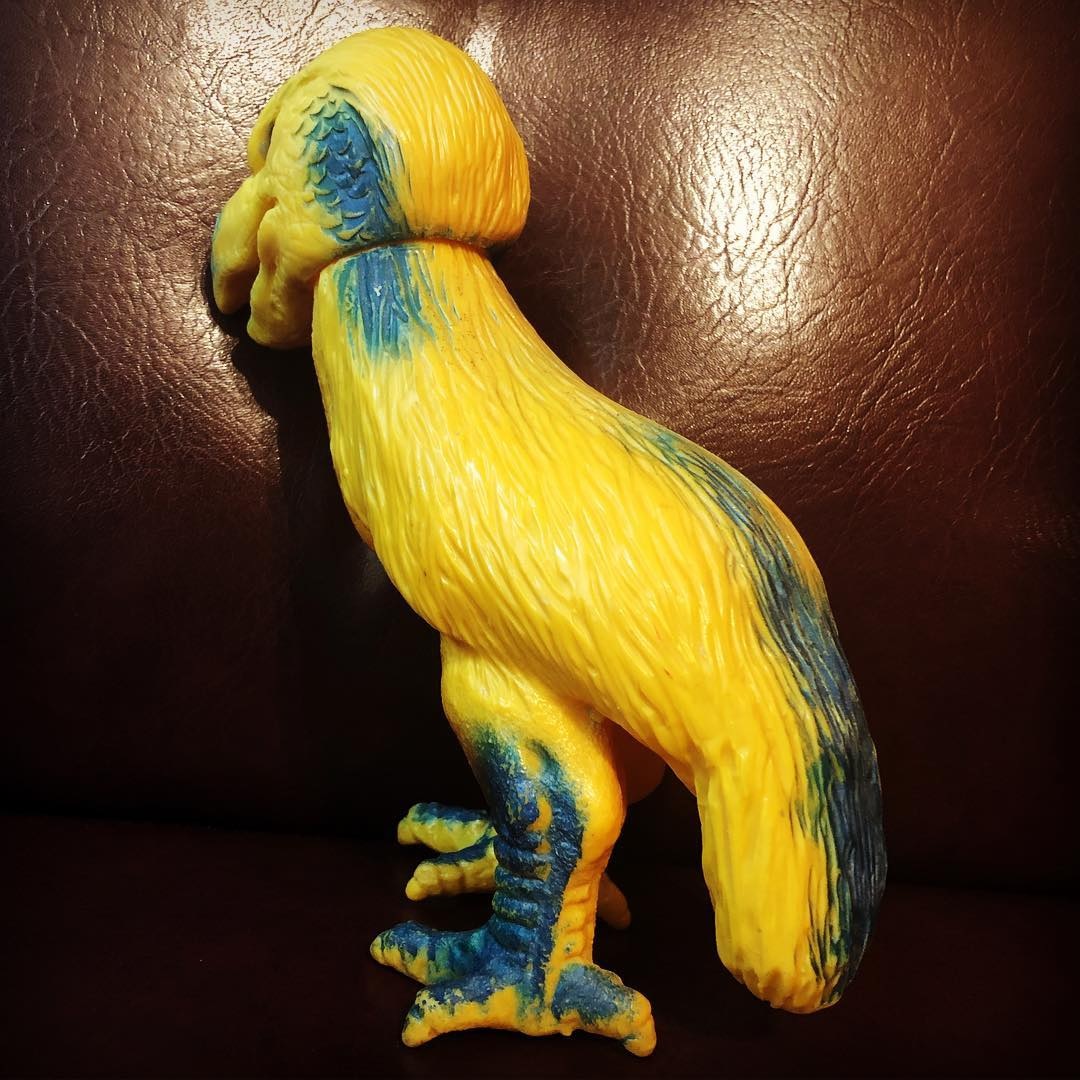
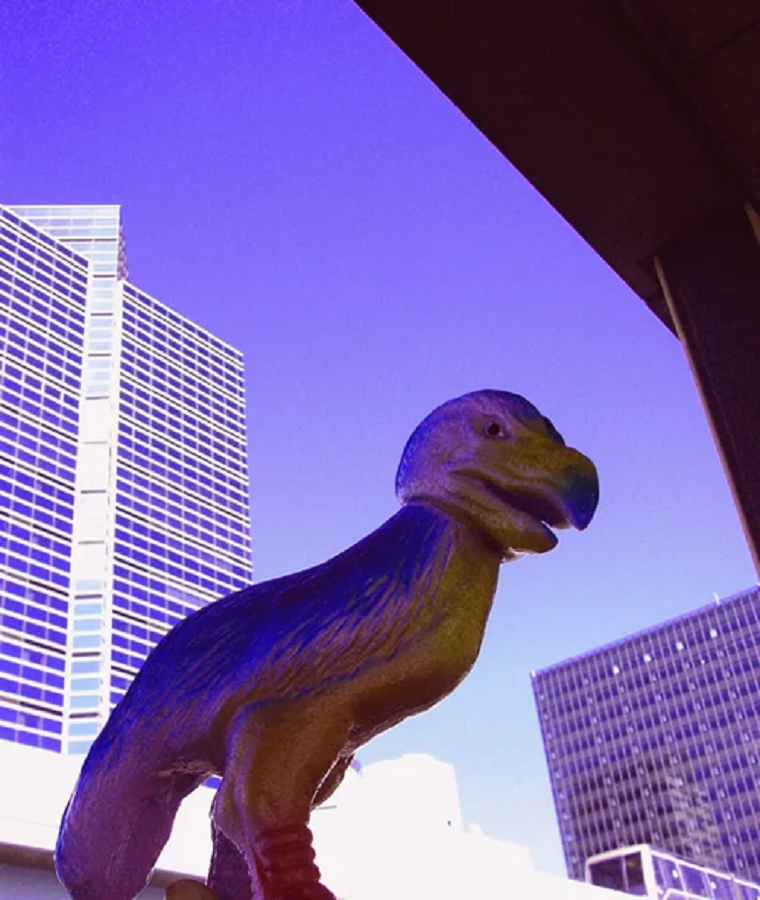
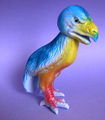 Diatryma vinyl figure
 -
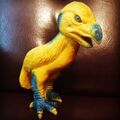 Diatryma
 -
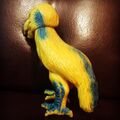 Diatryma
 -
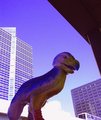 Diatryma
 -
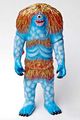 Agasukeron figure
 -
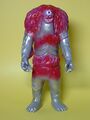 Akaskeron
 -
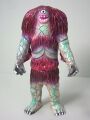 Akaskeron
 -
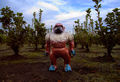 Saihatari vinyl figure
 -
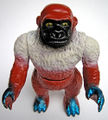 Saihatari
 -
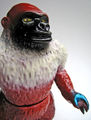 Saihatari
 -
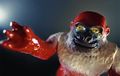 Saihatari
 -
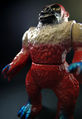 Saihatari
 -
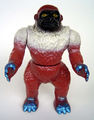 Saihatari
 -
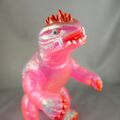 Tobozu
 -
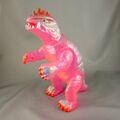 Tobozu
 -
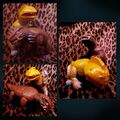 Tobozu and Raco
 -
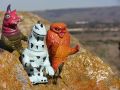 Majelis, Daigoras, and Kanjiras figurines
 -
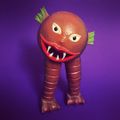 Etch vinyl figure
 -
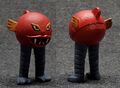 Etch mini figure
 -
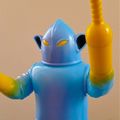 Heater vinyl figure
 -
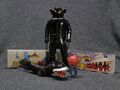 Heater, Etch, and Metrocabayan figures
 -
![Bechigon[11]](https://wikizilla-images.s3.us-east-va.perf.cloud.ovh.us/thumb/5/5d/23417.jpg/120px-23417.jpg) Bechigon[11]
Bechigon[11] -
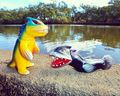 Metrocabayan vinyl figures
 -
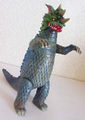 Fan-created Kokura figure
 -
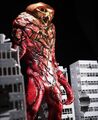 Kanjiras figure
 -
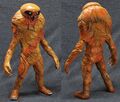 Kanjiras figure
 -
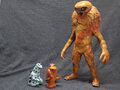 Kanjiras figure
 -
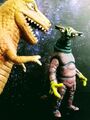 Fan-created Milmedes figure
![Bechigon[11]](https://wikizilla-images.s3.us-east-va.perf.cloud.ovh.us/5/5d/23417.jpg)
Miscellaneous
-
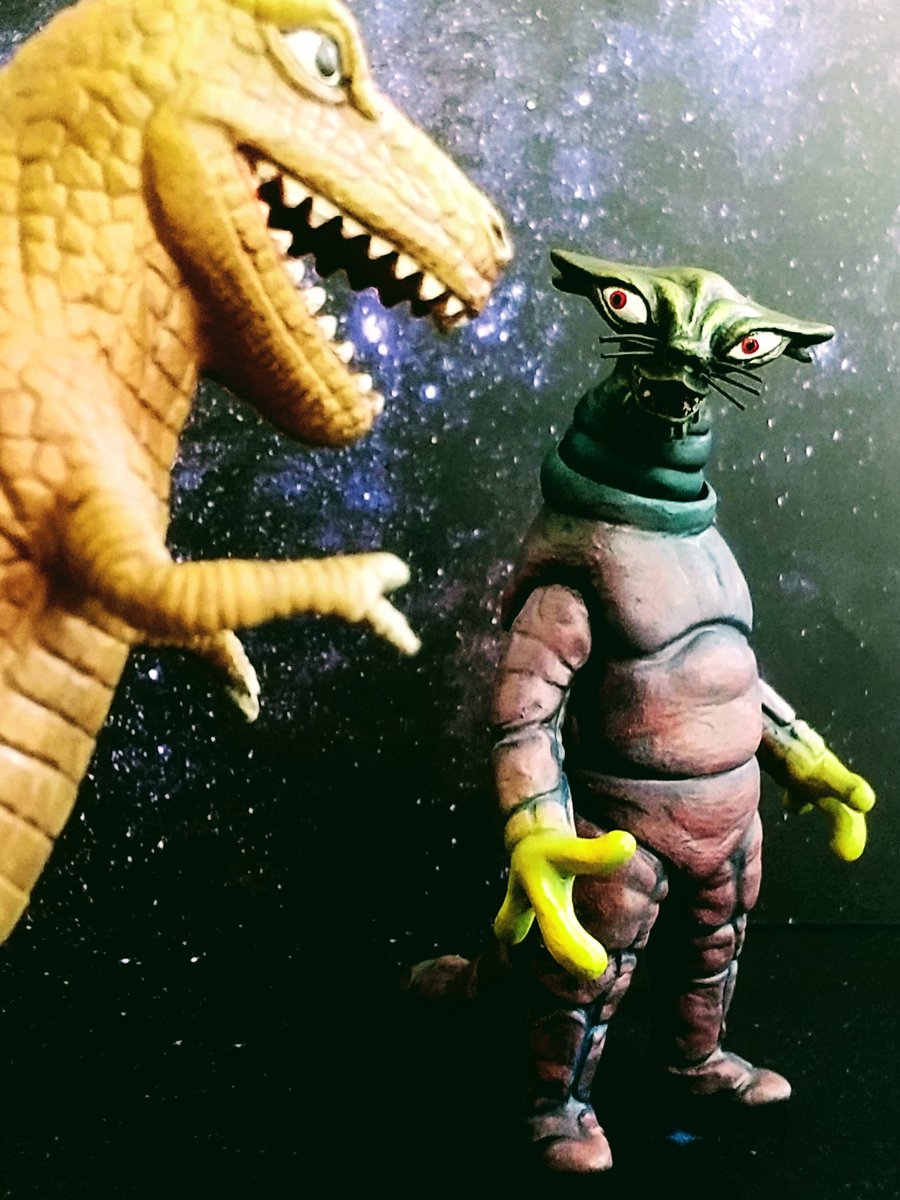
 Comparison between Doilar and Gorosaurus
 -
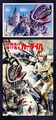 Comparison for an unnamed monster
 -
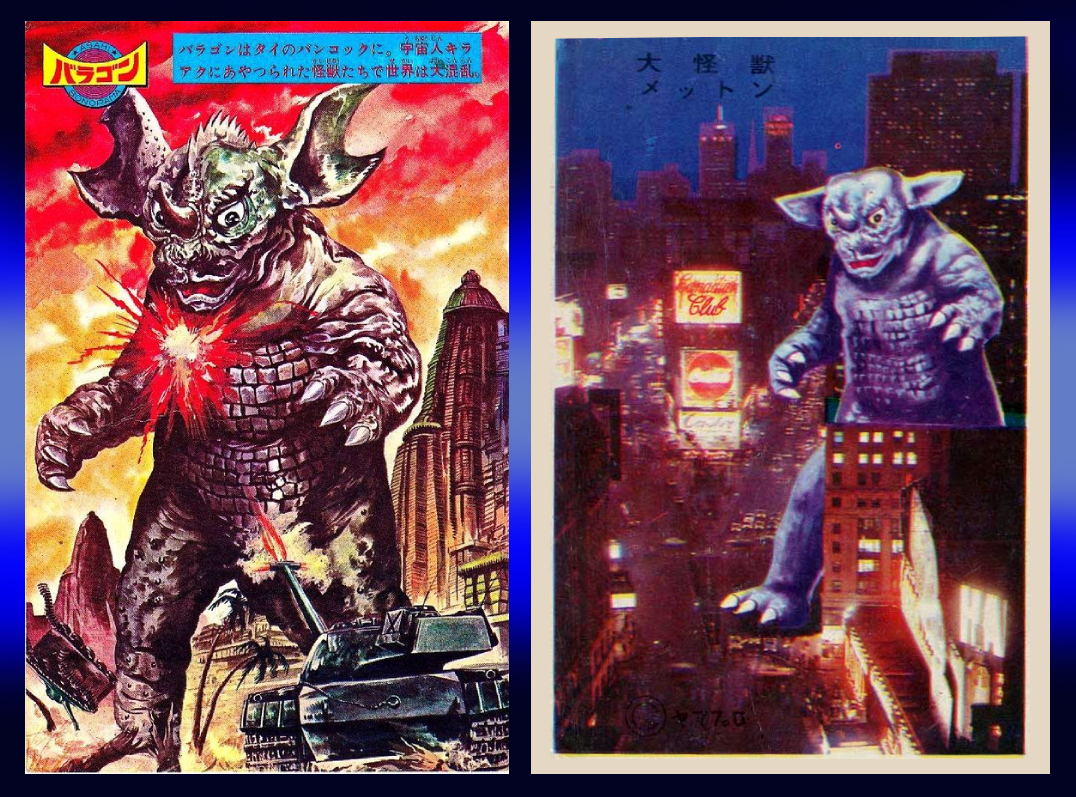
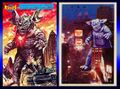 Comparison between Metton and Baragon
 -
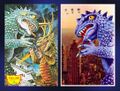 Comparison between Shirako and Giant Toad
 -
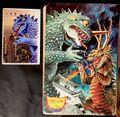
-
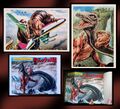 Comparison for Giant Monster Hebirus
 -
![Comparison between Goryu and the Lake Ktimba monster[12]](https://wikizilla-images.s3.us-east-va.perf.cloud.ovh.us/thumb/3/35/Goryu-Lake-Ktimba-Monster-Combo-Aug-2021-01.jpg/120px-Goryu-Lake-Ktimba-Monster-Combo-Aug-2021-01.jpg) Comparison between Goryu and the Lake Ktimba monster[12]
Comparison between Goryu and the Lake Ktimba monster[12] -
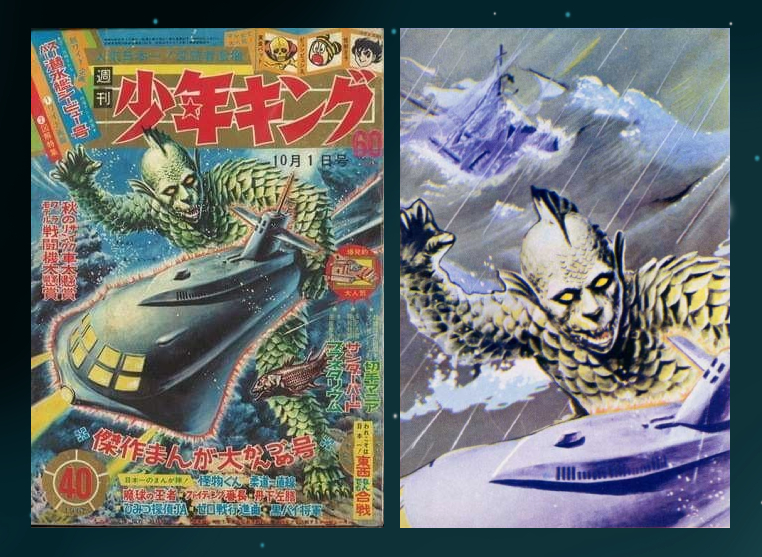
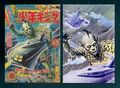 Comparison between an unnamed monster and The Giant Manfish
 -
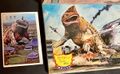 Comparison between Keraco and Gavadon B
 -
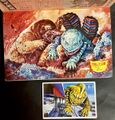 Comparison between Raco and Gabora
 -
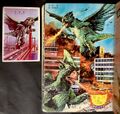 Comparison between Lafiras and Gappa
 -
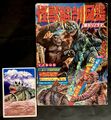 Comparison between Killesdon and Guesra
 -
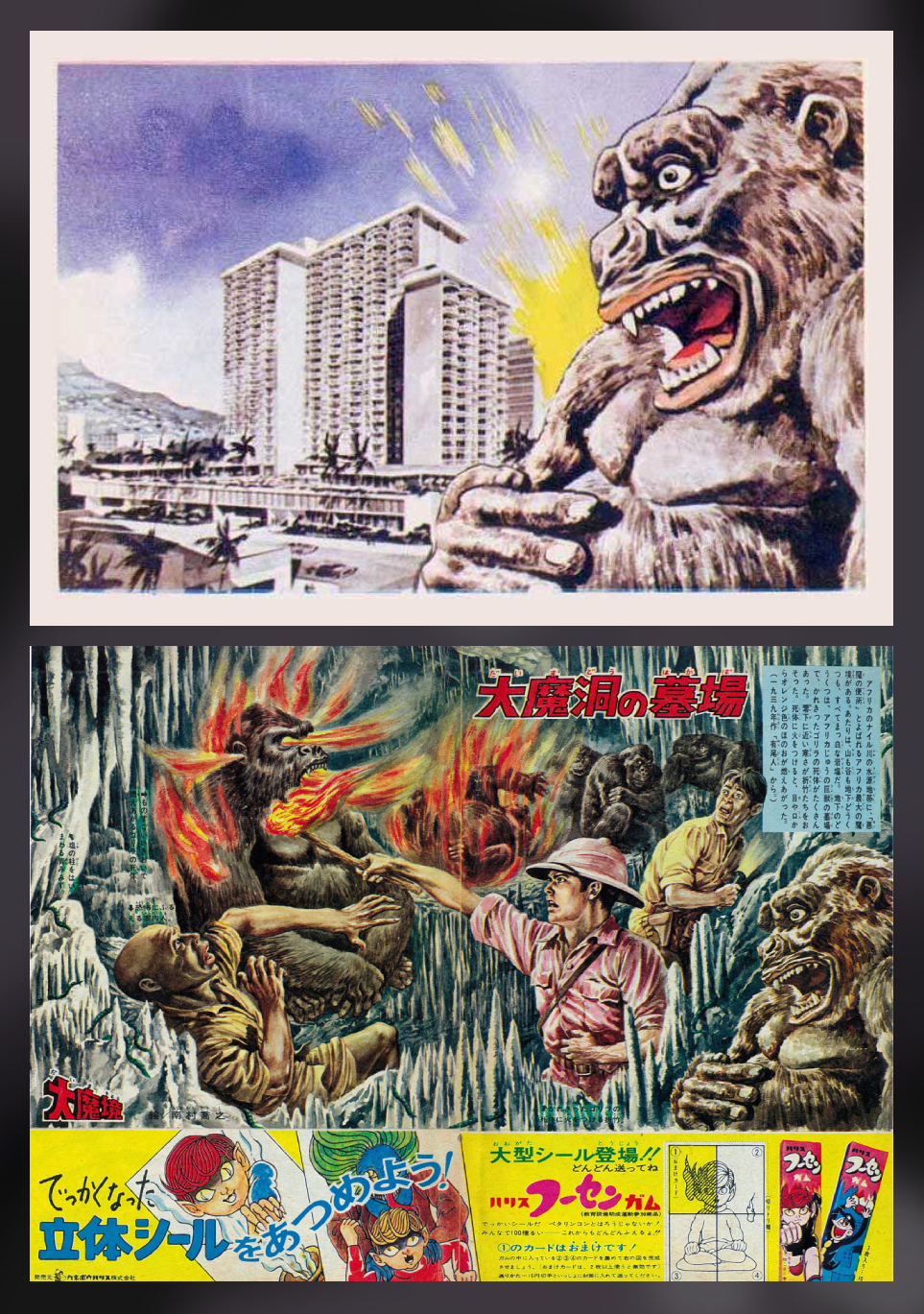
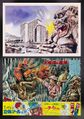 Comparison art for an unnamed giant gorilla
 -
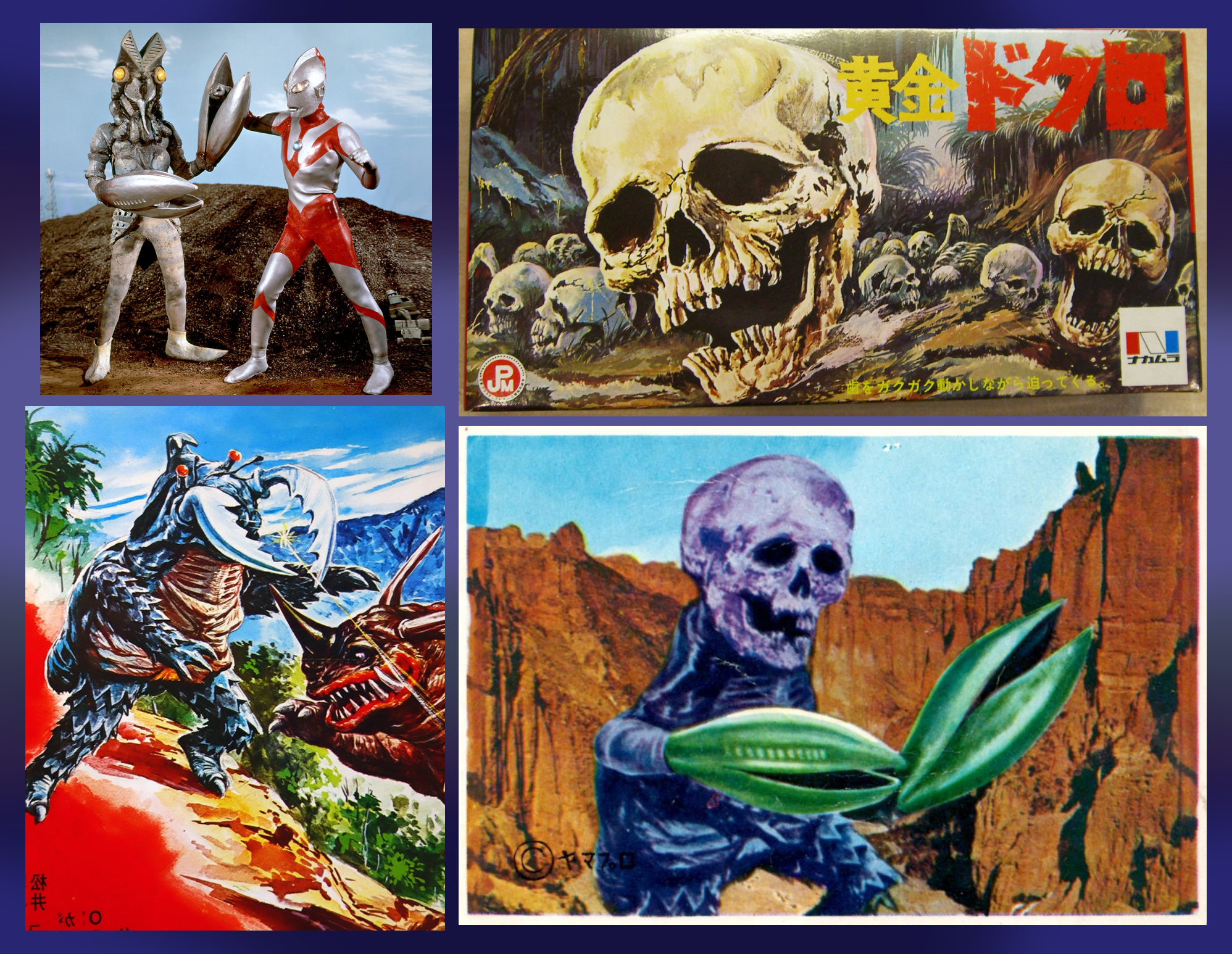
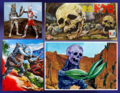 Comparison between Galtan with Antlar, Baltan, and Gold Skull
 -
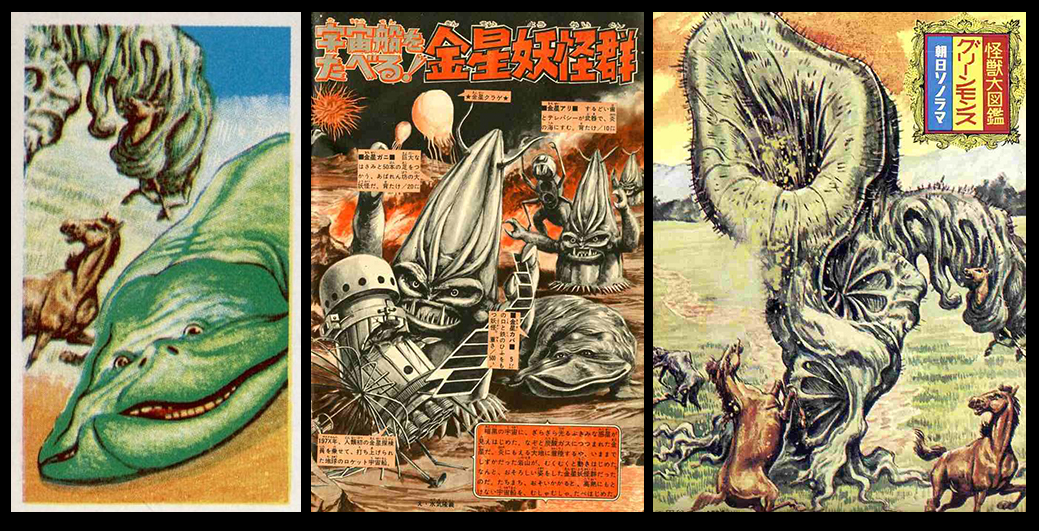
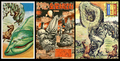 Comparison between two unnamed monsters and Greenmons
 -
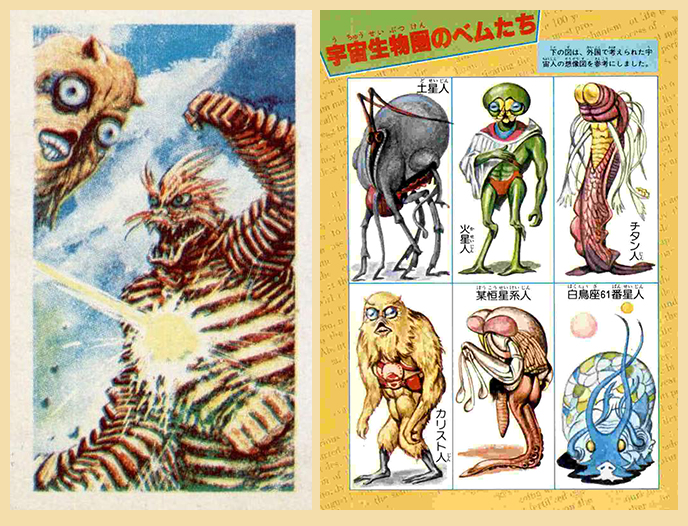
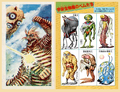 Comparison between an unnamed monster and illustrated aliens
 -
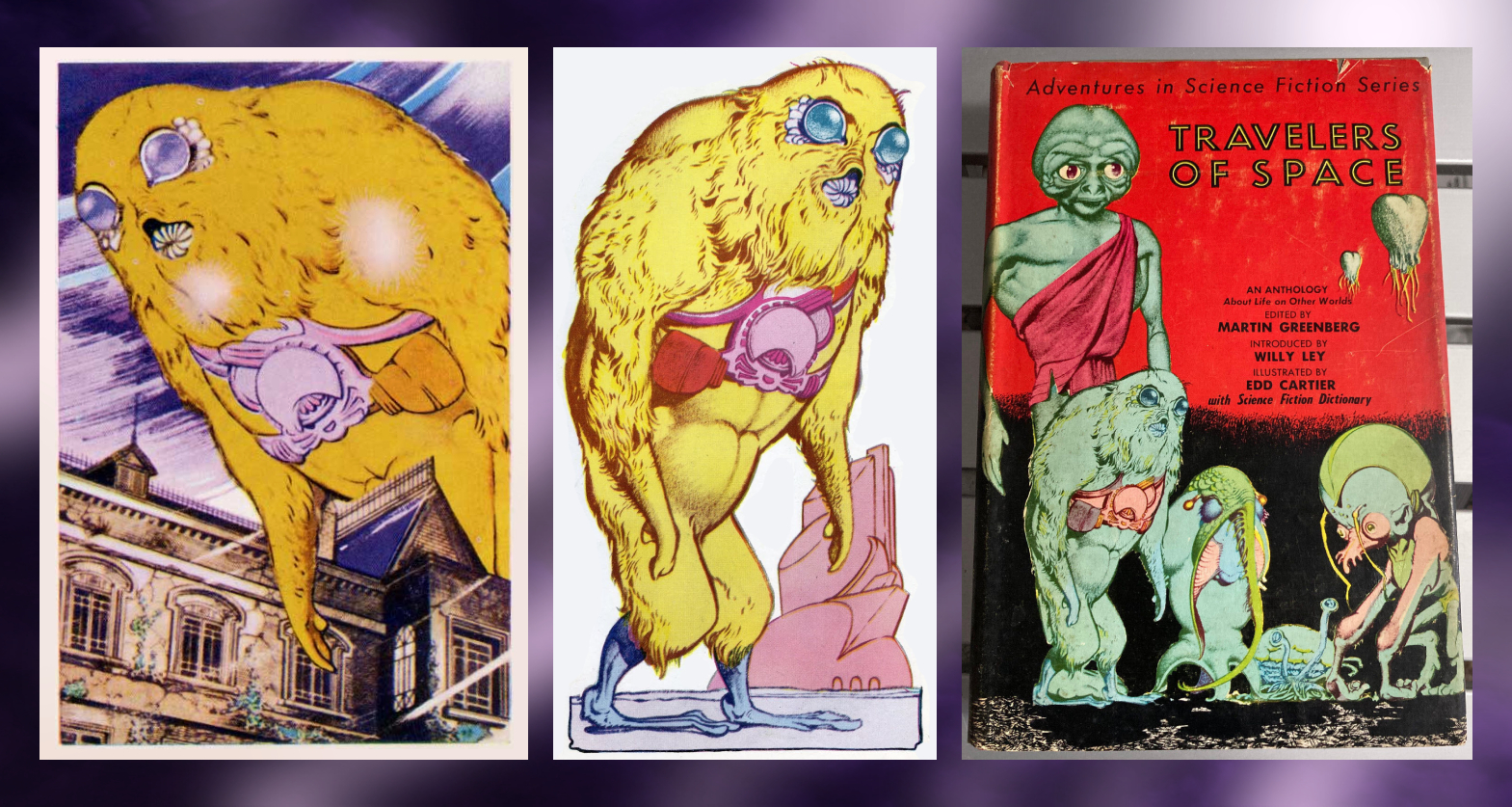
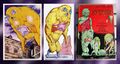 Comparison with Edd Cartier's illustrations from Travelers of Space (1951)
 -
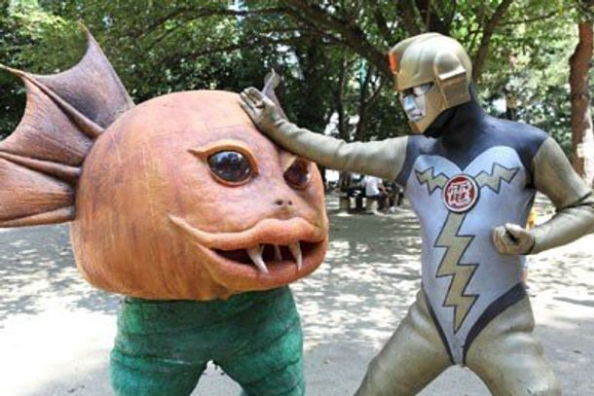
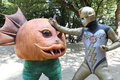 Etch fighting Den Ace
 -
 Tobozu's silhouette in the film Zillafoot (2019)
![Comparison between Goryu and the Lake Ktimba monster[12]](https://wikizilla-images.s3.us-east-va.perf.cloud.ovh.us/3/35/Goryu-Lake-Ktimba-Monster-Combo-Aug-2021-01.jpg)

Trivia
- Several of the kaiju depicted on the Pachimon cards are modified pictures of kaiju from the Godzilla, Gamera, and Ultra franchises.
- Some of the Ultra Series-inspired inspired kaiju are Africa, based on Sadola, Himular, which uses Red King's body, Kokura and Lygon, who are both modified from Bemular, Purachi, edited from Windom, Tonga, taken from Star Bem Gyeron, an unnamed monster with Peguila's body and Gomora's head, and another unnamed monster with Red King's body and Gamera's head.
- Some Pachimon cards took their visual sources from outside the kaiju and tokusatsu genres, including science books based on prehistoric animals and photographs of modern day ones. Jiatorima, Skorosaurus, Triceratops, a gigantic Dunkleosteus, and an unnamed mountain hugging Komodo dragon are some such examples.
- There is a minority of Pachimon card creatures who appear to be fully original creations and connected designs.
- It is possible that these too were stolen from more obscure sources, such as kaiju picture books and science fiction magazines.
- The ghastly character with the claws of the iconic Ultraman villain Alien Baltan, the body of Antlar (also from Ultraman), and a model kit creature called Gold Skull from the company Nakamura, was originally left nameless in its card debut, but would later be named "Galtan" (or "Gaikotsubaltan") by the vinyl sculptor Exohead, who released a figure of the monster in 2007.
- An unofficial Pachimon fighting game similar to MUGEN titled Pachimon Kaiju Dainessen exists.[13]
- Through this unofficial video game, one unnamed Dunkleosteus-based monster was given the fan-created name of "Whow."
- The clawed sea monster Goryu is taken from Gold Key Comics' Voyage to the Bottom of the Sea series, particularly the issue entitled "The Overland Trial".[14]
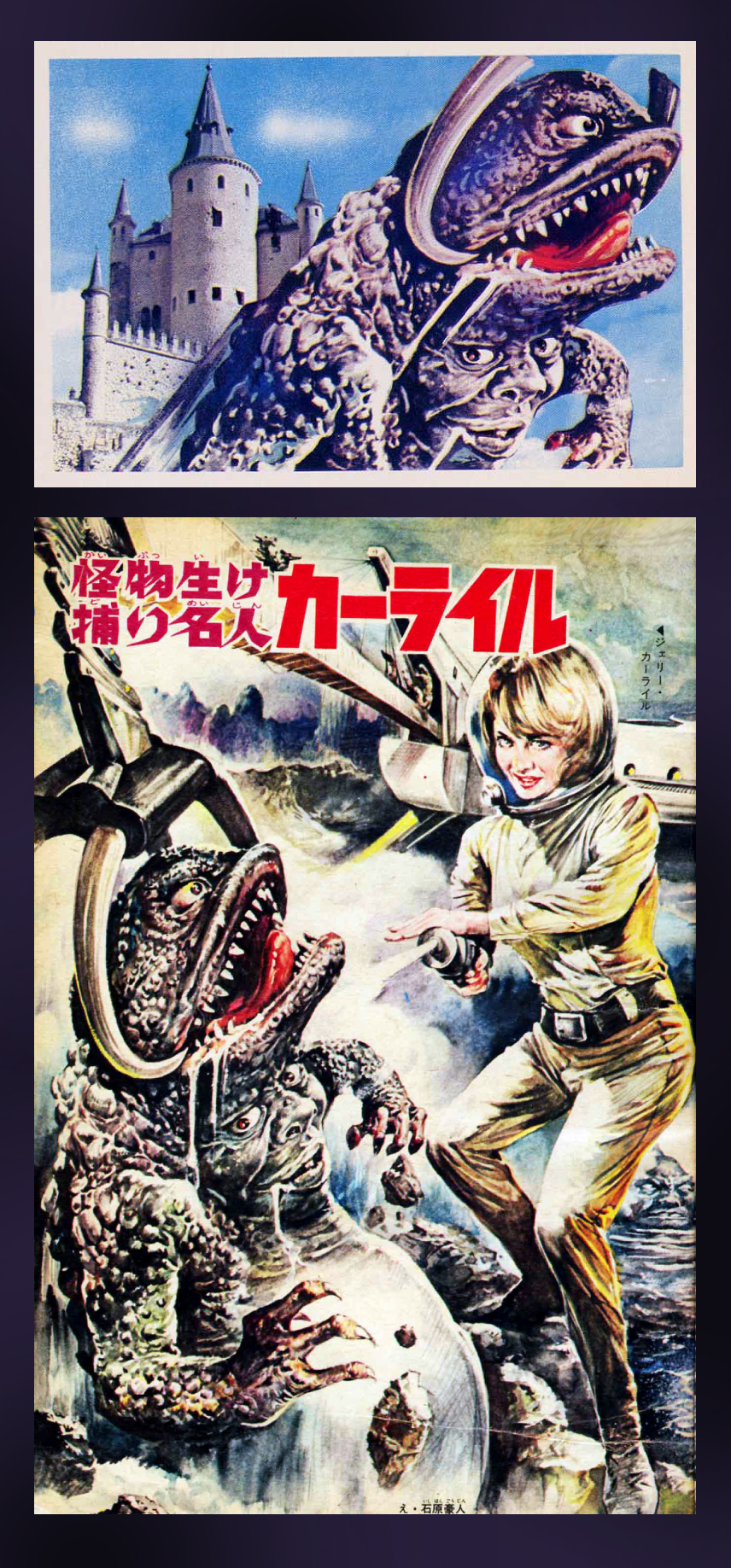
- An unnamed fish-like humanoid is repurposed magazine artwork of The Giant Manfish, a monster from episode 56 of Voyage to the Bottom of the Sea, "The Menfish" (March 6, 1966).[15]
- Several of the Pachimon, including Heater, Etch, and others, appear in the tokusatsu hero series, Den Ace.
- The silhouette of Tobozu, along with multiple other monsters, appears in the opening title sequence of the 2019 film Zillafoot, mimicking the opening theme sequences of the original Ultraman show.
Reference
This is a list of references for Pachimon. These citations are used to identify the reliable sources on which this article is based. These references appear inside articles in the form of superscript numbers, which look like this: [1]
| ||||||||||||||||||||||||||||||||||||||
Comments
Showing 40 comments. When commenting, please remain respectful of other users, stay on topic, and avoid role-playing and excessive punctuation. Comments which violate these guidelines may be removed by administrators.

|