

Quetzalcoatlus
| |||||||||||||||||||||||||||||||||||||||||||||||||||||||||||||||||||||||
- Not to be confused with Quetzalcoatl.
Quetzalcoatlus (ケツァルコアトルス Ketsarukoatorusu) is an extinct genus of azhdarchid pterosaur from the Late Cretaceous Period. Among the largest flying animals known to science, Quetzalcoatlus has been depicted numerous times in popular culture, including Kong: King of the Apes.
Name
Quetzalcoatlus was named after Quetzalcoatl, the Aztec serpentine god of the sky.
Appearance
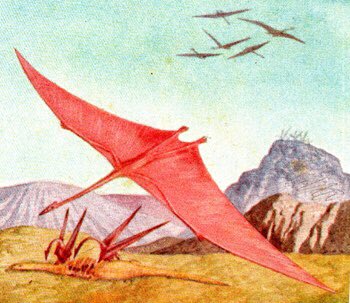
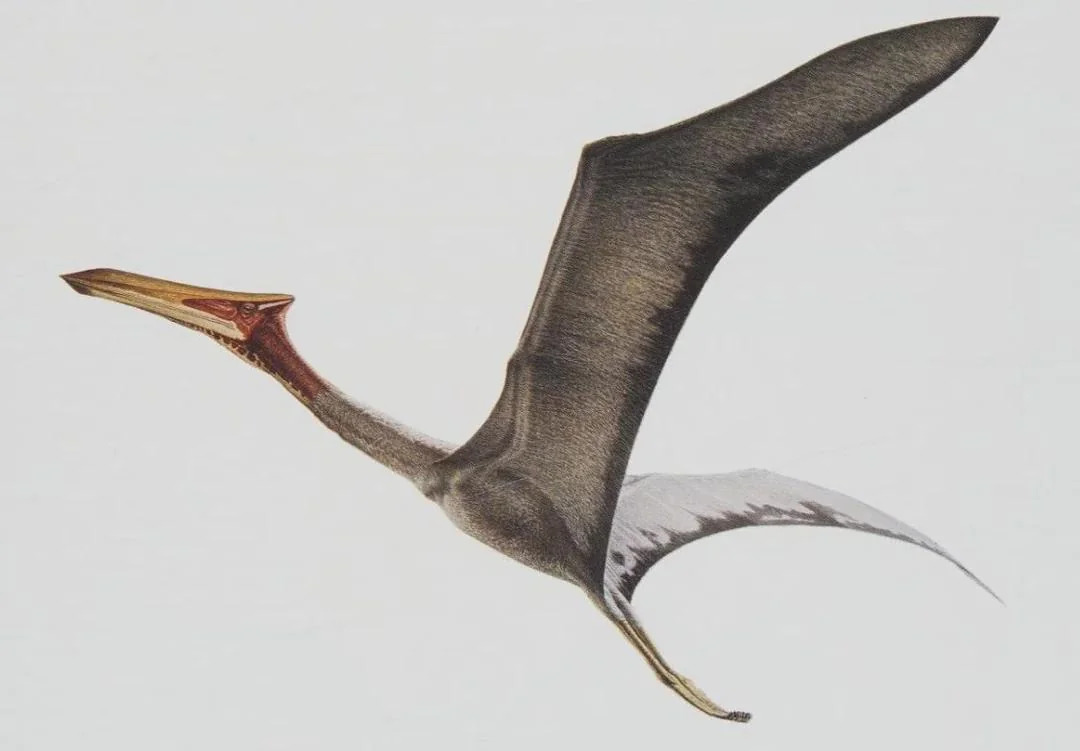
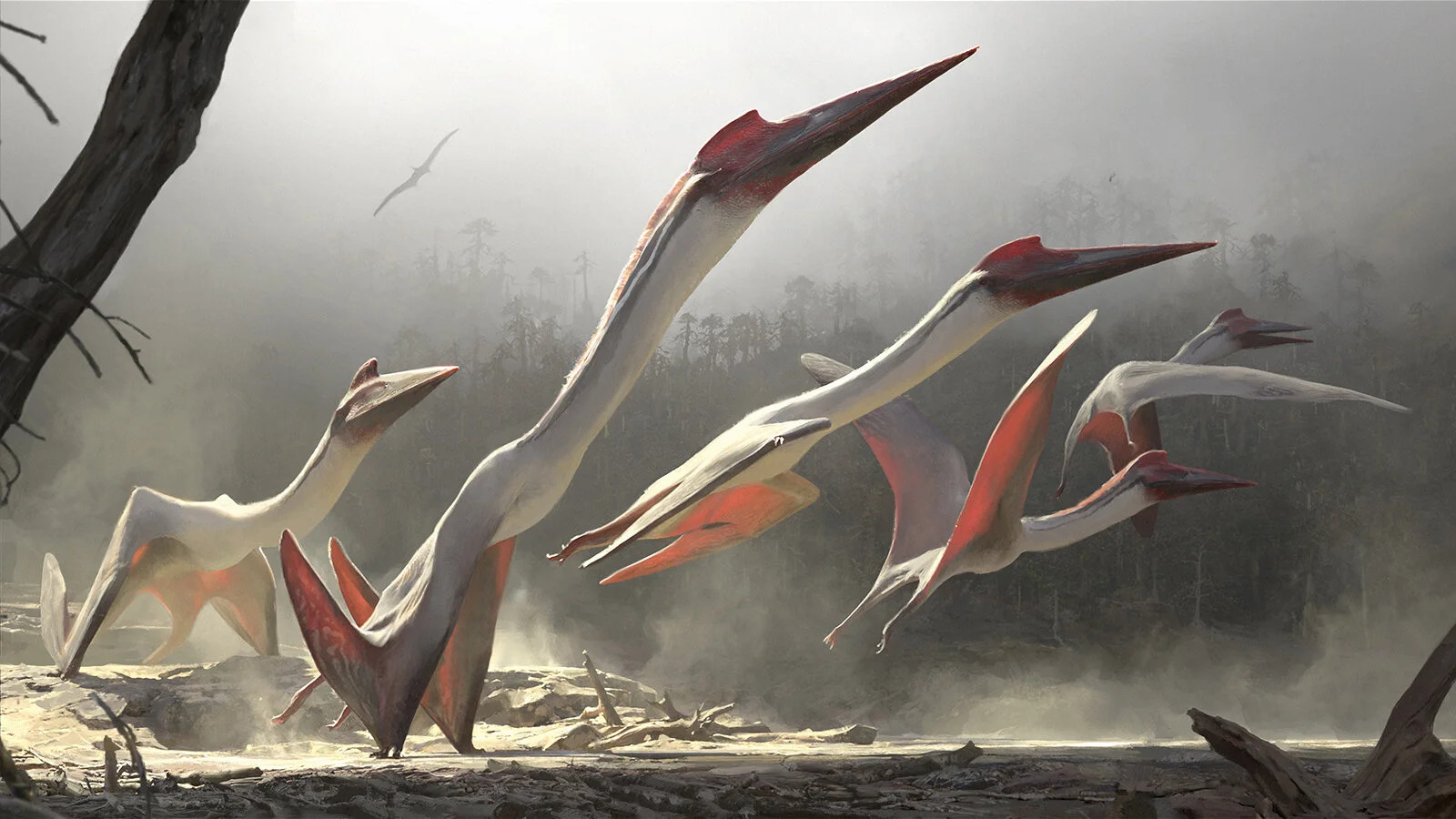
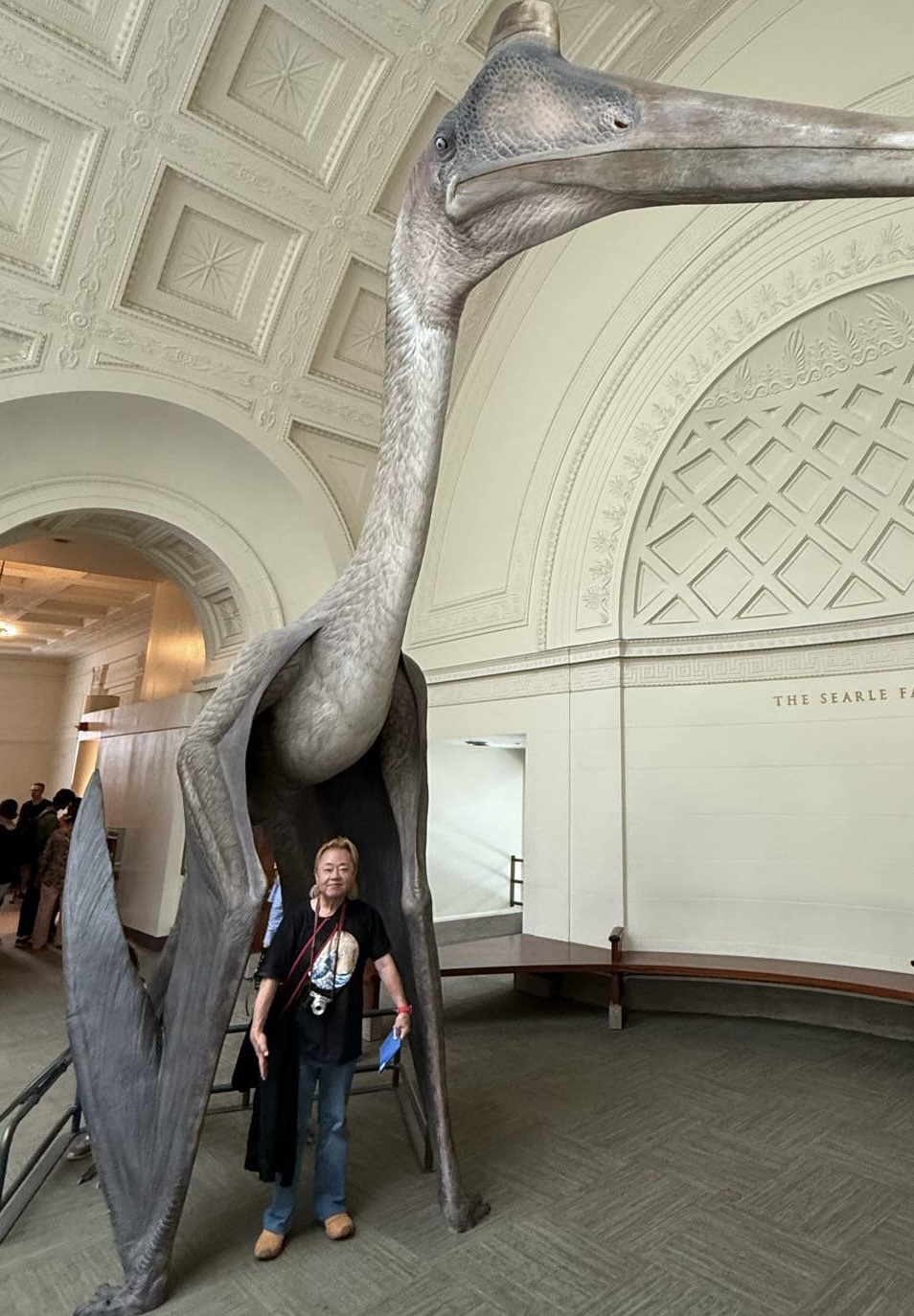
Quetzalcoatlus has generally been depicted as a large pterosaur with a long neck; a long, slender beak; a small crest atop its head; and a short tail. Due to poorer understanding of the animal in the past, earlier depictions of Quetzalcoatlus gave them a small head and longer wings relative to their body size, and short legs much like other varieties of pterosaur. More recent studies have shown that Quetzalcoatlus, and other azhdarchid pterosaurs, would have had notably long skulls and long legs relative to their body size, and proportionally shorter wings.[2] When on the ground, they would have stood with a near-perfectly erect gait,[3] which, coupled with their long necks, gave them their famous giraffe-like height. Earlier reconstructions depict the crests pointing backwards, but no azhdarchid with preserved cranial material preserves this sort of morphology, with species possessing either upward-pointing crests or none at all. Based on recent research, Quetzalcoatlus, like many other pterosaurs, likely had feathers, as opposed to the scaly skin seen in older depictions.[4] Quetzalcoatlus has generally been considered one of the largest animals to have ever flown, initially estimated to possess a wingspan of over 15 meters and since then suggested to even exceed 25 meters. Current size estimates indicate a more modest 10-11 meter wingspan, only matched by related azhdarchids such as Hatzegopteryx and Arambourgiania.
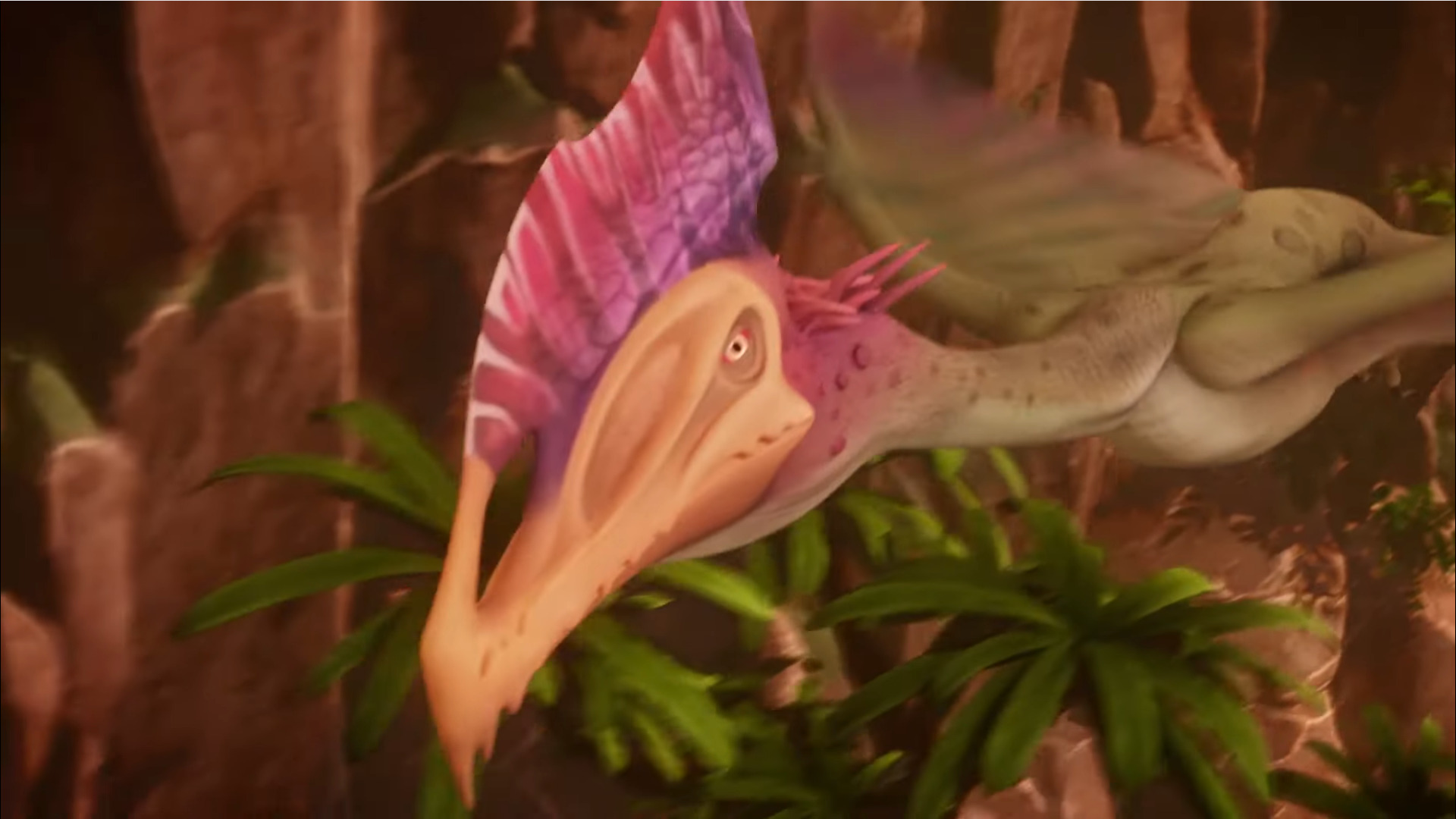
In Kong: King of the Apes, Quetzalcoatlus look completely different from their real-life counterparts, aside from their size and proportionally large skulls. Their crests are larger and back turned, and there is an opening in their skull between the front of their beaks and their crests. Their beaks have jagged edges similar to large teeth. Their tails are long, ending with a blade-shaped tail vane. Their necks are lined with hair-like protuberances, and they have wart-like structures behind their skulls towards the front of their necks. Their bodies are mostly brown with darker brown spots, with lighter underbellies, and dark pink around the backs of their heads. The tips of their wings are magenta with darker magenta strips, while their crests are magenta at the base and pink towards the tops, with darker-shaded stripes running across them.
Selected history
- Kong: King of the Apes (TV 2018) [episodes 14 and 18]
- Tarzan and Jane (TV 2018) [episode 13]
- Godzilla Singular Point (TV 2021) [mentioned and pictured in episode 2]
Kong: King of the Apes
"The Primordial World Below"
In a primordial world below the surface of Earth, Kong Lukas Remy, Danny Quon, Panchi, and Richard Remy were traveling along a cliff face when they came across a lone dinosaur egg in a nest. Richard attempted to eat the egg, but two Quetzalcoatlus, also intent on eating it, arrived on the scene. One of the pterosaurs attacked Kong, scratching him with its taloned feet, while the other attempted to take the egg from Richard, causing both the egg and Richard to tumble over the edge of the cliff. Lukas rescued Richard, while Kong went after the egg, and the two Quetzalcoatlus flew after him. Kong grabbed onto a tree and attempted to catch the egg with his foot, but one Quetzalcoatlus snatched the egg in its feet. However, before the Quetzalcoatlus could fly away with its prize, Kong grabbed the pterosaur by the tail with his right foot, and pulled it forward, causing the flying reptile to release the egg and allowing Kong to catch it in his right hand. The Quetzalcoatlus then tried to snatch the egg in its beak, but Kong held the egg out of reach. The Quetzalcoatlus bit Kong on the right leg, and the other Quetzalcoatlus swooped down towards in an attempt to take the egg, but Kong caught the second one in his left foot, holding the egg out of reach of both pterosaurs. As the two pterosaurs flailed, the one caught in Kong's left foot bit his right leg, causing Kong pain. Kong's grip on the tree slipped, and he fell down to the ground below with the egg in hand and the pterosaurs held by his feet. Once on the ground, Kong flung the two Quetzalcoatlus back with his feet. The two pterosaurs flew back over to Kong, screeching at him, but Kong roared back at them, causing them to retreat.
"No Place Like Home"
While Lukas, Jonesy, Danny, and Panchi were traveling in Lukas and Jonesy's helicopter to the City of the Apes in the primordial world, a Quetzalcoatlus attacked one of the helicopter's rotors, causing it to tumble through the air. The Quetzalcoatlus pursued the helicopter, but Kong flew over to the pterosaur with his jetpack and scared it off.
Reiwa era
Godzilla Singular Point
"Gamesome"
When discussing Rodan, experts likened it to Quetzalcoatlus. In news coverage, a skeleton and in-life reconstructions were presented.
Abilities
Physical abilities
Quetzalcoatlus, like many azhdarchids, is thought to be a "terrestrial stalker", with limbs and feet well adapted for walking, filling a niche similar to marabou storks and ground hornbills. Their beaks were their means of catching prey, which would have been comprised of comparatively small animals such as young dinosaurs.[2][5]
In Kong: King of the Apes, Quetzalcoatlus often bit their targets with their beaks, which were capable of causing Kong pain. Unlike their real-life counterparts, they also made use of their taloned feet to catch prey or to scratch their enemies, the latter of which was able to tear hair off of Kong's back and cause him pain.
Flight
There has been extensive debate as to the flight capabilities of large azhdarchid pterosaurs such as Quetzalcoatlus. It is generally agreed that they were able to fly, but the extent to which has also been a source of disagreement. Researchers have previously proposed that Quetzalcoatlus would have relied on thermal soaring to maintain extensive flight; however, a 2022 study determined that they would not have been well suited to thermal soaring, and coupled with reduced capacity to flap for prolonged periods of time, probably were short-range fliers similar to modern ground hornbills or bustards.[6]
In Kong: King of the Apes, Quetzalcoatlus are highly capable fliers, able to make use of their beaks or feet mid-flight. They also perform dives to catch prey or attack enemies such as Kong.
Books
- Kong Reborn (2005) [mentioned]
Gallery
Kong: King of the Apes
Concept art
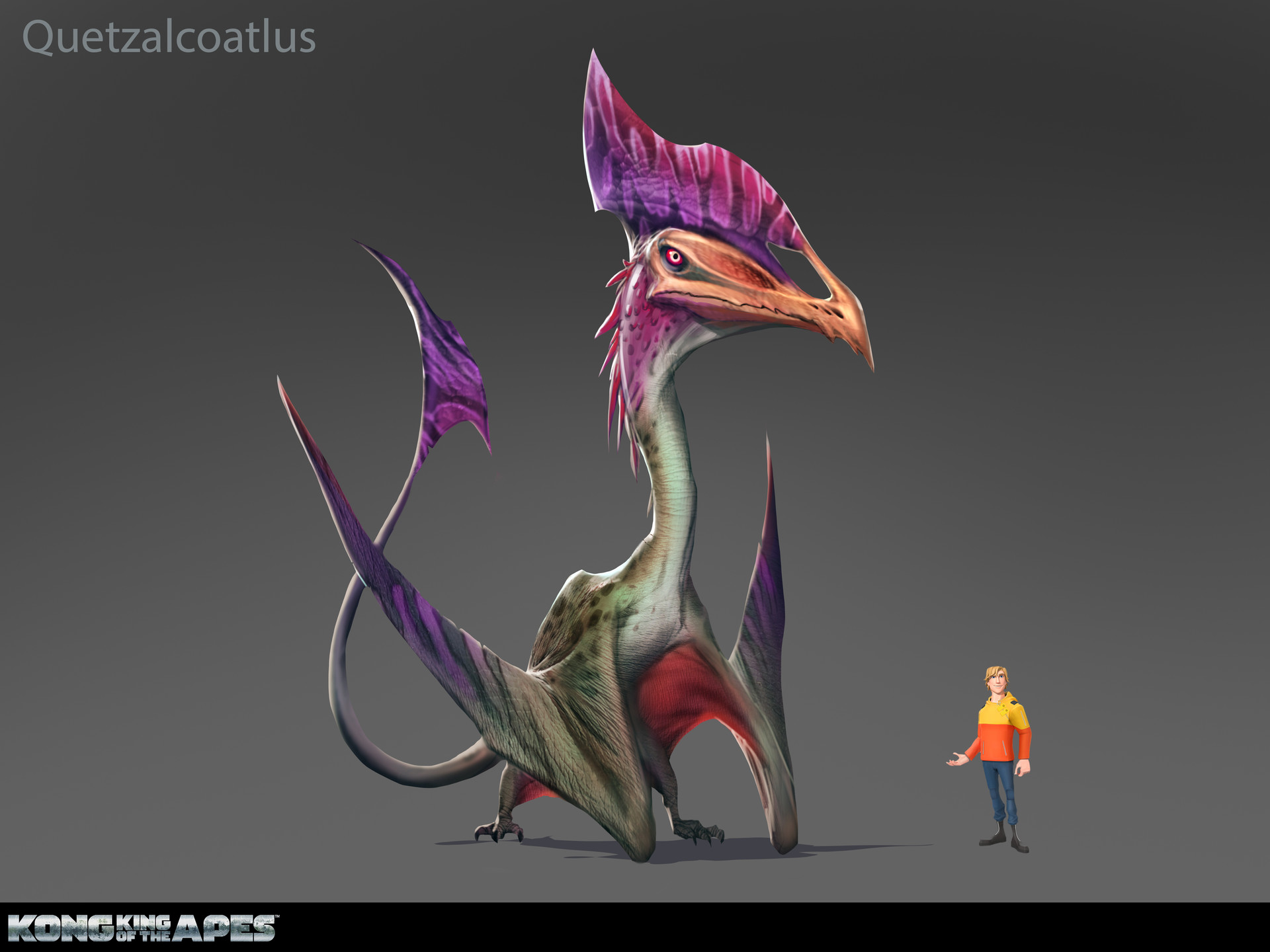
Miscellaneous
-
 Shinichi Wakasa with a Quetzalcoatlus statue
Trivia
- During the early designing process for Rodan in Godzilla Singular Point, kaiju designer Eiji Yamamori took inspiration from pterosaurs such as Quetzalcoatlus.[7]
External links
References
This is a list of references for Quetzalcoatlus. These citations are used to identify the reliable sources on which this article is based. These references appear inside articles in the form of superscript numbers, which look like this: [1]
|
Comments
Showing 11 comments. When commenting, please remain respectful of other users, stay on topic, and avoid role-playing and excessive punctuation. Comments which violate these guidelines may be removed by administrators.

|

|

|

|